
Good morning, especially to the folks at the Atlantic, who ran on Friday the blunt declaration: “RIP American Tech Dominance.”
Author Rogé Karma’s argument: U.S. AI supremacy is wholly a credit to a “monopoly on advanced computer chips,” and Trump’s recent willingness to put capitalism over country by allowing the sale in China of Nvidia H200 AI chips—the company’s second-best chip, yes, but 6X more powerful than the already-available H20—“could shrink that gap to almost nothing.”
Fair point or weak tea, given Nvidia CEO Jensen Huang’s own perspective that tight chip restrictions will only embolden China to build up its own industry at the expense of American suppliers? Drop me a line and make your case.
Today’s tech news below. —Andrew Nusca
Want to send thoughts or suggestions to Fortune Tech? Drop a line here.
Amid talent war, OpenAI ends new hire vesting restriction
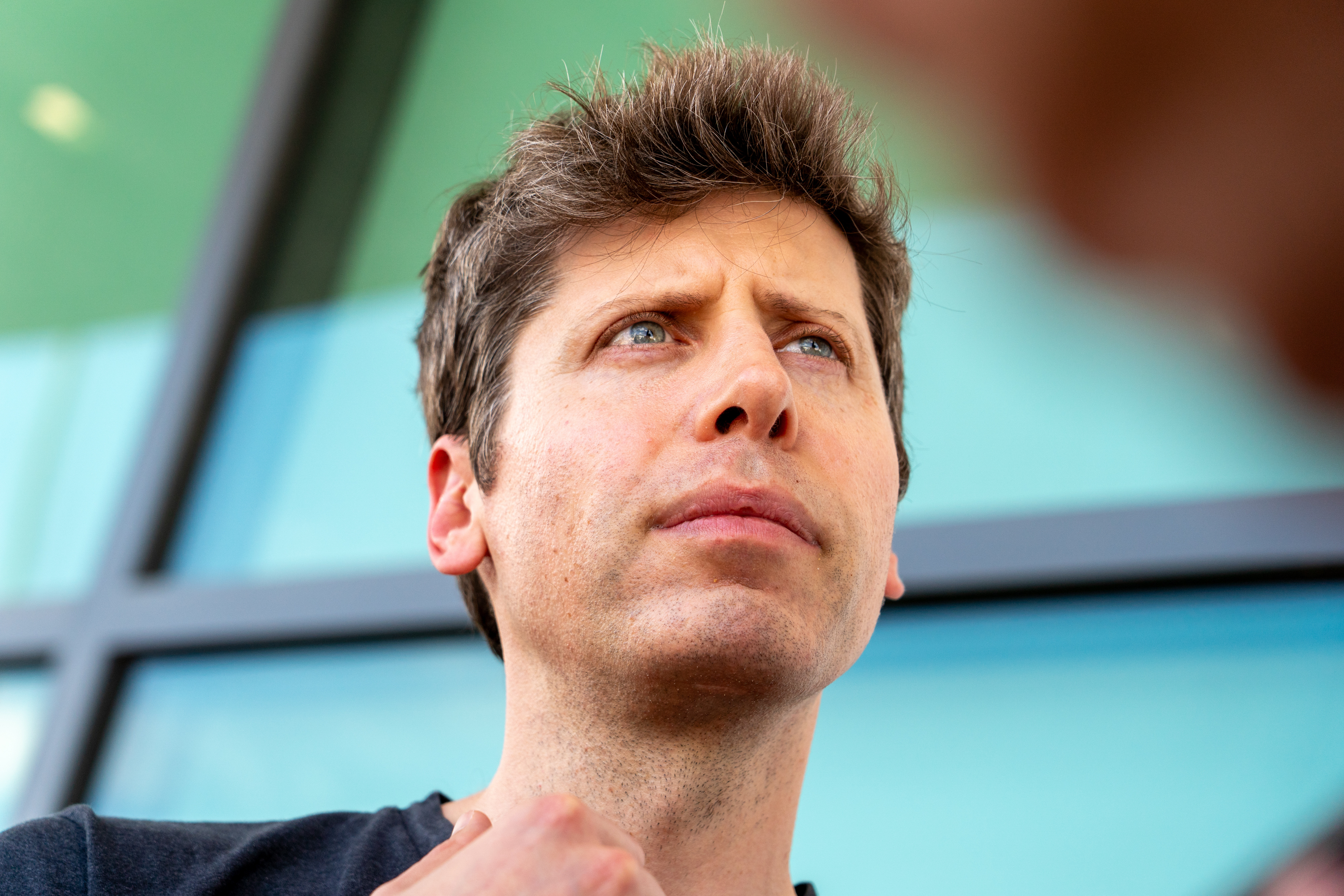
AI’s hottest startup reportedly told its employees last week that it would end a policy requiring new hires to work for six months before their equity vests.
A change to OpenAI’s so-called vesting cliff is “designed to encourage new employees to take risks without fear of being let go before accessing their first chunk of equity,” according to a Wall Street Journal report.
The industry standard for equity vesting is 12 months. OpenAI used to observe this timeline but halved it in April. Interestingly, rival xAI—which is owned and operated by OpenAI co-founder Elon Musk—reportedly made a similar change this summer.
Why so cavalier in the compensation department? Two words: Talent war. With OpenAI (and Anthropic and Google and Microsoft and Meta and…) vying for the greatest AI minds money can buy, the power balance has shifted—for now—to those highly coveted employees.
According to the Journal, OpenAI expects to spend $6 billion this year on stock-based compensation. Virtually every company mentioned above has promised a record level of spending on AI—including employee compensation—in 2026. —AN
iRobot files for Chapter 11 bankruptcy
Call it Sad Robot Productions.
iRobot, the company behind the household-name Roomba cleaning ‘bot, has filed for bankruptcy.
The Boston-area company proposes handing over control to its main Chinese supplier, Shenzhen PICEA Robotics Co.
iRobot is listed on Nasdaq as IRBT. Its shares are currently hovering around $4, but they’ve traded lower than $1.50 over the last month.
What happened? The Roomba was outflanked. After its aughts-era peak, iRobot—which was founded in 1990 by MIT engineers—was rocked by supply chain issues and stiff competition from Chinese upstarts like Roborock and Dreame.
A 2022 deal with Amazon seemed like a chance for a second act, but it was not to be—European Union regulators blocked the proposed acquisition and it was abandoned.
The $90 million breakup fee wasn’t enough to pay off iRobot’s substantial debts.
In bankruptcy, iRobot will carry on and make its payments to employees and suppliers. The number-one robotic vacuum sold on Amazon, by the way? iRobot’s Roomba 105. —AN
Trump’s SEC relaxed or dismissed majority of crypto cases
Binance. Gemini. Ripple.
The second Trump administration began with a promise to unleash the cryptocurrency industry, and nowhere has that been more apparent than the U.S. Securities and Exchange Commission’s handling of active crypto cases.
According to a New York Times tally, the majority of them have been paused, eased, or outright dismissed since Trump retook office.
The federal regulator “is no longer actively pursuing a single case against a firm with known Trump ties,” according to the Times. “It backtracked against every firm that either has relationships with the Trump family’s crypto businesses or has donated to his political causes.”
The commission maintains that its change in position has evolved for legal and policy reasons. There’s also no evidence of Trump pressuring it to drop cases against companies in which he has a financial interest, even though he has been openly hostile to a crypto-strict SEC since his second presidential campaign.
The shift has certainly been abrupt. The SEC brought more than two crypto cases per month during the Biden administration, according to the Times, and about one per month during the first Trump administration. The SEC has yet to bring a crypto case during the second Trump administration. —AN
More tech
—ServiceNow may buy Armis. “Advanced talks” of a $7 billion acquisition of the cybersecurity startup.
—Exor rejects Tether offer for Juventus. The fintech’s all-cash offer, which valued the Italian soccer club at €1.1 billion, wasn’t good enough to secure its controlling stake.
—Delivery Hero backs CEO. Embattled founder and chief Niklas Östberg has the board’s support, even if he doesn’t have shareholders’.
—Microsoft AI CEO Mustafa Suleyman on agentic AI: “Magical and amazing, but it’s always just got a little bit further to go. In this case, a while yet before it’s everyday.”
—Broadcom shares plummet. Down 15%, to about $357, from Thursday after sharing a dimmer-than-expected outlook for AI revenue.
—AI boom delays U.S. municipal projects: What happens when trillions of dollars of data center buildout pulls workers away from, well, everything else.
—Cisco shares reach record high. At $80.25, the dotcom darling finally does it, 25 years after its previous record.