• Home
  • Latest
  • Fortune 500
  • Finance
  • Tech
  • Leadership
  • Lifestyle
  • Rankings
  • Multimedia
CommentaryProductivity

Gen Z is drinking 20% less than Millennials. Productivity is rising. Coincidence? Not quite

By
Julian Braithwaite
Julian Braithwaite
Down Arrow Button Icon
By
Julian Braithwaite
Julian Braithwaite
Down Arrow Button Icon
December 13, 2025, 9:05 AM ET
Julian Braithwaite is the Director General of the International Alliance for Responsible Drinking (IARD), a global not-for-profit that works to reduce harmful drinking and help people make informed choices about alcohol. Supported by the world’s major beer, wine and spirits producers, IARD brings together public health experts, governments and industry to share reliable information and promote safer drinking habits. 
Julian leads the organization’s effort to explain what the science really says about alcohol and health at a time when many countries are rethinking their advice to the public. His work helps people understand how guidelines are set, what changing recommendations mean in everyday life, and how good information can support healthier decisions. 
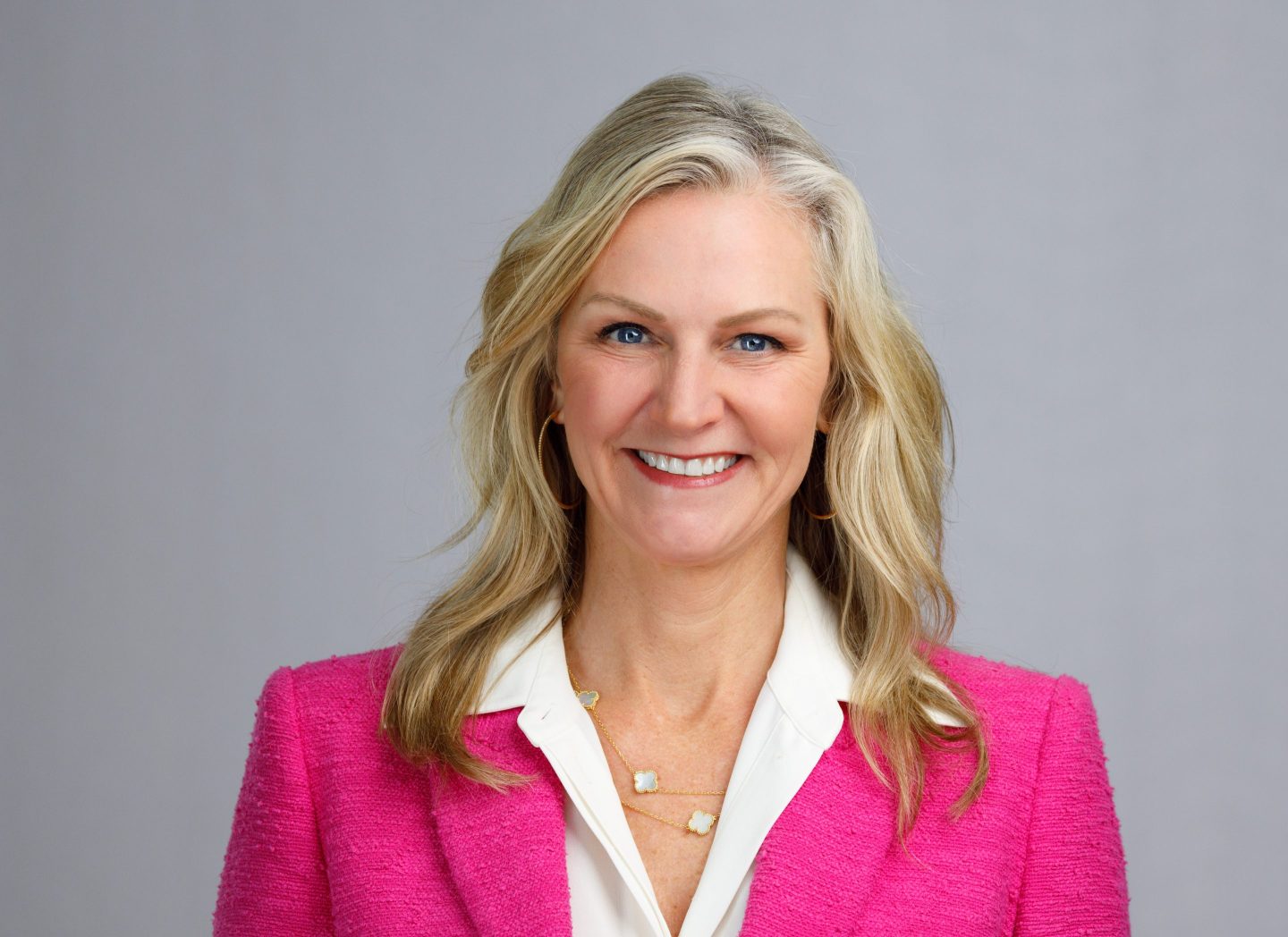
Julian Braithwaite is the Director General of the International Alliance for Responsible Drinking
Julian Braithwaite is the Director General of the International Alliance for Responsible Drinking.courtesy of International Alliance for Responsible Drinking

For all the noise surrounding alcohol today, one fact rarely enters the conversation: societies with moderate, responsible drinking habits consistently outperform economically. Across OECD economies, decades of analysis confirm this link, showing that responsible consumption supports higher productivity and more resilient growth.

Recommended Video

This isn’t just a lifestyle trend — it’s a shift in the fundamentals of growth. Gen Z is drinking differently, Dry January participation continues to rise, and employers are increasingly focused on performance, wellbeing, and sustainable productivity. These cultural shifts map onto a deeper economic trend: moderation is no longer just a personal choice, it’s becoming a structural feature of modern business strategy.

At the same time, global conditions are changing. Demographic shifts, rising health awareness, and evolving consumer expectations are altering the way societies engage with alcohol. The question today is not only how much people drink, but how drinking patterns influence labor markets, healthcare budgets, consumer behavior, and business innovation. In short, moderation has become more than a public health issue — it’s now a lever for economic competitiveness.

Responsible Consumption as an Economic Lever

Globally, we’ve grown accustomed to the idea that the alcohol sector is propelled by volume. But volume-led growth no longer tells the full story. Industry analysis shows that even as volumes fall and more consumers moderate, global alcohol spending continues to rise. Emerging markets now contribute over 65 percent of leading brewers’ profits, and the no-alcohol category has become a market worth tens of billions of dollars, growing at double-digit rates. These dynamics illustrate a shift from volume to value: responsible consumption patterns are not reducing economic value; they’re redirecting it, toward premium formats, adjacent categories, and new job creation.

New reporting from IWSR shows that while sales volumes have softened in some markets, underlying consumer demand remains remarkably stable. In the United States, the average number of drinks per adult per week has hovered between 10 and 12 for decades and is only modestly below its 2021 peak. Rather than a collapse in consumption, the data suggests a shift toward lower-volume, higher-value formats, a move that benefits both public health and profit margins.

Behind this shift is a more intentional consumer. People increasingly ask not only what a product is, but how it aligns with their lifestyle, values, and expectations for transparency. These factors are shaping purchasing behavior, and forcing businesses to innovate in ways that reward responsibility over excess.

A Virtuous Cycle for Growth

While precise quantification is complex, evidence shows that countries with lower rates of harmful drinking experience lower healthcare burdens and fewer workdays lost to alcohol-related issues. These gains feed what economists call a virtuous cycle: healthier societies support stronger economies, and stronger economies enable healthier choices.

Some still see moderation as a threat to the alcohol industry. In reality, it’s a catalyst for smarter, more sustainable growth. Moderation and responsible consumption are part of a broader shift toward value creation that supports societal well-being, investor interest, and business continuity.

A More Inclusive Model of Economic Growth

A more inclusive growth model depends on balance, not the false binary of abstinence versus excess, but a middle ground where informed adults can enjoy products responsibly, underage drinking continues to decline, and companies innovate in ways that reflect both consumer values and public health priorities.

Governments play a key role through evidence-based regulation. Companies contribute by leading on responsible innovation. Consumers participate by making informed choices. Together, these forces are reshaping how economic value and public good coexist.

The Opportunity Ahead

We’re at an inflection point. The economics of alcohol are changing, and so is the definition of growth. As businesses and governments revisit what sustainable prosperity looks like in the decade ahead, moderation will be central to that conversation. It’s not a moral stance or a temporary trend — it’s a data-driven strategy for long-term resilience.

For executives, the message is clear: moderation isn’t a soft signal — it’s a sharp business edge. Those who embrace it early will lead.

The opinions expressed in Fortune.com commentary pieces are solely the views of their authors and do not necessarily reflect the opinions and beliefs of Fortune.
Join us at the Fortune Workplace Innovation Summit May 19–20, 2026, in Atlanta. The next era of workplace innovation is here—and the old playbook is being rewritten. At this exclusive, high-energy event, the world’s most innovative leaders will convene to explore how AI, humanity, and strategy converge to redefine, again, the future of work. Register now.
About the Author
By Julian Braithwaite
See full bioRight Arrow Button Icon

Latest in Commentary

Julian Braithwaite is the Director General of the International Alliance for Responsible Drinking
CommentaryProductivity
Gen Z is drinking 20% less than Millennials. Productivity is rising. Coincidence? Not quite
By Julian BraithwaiteDecember 13, 2025
3 hours ago
carbon
Commentaryclimate change
Banking on carbon markets 2.0: why financial institutions should engage with carbon credits
By Usha Rao-MonariDecember 13, 2025
4 hours ago
Dr. Javier Cárdenas is the director of the Rockefeller Neuroscience Institute NeuroPerformance Innovation Center.
Commentaryconcussions
Fists, not football: There is no concussion protocol for domestic violence survivors
By Javier CárdenasDecember 12, 2025
1 day ago
Gary Locke is the former U.S. ambassador to China, U.S. secretary of commerce, and governor of Washington.
CommentaryChina
China is winning the biotech race. Patent reform is how we catch up
By Gary LockeDecember 12, 2025
1 day ago
millennial
CommentaryConsumer Spending
Meet the 2025 holiday white whale: the millennial dad spending $500+ per kid
By Phillip GoerickeDecember 12, 2025
1 day ago
Sarandos
CommentaryAntitrust
Netflix, Warner, Paramount and antitrust: Entertainment megadeal’s outcome must follow the evidence, not politics or fear of integration
By Satya MararDecember 12, 2025
1 day ago

Most Popular

placeholder alt text
Economy
Tariffs are taxes and they were used to finance the federal government until the 1913 income tax. A top economist breaks it down
By Kent JonesDecember 12, 2025
1 day ago
placeholder alt text
Success
Apple cofounder Ronald Wayne sold his 10% stake for $800 in 1976—today it’d be worth up to $400 billion
By Preston ForeDecember 12, 2025
1 day ago
placeholder alt text
Success
40% of Stanford undergrads receive disability accommodations—but it’s become a college-wide phenomenon as Gen Z try to succeed in the current climate
By Preston ForeDecember 12, 2025
1 day ago
placeholder alt text
Economy
For the first time since Trump’s tariff rollout, import tax revenue has fallen, threatening his lofty plans to slash the $38 trillion national debt
By Sasha RogelbergDecember 12, 2025
21 hours ago
placeholder alt text
Economy
The Fed just ‘Trump-proofed’ itself with a unanimous move to preempt a potential leadership shake-up
By Jason MaDecember 12, 2025
19 hours ago
placeholder alt text
Success
At 18, doctors gave him three hours to live. He played video games from his hospital bed—and now, he’s built a $10 million-a-year video game studio
By Preston ForeDecember 10, 2025
3 days ago
Rankings
  • 100 Best Companies
  • Fortune 500
  • Global 500
  • Fortune 500 Europe
  • Most Powerful Women
  • Future 50
  • World’s Most Admired Companies
  • See All Rankings
Sections
  • Finance
  • Leadership
  • Success
  • Tech
  • Asia
  • Europe
  • Environment
  • Fortune Crypto
  • Health
  • Retail
  • Lifestyle
  • Politics
  • Newsletters
  • Magazine
  • Features
  • Commentary
  • Mpw
  • CEO Initiative
  • Conferences
  • Personal Finance
  • Education
Customer Support
  • Frequently Asked Questions
  • Customer Service Portal
  • Privacy Policy
  • Terms Of Use
  • Single Issues For Purchase
  • International Print
Commercial Services
  • Advertising
  • Fortune Brand Studio
  • Fortune Analytics
  • Fortune Conferences
  • Business Development
About Us
  • About Us
  • Editorial Calendar
  • Press Center
  • Work At Fortune
  • Diversity And Inclusion
  • Terms And Conditions
  • Site Map

© 2025 Fortune Media IP Limited. All Rights Reserved. Use of this site constitutes acceptance of our Terms of Use and Privacy Policy | CA Notice at Collection and Privacy Notice | Do Not Sell/Share My Personal Information
FORTUNE is a trademark of Fortune Media IP Limited, registered in the U.S. and other countries. FORTUNE may receive compensation for some links to products and services on this website. Offers may be subject to change without notice.