- In today’s CEO Daily: Diane Brady reports on what’s next for the Magnificent 7.
- The big story: Fed Day fallout.
- The markets: Mixed, with U.S. stocks poised to open lower.
- Plus: All the news and watercooler chat from Fortune.
Good morning. What do business leaders predict next year for the Magnificent 7? They know all too well how Alphabet, Amazon, Apple, Meta, Microsoft, Nvidia and Tesla have delivered more than half of the S&P 500’s gains in recent years, setting a high bar for everyone else to clear. But things change: One minute, Alphabet is behind the curve on AI and then Google’s latest Gemini launch sparked a “Code Red” from OpenAI’s Sam Altman.
Earlier this week, while speaking with former Cisco CEO John Chambers about his tech predictions for the year ahead, our discussion turned to his outlook for the Magnificent 7. Having built Cisco from a router manufacturer to the world’s most valuable company in March 2000—and since nurtured a new generation of unicorns through JC2 Ventures—Chambers is a student of market shifts.
He believes 2026 will be a year of divergence within the Magnificent 7. “Two or three do real well, two or three do not do well at all and you have one or two in the middle,” he told me. “If I were betting on momentum today, I would bet Google (Alphabet), Microsoft and Nvidia. By the way, Google would not have made that list a year ago.”
I subsequently asked two dozen leaders at the Fortune Brainstorm AI conference and the Fortune CEO Initiative dinner in San Francisco for their views on the Mag 7. Alphabet was also the winner. The primary source of enthusiasm is Gemini 3, its latest AI model. Though as one CEO cautioned: “I’m more confident about the health of the business than the health of the stock.”
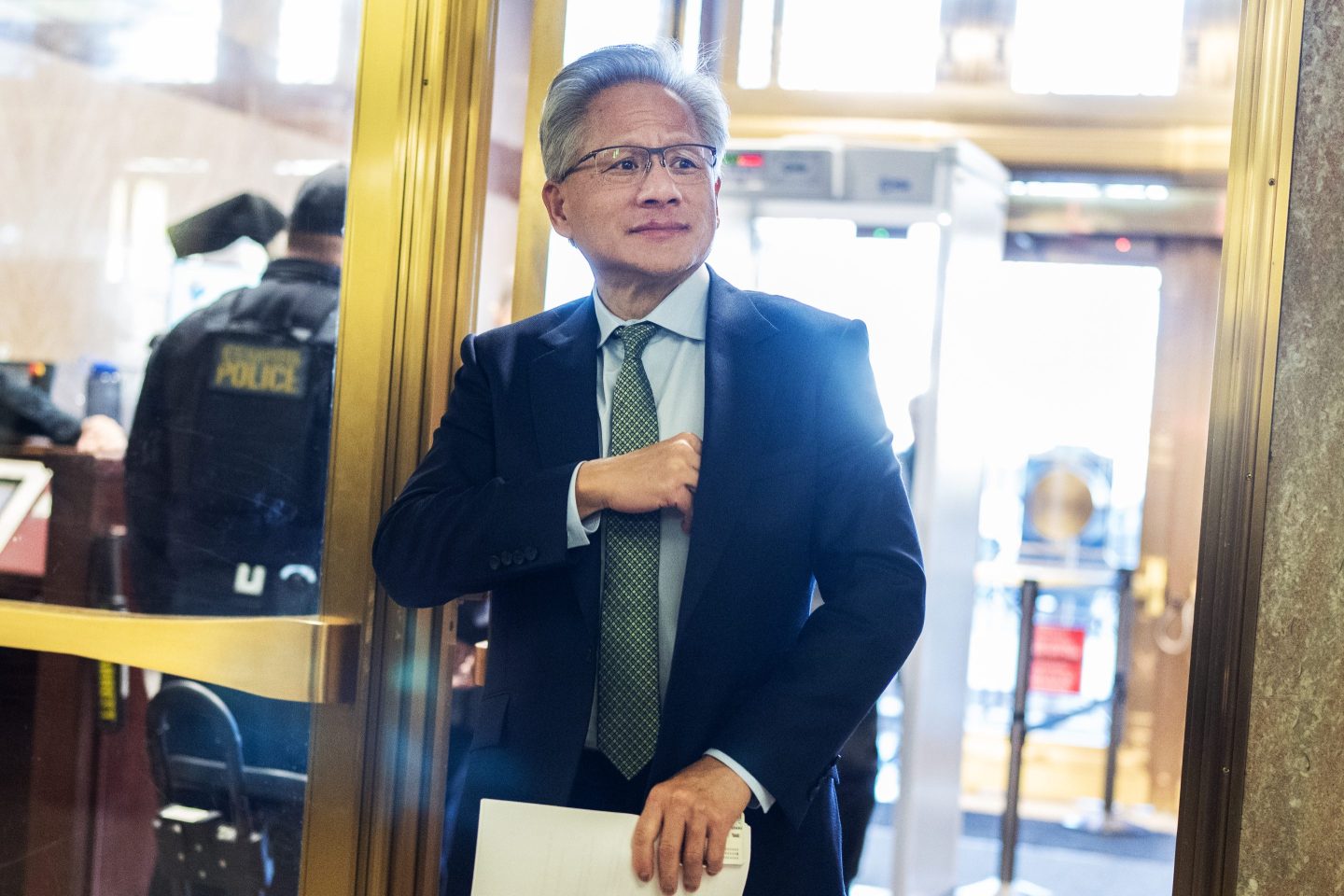
Microsoft and Nvidia were more of a toss-up for second among the leaders I polled. A Fortune 100 leader pointed out that Microsoft has “deep relationships in the enterprise and something tangible to offer in AI,” while an enterprise-tech leader pointed to its struggles with Copilot. As for Nvidia: “I’d rather be in Jensen’s seat than anywhere else,” said one AI founder.
The company that prompted most debate: Amazon. Some ranked it top as a growth bet for next year, saying it’s gaining on AI rivals; others said last, arguing it’s “not attracting top talent.” Several were lukewarm for reasons ranging from recession fears to the Netflix-Warner Bros. deal. Meta also got a mixed prognosis, with one entrepreneur telling me “you can’t win with low morale.”
Apple and Tesla attracted the most pessimism. Several leaders pointed to the departure of key leaders at Apple, along with its mature product line and lack of visible leadership in AI. And the word cloud around Tesla included “China,” “distracted,” “policy risk,” “consumers,” and “Elon Musk.” Said one dinner attendee: “Go test drive a BYD.”
Contact CEO Daily via Diane Brady at diane.brady@fortune.com
Top news
The Fed's jobs data fears
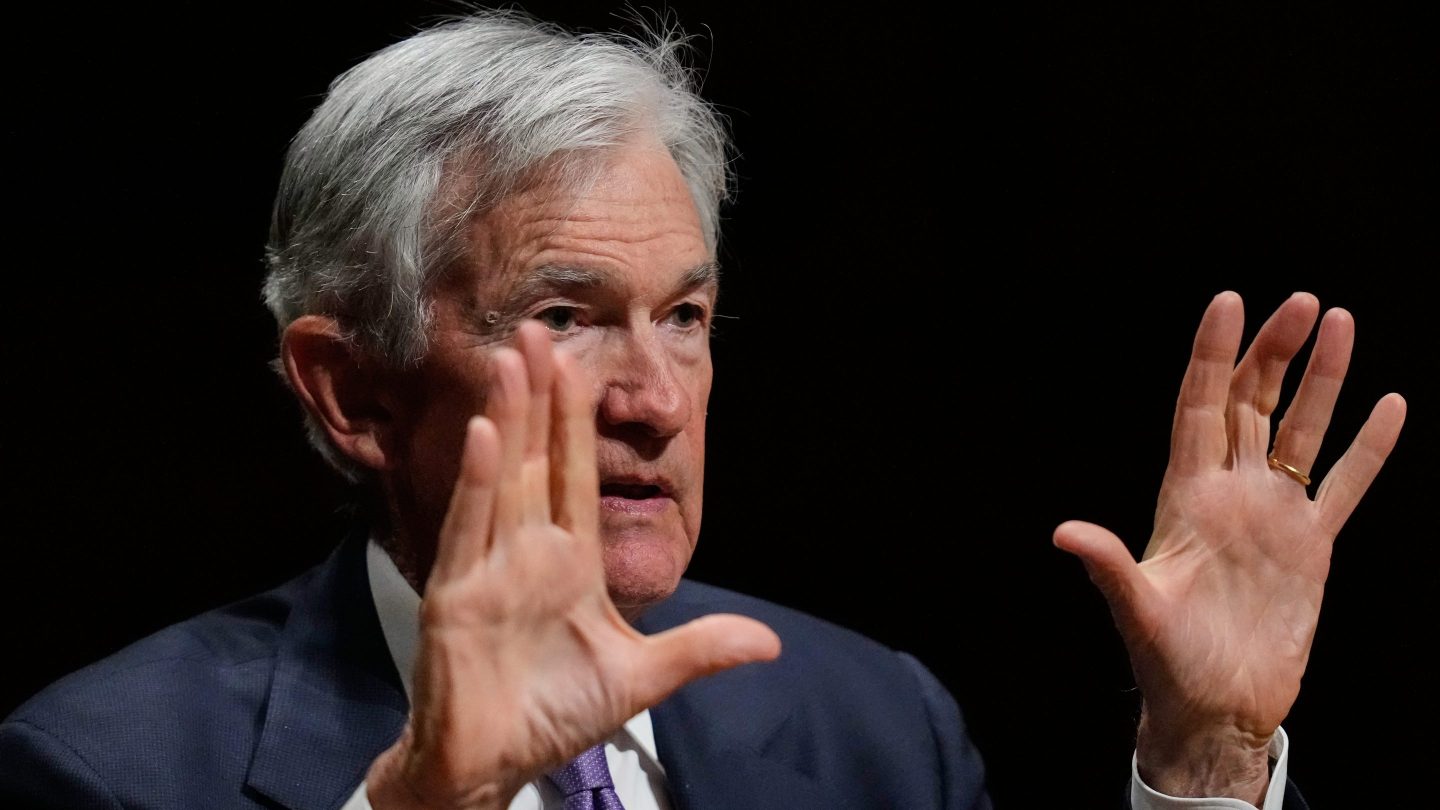
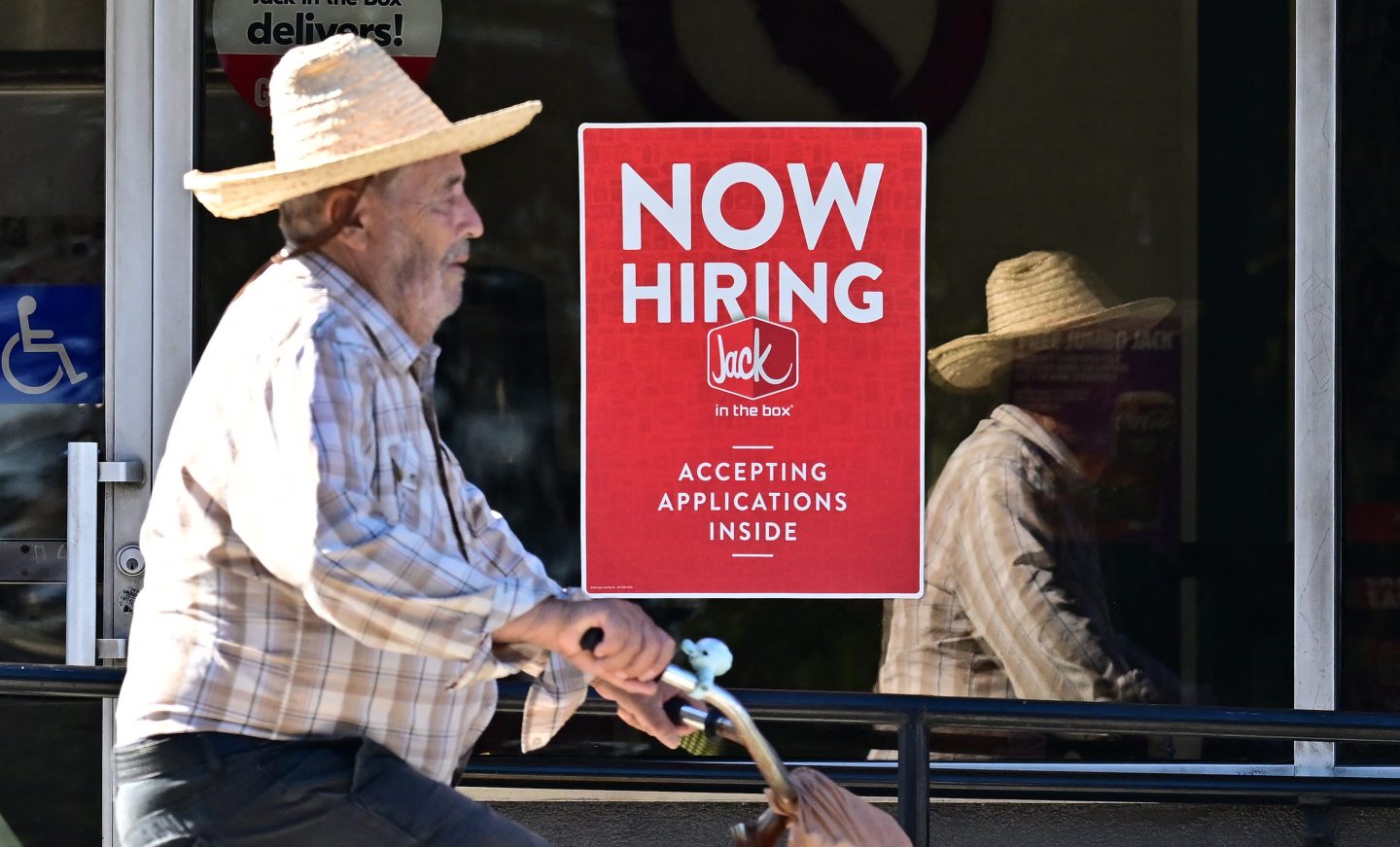
As expected, the Federal Reserve cut interest rates by 25 basis points on Wednesday, despite the biggest revolt among policy makers since 2019. In explaining the cut, Chair Jerome Powell suggested that federal jobs data could be inaccurate. Rather than adding 40,000 jobs a month since April, the U.S. could be losing 20,000 jobs a month. The Bureau of Labor Statistics’ so-called birth-death statistical model has a tendency to juice job numbers; the agency is revamping it in February, which may produce more accurate figures.
What Powell should focus on
Meanwhile, Fed Chair Jerome Powell “risks the Fed’s inflation-fighting credibility” if he continues to primarily blame weak demand for the slowdown in hiring rather than AI,” according to a new analysis shared with Fortune by KPMG Chief Economist Diane Swonk. Cutting rates won’t help declining labor rates if AI and immigration are the true culprits, Swonk argues.
Oracle’s reality check
The Fed decision had boosted markets Wednesday, but Oracle’s disappointing earnings served as a reality check, reigniting concerns about AI overspending. The cloud giant said its capital spending will hit $50 billion next year, up $15 billion from previous estimates, but it missed analysts’ targets for cloud sales and infrastructure business revenue.
DeepMind x U.K.
Google DeepMind, an AI lab, is partnering with the U.K. government to achieve breakthroughs in materials science and clean energy, including nuclear fusion, and to study the societal impacts of AI and ways to make AI decision-making more interpretable and safer. DeepMind will open its first automated research center in the U.K. in 2026 as part of the collaboration.
Circle CEO praises Trump for embracing crypto
In this week’s episode of Leadership Next, Circle CEO Jeremy Allaire credits the Trump administration with creating an “innovation-forward, technology-forward, entrepreneur-forward environment.” Allaire, once a kid who traded baseball cards, went from being a lone wolf in Washington to having one of the most influential IPOs of the year.
Disney nominates former Apple COO to board
Disney nominated Jeff Williams, the former Apple COO who retired last month after 27 years with the company, to its board of directors. In a press release, Disney praised Williams’ “leadership and unique experience at the intersection of technology, global operations, and product design.” Williams will stand for election at Disney’s 2026 annual shareholders meeting.
The markets
S&P 500 futures were down 0.57% this morning. The last session closed up 0.67%. STOXX Europe 600 was up 0.11% in early trading. The U.K.’s FTSE 100 was up 0.06% in early trading. Japan’s Nikkei 225 was down 0.9%. China’s CSI 300 was down 0.86%. The South Korea KOSPI was down 0.59%. India’s NIFTY 50 is up 0.55%. Bitcoin is down at $90K.
Around the watercooler
Walmart’s retiring CEO Doug McMillon spent 40 years climbing the ranks—he reveals the one thing he’s most looking forward to is a ‘blank calendar’ by Emma Burleigh
MacKenzie Scott’s $7 billion year: Philanthropist credits dentist and college roommate as inspirations for monumental giving by Sydney Lake
CEO Daily is compiled and edited by Joey Abrams, Claire Zillman and Lee Clifford.