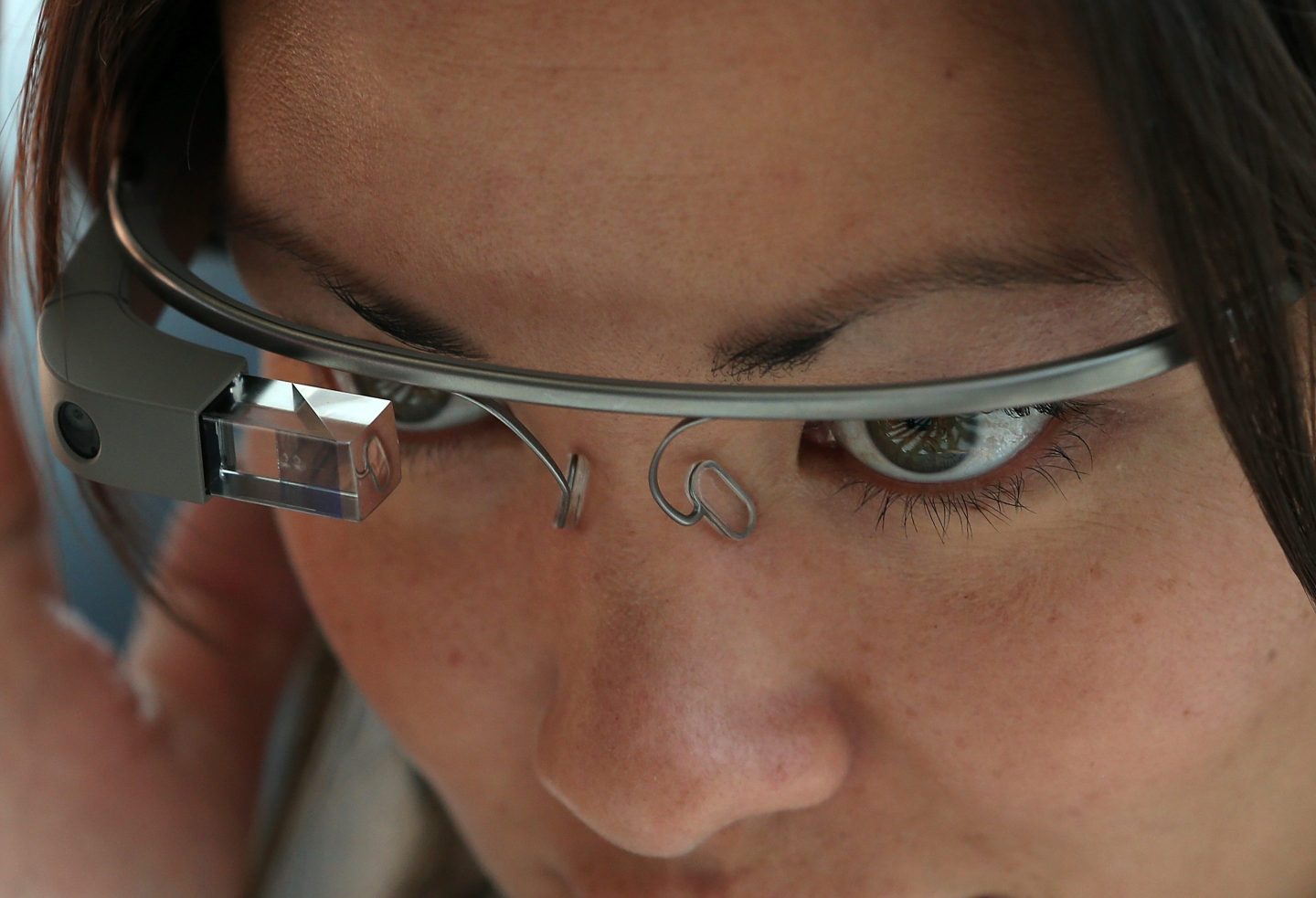
Roughly a dozen years after the polarizing debut of Google Glass, the search giant is officially getting back into the smart glasses game—but this time, the focus isn’t on putting a smartphone on your face. It’s now all about Gemini, its powerful AI model users and developers have been raving about since the most recent update, and making that assistant the center of your experience as you go about your daily life.
During “The Android Show: XR Edition” event on Monday, Google confirmed its first wave of AI-powered eyewear, developed in partnership with fashion-forward brands Gentle Monster and Warby Parker, is slated for release in 2026. The move pits Google directly against its Silicon Valley rivals, Meta and Apple, in the race to win your face.
Google outlined two different approaches to the smart glasses form factor. The first pair will be “screen-free assistance” glasses: Lightweight frames that ditch heads-up displays in favor of built-in speakers, microphones, and cameras. According to Google, these will “let you use your camera and microphone to ask Gemini questions about your surroundings” and “remember what’s important.” Basically, they’re glasses you can talk to, and that talk back, but don’t do anything fancy with the displays.
For users who want visual feedback without the bulk of an Apple Vision Pro–style headset, Google is also preparing “display AI glasses.” These will feature an in-lens display capable of augmenting reality to allow users to see digital elements in the real world. In the company’s words, this model “privately shows you helpful information, right when you need it, like turn-by-turn navigation or translation captions.”
“For AI and XR [extended reality] to be truly helpful, the hardware needs to fit seamlessly into your life and match your personal style,” Google said in a blog post. “We want to give you the freedom to choose the right balance of weight, style, and immersion for your needs.”
Beyond the glasses, Google announced updates for the broader Android XR ecosystem, specifically for Samsung’s Vision Pro competitor, the Galaxy XR headset, released last month. A new “PC Connect” feature rolling out in beta lets users link their headset to a Windows computer, allowing them to “pull in your desktop or a window from your computer and place it side-by-side with native apps.” This is also something Apple’s Vision Pro can do, and it’s easily one of the headset’s best features.
Google’s new update also targets business travelers with a “travel mode” that stabilizes the visual experience during flights, and a feature called “Likeness,” which generates a “realistic digital representation of your face that mirrors your facial expressions and hand gestures in real-time” for video calls. Again, these are features that shipped with the first Vision Pro, but are wonderful quality-of-life features.
Finally, Google teased “Project Aura,” a set of wired XR glasses the company built with smart-glasses startup XREAL. With a 70-degree field of view, these tethered glasses are designed for “practical everyday uses” like “following a floating recipe video while you cook or seeing step-by-step visual guides anchored to an appliance you are fixing.” Once finished, this high-end headset looks like it might be the closest Android-based equivalent to an Apple Vision Pro.
You can learn more about Google’s smart glasses ambitions below: