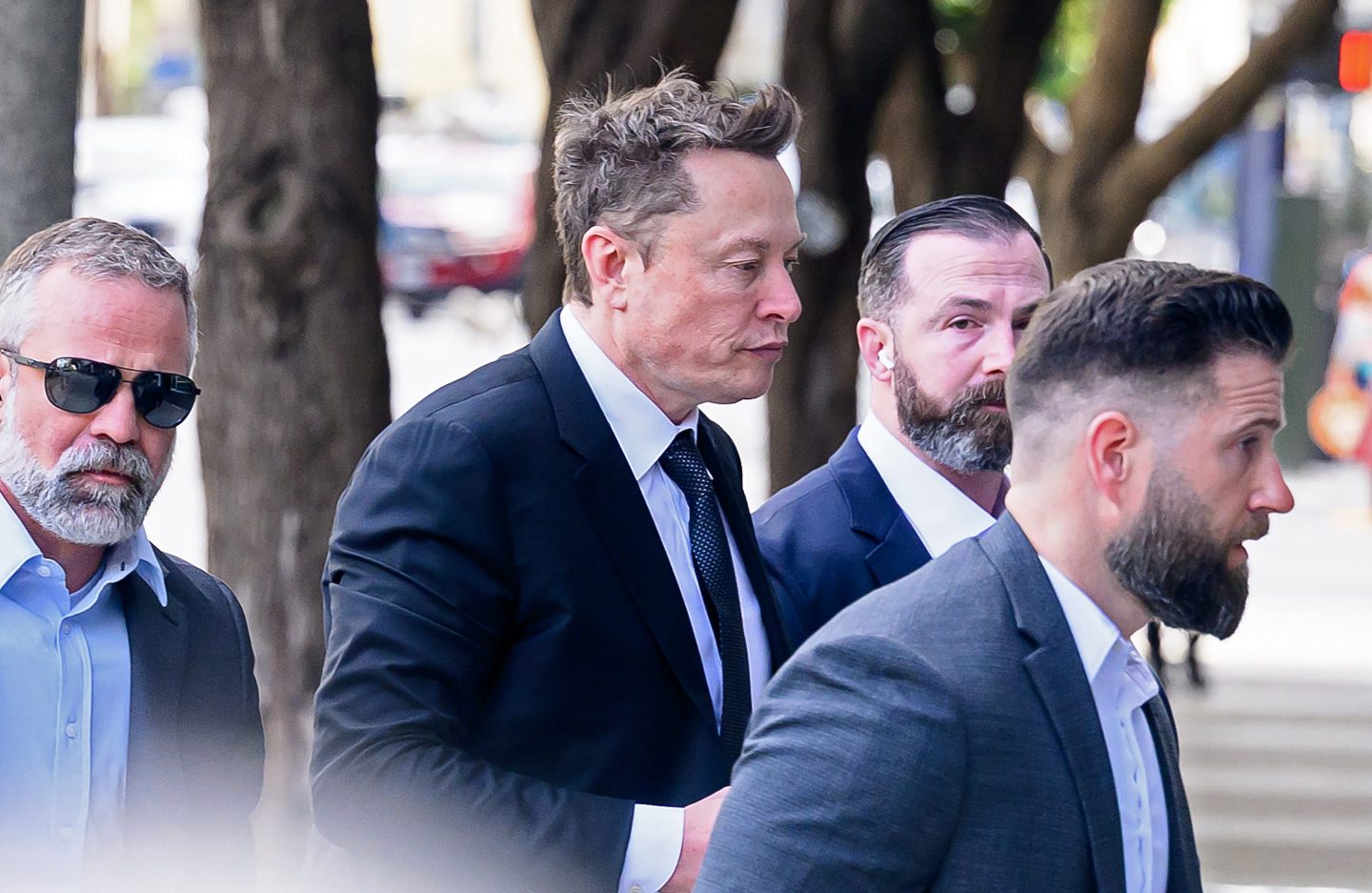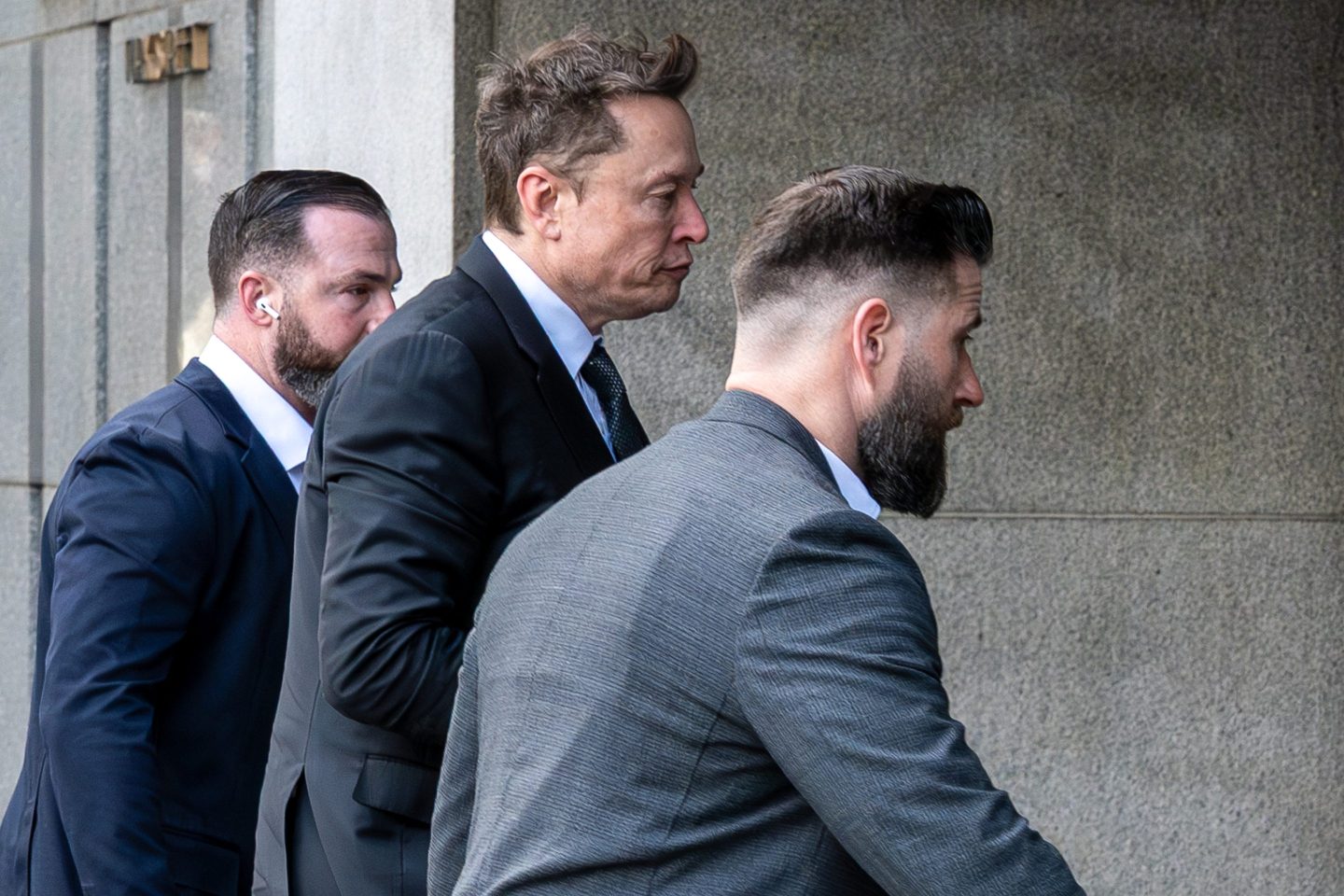
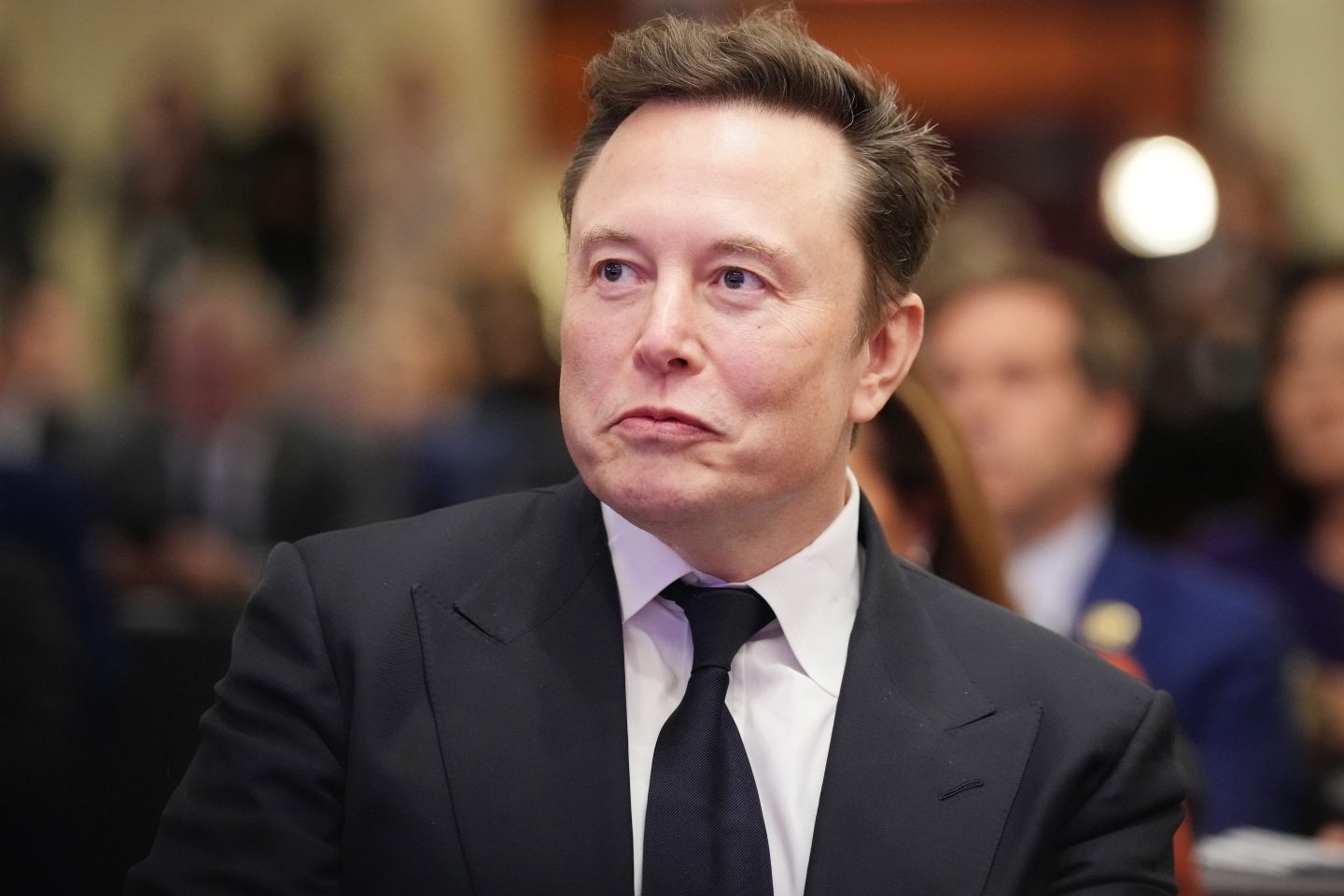
Elon Musk is the world’s richest man—yet he’s typically pretty hush-hush about how he gives his money away. The Tesla CEO is worth a tremendous $450 billion, but in the past few years has only publicly donated a few billion dollars here and there. That pales in comparison to other billionaire donors like MacKenzie Scott, who’s donated nearly $20 billion just in the past five years.
Musk says it’s because philanthropy is difficult.
“I agree with love of humanity, and I think we should try to do things that help our fellow human beings,” he told Nikhil Kamath for the WTF podcast in an episode published Sunday. “But it’s very hard.”
Musk, who is on the path to become a trillionaire thanks to the approval of an historic pay package, says it’s “very difficult to give away money well.”
“The biggest challenge I find with my foundation is trying to give money away in a way that is truly beneficial to people,” he added. “It’s very easy to give money away to get the appearance of goodness. It is very difficult to give money away for the reality of goodness. Very difficult.”
Although he claimed “I don’t want my name on anything,” his namesake Musk Foundation was established in 2002. It largely supports many of Musk’s own personal interests, like renewable energy, human space exploration, pediatric research, and science and engineering education.
A 2024 investigation by the New York Times called Musk’s philanthropy “haphazard and largely self-serving,” making him eligible for tax breaks and helping his own businesses, like SpaceX.
The Times gave the example of a $20 million donation to Cameron County schools in Texas after a SpaceX ship had blown up there, as well as $10 million to the city of Brownsville for downtown revitalization. Between 2020 and 2024, Musk seeded the charity with tax-deductible stock donations worth more than $7 billion at the time, according to the report.
Representatives for Musk didn’t immediately respond to Fortune’s request for comment.
How Elon Musk’s giving style compares to other billionaires
Arguably the biggest name in philanthropy this year has been MacKenzie Scott, the billionaire novelist and ex-wife of Amazon founder Jeff Bezos. Scott, who’s worth about $34 billion, has donated more than $19.25 billion since 2020—although her net worth continues to grow thanks to the power of Amazon shares she received upon her divorce.
Scott has made several record-breaking donations this fall to HBCUs, disaster recovery organizations, and other education-related causes. Her philanthropic style is unique in that she typically makes unrestricted gifts, meaning recipients can use the funding however they choose without any strings attached.
Warren Buffett, the billionaire investor who is retiring as Berkshire Hathaway CEO at the end of this year, announced he made the choice to leave his three kids $500 million a year to give away to continue his legacy of giving. In total, Buffett’s giving has reached more than $60 billion, much of which has gone to the Gates Foundation, run by Microsoft founder Bill Gates and his ex-wife Melinda French Gates. Buffett had also previously signed the Giving Pledge to give away the majority of his fortune—a promise many have made but few have followed through on.
“Early on, I contemplated various grand philanthropic plans. Though I was stubborn, these did not prove feasible,” he wrote in a letter to shareholders released last month. “During my many years, I’ve also watched ill-conceived wealth transfers by political hacks, dynastic choices, and, yes, inept or quirky philanthropists.”
The Gates Foundation also told Fortune first this summer it would shut down in 2045, and Bill Gates would give away “virtually all my wealth” to the foundation, which amounts to about $100 billion. Today, he is worth about $119 billion. Once the richest man in the world, Gates’ net worth took a $52 billion hit this summer after his donation announcement.
“People will say a lot of things about me when I die, but I am determined that ‘he died rich’ will not be one of them,” he wrote in a May 8 note. “There are too many urgent problems to solve for me to hold on to resources that could be used to help people.”