When Google became the dominant search engine around 2004, not everyone was happy. Everyone from book publishers to record labels blasted the company for helping itself to copyrighted content without paying. The search giant eventually smoothed things over, but now, 21 years later, Google has become the media industry’s villain all over again—this time for gobbling that same content to train its AI tools.
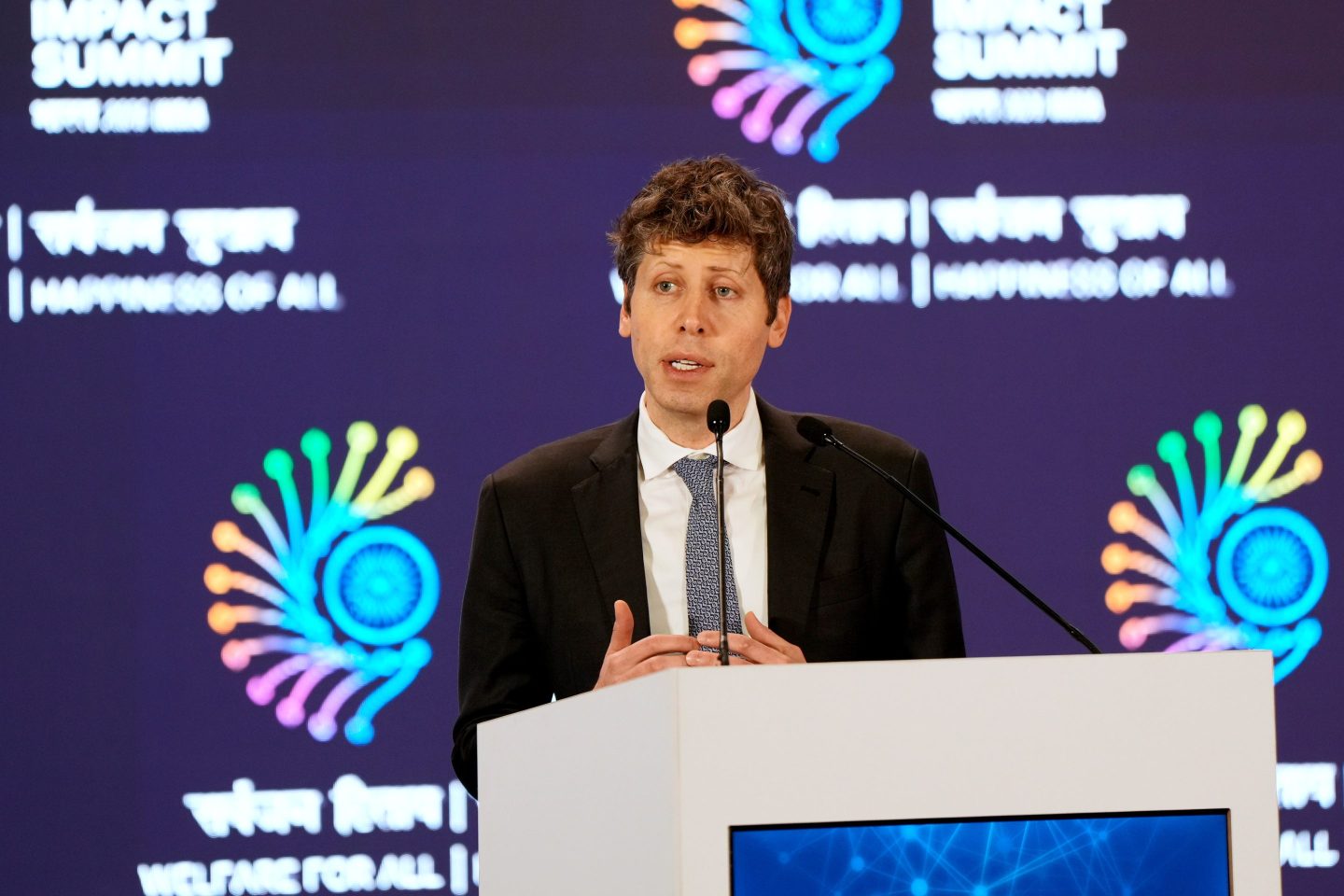
Speaking at the Fortune Brainstorm Tech conference on Wednesday, People Inc. CEO Neil Vogel—whose firm’s titles include People and Food & Wine—said other big AI firms are paying publishers to use their content, but that Google has so far refused.
“Some AI shops are good actors. OpenAI is a good guy,” said Vogel. “The worst guy is Google.”
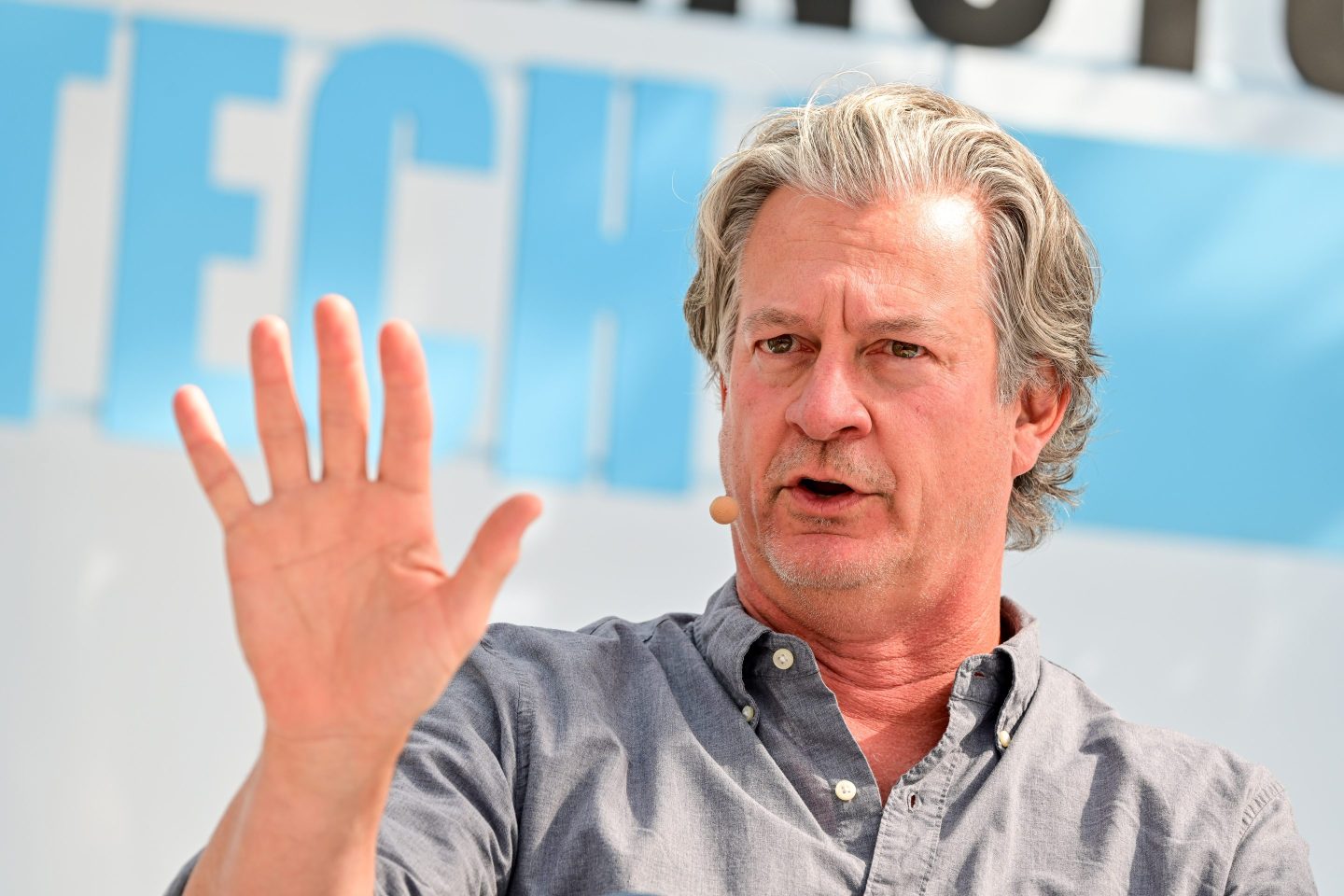
Vogel made his comments during an onstage panel discussion about the future of digital media in the new AI-driven internet. The comments come as media and news publishers are squaring off with AI companies at the deal table and in the courtroom. The New York Times has sued OpenAI, alleging that it trained its chatbots on its content without permission or payment. OpenAI has called the suit baseless.
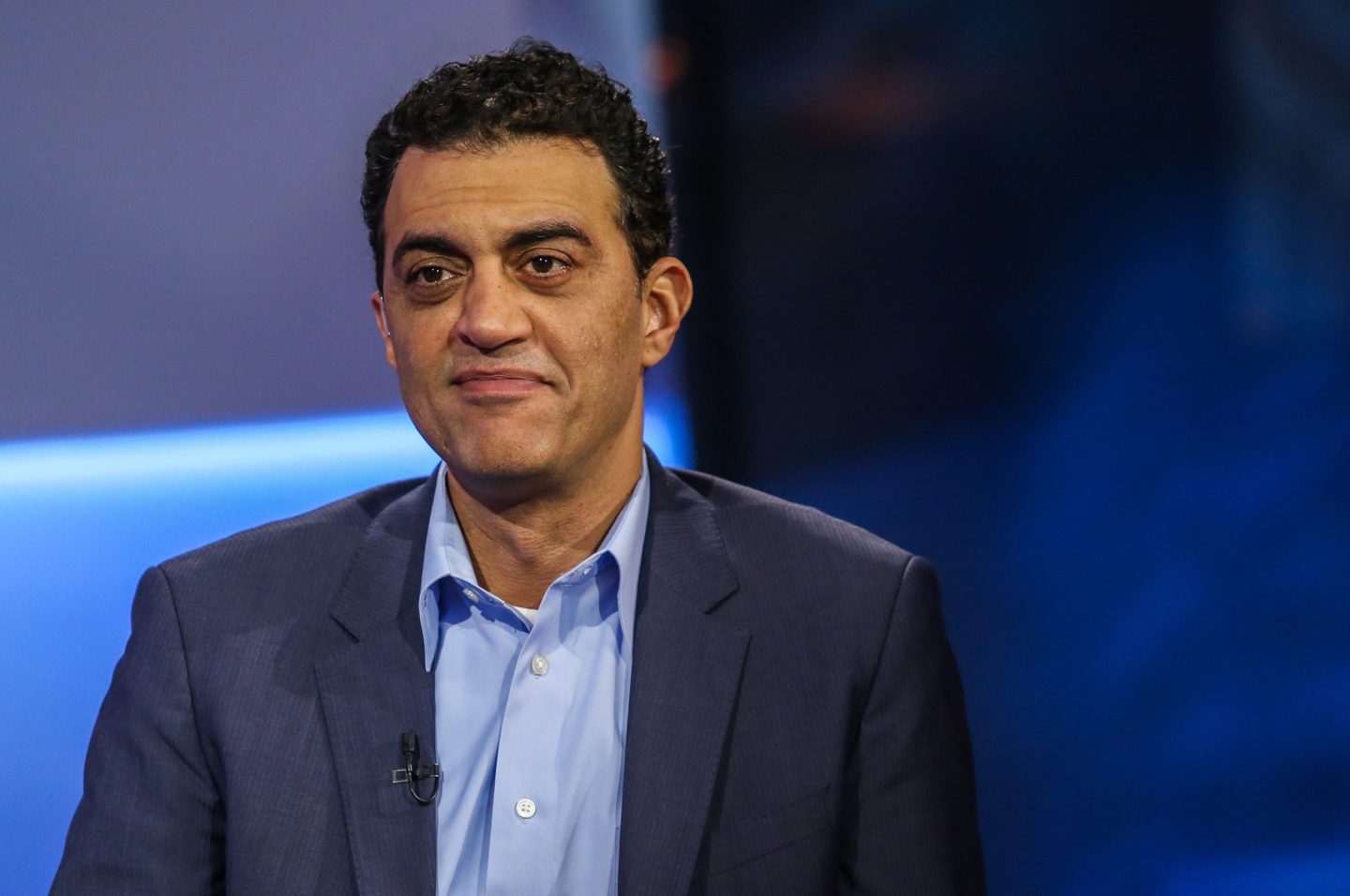
Cloudflare CEO Matthew Prince, who was also on Wednesday’s Brainstorm panel, said it has become far harder for websites to attract traffic at a time when AI firms serve as “answer engines” that provide what people are looking for in quick snippets.
Prince observed that, in the past, Google served as a “great patron” to the internet by ingesting the content of web pages in order to display links to those pages in response to people’s search queries. This arrangement directed traffic to companies’ websites, offering them a chance to make money from the visitors.
Today, that traffic is falling dramatically since AI-generated answers often provide all the information users need. Google is among those supplying AI answers based on information it has crawled from companies’ websites, but, unlike its traditional search results, Google’s AI answers don’t deliver the same traffic to websites—leading the likes of Vogel to fret that publishers have already traded analog dollars for digital dimes, and are now trading those dimes for AI pennies.
In the case of other big AI companies, publishers have obtained some leverage by working with firms like Cloudflare to cut off the so-called crawlers that read and ingest their content. In the case of Google, though, that hasn’t proved a viable option since the company’s crawler for AI is the same as it uses for showing search results. A publisher intent on preventing Google’s AI machine from crawling its content would have to sacrifice its discoverability in search, too.
Vogel noted that, while Google searches are bringing less traffic to People Inc. websites than in the past, they still account for between 25% to 30% of visits, making it financially unviable to cut off the company’s crawlers. He added that some AI firms have already agreed to pay content creators—including Anthropic, which this month reached a $1.5 billion settlement with book publishers—and that others are actively working on similar arrangements. The exception is Google, which Vogel dubbed a “bad actor.”
Google declined to comment on Vogel’s remarks.
The YouTube model as a possible solution
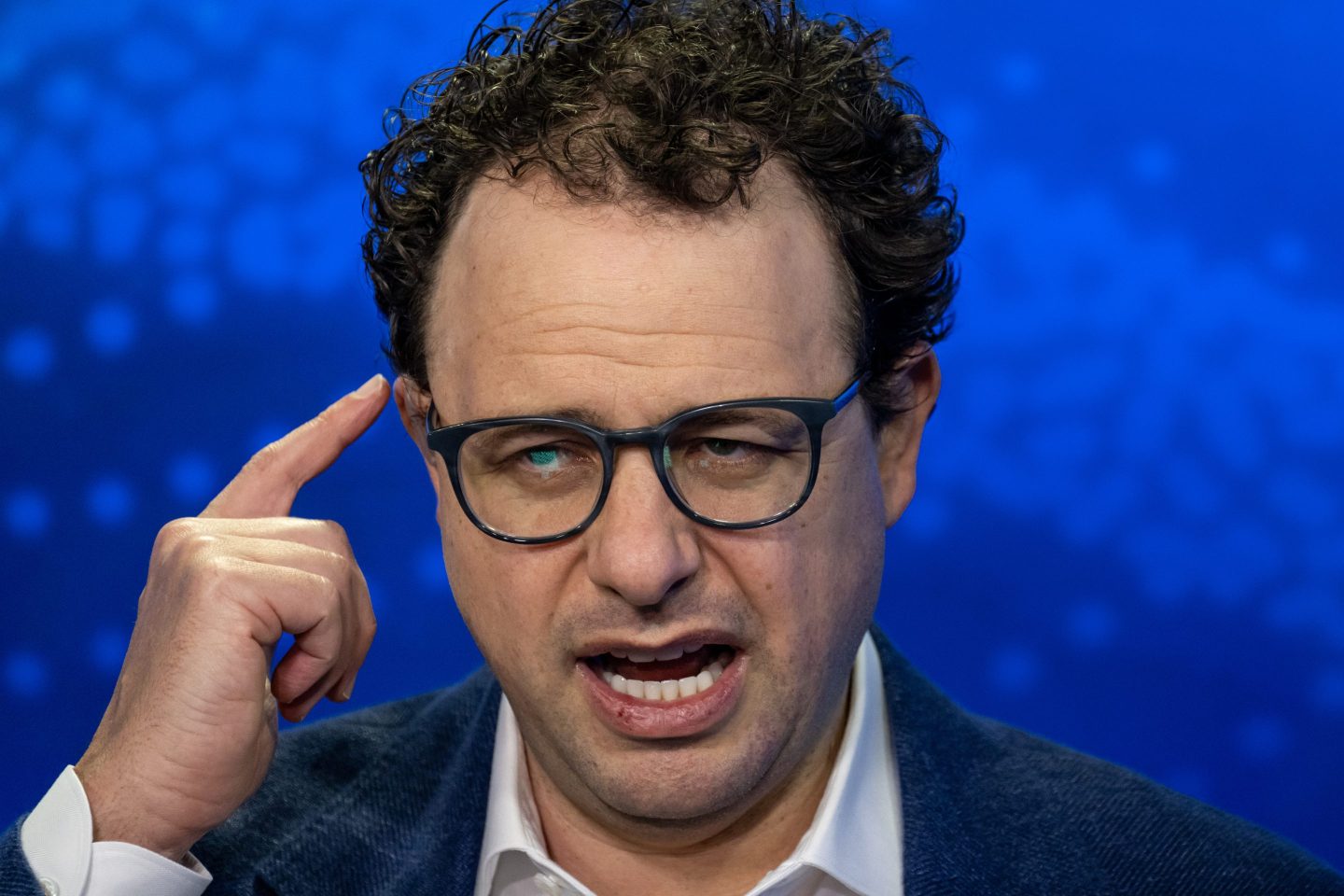
The current controversy over Google and other big AI companies’ use of others’ content has strong echoes of the early internet era. That era—and Google—may also offer a solution. Bill Gross, an influential early internet figure credited with pioneering the paid search advertising business model and who is now founder and CEO of ProRata.ai, points to what happened with YouTube, which Google acquired in 2006.

In its early days, YouTube outraged content creators like musicians and movie studios by letting users blatantly pirate their content. This triggered a series of lawsuits, but, in time, YouTube came up with a compromise: It would give creators the option to monetize their content through advertising. That solution has proved workable and mutually beneficial for more than a decade—Google says it has paid more than $12 billion in shared ad revenue to rights holders as of December 2024—and Gross says it can work equally well for the AI era.
“The right way to solve this is not with lawsuits but with royalties,” said Gross, whose firm offers AI-related monetization options. “It opens up incentives for lots of new content to be created.”
Prince sounded even more bullish, predicting a “golden age” where AI companies would provide annual payments to those who produced unique and valuable content. He cited recent deals in which OpenAI agreed to pay the New York Times, Reddit, and others.
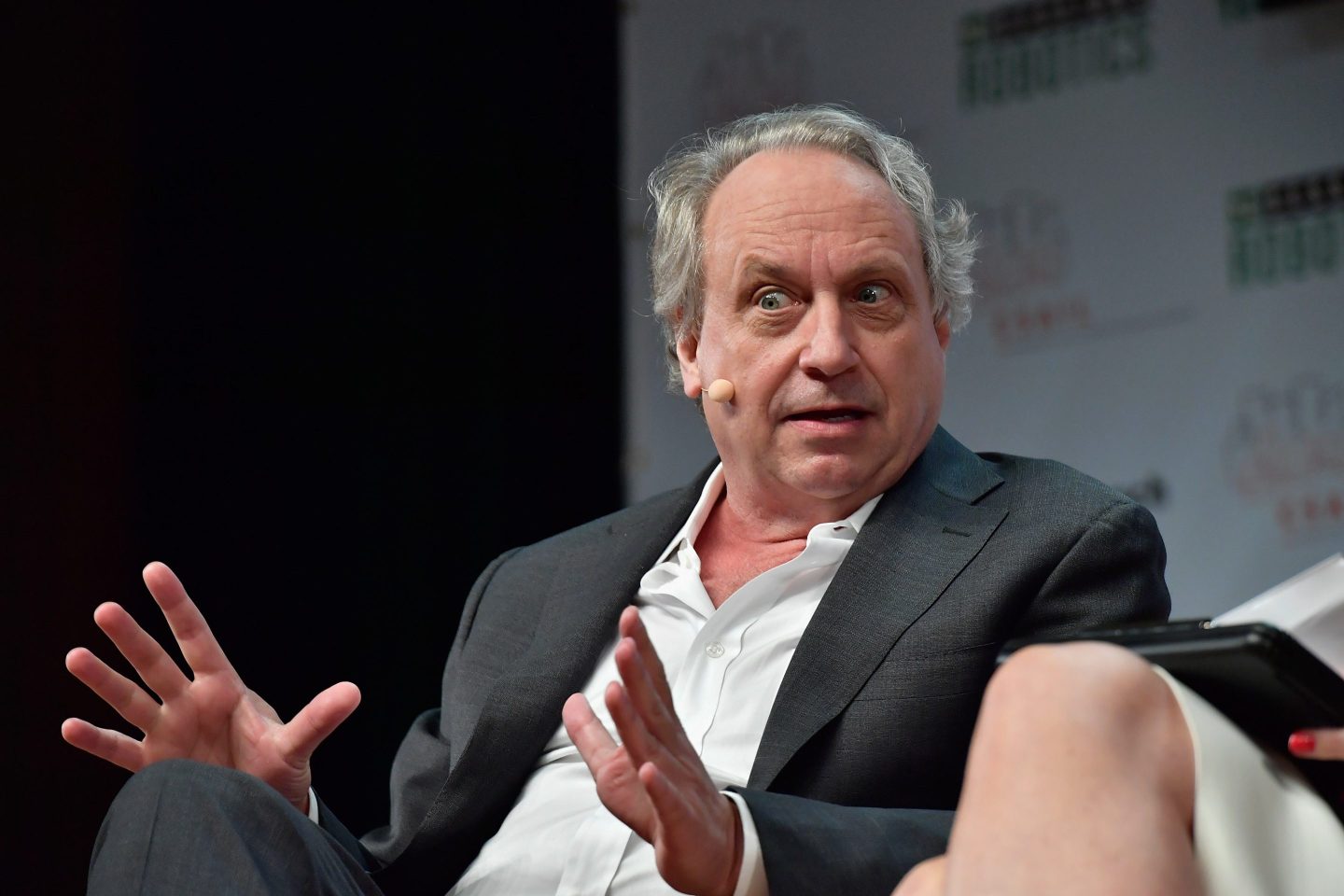
Not everyone, however, is optimistic that the AI era will be an improvement. Janice Min, CEO of Ankler Media, says that the past two decades show that big tech platforms like Google and Facebook may temporarily create arrangements that benefit publishers—but that they will abruptly yank them away as soon as they get what they need.
“I don’t see any benefit to partnerships with AI,” said Min. “I see the tech story happening over and over again. They come in and offer you money, and it’s hard to say no to shiny things.”
Min says Ankler has blocked all AI crawlers and is sticking with its strategy of building a media business around paid newsletters and Substack content instead.