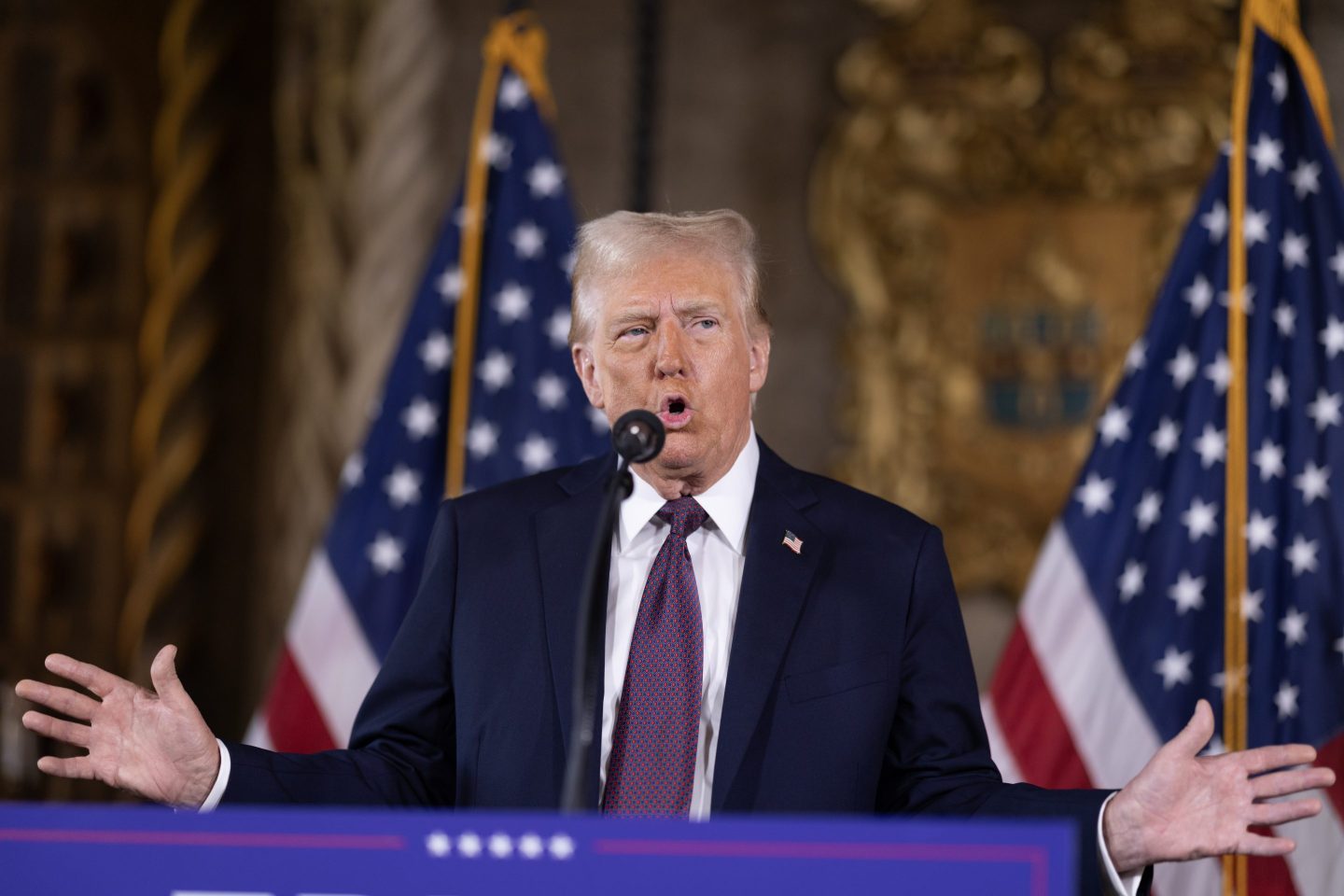
Explanations abound for the recent bond sell-off that spooked markets and signaled higher mortgage and loan costs. The most popular one is a recent blowout jobs report coupled with trepidation over Wednesday’s important inflation update that the Fed will have watched keenly. Other potential reasons for spiking bond yields are unusually high deficit levels and a natural adjustment following years of near-zero interest rates. But there is also a wildcard in the mix: The ongoing uncertainty about how exactly president-elect Donald Trump will follow up on his pledges about tariffs, tax cuts, and immigration.
Some fear those pledges could translate to a collapse in revenue for the U.S. government. One non-partisan group, the Committee for a Responsible Budget, estimated in October that Trump’s fiscal plans could increase the federal debt by $7.75 trillion. If this sort of budget hole is indeed on the horizon, bond yields could be an early warning sign.
Marko Papic, a senior vice president and chief strategist at BCA Research, believes yields could keep rising if Trump starts his term by swinging big on fiscal policy and takes a hard line on taxing imports as a negotiating tool. He calls the president-elect “the human steepener,” a reference to the tail end of the famous yield curve, but he also believes Trump will react if bond markets riot.
Papic, who wrote “Geopolitical Alpha: An Investment Framework for Predicting the Future,” one of Bloomberg’s best books of 2020, insists he doesn’t mean the term as an insult. Yields also rose after Trump’s first presidential election win in 2016, he noted, but the 10-year had spent much of that year below 2%.
“That’s where the macro context is much different from 2017,” Papic told Fortune. “In 2017, the bond market was begging for economic populism, in fact. You could argue that the bond market was signaling to policy makers, ‘hey, austerity [has] gone too far.’”
Will Trump seek to calm the bond market?
Trump will face very different economic conditions than the first time he was elected and, according to Papic, the fixed-income markets will force Trump to deliver scaled down versions of his campaign promises.
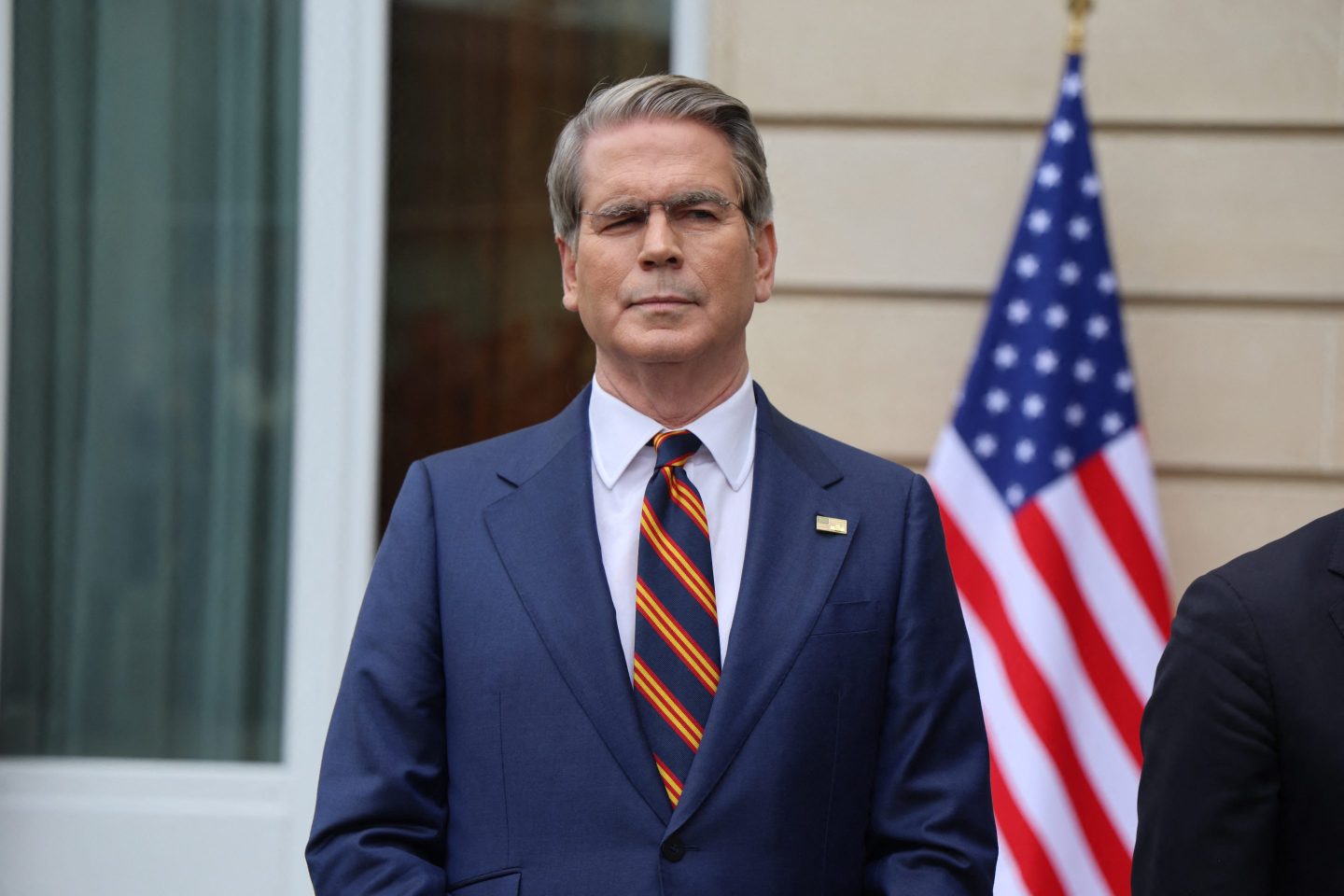
Meanwhile, Trump’s choice of Wall Street veteran and fiscal hawk Scott Bessent to be Treasury secretary suggests the incoming President will be a pragmatist on economic matters, and that his tariff proposals—including a 60% tax on all products from China and a 25% surcharge on all Mexican and Canadian imports—are likely just a negotiating tactic. Eventually, Papic even expects Trump to pivot from prioritizing growth toward championing more traditional fiscal conservatism (a view, he admits, that is far from consensus).
“I think President Trump knows that borrowing rates need to come down,” he said.
The Trump transition team did not respond to a request for comment.
For now, however, Papic expects Trump will keep fixed-income investors wary by clamoring for things like the elimination of taxes on social security benefits. As Bill Adams, chief economist at Comerica Bank, wrote in a note on Monday, the Federal Open Market Committee’s December minutes revealed that the Fed’s decision makers all believed upside risk to inflation had increased as they eyed “the likely effects of potential changes in trade and immigration policy.”
Jay Hatfield, the CEO of Infrastructure Capital Advisors, doesn’t share those concerns, and he disagrees with the notion that anything besides expectations of a hawkish Fed in 2025 has driven bond prices up. Political bias has caused the market’s worries about topics like tariffs and mass deportations to become overblown, he said, while investors ignore how a strong U.S. dollar helps serve as a bulwark against rising prices.
“Everybody’s obsessed about tariffs, but nobody cares about the dollar,” he said. “It should be the opposite.”
The heart of his bull case on bonds, he noted, is a belief that the market’s pessimism about inflation is misplaced.