• Home
  • Latest
  • Fortune 500
  • Finance
  • Tech
  • Leadership
  • Lifestyle
  • Rankings
  • Multimedia
LeadershipAsk Andy

Ask Andy: How much should startup founders pay themselves?

By
Andy Dunn
Andy Dunn
Down Arrow Button Icon
By
Andy Dunn
Andy Dunn
Down Arrow Button Icon
June 27, 2024, 6:30 AM ET
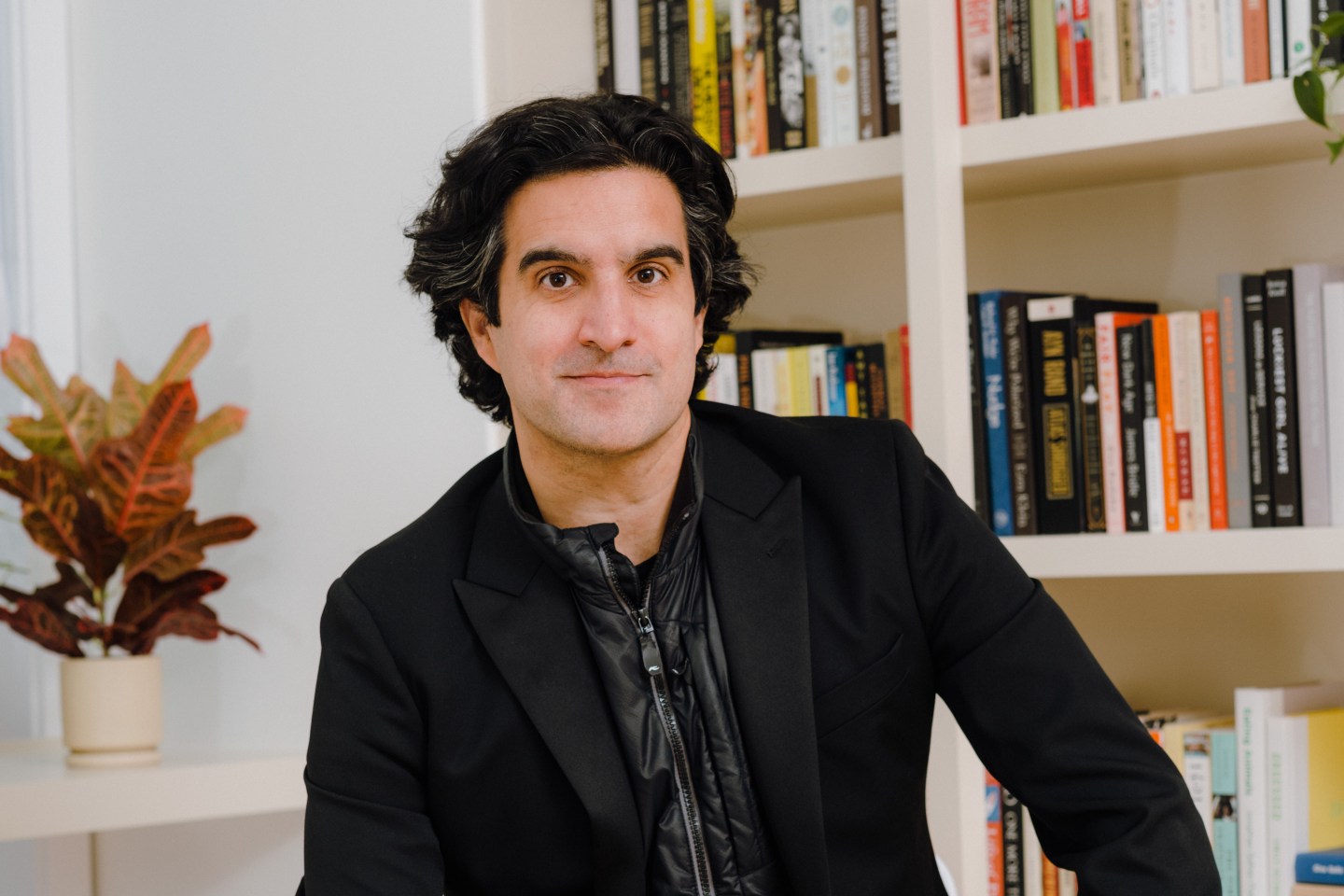
Andy Dunn, American entrepreneur and the co-founder of Bonobos Inc
Andy Dunn, entrepreneur, investor, and founding CEO of Bonobos and Pie.Lyndon French

In this biweekly column, Andy Dunn—the founding CEO of Bonobos and Pie—offers advice on leading teams, building things, and surviving the startup life. Got a question for Andy? Ask it here.

How much should you pay yourself as a founder, and how should your pay scale with the company? —A.L.

Here I have some inside information. I’ve seen a few compensation surveys over the years on founder and CEO comp, based on a startup’s stage, with some pretty big datasets. 

Without pulling from one specifically, here’s my rough sense of where a founding CEO could consider being at each stage in terms of annual salary:

$60,000: Bootstrapping or friends-and-family round stage
$80,000: Pre-seed
$100,000: Seed
$140,000: Series A
$175,000: Series B
$200,000: Series C
$250,000: Series D and beyond
$300,000: Max

Whatever you do, make sure your compensation shows a balance of humility, fairness with the rest of your team—and the fact that as a founder, you have a big equity stake. 

In the early years, your comp might be below your cost of living; if so, use this financial stress as an additional motivator to get to Series A so that you can get paid a solid mid-six-figure salary. 

Make sure you’re also being honest with yourself about your cost of living. If that cost is higher than it technically needs to be, the company shouldn’t bear the cost of that choice.

At my new company, Pie, this is a big part of why we rebooted the team in Chicago. Everything costs less here compared to the Bay Area and New York City, and we’re aiming to win bigger because of it.

I am about to make the jump to start my own company. For those of us at the very beginning of our startup journey, do you think we should have an eventual acquirer in mind already? If not, then at what point in the journey should we start thinking about an ideal acquirer? —Anu

I’m of two minds on this.

There is one school of venture capital thought that says: If a founder has a slide in the deck on what companies they could exit to, then don’t back the company. If you’re thinking of the end at the beginning, the terminal value won’t be that great.

On the flip side: Couldn’t some level of pragmatism on who the buyers might be show the right collision of fantasy and reality, in the founder’s mind?

I know when I cofounded Bonobos, I wasn’t thinking about the eventual acquirer. If we had, we might not have started the company! Menswear apparel exits are rare. The universe of buyers is small. It’s in theory better to start a company in a market where there are $100 billion market-cap potential acquirers, rather than sub-$1 billion, cash-strapped acquirers that have their own issues. 

I remember thinking Gap or J. Crew might be logical buyers for Bonobos. Then, as we grew, I realized our success put us out of range for those companies. When we sold to Walmart, our relative valuation was 0.06% of Walmart. Had we sold to Gap, at the time, that would have been 5% dilution.

So in our case, it was good we weren’t thinking about it. Our angel investors made 16 times their money. Our Series A investors made six times their money. These were solid returns that might never have materialized if we had studied how rare–outside of athleisure and athletic—apparel exits are.

At Stanford B-school I was taught there are three reasons people start companies: making money, building a business, and changing the world. And the largest outcomes are generated by those who are motivated by all three.

On the other hand, a pure mission-driven founder is not always the most successful. The absence of a capitalist or commercial instinct can sometimes lead to downstream problems.

For private-equity-backed companies, everyone has an idea of who the acquirer will be. For venture-backed startups, I think it’s better if the founders aren’t thinking about it for at least a half-decade or more. It’s important to remember that for some of the very best startups, new markets are being created where it would be impossible to predict who would emerge as a buyer. In still other cases, the eventual acquirers are startups of the same cohort.

And the best case of all? An IPO! In which case, who cares who would buy it.

Get the latest on venture capital and private equity deals and dealmakers by subscribing to the Term Sheet newsletter, delivered every weekday. Sign up here.


About the Author
By Andy Dunn
LinkedIn icon
See full bioRight Arrow Button Icon

Latest in Leadership

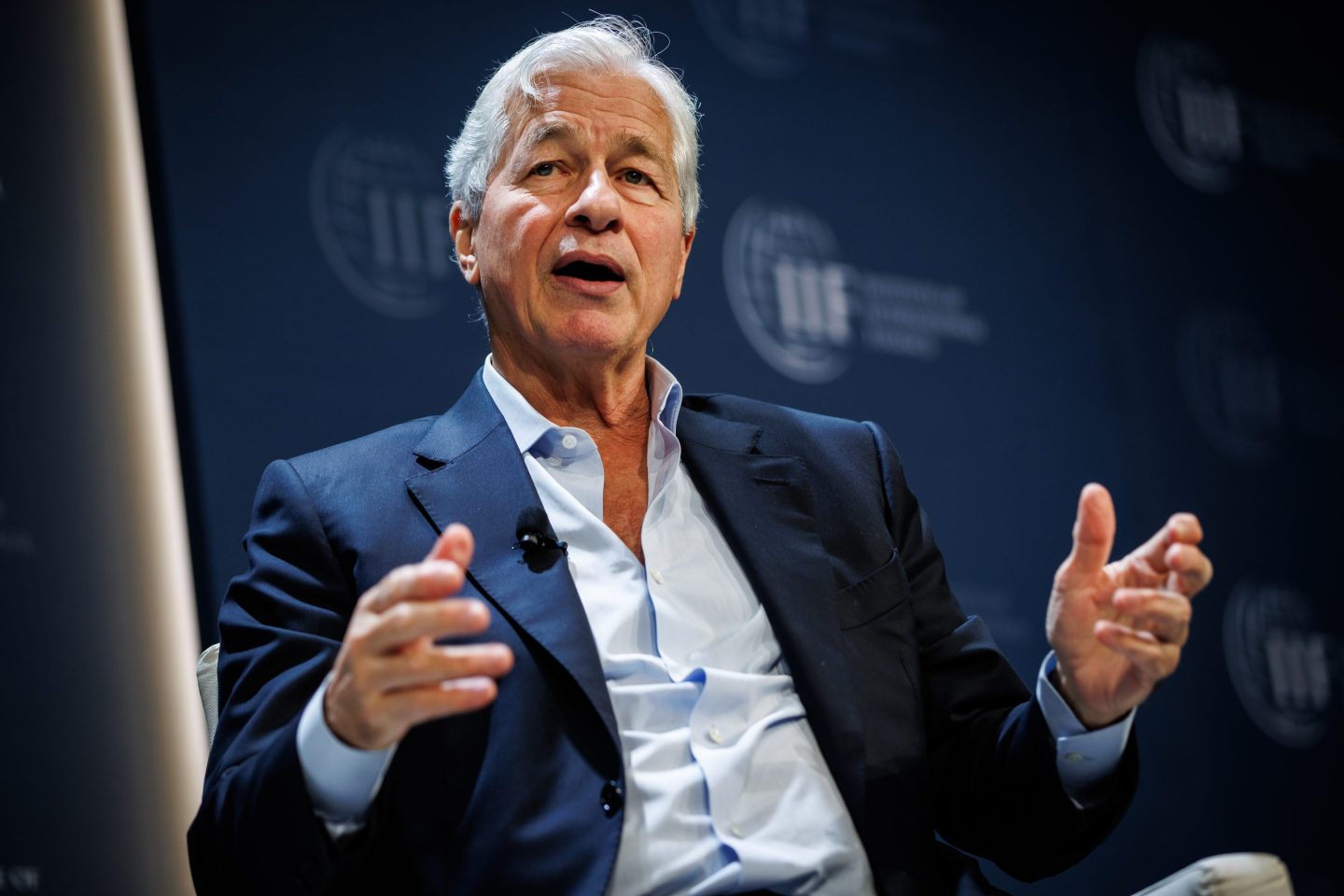
JPMorganChase CEO Jamie Dimon says AI will eliminate jobs—and that soft skills will be more important than ever.
Future of WorkTech
Jamie Dimon says soft skills like emotional intelligence and communication are vital as AI eliminates roles
By Nino PaoliDecember 14, 2025
58 minutes ago
Nicholas Thompson
C-SuiteBook Excerpt
I took over one of the most prestigious media firms while training for an ultramarathon. Here’s what I learned becoming CEO of The Atlantic
By Nicholas ThompsonDecember 13, 2025
22 hours ago
Lauren Antonoff
SuccessCareers
Once a college dropout, this CEO went back to school at 52—but she still says the Gen Zers who will succeed are those who ‘forge their own path’
By Preston ForeDecember 13, 2025
23 hours ago
Asiathe future of work
The CEO of one of Asia’s largest co-working space providers says his business has more in common with hotels
By Angelica AngDecember 12, 2025
1 day ago
Donald Trump
HealthHealth Insurance
‘Tragedy in the making’: Top healthcare exec on why insurance will spike to subsidize a tax cut to millionaires and billionaires
By Nick LichtenbergDecember 12, 2025
2 days ago
three men in suits, one gesturing
AIBrainstorm AI
The fastest athletes in the world can botch a baton pass if trust isn’t there—and the same is true of AI, Blackbaud exec says
By Amanda GerutDecember 12, 2025
2 days ago

Most Popular

placeholder alt text
Success
Apple cofounder Ronald Wayne sold his 10% stake for $800 in 1976—today it’d be worth up to $400 billion
By Preston ForeDecember 12, 2025
2 days ago
placeholder alt text
Economy
Tariffs are taxes and they were used to finance the federal government until the 1913 income tax. A top economist breaks it down
By Kent JonesDecember 12, 2025
2 days ago
placeholder alt text
Success
40% of Stanford undergrads receive disability accommodations—but it’s become a college-wide phenomenon as Gen Z try to succeed in the current climate
By Preston ForeDecember 12, 2025
2 days ago
placeholder alt text
Economy
The Fed just ‘Trump-proofed’ itself with a unanimous move to preempt a potential leadership shake-up
By Jason MaDecember 12, 2025
2 days ago
placeholder alt text
Success
Apple CEO Tim Cook out-earns the average American’s salary in just 7 hours—to put that into context, he could buy a new $439,000 home in just 2 days
By Emma BurleighDecember 12, 2025
2 days ago
placeholder alt text
Economy
For the first time since Trump’s tariff rollout, import tax revenue has fallen, threatening his lofty plans to slash the $38 trillion national debt
By Sasha RogelbergDecember 12, 2025
2 days ago
Rankings
  • 100 Best Companies
  • Fortune 500
  • Global 500
  • Fortune 500 Europe
  • Most Powerful Women
  • Future 50
  • World’s Most Admired Companies
  • See All Rankings
Sections
  • Finance
  • Leadership
  • Success
  • Tech
  • Asia
  • Europe
  • Environment
  • Fortune Crypto
  • Health
  • Retail
  • Lifestyle
  • Politics
  • Newsletters
  • Magazine
  • Features
  • Commentary
  • Mpw
  • CEO Initiative
  • Conferences
  • Personal Finance
  • Education
Customer Support
  • Frequently Asked Questions
  • Customer Service Portal
  • Privacy Policy
  • Terms Of Use
  • Single Issues For Purchase
  • International Print
Commercial Services
  • Advertising
  • Fortune Brand Studio
  • Fortune Analytics
  • Fortune Conferences
  • Business Development
About Us
  • About Us
  • Editorial Calendar
  • Press Center
  • Work At Fortune
  • Diversity And Inclusion
  • Terms And Conditions
  • Site Map

© 2025 Fortune Media IP Limited. All Rights Reserved. Use of this site constitutes acceptance of our Terms of Use and Privacy Policy | CA Notice at Collection and Privacy Notice | Do Not Sell/Share My Personal Information
FORTUNE is a trademark of Fortune Media IP Limited, registered in the U.S. and other countries. FORTUNE may receive compensation for some links to products and services on this website. Offers may be subject to change without notice.