• Home
  • News
  • Fortune 500
  • Tech
  • Finance
  • Leadership
  • Lifestyle
  • Rankings
  • Multimedia
CommentaryHousing

‘A glaring blind spot’ in housing affordability: Mortgage underwriting and home appraisals should account for energy costs. Here’s why

By
Ian Hughes
Ian Hughes
Down Arrow Button Icon
By
Ian Hughes
Ian Hughes
Down Arrow Button Icon
May 24, 2024, 6:19 AM ET
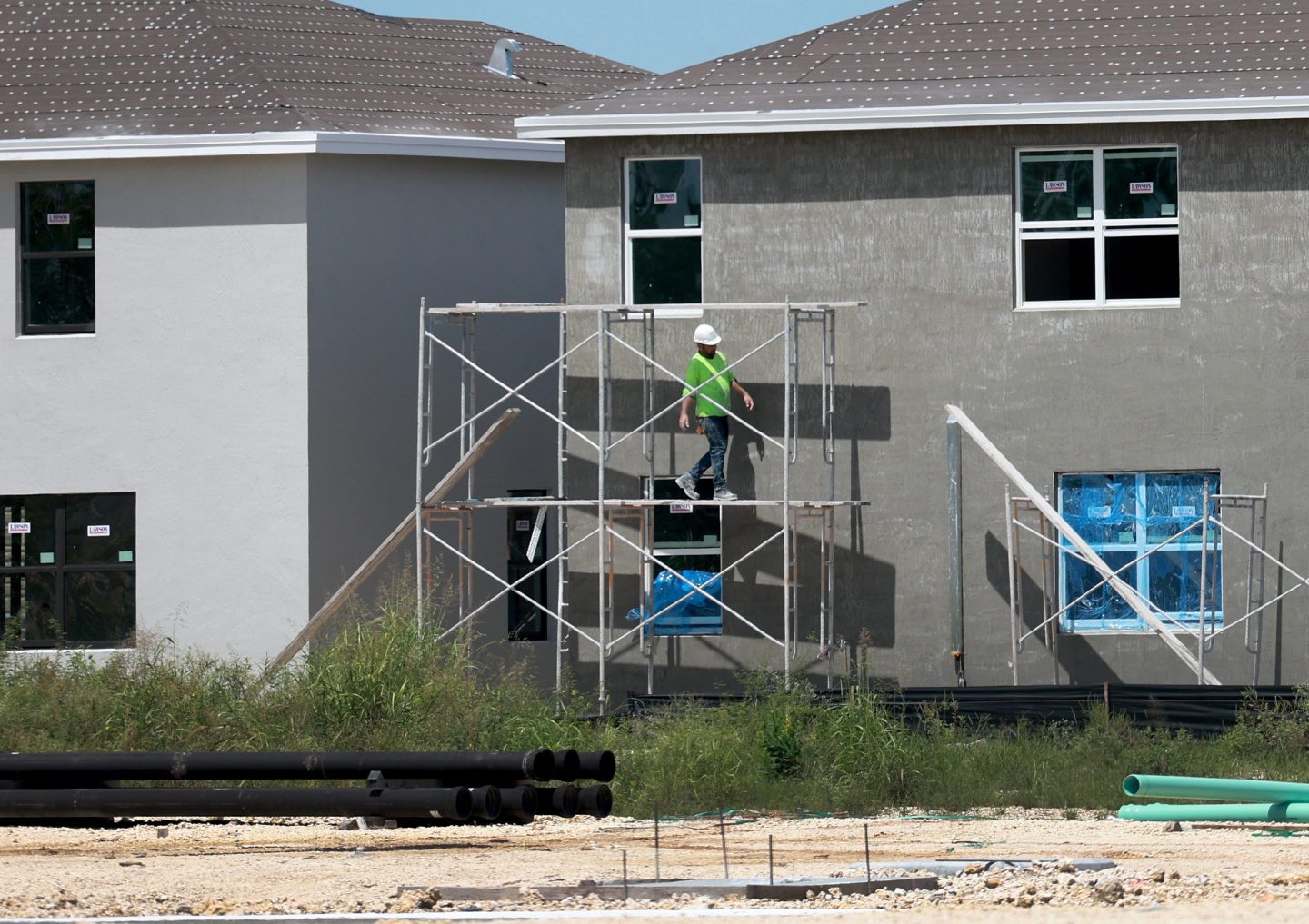
Transparency about the expected energy costs of properties can help homebuyers make better decisions.
Transparency about the expected energy costs of properties can help homebuyers make better decisions.Joe Raedle—Getty Images

For generations, homeownership has been a fundamental component of the American Dream. It’s a symbol of prosperity, a catalyst for upward mobility, and the hope to provide your children and their children the opportunities that may not have been afforded to you.

Everyone who owns a home understands the sacrifices made and the hard-earned dollars saved to finally purchase a place to call your own. Ensuring home affordability is crucial to protecting the American Dream, but as homeowners know firsthand, the monthly mortgage payment is just one part of the cost of owning a home. In recent years, many families are struggling with the cost of energy, forcing homeowners to make tough decisions to make ends meet.

A home is only affordable once all the monthly costs (mortgage, energy, utilities, maintenance, etc.) are fully accounted for. However, many potential homebuyers don’t take energy costs into consideration when thinking about one of the biggest purchases they’ll ever make. One unseen cost contributor is the estimated 40% of a building’s energy lost to air leaks when a home is not properly insulated and air-sealed. It’s a very solvable problem with innovative building materials, such as spray foam insulation that can strengthen a home’s building envelope filling the gaps and spaces within a home’s walls and attic. By making certain the energy you use to heat or cool your home is maximized, lowering your utility costs because air is no longer escaping.

Unfortunately, the home buying process, specifically mortgage underwriting, does not account for energy efficiency when appraising and assessing a home’s true value and cost. If we’re serious about building a more sustainable future, homeowners should have energy efficiency numbers and information made available before buying a house so they are making the right decisions for them and their families.

Some new homes have an Energy Rating Index, such as HERS, which can be a valuable selling point provided by sellers to buyers. However, most homes do not have an ERI score, and sellers cannot provide either quantitative or qualitative information on energy efficiency to the buyer.

Additionally, the mortgage underwriting process does not factor in energy costs when computing monthly mortgage payments to qualify borrowers. This is a glaring blind spot when it comes to buying a home.

Including expected energy costs for borrowers in underwriting would bring more price transparency to the process of choosing and buying a home. It will incentivize homebuilders to work with energy-efficient building materials knowing that consumers will now know how much they can expect to pay in energy bills.

Homebuyers, with a greater understanding of energy costs, will naturally gravitate towards more efficient homes, which will also reduce energy demands and related emissions—a win for homeowners and the environment.

In fact, this idea has been proposed in Congress. Known as the Sensible Accounting to Value Energy (SAVE) Act, it has garnered bipartisan support in the past, and now more than ever, is a bill that should be considered.

Until the underwriting process changes to better account for energy costs, curious builders and contractors can turn to the Institute for the Building Envelope, a trade association made up of industry leaders whose mission is to spread awareness of innovative and efficiency-boosting building materials, as a resource.

Our country’s home affordability and energy challenges need solutions. Rarely is there an opportunity to address two pressing issues at the same time, but right now we have the answer right in front of us: It’s time to bring greater transparency to the true costs associated with homeownership by accounting for energy efficiency in the mortgage underwriting and home appraisal process. In doing so, we can build a more sustainable future that helps keep the American Dream alive today and for generations to come. 

Ian Hughes is VP of environmental and government affairs for Meritage Homes and a member of the Board of Directors for the Institute for the Building Envelope.

More must-read commentary published by Fortune:

  • Fannie Mae CEO: Beyoncé is right. Climate change has already hit the housing market—and homeowners aren’t prepared
  • Trade and investment data in the last two years dispel the deglobalization and decoupling myths as U.S.-China competition ignites ‘reglobalization’
  • Ex-Lululemon CEO: Gen Zers want sustainably made and compostable products. Firms taking heed today will be market leaders tomorrow
  • Congress could soon spell the end of employment arbitration—but it’s not all good news for American workers

The opinions expressed in Fortune.com commentary pieces are solely the views of their authors and do not necessarily reflect the opinions and beliefs of Fortune.

Fortune Brainstorm AI returns to San Francisco Dec. 8–9 to convene the smartest people we know—technologists, entrepreneurs, Fortune Global 500 executives, investors, policymakers, and the brilliant minds in between—to explore and interrogate the most pressing questions about AI at another pivotal moment. Register here.
About the Author
By Ian Hughes
See full bioRight Arrow Button Icon

Latest in Commentary

Amit Walia
CommentaryM&A
Why the timing was right for Salesforce’s $8 billion acquisition of Informatica — and for the opportunities ahead
By Amit WaliaDecember 6, 2025
16 hours ago
Steve Milton is the CEO of Chain, a culinary-led pop-culture experience company founded by B.J. Novak and backed by Studio Ramsay Global.
CommentaryFood and drink
Affordability isn’t enough. Fast-casual restaurants need a fandom-first approach
By Steve MiltonDecember 5, 2025
2 days ago
Paul Atkins
CommentaryCorporate Governance
Turning public companies into private companies: the SEC’s retreat from transparency and accountability
By Andrew BeharDecember 5, 2025
2 days ago
Matt Rogers
CommentaryInfrastructure
I built the first iPhone with Steve Jobs. The AI industry is at risk of repeating an early smartphone mistake
By Matt RogersDecember 4, 2025
3 days ago
Jerome Powell
CommentaryFederal Reserve
Fed officials like the mystique of being seen as financial technocrats, but it’s time to demystify the central bank
By Alexander William SalterDecember 4, 2025
3 days ago
Rakesh Kumar
CommentarySemiconductors
China does not need Nvidia chips in the AI war — export controls only pushed it to build its own AI machine
By Rakesh KumarDecember 3, 2025
4 days ago

Most Popular

placeholder alt text
AI
Nvidia CEO says data centers take about 3 years to construct in the U.S., while in China 'they can build a hospital in a weekend'
By Nino PaoliDecember 6, 2025
12 hours ago
placeholder alt text
Big Tech
Mark Zuckerberg rebranded Facebook for the metaverse. Four years and $70 billion in losses later, he’s moving on
By Eva RoytburgDecember 5, 2025
2 days ago
placeholder alt text
Success
Nvidia CEO Jensen Huang admits he works 7 days a week, including holidays, in a constant 'state of anxiety' out of fear of going bankrupt
By Jessica CoacciDecember 4, 2025
3 days ago
placeholder alt text
Real Estate
The 'Great Housing Reset' is coming: Income growth will outpace home-price growth in 2026, Redfin forecasts
By Nino PaoliDecember 6, 2025
17 hours ago
placeholder alt text
Economy
Two months into the new fiscal year and the U.S. government is already spending more than $10 billion a week servicing national debt
By Eleanor PringleDecember 4, 2025
3 days ago
placeholder alt text
Success
‘Godfather of AI’ says Bill Gates and Elon Musk are right about the future of work—but he predicts mass unemployment is on its way
By Preston ForeDecember 4, 2025
3 days ago
Rankings
  • 100 Best Companies
  • Fortune 500
  • Global 500
  • Fortune 500 Europe
  • Most Powerful Women
  • Future 50
  • World’s Most Admired Companies
  • See All Rankings
Sections
  • Finance
  • Leadership
  • Success
  • Tech
  • Asia
  • Europe
  • Environment
  • Fortune Crypto
  • Health
  • Retail
  • Lifestyle
  • Politics
  • Newsletters
  • Magazine
  • Features
  • Commentary
  • Mpw
  • CEO Initiative
  • Conferences
  • Personal Finance
  • Education
Customer Support
  • Frequently Asked Questions
  • Customer Service Portal
  • Privacy Policy
  • Terms Of Use
  • Single Issues For Purchase
  • International Print
Commercial Services
  • Advertising
  • Fortune Brand Studio
  • Fortune Analytics
  • Fortune Conferences
  • Business Development
About Us
  • About Us
  • Editorial Calendar
  • Press Center
  • Work At Fortune
  • Diversity And Inclusion
  • Terms And Conditions
  • Site Map

© 2025 Fortune Media IP Limited. All Rights Reserved. Use of this site constitutes acceptance of our Terms of Use and Privacy Policy | CA Notice at Collection and Privacy Notice | Do Not Sell/Share My Personal Information
FORTUNE is a trademark of Fortune Media IP Limited, registered in the U.S. and other countries. FORTUNE may receive compensation for some links to products and services on this website. Offers may be subject to change without notice.