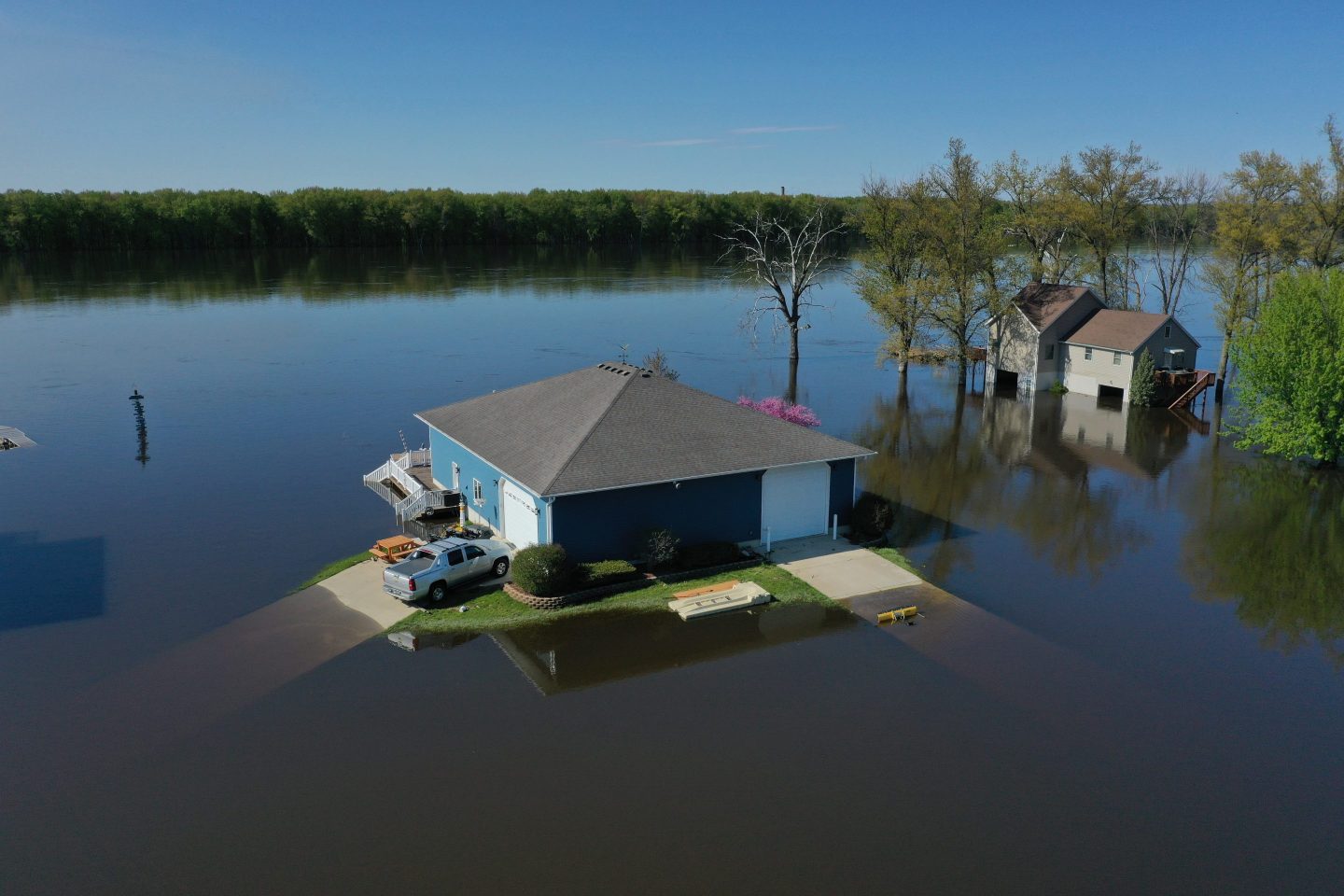
A home should be a sanctuary, a safe place to feel sheltered against the chaos and threats of the outside world. But with the recent onslaught of record-breaking natural disasters, many Americans are feeling increasingly vulnerable. In the past year alone, we’ve endured the hottest summer on record, devastating wildfires in Canada and Hawaii, flooding in Vermont and New York City, and hurricanes in both Los Angeles and Maine.
The situation is especially problematic considering American homes aren’t getting any younger. In fact, 38% of homes in the U.S. were built before 1970–and the median age of homes in America is 40 years. With aging roofs, insufficient drainage, and outdated systems, many homes are in desperate need of upgrades to improve their resiliency.
Unfortunately, affordability is a challenge for many Americans, especially when it comes to major renovations. Supplies and labor are prohibitively expensive, and interest rates on home equity lines of credit–the typical financing option for home improvement–have reached historic highs. And with home prices expected to rise and mortgage rates at a 23-year peak, trading up to a more resilient home is out of the question for many.
The American housing market’s crisis is not just impacting homeowners but also home improvement and real estate professionals. Both industries face obstacles to meeting their clients’ expectations for affordable, yet functional offerings in a very difficult economy. Not to mention, there’s a huge shortage of skilled tradespeople–the plumbers, carpenters, electricians, and HVAC specialists who actually do the work. More than 3 million skilled trades jobs are expected to go unfilled by 2028.
This combination of factors is driving a major shift in consumer demand toward home hardening: enhancements that make homes safer and more resilient while protecting the homeowner’s investment in the face of persistent threats. Unlike typical home improvement projects intended to modernize or improve aesthetics, home hardening aims specifically at making it less vulnerable to physical threats, such as wildfires, water damage, contamination, utility outages, and more.
Even beyond areas typically prone to natural disasters, as many Texans learned the hard way in 2021, it only takes a brief weather event to inflict severe damage and cripple an entire region. That’s why, regardless of geography, home improvement and real estate pros must gear up to meet the growing demand for smart, relatively low-cost home-hardening investments.
For home improvement and maintenance professionals, that means focusing on services like clearing away loose debris and dead vegetation and gutter cleaning to remove combustible material, which can help minimize the risk of damage from wildfires. Offering tree trimming services to prune back limbs around the house can also reduce fire risk and help homeowners prevent damage to the roof or gutters during high winds. Waterproofing and runoff management can be an extremely valuable service in areas prone to heavy rains or heavy snow melt. Simple solutions like rerouting poorly installed or misdirected downspouts to channel water away from a home’s foundation are very affordable projects that can prevent extremely expensive foundation or basement water damage.
Demand for whole-house generators and solar-power systems with energy storage are both expected to rise significantly, as grid instability and consumers’ desire for sustainable energy converge. This creates an opportunity for home improvement contractors to market the installation of these products as a way to protect against oppressive heat, water damage from frozen pipes, and food loss in refrigerators and freezers in the event of an outage. For the elderly and those with health concerns, it can also be a lifesaver that keeps cell phones charged and home oxygen and CPAP machines running.
From a real estate perspective, agents need to begin taking these home-hardening features into consideration when staging and marketing properties. While they may not be as sexy as a spacious new deck or an elegant kitchen remodel, showcasing home-hardening amenities can attract buyers who are now prioritizing home resiliency and protecting their investment, especially as home sales continue to drop to historically low levels. Home-hardening features may even help buyers reduce the cost of homeowner’s insurance, which has become increasingly harder to get and significantly more expensive.
As homeowners’ and homebuyers’ priorities shift, the housing industry must adapt to position home-hardening solutions as a way to enhance safety, lower the total cost of ownership, improve quality of life, and help homeowners feel more empowered and confident.
While there’s no argument to be made against increasing home inventory, we suspect the next decade or more will see a much higher emphasis placed on revitalizing the infrastructure hundreds of millions of Americans already call home.
Jon Bostock is the CEO of Leaf Home.
More must-read commentary published by Fortune:
- Economic pessimists’ bet on a 2023 recession failed. Why are they doubling down in 2024?
- ‘Parroting Putin’s propaganda’: The business exodus over Ukraine was no Russian bonanza
- WEF president: ‘It’s time to revitalize trade—and reverse the trend of Slowbalization’
- The anti-DEI movement has gone from fringe to mainstream. Here’s what that means for corporate America
The opinions expressed in Fortune.com commentary pieces are solely the views of their authors and do not necessarily reflect the opinions and beliefs of Fortune.