• Home
  • Latest
  • Fortune 500
  • Finance
  • Tech
  • Leadership
  • Lifestyle
  • Rankings
  • Multimedia
Personal FinanceGen X

Most Americans are financially traumatized, and Gen X has been hurt the most, survey says

By
Chloe Berger
Chloe Berger
Down Arrow Button Icon
By
Chloe Berger
Chloe Berger
Down Arrow Button Icon
November 4, 2023, 9:00 AM ET
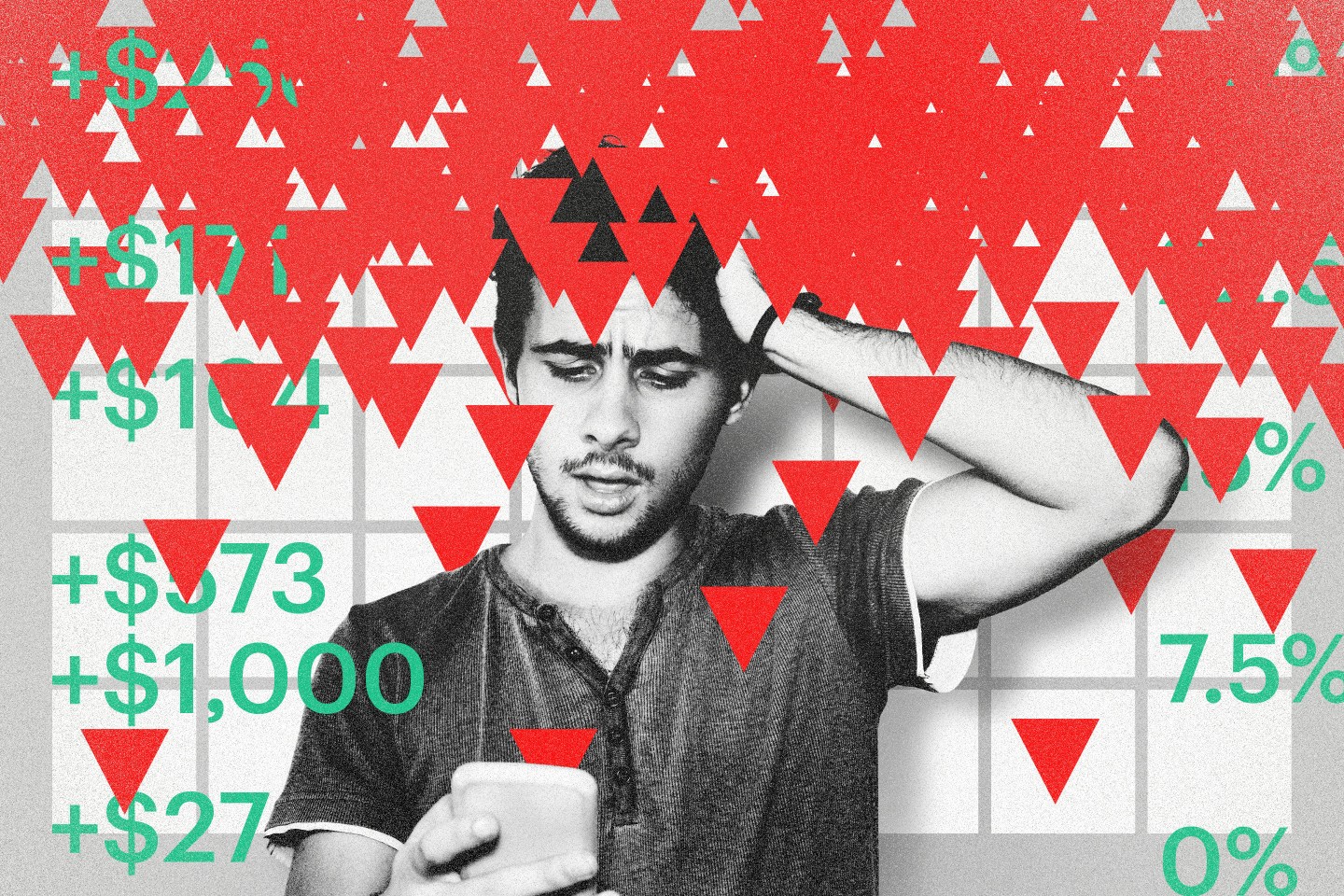
The oft-forgotten sandwich generation reports extra high financial trauma.
The oft-forgotten sandwich generation reports extra high financial trauma.AleksandarNakic—Getty Images

Adulthood and the things we’ve inherited can sneak up on us. One day you wake up and stand while watching TV like a parent once did or superstitiously throw salt behind your back just like your grandma. Attitudes towards money too, much like our oddities and eccentricities, can also be passed on through time and lineage. 

Recommended Video

Most Americans (68%) are grappling with or have dealt with financial trauma, per an Experiansurvey of more than 2,000 U.S. adults. Financial trauma is “an emotional wounding that happens as a direct result of something to do specifically with money,” according to Chantel Chapman, co-founder of Trauma of Money. Cents, dollars, or a lack thereof carry weight, as they can shape personal relationships, strain familial dynamics, and create our own outlook towards wealth as we get older. And some generations report feeling the brunt more than others.

Gen Xers sit at the top at 74%, followed by millennials (71%), Gen Zers (64%), boomers (63%), and the Silent Generation (60%) (although some respondents may be dealing with more money issues than they care to report). That Gen X leads the pack is a sign of how they grew up and of their life stage. 

Most of the oft-forgotten Gen Xers are children of early boomers and the Silent Generation, who partly got their name for grinning and bearing extreme economic hardship as they grew up during the Great Depression. The nickname also comes from their reputation for traditionalist ways. Time Magazine first came up with the moniker in 1951: “Youth today is waiting for the hand of fate to fall on its shoulders, meanwhile working fairly hard and saying almost nothing. The most startling fact about the younger generation is its silence,” it noted. 

It’s possible the Silent Gen’s economic strife, scarcity mindset, and silence has trickled down and impacted the grunge loving, former rage-against-the-machine teens turned 40-something year-old managers: Gen Xers. Psychologists have found that attitudes towards money are intrinsically linked not just to our economic experience, but to our ancestors’. As financial coach Saundra Davis explained, we learn financial behavior from those who raise us—and some of these lessons carry the weight of generational financial trauma that leads to anxiety, stress, or bad money habits in adulthood.

More than half (56%) of Gen Xers said their family never or rarely talked about finances growing up, slightly more than the overall 51% of respondents who said the same. While this fits the Silent Generation stereotype, it’s also in line with the “money is taboo” perspective prevalent among older generations—boomers and the Silent Generation were even more likely to say their family didn’t discuss finances growing. Such silence doesn’t come without a cost—43% of adults who never or rarely spoke about money report “feeling like they never learned about financial planning,” while 43% of this cohort say they don’t understand how to build credit.

And, for all the limelight the youngest generations get for their economic plight, Gen Xers have also weathered their own set of problems, like student loans. They were hit hardest wealthwise during the Great Recession; while they had the best recovery, some still felt like they were getting their bearings together when the pandemic came. Mid-age and mid-career, they’re in their prime working and spending years—but that also comes with more stress and financial responsibilities, leaving them with more debt than other generations. They’re also looking after both their children and parents under the weight of twin childcare and care crises, earning them a new nickname as the sandwich generation. 

Sixty percent of Gen Xers say money negatively impacts their mental health, a jump from 46% last year, a Bankrate survey finds. They were the generation most prone to feeling this way. They’re also worried about having enough money to retire comfortably, thinking they’ll need the most saved at $1.5 million, per a Northwestern Mutual report. 

It all might mean that Gen Xers’ kids— typically Gen Zers—are next in the game of tag, waiting for a ripple effect of financial trauma spanning decades back to the Great Depression.

Join us at the Fortune Workplace Innovation Summit May 19–20, 2026, in Atlanta. The next era of workplace innovation is here—and the old playbook is being rewritten. At this exclusive, high-energy event, the world’s most innovative leaders will convene to explore how AI, humanity, and strategy converge to redefine, again, the future of work. Register now.
About the Author
By Chloe Berger
LinkedIn iconTwitter icon
See full bioRight Arrow Button Icon

Latest in Personal Finance

Julian Braithwaite is the Director General of the International Alliance for Responsible Drinking
CommentaryProductivity
Gen Z is drinking 20% less than Millennials. Productivity is rising. Coincidence? Not quite
By Julian BraithwaiteDecember 13, 2025
11 hours ago
Personal Financemortgages
7 best HELOC lenders in 2025: How to choose the best home equity line of credit for your situation
By Joseph HostetlerDecember 12, 2025
1 day ago
Personal FinanceCertificates of Deposit (CDs)
Truist CD rates 2025: Probably not your best option (but here’s how to decide)
By Joseph HostetlerDecember 12, 2025
1 day ago
The Citibank logo on a green layered background.
Personal FinanceCertificates of Deposit (CDs)
Citibank CD rates 2025
By Joseph HostetlerDecember 12, 2025
1 day ago
The Bank of America logo on a green layered background.
Personal FinanceCertificates of Deposit (CDs)
Bank of America CD rates 2025: How to ensure you get the highest APY
By Joseph HostetlerDecember 12, 2025
1 day ago
The Citizens Bank logo on a green layered background.
Personal FinanceCertificates of Deposit (CDs)
Citizens Bank CD rates 2025: Strong APY (but can you afford it?)
By Joseph HostetlerDecember 12, 2025
1 day ago

Most Popular

placeholder alt text
Economy
Tariffs are taxes and they were used to finance the federal government until the 1913 income tax. A top economist breaks it down
By Kent JonesDecember 12, 2025
2 days ago
placeholder alt text
Success
Apple cofounder Ronald Wayne sold his 10% stake for $800 in 1976—today it’d be worth up to $400 billion
By Preston ForeDecember 12, 2025
1 day ago
placeholder alt text
Success
40% of Stanford undergrads receive disability accommodations—but it’s become a college-wide phenomenon as Gen Z try to succeed in the current climate
By Preston ForeDecember 12, 2025
1 day ago
placeholder alt text
Economy
The Fed just ‘Trump-proofed’ itself with a unanimous move to preempt a potential leadership shake-up
By Jason MaDecember 12, 2025
1 day ago
placeholder alt text
Economy
For the first time since Trump’s tariff rollout, import tax revenue has fallen, threatening his lofty plans to slash the $38 trillion national debt
By Sasha RogelbergDecember 12, 2025
1 day ago
placeholder alt text
Success
Apple CEO Tim Cook out-earns the average American’s salary in just 7 hours—to put that into context, he could buy a new $439,000 home in just 2 days
By Emma BurleighDecember 12, 2025
1 day ago
Rankings
  • 100 Best Companies
  • Fortune 500
  • Global 500
  • Fortune 500 Europe
  • Most Powerful Women
  • Future 50
  • World’s Most Admired Companies
  • See All Rankings
Sections
  • Finance
  • Leadership
  • Success
  • Tech
  • Asia
  • Europe
  • Environment
  • Fortune Crypto
  • Health
  • Retail
  • Lifestyle
  • Politics
  • Newsletters
  • Magazine
  • Features
  • Commentary
  • Mpw
  • CEO Initiative
  • Conferences
  • Personal Finance
  • Education
Customer Support
  • Frequently Asked Questions
  • Customer Service Portal
  • Privacy Policy
  • Terms Of Use
  • Single Issues For Purchase
  • International Print
Commercial Services
  • Advertising
  • Fortune Brand Studio
  • Fortune Analytics
  • Fortune Conferences
  • Business Development
About Us
  • About Us
  • Editorial Calendar
  • Press Center
  • Work At Fortune
  • Diversity And Inclusion
  • Terms And Conditions
  • Site Map

© 2025 Fortune Media IP Limited. All Rights Reserved. Use of this site constitutes acceptance of our Terms of Use and Privacy Policy | CA Notice at Collection and Privacy Notice | Do Not Sell/Share My Personal Information
FORTUNE is a trademark of Fortune Media IP Limited, registered in the U.S. and other countries. FORTUNE may receive compensation for some links to products and services on this website. Offers may be subject to change without notice.