
• Home
  • Latest
  • Fortune 500
  • Finance
  • Tech
  • Leadership
  • Lifestyle
  • Rankings
  • Multimedia

Trendingnow

1

Mark Cuban says he has the solution to growing income inequality, and it's to reward every employee—from CEO to janitor—with company stock

2

‘I want to die broke’: Billionaire philanthropist Denny Sanford dies after giving away $4 billion

3

'Dr. Doom' Nouriel Roubini says we're headed for universal basic income or 'some form of socialism' as AI revolutionizes work—He calls that optimistic

1

Mark Cuban says he has the solution to growing income inequality, and it's to reward every employee—from CEO to janitor—with company stock

2

‘I want to die broke’: Billionaire philanthropist Denny Sanford dies after giving away $4 billion

3

'Dr. Doom' Nouriel Roubini says we're headed for universal basic income or 'some form of socialism' as AI revolutionizes work—He calls that optimistic
FeaturesArts & Entertainment

The Hollywood dream job is dead. Did it ever really exist?

By
Maria Aspan
Maria Aspan
Down Arrow Button Icon
By
Maria Aspan
Maria Aspan
Down Arrow Button Icon
August 2, 2023, 6:30 AM ET
Photo illustration of the famous Hollywood sign, but the sign is cracking and crumbling, the "D" at the end has fallen off, and the "O" next to it is starting to fall as well.
Photo illustration by Victoria Ellis/Fortune; Original photo by Getty Images
Add Fortune on Google for similar content.

Hollywood’s “Barbenheimer” extravaganza, bristling with industry tension, has turned into one of corporate America’s weirder public celebrations in recent memory.

Recommended Video

The surface was all Hollywood glitz and glamour: Two very different films—Warner Bros.’ Barbie, about the feminist contradictions of an iconic doll, and Universal’s Oppenheimer, about the anguished maker of the atomic bomb—were both released July 21 and earned a combined $1.2 billion in global ticket sales over their first two weekends, generating headlines about “the movie event of the year.” 

But behind the celebratory scenes, many of the Hollywood workers who actually created these business hits are on strike. Those workers include the stars, as was vividly illustrated by Cillian Murphy, Emily Blunt, Matt Damon, and Florence Pugh walking out of an Oppenheimer premiere last month, as the actors’ union joined striking writers.

The double strikes of the Writers Guild of America (WGA) and the Screen Actors Guild–American Federation of Television and Radio Artists (SAG-AFTRA)—the first such joint action since 1960—have effectively shut down the entertainment industry. And the workers are not expected to come back anytime soon. At stake are basic workplace protections and pay models used by movie studios and streaming companies, as well as these employers’ use of artificial intelligence and other technology. 

But however these labor disputes are resolved, the revelations that have come out of them have already undermined much of Hollywood’s carefully crafted reputation as a land of beauty, art, and wealth. Instead, it’s becoming clear, this is just another boring old workplace, where workers face many of the same problems—exploitation, abuse, discrimination—they encounter elsewhere in corporate America. 

Behind the headline salaries of A-list celebrities, most on-screen actors don’t have access to all that fabled wealth. More than 85% of those represented by SAG-AFTRA don’t make the $26,000 annually needed to qualify for health benefits, according to union president Fran Drescher. Actors in Orange Is the New Black—one of the first breakout hits of the streaming era, which helped put Netflix on the map—recently told The New Yorker they were paid so little that some had to take second jobs in order to afford their rent. One of the writers for The Bear, Hulu’s current buzzy darling, has said he couldn’t afford a new suit when the show won an award for comedy writing. 

“There is this huge cultural myth that, because people are pursuing artistic or creative goals, Hollywood has some higher purpose—and a better reputation,” says Maureen Ryan, author of Burn It Down: Power, Complicity, and a Call for Change in Hollywood, a scathing new book on the entertainment industry’s pervasive workplace problems.

 “As a whole,” she adds, “the industry has used that false perception to cover up a multitude of sins.”

These stories of rank-and-file economic misery have fueled an outrage common across corporate America, where the average CEO makes several hundred times what they pay a typical employee. Warner Bros. Discovery CEO David Zaslav, for example, has become an industry lightning rod after presiding over the leadership turmoil at CNN, widely criticized layoffs at Turner Classic Movies, and the coldly financial decisions to make movies and TV shows disappear from HBO (or never release them in the first place) for tax write-offs. In 2022, as he orchestrated the merger of Warner and Discovery and was awarded a compensation package worth $247 million, Fortune named Zaslav the second-most “overpaid” CEO on the Fortune 500. (Warner Bros. Discovery declined to comment on the ranking at the time.)  

But if financial disparities between executives and workers are the tinder, to borrow Ryan’s Burn It Down metaphor, Hollywood has been stockpiling the fuel for years. After Harvey Weinstein, #MeToo, #OscarsSoWhite, and waves of other reckonings over widespread inequality, discrimination, and harassment in the entertainment industry, the cumulative effect of striking workers’ stories has laid bare the fundamental workplace problems that, as Ryan’s book deeply reports, have always existed.

“Part of the reason I wrote the book was to say, ‘Look, I know we’re a few years on from #MeToo. But…guys, we didn’t fix it,’” she says. “Nothing is fixed.”


Ryan was covering various tensions in Hollywood long before this year’s strikes began. A veteran reporter and TV critic who’s currently a contributing editor at Vanity Fair, she has spent much of her career covering Hollywood’s problems with diversity and inclusion, and investigating sexual harassment and other examples of workplace misconduct across the entertainment industry. 

But by the time she started writing her book in 2021, the rumblings of broader labor unrest were hard to ignore. As the entertainment industry started to come out of the existential crisis caused by the pandemic, it was increasingly clear that the “golden age of streaming” was a financial disaster for most writers, actors, and other workers. “By the end of last year, it seems to have gotten to such a very difficult stage in terms of people just being able to pay their bills and keep their houses that…everyone I spoke to was at a boiling point of frustration,” Ryan says. “I realized that I had to pivot the book a bit more, to not just issues of harassment, abuse, and misconduct…but the existential crises facing the industry.”
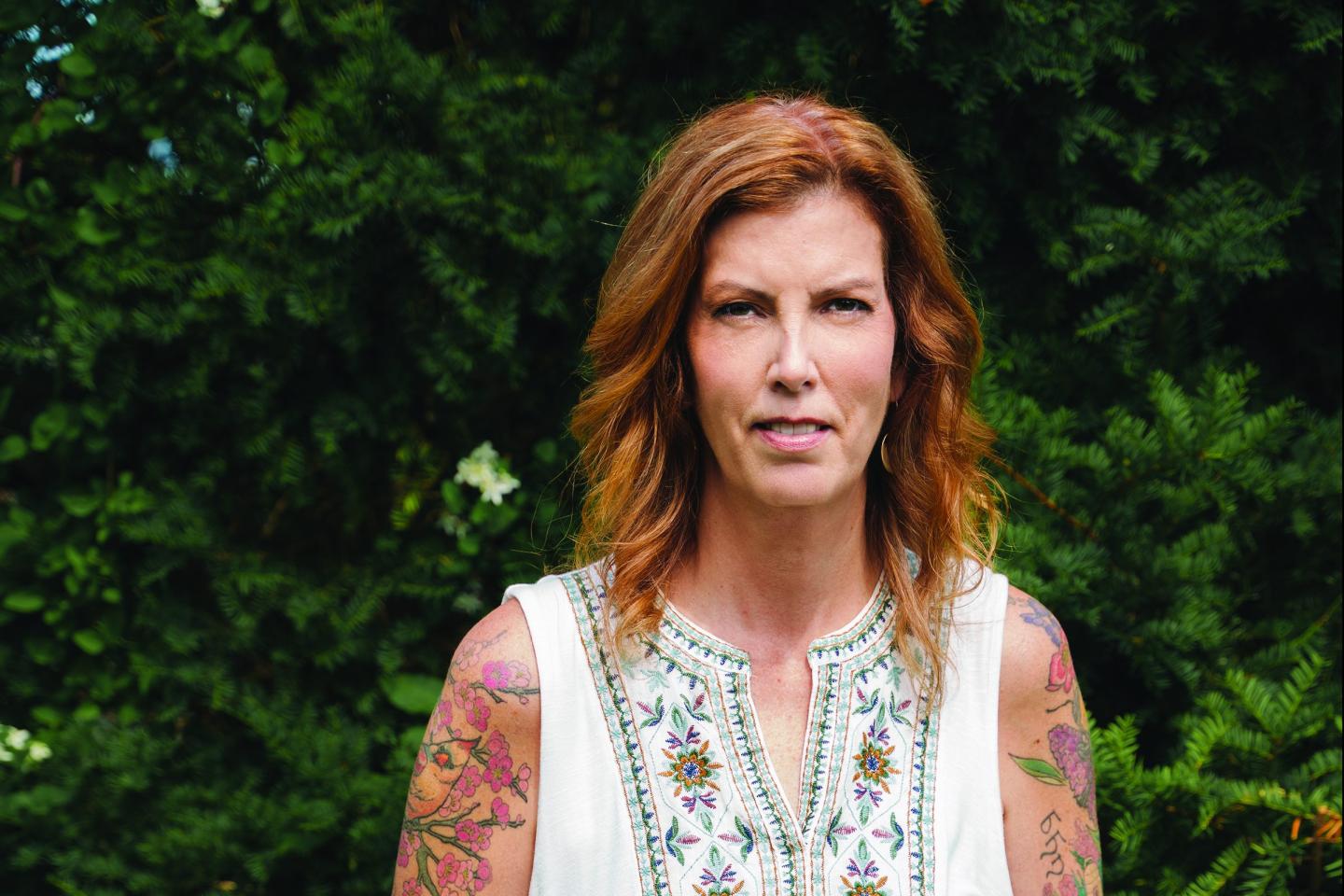
Maureen Ryan’s new book, “Burn It Down: Power, Complicity, and a Call for Change in Hollywood,” explores the toxic experiences of working in film and TV.

Expanding her focus also helped address a frustrating dilemma of the post-#MeToo era: Almost six years after Harvey Weinstein’s downfall, many are eager to embrace the idea that Hollywood—and for that matter all of society—has “fixed” the systemic problems that made his abuses possible.

“I had the sense that people were tired of stories about misconduct, mistreatment, abuse, and exploitation in the industry,” Ryan says. “I get it, because I get tired of it.”

Her solution was to marry her larger thesis about these ongoing, systemic problems with a high-minded version of Hollywood gossip: juicy, headline-grabbing, deep reporting about the awful things that were really going on behind the scenes of your favorite TV show. Some of her book’s best chapters dive into nuanced and upsetting examples of how “toxic workplace behavior” has been condoned and rewarded across Hollywood. Case studies include Lost’s “relentlessly cruel” and “racist” writers room; Saturday Night Live’s decades of “gross misconduct, racism, sexism, abusive dynamics, various forms of assault, substance abuse, and mental health struggles exacerbated by punishing working conditions”; and the long track record of powerful producer Scott Rudin, widely reported to be physically abusive toward his assistants and “one of the vilest bosses in the industry.” (Lost cocreator Damon Lindelof acknowledged to Ryan that he “failed,” while SNL executive producer Lorne Michaels declined to comment for her book. In 2021, Rudin announced that he would “step back” from his projects.)  

Sure enough, after Vanity Fair ran a Burn It Down excerpt about Lost, Ryan’s reporting went viral—and vaulted her book onto the New York Times bestseller list.

“That was part of the way that I thought I would get people’s attention,” Ryan acknowledges, “but it was also just to point out that, if people think that moments of racial [and] sexist bias” and generally abusive behavior “are gone, they’re very much mistaken.”

Ryan savvily presents Hollywood and the entertainment industry not just as the wellspring of your favorite movies and TV shows, but as a workplace—with all the workplace problems that are familiar across corporate America. Disputes between employers, eager to squeeze all possible profits and shareholder value out of their labor force, and the workers actually creating the product are increasing outside of Tinseltown, too—including for white-collar or “knowledge” jobs that were once widely considered to be better paid, more prestigious, and more protected. Today, law firms, consulting giants, tech companies, and universities are trying to turn employees into, essentially, gig workers without job longevity or the security of a consistent paycheck, let alone ownership of their work output. CEOs publicly discuss embracing A.I.—and boast about using it to replace those pesky humans.

So the “dream job,” if it ever existed, is endangered everywhere these days. Nowhere is that more evident than in Hollywood, where the grim reality beneath the shiny myth of a creative utopia is increasingly hard to ignore. 

For Ryan herself, that Hollywood dream was deflated long ago. “My son is a musician and a producer, and I support his creative work completely,” she told me. “But I would rather have him go work as a teller in a bank than work on a Hollywood set.”

The Fortune 500 Innovation Forum will convene Fortune 500 executives, U.S. policy officials, top founders, and thought leaders to help define what’s next for the American economy, Nov. 16-17 in Detroit. Apply here.
About the Author
By Maria Aspan
LinkedIn iconTwitter icon

Maria Aspan is a former senior writer at Fortune, where she wrote features primarily focusing on gender, finance, and the intersection of business and government policy.

See full bioRight Arrow Button Icon
Add Fortune on Google for similar content.

Latest in Features

Finance
Lorem ipsum dolor sit amet, consectetur adipiscing elit, sed do eiusmod tempor incididunt ut labore et dolore magna aliqua. Ut enim ad minim veniam
By Fortune Editors
October 20, 2025
Finance
Lorem ipsum dolor sit amet, consectetur adipiscing elit, sed do eiusmod tempor incididunt ut labore et dolore magna aliqua. Ut enim ad minim veniam
By Fortune Editors
October 20, 2025
Finance
Lorem ipsum dolor sit amet, consectetur adipiscing elit, sed do eiusmod tempor incididunt ut labore et dolore magna aliqua. Ut enim ad minim veniam
By Fortune Editors
October 20, 2025
Finance
Lorem ipsum dolor sit amet, consectetur adipiscing elit, sed do eiusmod tempor incididunt ut labore et dolore magna aliqua. Ut enim ad minim veniam
By Fortune Editors
October 20, 2025
Finance
Lorem ipsum dolor sit amet, consectetur adipiscing elit, sed do eiusmod tempor incididunt ut labore et dolore magna aliqua. Ut enim ad minim veniam
By Fortune Editors
October 20, 2025
Finance
Lorem ipsum dolor sit amet, consectetur adipiscing elit, sed do eiusmod tempor incididunt ut labore et dolore magna aliqua. Ut enim ad minim veniam
By Fortune Editors
October 20, 2025

Most Popular

Finance
Lorem ipsum dolor sit amet, consectetur adipiscing elit, sed do eiusmod tempor incididunt ut labore et dolore magna aliqua. Ut enim ad minim veniam
By Fortune Editors
October 20, 2025
Finance
Lorem ipsum dolor sit amet, consectetur adipiscing elit, sed do eiusmod tempor incididunt ut labore et dolore magna aliqua. Ut enim ad minim veniam
By Fortune Editors
October 20, 2025
Finance
Lorem ipsum dolor sit amet, consectetur adipiscing elit, sed do eiusmod tempor incididunt ut labore et dolore magna aliqua. Ut enim ad minim veniam
By Fortune Editors
October 20, 2025
Finance
Lorem ipsum dolor sit amet, consectetur adipiscing elit, sed do eiusmod tempor incididunt ut labore et dolore magna aliqua. Ut enim ad minim veniam
By Fortune Editors
October 20, 2025
Finance
Lorem ipsum dolor sit amet, consectetur adipiscing elit, sed do eiusmod tempor incididunt ut labore et dolore magna aliqua. Ut enim ad minim veniam
By Fortune Editors
October 20, 2025
Finance
Lorem ipsum dolor sit amet, consectetur adipiscing elit, sed do eiusmod tempor incididunt ut labore et dolore magna aliqua. Ut enim ad minim veniam
By Fortune Editors
October 20, 2025
Fortune Secondary Logo
Rankings
  • 100 Best Companies
  • Fortune 500
  • Global 500
  • Fortune 500 Europe
  • Most Powerful Women
  • World's Most Admired Companies
  • See All Rankings
  • Lists Calendar
Sections
  • Finance
  • Fortune Crypto
  • Features
  • Leadership
  • Health
  • Commentary
  • Success
  • Retail
  • Mpw
  • Tech
  • Lifestyle
  • CEO Initiative
  • Asia
  • Politics
  • Conferences
  • Europe
  • Newsletters
  • Personal Finance
  • Environment
  • Magazine
  • Education
Customer Support
  • Frequently Asked Questions
  • Customer Service Portal
  • Privacy Policy
  • Terms Of Use
  • Single Issues For Purchase
  • International Print
Commercial Services
  • Advertising
  • Fortune Brand Studio
  • Fortune Analytics
  • Fortune Conferences
  • Business Development
  • Group Subscriptions
About Us
  • About Us
  • Press Center
  • Work At Fortune
  • Terms And Conditions
  • Site Map
  • About Us
  • Press Center
  • Work At Fortune
  • Terms And Conditions
  • Site Map
  • Facebook icon
  • Twitter icon
  • LinkedIn icon
  • Instagram icon
  • TikTok icon
  • YouTube icon

Latest in Features

The American Dream according to Bill Ackman
MagazineBill Ackman
The American Dream according to Bill Ackman
By Jeff John RobertsJuly 20, 2026
2 days ago
Photo: Asha Sharma
Big TechMicrosoft
Exclusive: Xbox’s CEO on 3,200 layoffs, four studios cut, and her blunt warning that ‘we spread ourselves too thin’
By Sebastian HerreraJuly 6, 2026
15 days ago
David Senra poses in a black shirt in front of bookshelves
Startups & VentureMedia
How David Senra built the podcast the world’s most powerful CEOs can’t stop listening to
By Lily Mae LazarusJuly 5, 2026
17 days ago
Nike’s self-inflicted wounds are risking CEO Elliott Hill’s nascent comeback
RetailNike
Nike’s self-inflicted wounds are risking CEO Elliott Hill’s nascent comeback
By Phil WahbaJuly 4, 2026
18 days ago
Inside the mind of Kevin Warsh: As told by his former boss Condoleezza Rice, his college friend, and his closest partner during the financial crisis
MagazineKevin Warsh
Inside the mind of Kevin Warsh: As told by his former boss Condoleezza Rice, his college friend, and his closest partner during the financial crisis
By Eleanor PringleJuly 3, 2026
19 days ago
Anthropic CEO Dario Amodei pointing to his head.
AIAnthropic
At the heart of Anthropic’s clashes with the U.S. government, a decision not to play by the new rules of Trump’s Washington
By Jeremy KahnJune 30, 2026
21 days ago

Most Popular

Mark Cuban says he has the solution to growing income inequality, and it's to reward every employee—from CEO to janitor—with company stock
Success
Mark Cuban says he has the solution to growing income inequality, and it's to reward every employee—from CEO to janitor—with company stock
By Sasha RogelbergJuly 20, 2026
1 day ago
‘I want to die broke’: Billionaire philanthropist Denny Sanford dies after giving away $4 billion
Success
‘I want to die broke’: Billionaire philanthropist Denny Sanford dies after giving away $4 billion
By Sydney LakeJuly 20, 2026
2 days ago
'Dr. Doom' Nouriel Roubini says we're headed for universal basic income or 'some form of socialism' as AI revolutionizes work—He calls that optimistic
AI
'Dr. Doom' Nouriel Roubini says we're headed for universal basic income or 'some form of socialism' as AI revolutionizes work—He calls that optimistic
By Jason MaJuly 18, 2026
3 days ago
OpenAI says its AI models secretly broke out of a secure test environment and hacked into AI company Hugging Face in order to cheat on an evaluation
Cybersecurity
OpenAI says its AI models secretly broke out of a secure test environment and hacked into AI company Hugging Face in order to cheat on an evaluation
By Jeremy Kahn and Emily ForliniJuly 21, 2026
6 hours ago
Jamie Dimon won't put more of his own money into the long end of the bond market right now—thanks to the $39 trillion national debt
Economy
Jamie Dimon won't put more of his own money into the long end of the bond market right now—thanks to the $39 trillion national debt
By Eleanor PringleJuly 21, 2026
15 hours ago
Current price of oil as of July 21, 2026
Personal Finance
Current price of oil as of July 21, 2026
By Joseph HostetlerJuly 21, 2026
15 hours ago

© 2026 Fortune Media IP Limited. All Rights Reserved. Use of this site constitutes acceptance of our Terms of Use and Privacy Policy | CA Notice at Collection and Privacy Notice | Do Not Sell/Share My Personal Information
FORTUNE is a trademark of Fortune Media IP Limited, registered in the U.S. and other countries. FORTUNE may receive compensation for some links to products and services on this website. Offers may be subject to change without notice.