
When cloud-based software company Workday started bringing employees back to the office a few days a week last year, the company noticed the collaboration that had been missing in the remote world quickly came back to life. Colleagues stopped each other in the hallway to chat and catch up, and things that would have been emails before turned into meetings.
The organization saw a 17% increase in connections across teams according to their own internal metrics, Workday vice president of people analytics Phil Willburn tells Fortune. But activity for activity’s sake isn’t always good, and too much can have a downside. Workday, which makes software for human resources and finance departments, also saw a 24% increase in the amount of time people were spending in meetings. Employees didn’t have enough time to get their work done, projects piled up, and the days got longer, which led to workers feeling stressed and overwhelmed.
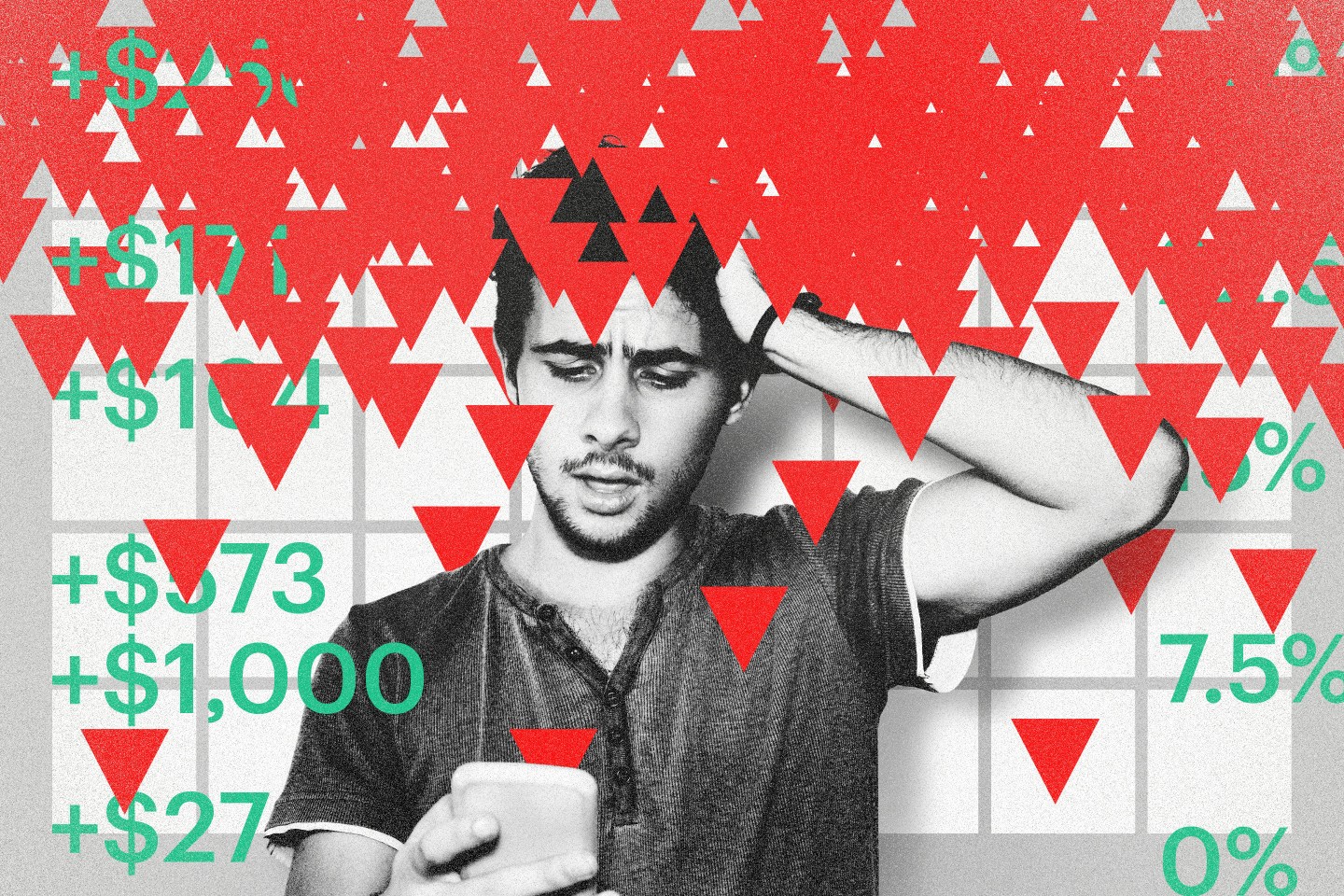
It’s a problem that social scientist and University of Pennsylvania professor of organizational dynamics Michael Arena refers to as the “activity avalanche,” or a sudden hyperconnectivity that can actually hurt a company—and it’s happening as workers transition to spending more time in the office and companies kick off initiatives that were paused during the pandemic. Workday is one of the companies that Arena worked with.
“The floodgates have been opening up and all those pent-up projects and activity is just spilling over,” Arena told Fortune. “Ad hoc meetings spawn new ideas, which creates three other meetings.”
In the early days of lockdown, teams did surprisingly well quickly transitioning into new virtual ways of working, thanks to tools like Slack, Microsoft Teams, and Zoom, according to Arena. But connections between more far-flung workers within companies deteriorated as much as 30% in the early days of the pandemic, Ben Waber, cofounder of communications tracking app Humanyze, told the New York Times in 2020.
When people returned to offices, even in hybrid capacities, those cross-team communications were rebuilt. But that also meant more impromptu communications, more meetings, and more work. That increased in-person activity was in addition to “quick” Zooms and virtual on-camera meetings that workers got used to during the pandemic so that they could work better remotely.
“The expectation was that when organizations got people back to the office that [the number of meetings] would kind of normalize and go back down—people are together, so maybe they don’t need to meet as much—but in reality, you just see another rise,” Phillip Arkcoll, founder of Worklytics, which tracks and analyzes productivity and collaboration in workplaces. “So it rose when people went remote, and it’s risen, in many cases, again as people go back to offices.”
Too much collaboration can also lead to a “triple-peak work day”—in which, in addition to productivity peaks before and after lunch, workers find themselves with another peak, taking work home in the evening just to get everything done.
All of this has a negative impact on workers’ well-being and leads to burnout. And too much collaboration in the workplace is a key driver.
“Activity by itself is not bad, right? You can be hustling and getting stuff done, but if you’re not making progress on work, and you don’t feel a sense of accomplishment, or your workload is too much, that’s the downside of it,” Willburn says.
Most companies know they have a problem with collaboration overload and too many meetings, and they’re ready to admit it, says McKinsey senior partner Aaron De Smet, who counsels leaders to help improve their teams’ performance.
“The good news is it’s easier than ever to collaborate, and the bad news is it’s easier than ever to collaborate,” De Smet says. He adds that managers on average spend one-third or more of their time in meetings that are meant to accomplish something by the end of it, but more than half of those meetings fail.
The real issue is that companies don’t really know what to do about their collaboration problems.
E-commerce giant Shopify recently took an extreme approach to that problem, further cracking down on meetings by implementing a meeting cost calculator. The new tool shows up on employees’ Google Calendars when three or more guests are invited and lays out how much it costs the company in theory for them to toss ideas back and forth based on meeting length and average compensation data across roles.
“No one at Shopify would expense a $500 dinner,” the company’s chief operating officer Kaz Nejatian, who built the program, told Bloomberg earlier this month. “But lots and lots of people spend way more than that in meetings without ever making a decision.”
Toward the end of 2021, Workday launched a tool that takes weekly feedback from employees, and turns their feelings and concerns into insights for managers. When workers flagged that they were caught up in too many meetings and experiencing collaboration overload, Willburn says that individual teams were able to make adjustments.
“We got to see, in real time, all of these managers making small changes and improvements on their team,” Willburn said. “And by mid-2022, we had reduced the number of people who were struggling with a sense of accomplishment and workload by 50%.”
The key thing to know about an activity avalanche, Arena says, is being intentional about what a meeting is for, what the outcomes need to be, and really whether it could be an email in the first place. There’s no one-size-fits-all solution, but whatever’s being implemented also needs to be trackable. The best way to measure a successful meeting process is to measure the actual decisions that were made, he says.
“The best leaders I’ve ever worked with assess their meetings more than anything else,” Arena says. “There’s this really tight sweet spot for collaboration, and I think this is the next frontline of the future of work.”