In 2021, Warren Buffett wrote in his closely-watched annual shareholder letter to “never bet against America,” and the recent experience of fellow billionaire investor Carl Icahn appears to back up that sentiment. Icahn’s investment firm, Icahn Enterprises, had an $18 billion market cap only one month ago, but a damning report earlier this month by notorious short-seller Hindenburg Research has shaved off almost $7 billion in value. Now it seems Icahn’s investments were faring poorly long before Hindenburg decided to target the activist financier, who has been shedding billions after making what even he says is an ill-advised bet against the U.S. economy.
Hedging is always a risky investing strategy, and betting against the U.S. is even riskier, as Icahn has found out over the past six years. The investor bet that the U.S. stock market would crash, but not only has his bet failed to pay off, it’s lost him almost $9 billion, according to an analysis and interview with Icahn by the Financial Times published Thursday.
“I’ve always told people there is nobody who can really pick the market on a short-term or an intermediate-term basis,” Icahn told the FT about his deep losses. “Maybe I made the mistake of not adhering to my own advice in recent years.”
Icahn’s misfortune started in 2017, when failed hedging positions lost him $1.7 billion. He lost another $7 billion between 2018 and the first quarter of this year, the FT found.
The newly-revealed losses are the latest of several blemishes on Icahn’s long and mostly successful history in the market. Hindenburg Research, an activist short-seller with a penchant for shorting companies’ stock shortly before revealing their mismanagement issues, targeted Icahn Enterprises earlier this month, alleging the company employs a “ponzi-like” financial structure and delivers an unsustainable dividend yield that fools investors and grossly inflates the value of the company’s assets.
Icahn refuted Hidenberg’s claims in a statement earlier this month that called the shortseller’s report “self-serving” and “inflammatory.” But both his personal wealth and his company’s reputation have taken a hit. Icahn Enterprises’ shares are down 37% this month due to the Hindenburg affair, while Icahn’s personal net worth declined 41%, or $10 billion in a single day after the report’s release. Icahn’s personal wealth has shrunk from $24.8 billion on May 1 to $7.8 billion now, according to Bloomberg.
Now, new revelations of a failed years-long position that the U.S. economy would crash will likely do little to help his standing, although he says he is learning from his mistakes.
“You never get the perfect hedge, but if I kept the parameters I always believed in…I would have been fine,” Icahn told the FT. “But I didn’t.”
A crash that never happened
Icahn began betting on a market collapse in the aftermath of the 2008 financial crisis, and became increasingly aggressive in later years. Icahn’s investment portfolio has lost money every year since 2014, according to the FT, and largely because of his increasingly bearish positions.
At one point, the value of securities Icahn betted against through Icahn Enterprises added up to over $15 billion, the paper found, and Icahn even dedicated almost $4 billion of his own personal wealth to his company as it lost money on short-selling plays.
Icahn’s bet might have appeared vindicated in 2020, when the COVID-19 pandemic threw markets into disarray and plunged the U.S. economy into a steep recession. But the downturn turned out to be the shortest on record, lasting only two months, after significant government stimulus spending quickly reinvigorated economic activity.
“I obviously believed the market was in for great trouble,” Icahn told the FT. “[But] the Fed injected trillions of dollars into the market to fight COVID and the old saying is true: ‘Don’t fight the Fed.’”
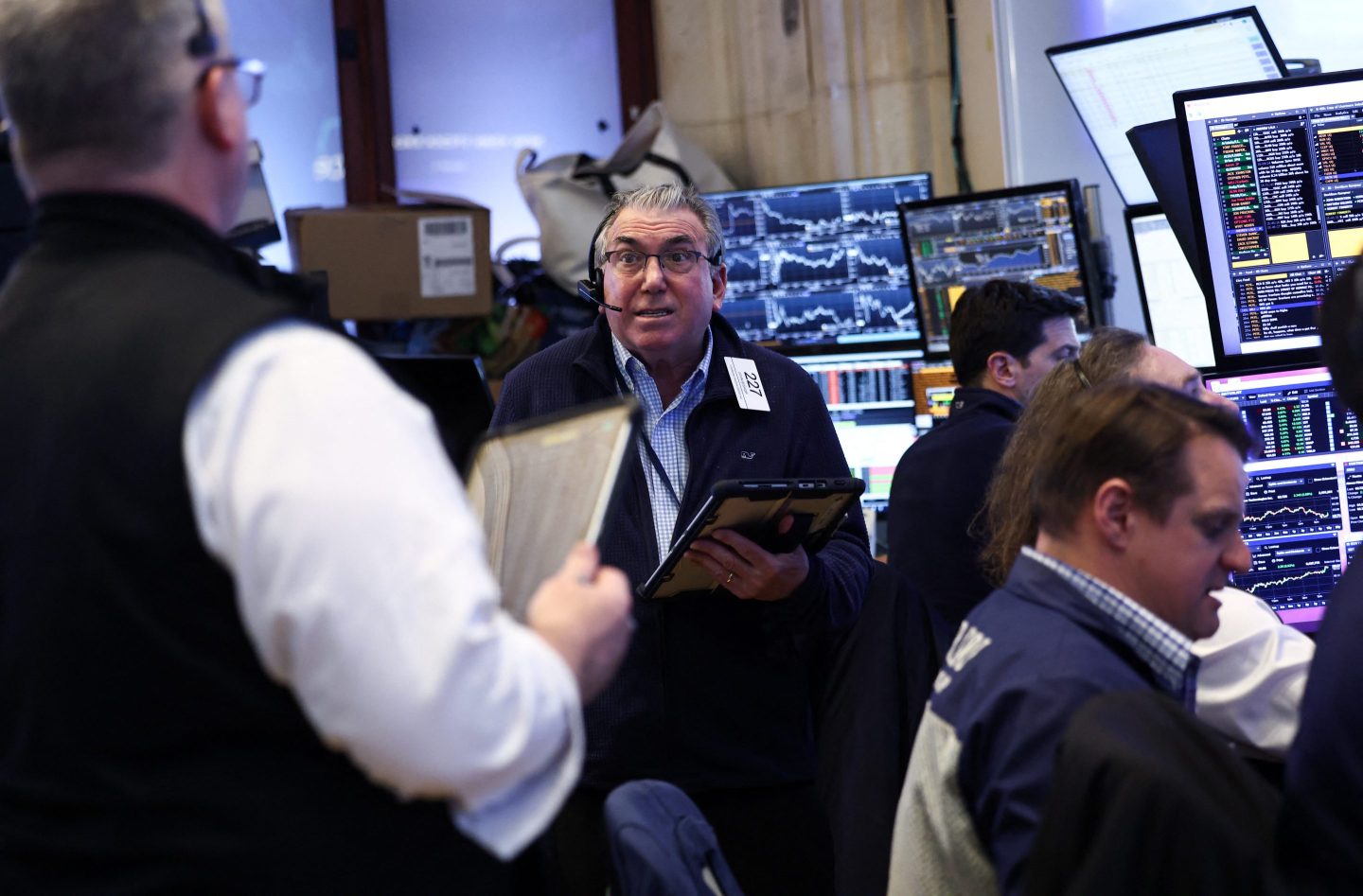
While markets have struggled the past year due to rising interest rates, the economy itself has rebounded well from the COVID-induced recession. The U.S. labor market is still tight, and the share of prime-age workers—aged 25 to 54—participating in the workforce took only three years to return to pre-pandemic levels. After the 2008 crisis, the same demographic took 12 years to normalize. The stock market has also been consistently appreciating in value this year as the Fed signaled it might pause more interest rate hikes, with the S&P 500 up almost 10% since January.
Many economists, including former Treasury Secretary Larry Summers, are still warning about a looming recession, although its start date continues to be pushed back. And even if the economy overall survives the Fed’s interest rates, the stock market, which is in many ways an indicator of where investors feel the economy is headed, could go a different way.
Icahn said he remains bearish on the economy’s chances in the short- to intermediate-run, but also suggested he has learned a lesson to never bet too big against the U.S.
“I still to some extent believe that this economy is not good and there are going to be problems ahead,” he said. “We are still hedged, but not to the extent we were.”
But Icahn is likely still in hot water even if his bet against the U.S. economy does pay off. Icahn Enterprises is also dealing with a government probe this month investigating the company’s governance practices, dividends, and due diligence process. It is unclear whether this investigation is related to Hindenburg’s report. Meanwhile, activist investors like Icahn, financiers who buy a large enough stake in distressed companies with the intent of influencing management’s decisions, have faced a rising number of challenges in today’s high-rate environment.