• Home
  • Latest
  • Fortune 500
  • Finance
  • Tech
  • Leadership
  • Lifestyle
  • Rankings
  • Multimedia
Saudi Arabia
Europe

Analyst of Saudi foreign policy breaks down what’s really going on with the key U.S. ally’s major new deals with Iran and China

By
Kristian Coates Ulrichsen
and
The Conversation
The Conversation
Down Arrow Button Icon
By
Kristian Coates Ulrichsen
and
The Conversation
The Conversation
Down Arrow Button Icon
March 27, 2023, 1:06 PM ET
Donald Trump
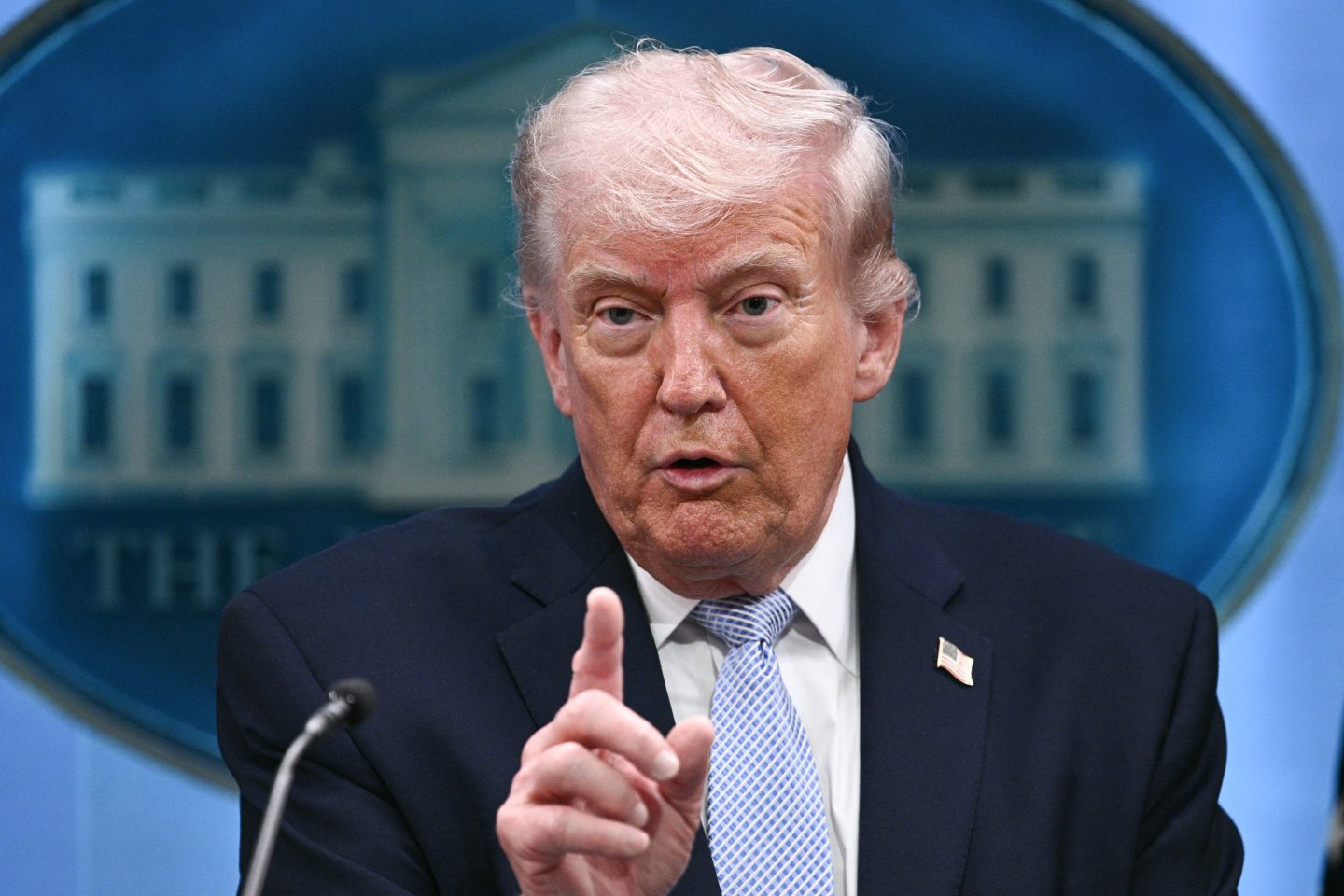
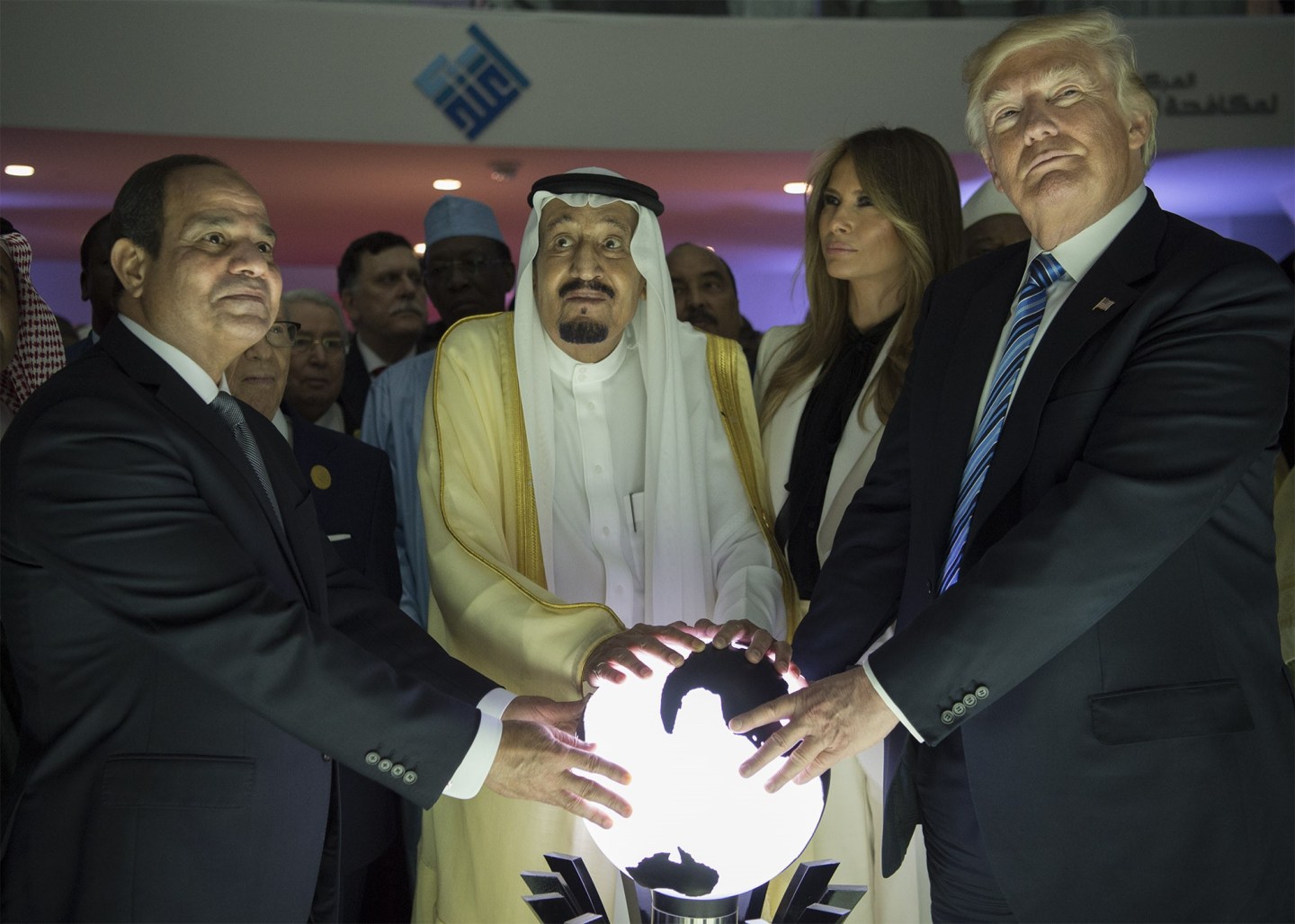
Donald Trump and America's Saudi Arabian allies, in happier times back 2017.Bandar Algaloud / Saudi Royal Council / Handout/Anadolu Agency/Getty Images

The fact that Saudi Arabia entered a rapprochement deal with Iran and chose China to broker it came as a surprise to many international observers.

The agreement, officially called the Joint Trilateral Statement, was signed in Beijing on March 11 and begins the process of restoring diplomatic ties between Riyadh and Tehran. Those ties were severed in January 2016 after protesters stormed the Saudi Embassy in Iran in the aftermath of the execution of Nimr al-Nimr, a prominent Saudi Shiite cleric who had criticized Saudi treatment of its Shiite minority.

As an analyst of Saudi foreign policy, I’ve seen how the kingdom’s decision to engage in this way with Iran and China is part of a broader diversification of the kingdom’s international relationships that has unfolded over the past decade. To close observers of geopolitical trends in Saudi Arabia and other Gulf states, the China-brokered deal fits into a pattern.

From being firmly a part of the anti-communist camp during the Cold War and closely tied into U.S.-led regional security networks in the Persian Gulf, Saudi foreign policy is now taking a nonaligned stance that has become increasingly consequential for how Saudi Arabia pursues its interests.

Saudis question US partnership

The relationship between the U.S. and Saudi Arabia is often said to revolve around an oil-for-security dynamic in which the Saudis provide the former and the U.S. the latter.

In reality, ties have spanned a far wider spectrum than that and have been more complicated, with periods of high tension – stemming from events such as Saudi participation in the Arab oil embargo in 1973, or the involvement of Saudi citizens in the Sept. 11 terrorism attacks in 2001.

But since the Arab Spring protests in the early 2010s, U.S.-Saudi relations have frayed, both in Riyadh and in Washington. The perception among Gulf leaders that the Obama administration abandoned former Egyptian President Hosni Mubarak during the Egyptian revolution in 2011 left them deeply rattled. They feared that the U.S. could abandon them just as it had done Mubarak, a longtime partner of 30 years.

This was compounded by the Gulf states’ exclusion from U.S. negotiations with Iran, initially in secret bilateral talks in 2013 and subsequently as part of the P5+1 framework of the U.N. Security Council permanent members, plus Germany, which culminated in the Iran nuclear deal in 2015.

And then in 2019, a missile and drone attack on Saudi oil infrastructure temporarily knocked out half the kingdom’s production. The attacks were linked, but never formally attributed, to Iran. President Donald Trump responded by declaring it had been an attack on Saudi Arabia, not on the U.S., drawing a distinction between their interests. Trump’s remarks, and subsequent inaction, caused shockwaves in Riyadh and other Gulf capitals as leaders began to question U.S. credibility as a reliable regional partner.

Finally, in 2021, the chaotic nature of the U.S. withdrawal from Kabul, Afghanistan, served to reinforce deeply-rooted perceptions about U.S. disengagement from the Middle East, irrespective of the situation in reality.

Pivot to booming China

It is against this backdrop of pragmatic acknowledgment of its own vulnerabilities to regional and global tensions – and entrenched uncertainty about the role of the U.S. as a long-term partner – that Saudi Arabia began to broaden its international relationships, with particular attention on China.

Officials across the Gulf believe China will replace the U.S. as the dominant economic and energy superpower in the 21st century. For more than a decade, a majority of oil and gas from the six Gulf monarchies has flowed east to Asia in quantities that far exceed the cargoes heading west to Europe and North America.

In a further sign of deepening bilateral ties, in December 2022, Chinese President Xi Jinping visited Saudi Arabia to sign investment agreements across 34 sectors, ranging from green energy and information technology to construction and logistics.

Moving toward reconciliation with Iran

Meanwhile, the Saudi outreach to Iran has been more than three years in the making.

It began after the 2019 oil attacks and focused initially on de-escalating regional tensions. Saudi and Iranian officials held five rounds of dialogue in Iraq between 2020 and 2022 to try to bridge the issues that divided them. These meetings formed the backdrop to the China-brokered deal in Beijing.

Reports have suggested that Saudi Arabia’s King Salman has invited Iranian President Ebrahim Raisi to the kingdom, possibly during Ramadan, the Muslim holy month that began on March 22. Any such visit would indicate a political will on both sides to move beyond the two decades of rancor and acrimony that followed the U.S. invasion of Iraq in 2003 and doomed an earlier phase of Saudi-Iranian rapprochement at the turn of the century.

A Saudi reconciliation with Iran would undermine attempts by the U.S. and Israel to increase Iran’s international isolation and is consistent with a Saudi desire to de-escalate regional tensions. This is particularly the case as Vision 2030, a plan to diversify the Saudi economy beyond oil revenue, reaches its halfway stage and begins to implement the infrastructure and tourism giga-projects associated with Saudi Crown Prince Mohammed bin Salman. Launched in 2016, Vision 2030 has struggled to attract international buy-in, in part due to investor concerns about regional insecurity and its spillover into Saudi Arabia.

Balancing act on Ukraine

Saudia Arabia’s unwillingness to take sides in great power competition is also evident in policy responses to Russia’s invasion of Ukraine.

Saudi Arabia, as well as the United Arab Emirates, has resisted pressure to take sides in an era of strategic rivalries. One manifestation of this balancing act has been the Saudi decision to work with Russia within the framework of the oil producers group OPEC+ – and at the same time engage with U.S. officials over issues of oil output and prices.

The Saudi deal with Iran and choice of China as an intermediary is consistent with a deeper shift in Saudi foreign policy, which has been evident for some time. By adapting to changing circumstances, Mohammed bin Salman is looking to Saudi Arabia’s future and trying to strike a wider balance of power in what he sees as an eventual “post-American” Gulf.

Kristian Coates Ulrichsen is Baker Institute Fellow for Kuwait, Rice University.

This article is republished from The Conversation under a Creative Commons license. Read the original article.
Subscribe to Well Adjusted, our newsletter full of simple strategies to work smarter and live better, from the Fortune Well team. Sign up today.
About the Authors
By Kristian Coates Ulrichsen
See full bioRight Arrow Button Icon
By The Conversation
See full bioRight Arrow Button Icon

Latest in

Finance
Lorem ipsum dolor sit amet, consectetur adipiscing elit, sed do eiusmod tempor incididunt ut labore et dolore magna aliqua. Ut enim ad minim veniam
By Fortune Editors
October 20, 2025
Finance
Lorem ipsum dolor sit amet, consectetur adipiscing elit, sed do eiusmod tempor incididunt ut labore et dolore magna aliqua. Ut enim ad minim veniam
By Fortune Editors
October 20, 2025
Finance
Lorem ipsum dolor sit amet, consectetur adipiscing elit, sed do eiusmod tempor incididunt ut labore et dolore magna aliqua. Ut enim ad minim veniam
By Fortune Editors
October 20, 2025
Finance
Lorem ipsum dolor sit amet, consectetur adipiscing elit, sed do eiusmod tempor incididunt ut labore et dolore magna aliqua. Ut enim ad minim veniam
By Fortune Editors
October 20, 2025
Finance
Lorem ipsum dolor sit amet, consectetur adipiscing elit, sed do eiusmod tempor incididunt ut labore et dolore magna aliqua. Ut enim ad minim veniam
By Fortune Editors
October 20, 2025
Finance
Lorem ipsum dolor sit amet, consectetur adipiscing elit, sed do eiusmod tempor incididunt ut labore et dolore magna aliqua. Ut enim ad minim veniam
By Fortune Editors
October 20, 2025

Most Popular

Finance
Lorem ipsum dolor sit amet, consectetur adipiscing elit, sed do eiusmod tempor incididunt ut labore et dolore magna aliqua. Ut enim ad minim veniam
By Fortune Editors
October 20, 2025
Finance
Lorem ipsum dolor sit amet, consectetur adipiscing elit, sed do eiusmod tempor incididunt ut labore et dolore magna aliqua. Ut enim ad minim veniam
By Fortune Editors
October 20, 2025
Finance
Lorem ipsum dolor sit amet, consectetur adipiscing elit, sed do eiusmod tempor incididunt ut labore et dolore magna aliqua. Ut enim ad minim veniam
By Fortune Editors
October 20, 2025
Finance
Lorem ipsum dolor sit amet, consectetur adipiscing elit, sed do eiusmod tempor incididunt ut labore et dolore magna aliqua. Ut enim ad minim veniam
By Fortune Editors
October 20, 2025
Finance
Lorem ipsum dolor sit amet, consectetur adipiscing elit, sed do eiusmod tempor incididunt ut labore et dolore magna aliqua. Ut enim ad minim veniam
By Fortune Editors
October 20, 2025
Finance
Lorem ipsum dolor sit amet, consectetur adipiscing elit, sed do eiusmod tempor incididunt ut labore et dolore magna aliqua. Ut enim ad minim veniam
By Fortune Editors
October 20, 2025
Fortune Secondary Logo
Rankings
  • 100 Best Companies
  • Fortune 500
  • Global 500
  • Fortune 500 Europe
  • Most Powerful Women
  • Future 50
  • World’s Most Admired Companies
  • See All Rankings
Sections
  • Finance
  • Fortune Crypto
  • Features
  • Leadership
  • Health
  • Commentary
  • Success
  • Retail
  • Mpw
  • Tech
  • Lifestyle
  • CEO Initiative
  • Asia
  • Politics
  • Conferences
  • Europe
  • Newsletters
  • Personal Finance
  • Environment
  • Magazine
  • Education
Customer Support
  • Frequently Asked Questions
  • Customer Service Portal
  • Privacy Policy
  • Terms Of Use
  • Single Issues For Purchase
  • International Print
Commercial Services
  • Advertising
  • Fortune Brand Studio
  • Fortune Analytics
  • Fortune Conferences
  • Business Development
  • Group Subscriptions
About Us
  • About Us
  • Editorial Calendar
  • Press Center
  • Work At Fortune
  • Diversity And Inclusion
  • Terms And Conditions
  • Site Map
Fortune Secondary Logo
  • About Us
  • Editorial Calendar
  • Press Center
  • Work At Fortune
  • Diversity And Inclusion
  • Terms And Conditions
  • Site Map
  • Facebook icon
  • Twitter icon
  • LinkedIn icon
  • Instagram icon
  • Pinterest icon

Latest in

zuck
Commentarycyber
Boards aren’t ready for the AI age: What happens when your CEO gets deepfaked?
By James RichardsonMarch 3, 2026
48 minutes ago
AIMeta
Want to live forever? Meta patented an AI model that would keep your profile active after you die
By Jacqueline MunisMarch 3, 2026
55 minutes ago
SuccessThe Promotion Playbook
JPMorgan’s CEO Jamie Dimon reveals the career goal he adopted when he was just a 28-year-old assistant: Do not speak unless you can add value
By Orianna Rosa RoyleMarch 3, 2026
2 hours ago
Personal FinanceReal Estate
Current ARM mortgage rates report for March 3, 2026
By Glen Luke FlanaganMarch 3, 2026
2 hours ago
Personal Financemortgage rates
Current refi mortgage rates report for March 3, 2026
By Glen Luke FlanaganMarch 3, 2026
2 hours ago
Personal Financemortgages
Mortgage rates today, March 3, 2026
By Glen Luke FlanaganMarch 3, 2026
2 hours ago

Most Popular

placeholder alt text
Middle East
U.S. military gives Iran a taste of its own medicine with cheap copycat Shahed drones, while concern shifts to munitions supply in extended conflict
By Jason MaMarch 1, 2026
2 days ago
placeholder alt text
Success
MacKenzie Scott's close relationship with Toni Morrison long before Amazon put Scott on the path to give more than $1 billion to HBCUs
By Sasha RogelbergMarch 1, 2026
2 days ago
placeholder alt text
Economy
Your grandparents are the reason the U.S. isn't in a recession right now. That won't last forever
By Eleanor PringleMarch 1, 2026
2 days ago
placeholder alt text
Success
Slack cofounder says workers and CEOs can get stuck doing 'fake' work like pre-meetings and slideshows
By Emma BurleighMarch 1, 2026
2 days ago
placeholder alt text
AI
American schools weren’t broken until Silicon Valley used a lie to convince them they were—now reading and math scores are plummeting
By Sasha RogelbergMarch 1, 2026
2 days ago
placeholder alt text
Health
Gen Z men are eating ‘boy kibble,’ the human equivalent to dog food, to load up on protein cheaply
By Jake AngeloMarch 1, 2026
2 days ago

© 2026 Fortune Media IP Limited. All Rights Reserved. Use of this site constitutes acceptance of our Terms of Use and Privacy Policy | CA Notice at Collection and Privacy Notice | Do Not Sell/Share My Personal Information
FORTUNE is a trademark of Fortune Media IP Limited, registered in the U.S. and other countries. FORTUNE may receive compensation for some links to products and services on this website. Offers may be subject to change without notice.