On board the HMS Beagle, a sailboat anchored off Puerto Ayora, Santa Cruz Island in the Galápagos, high school chefs plated a three-course meal akin to fine dining. At the table, women from various organizations discussed life in the famous but remote archipelago, something most people don’t consider. Conversations primarily focus on the land and animals; however, social issues and disparities are often ignored.
Similarly, Punta de Mita in Mexico is coined as a luxury tourist destination, but up the street from beachside resorts, basic healthcare is hard to come by. Or in a place like Maui, ecosystems and watersheds give life to the island, but are on the brink.
Tourism is tricky like that. Many low-income or environmentally delicate locations just so happen to be attractions of value, and hospitality must reconcile this with being a sustainable place to live. So, some hospitality boards are looking at their role in the community and the positive impact they can make.
Developing well-being for residents
In 1986, the Diez family started Quasar Expeditions, a tour operator in the Galápagos with two small-capacity boats that guide expedition cruises. Their initial vision was to help preserve the islands through tourism. In the past 17 years, however, they have witnessed the Galápagos grow beyond its means alongside the demand for tourism and its subsequent needs (more hotels, restaurants, shops, etc.). Throughout this time, the family became aware of issues plaguing the community and how most funding, including the national park entrance fee ($100 per adult), goes to ecological programs.
Prior to COVID, tourism made up 85% of the economy in Galápagos. But, on the other hand, people there don’t even have proper waste management.
“It’s 2022, and there’s no potable water in the Galápagos,” says Fernando Diez, marketing director of Quasar. He noted rampant misuse of funds and greenwashing among organizations dedicated to conservation and community work adds to the problem. His brother Francisco, Quasar’s president and CEO, adds, “It’s a third-world country, and many people with low economic means look at life as a zero-sum game. But, many here look at Galápagos as a goldmine, if you will, that needs to be exploited to their maximum benefit.”
Quasar’s board has five members: mom, dad, and three sons. They meet about once a month and find success in shared values, a strong bond of trust, and the ability to separate family from business. Social initiatives came to the forefront as the population increased without the infrastructure to support it. And a recent study by Science Direct looked at this balance, observing that “the natural characteristics of the islands and species are well protected. However, many people believe that sustainability will not be achieved if social concerns are not resolved.”
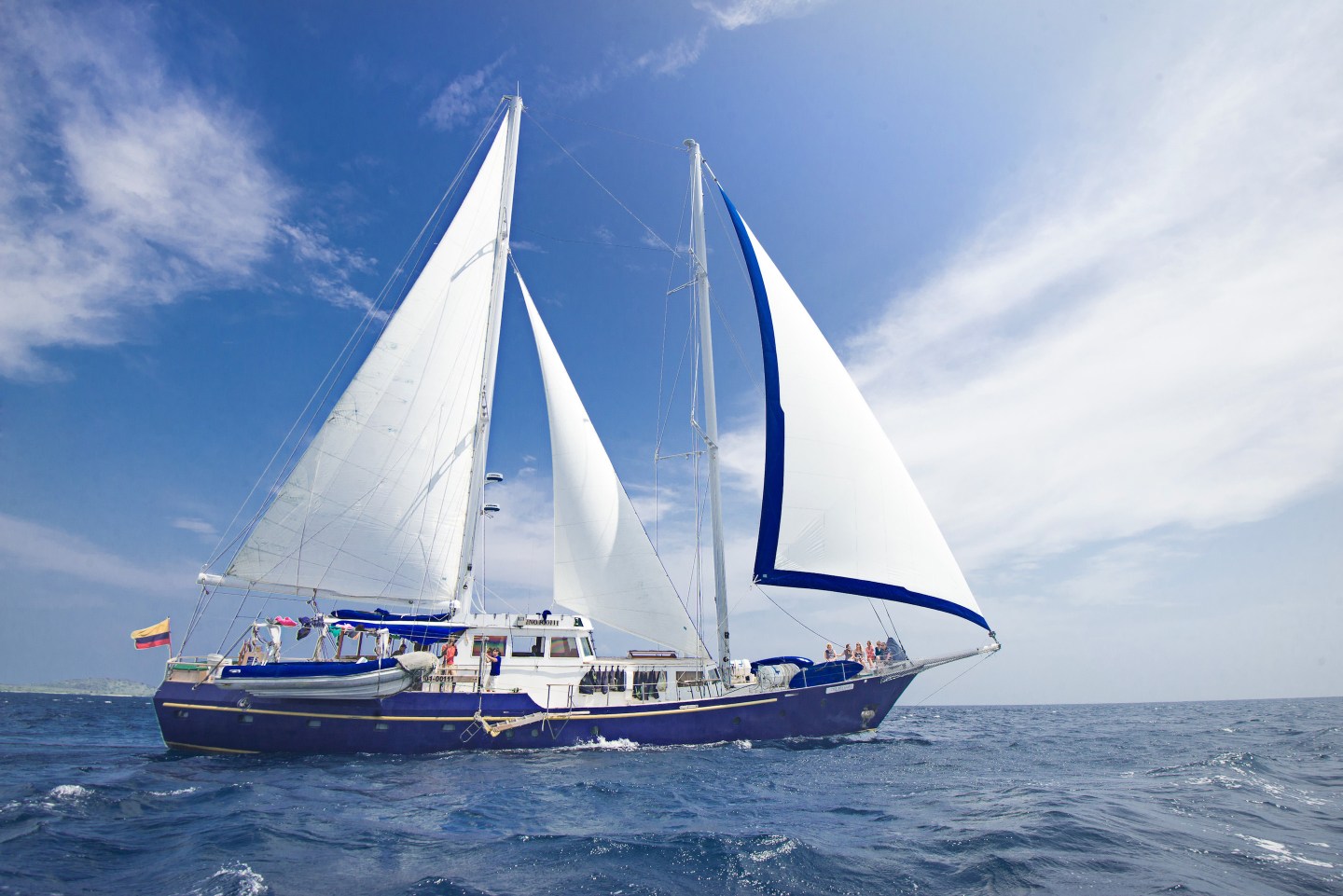
Because of the risk of corruption across many foundations, Quasar vets verified non-government organizations and nonprofits directly, specifically those that positively impact the community. Among them, educational groups, like Fundación Naveducando, provide learning opportunities for children. Quasar also donated the HMS Beagle for various community services, such as the Gastronomy and Hospitality School of Galápagos. The high school students—many of whom are children of older fishermen—learn high-end cooking and hospitality skills, including engineering, mechanics, sailing, cooking, and captain training.
With the boat, they also take locals on short cruises. Many of whom never thought they would visit the Galápagos National Park because they can’t afford a tour. “There’s a huge gap between the community and what Galápagos is, and we want to bridge that gap by giving residents something that nobody has given them before, and it’s to be able to see where they live,” Francisco said, highlighting this disparity and the unbalanced economy in the islands. “I believe within the travel sector and cruise operators should be the ones to bridge that gap.”
Building the community alongside tourism growth
Near Mexico’s Puerto Vallarta, Punta de Mita emerged as a beachside destination packed with high-end experiences. One community within the community is Punta Mita, a 1,500-acre private peninsula with 19 residential neighborhoods, two golf courses, five beach clubs, and two 5-diamond rated resorts: the Four Seasons Resort Punta Mita and the St. Regis Resort Punta Mita.
Animosity initially occurred when the bulldozers arrived more than 20 years ago. However, Punta Mita’s developer DINE had sustainability in mind from the onset to help the community grow alongside tourism development.
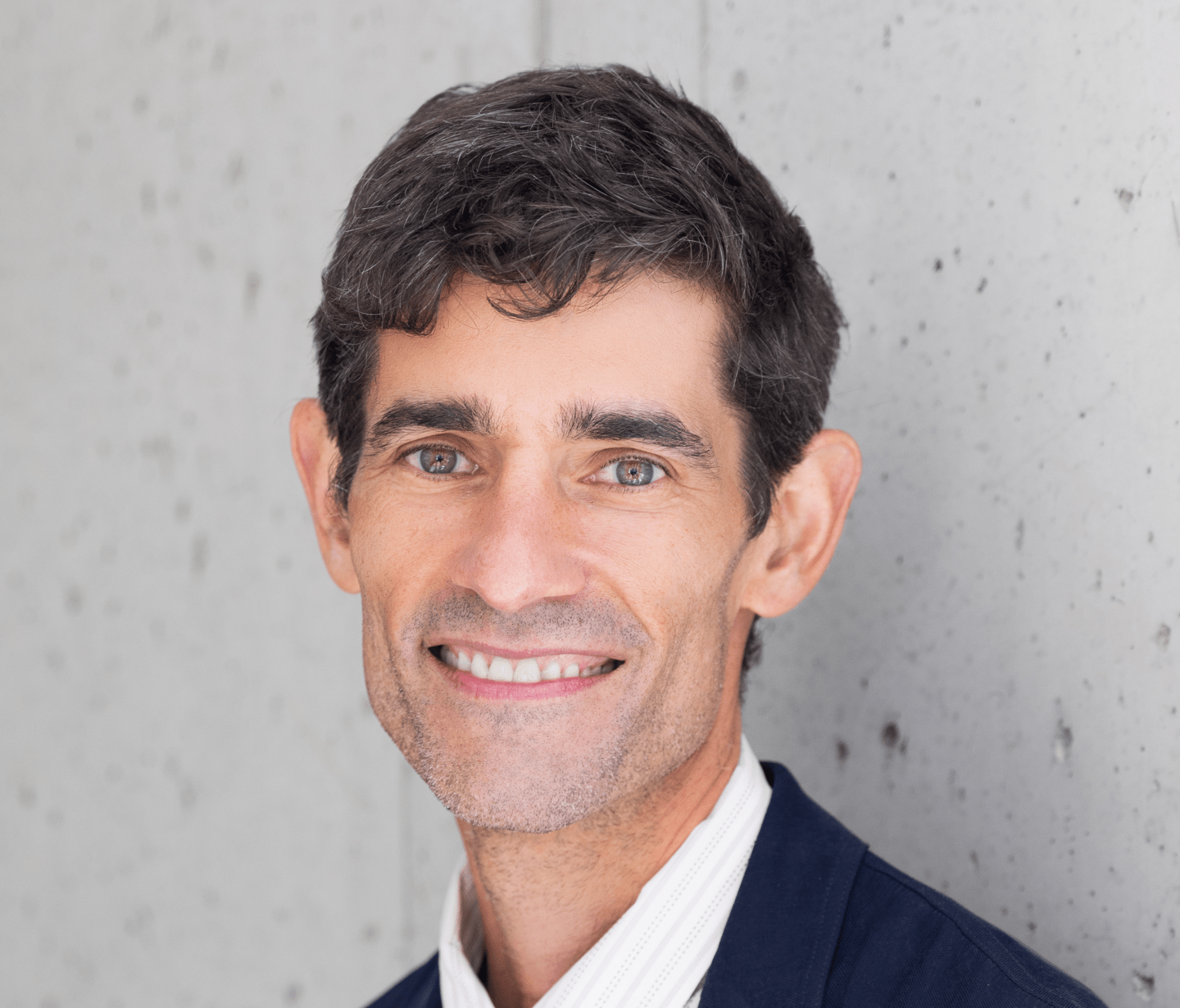
“The local community is similar to most in Mexico: there’s that natural contrast between those who have and those who do not have,” says Carl Emberson, DINE Punta Mita’s director of operations. As a result, DINE has funded various organizations throughout the two decades to ensure the area would see healthy development across all sectors. These efforts focused on local welfare. “Right from the beginning, there’s been a consciousness to support our community, both from us as the developer and the homeowners in Punta Mita who are affluent Americans, Canadians, and Mexicans.”
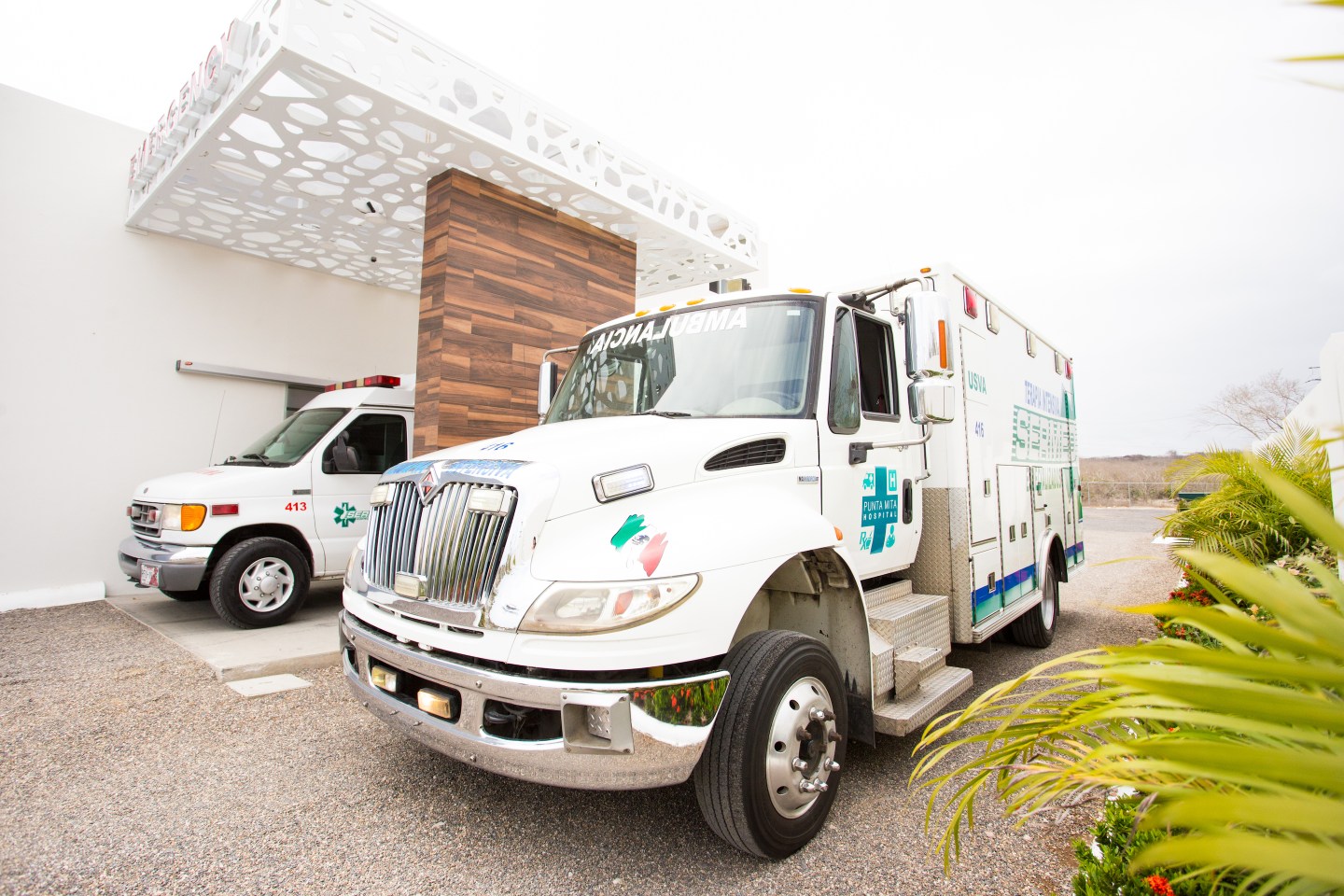
Before COVID, the board—comprised of homeowners, senior leadership, and colleagues in DINE—launched its own foundation, called Fundación DINE Punta Mita, with the intention to continue those efforts but with a more focused lens. As COVID took its toll, the foundation quickly raised $1 million for food programs and “Connect for Kids” technology distributions that allowed for remote learning. The foundation has since worked to build a hospital enabling regular, urgent, and emergency care, which wasn’t readily accessible before. And next year, they are opening a campus to provide education, both secondary and tertiary, to provide training for jobs.
“You build a community by doing things apart from the cocktail parties and the great dinners,” Emberson says. “You build it by being aware of the community.”
An all-inclusive approach in Hawaii
Tourism needs to have full circle approach that considers all aspects of “place,” and hospitality brands must consider how to be involved, not if. Hawaii, for example, sees a consistent flow of visitors, but has become referred to as “the endangered species capital of the world.”
The Andaz Maui at Wailea Resort has developed strong relationships throughout the island to enrich cultural stories, support small business and farmers, and protect the natural habitat, which is quickly dwindling due to invasive species, climate, and overdevelopment.
The Pu’u Kukui Watershed Reserve, for one, is particularly crucial in the West Maui Mountains. The natural watershed provides water to West Maui, which simply cannot sustain without proper water flow. However, certain threats are infringing on its current vitality.
“People don’t realize that we live on an island and people like ourselves care for the water we consume, whether in or outside of the resort,” says the property’s Hawaiian culture training specialist, Kalikolehua Storer. The partnership involves education, awareness, and accepting responsibility for water protection.
This initiative considers Maui as a whole, which includes the future health of land and people. And this sees tourism as a comprehensive approach. And for places like Maui, Galápagos, Punta de Mita, and other areas balancing visitors with social and ecological needs, inclusivity is necessary beyond the walls of hospitality. It is quite simply all-encompassing. “We thrive as a community of Maui when,” Storer says. “We include all partnerships whether local farmers, eco-friendly landscaping, conservation, and preservation. We live on an island together.”
According to the Science Direct study, social and ecological concerns must be considered as a whole for a tourist destination to succeed. “If tourism is thought to be a catalyst of sustainable development,” it states. “Then, quality-of-life and individual well-being of local residents must be addressed, even as conservation priorities are considered.”
Sign up for the Fortune Features email list so you don’t miss our biggest features, exclusive interviews, and investigations.