• Home
  • News
  • Fortune 500
  • Tech
  • Finance
  • Leadership
  • Lifestyle
  • Rankings
  • Multimedia
ConferencesGlobal Sustainability Forum

Business leaders on how they navigate ESG backlash: ‘The language needs to change’

By
Lucy Brewster
Lucy Brewster
Down Arrow Button Icon
By
Lucy Brewster
Lucy Brewster
Down Arrow Button Icon
September 29, 2022, 6:00 PM ET
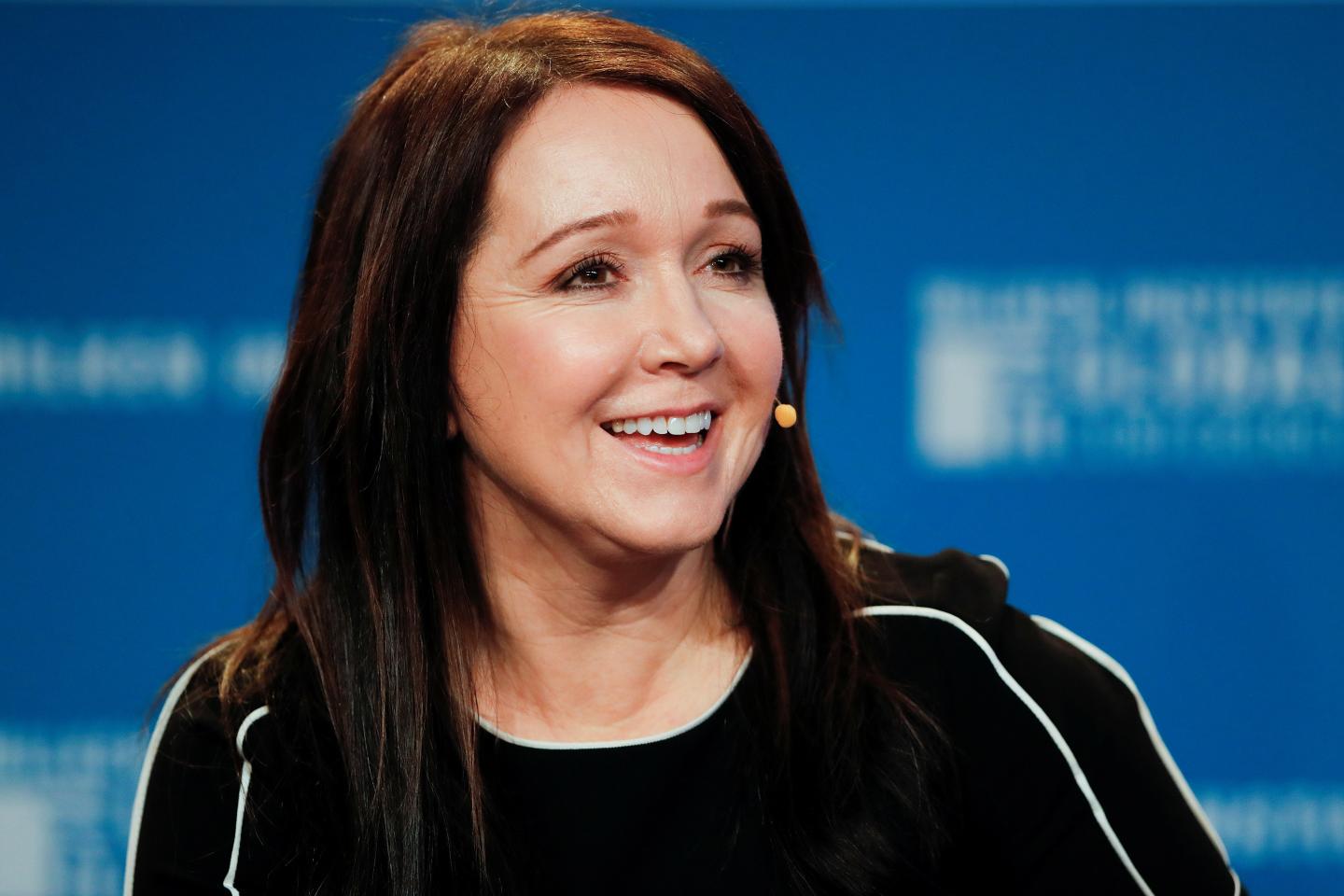
Marcie Frost, CEO of CalPERS, speaks during the Milken Institute's 22nd annual Global Conference in Beverly Hills on April 29, 2019.
CalPERS CEO Marcie Frost argues that the term ESG needs a rebrand to specify that sustainable investing is also a risk-averse, long term, safe set of investing principles.Mike Blake—Reuters

The finance industry has a unique set of regulatory, financial, and logistical hurdles on the path to going green.

Yet one additional challenge that leaders say is especially unique to American investors, executives, and fund managers is navigating the fraught political climate in the United States, according to panelists at Fortune‘s Global Sustainability Forum on Thursday.

“ESG has become this three-letter word that has become a political football, at least here in the U.S.,” explained Marcie Frost, CEO of CalPERS, which manages California’s pension fund. “I don’t see that globally and with our international counterparts.”

ESG (environmental, social, and governance) mandates are a strategy of investing that screens companies to determine how well a corporation is meeting the standards of environmentally conscious socially equitable operations. Yet the term is being painted by conservative critics as “woke” investing and some investors are facing criticism that a sustainable investing strategy means sacrificing profit. 

Frost argued that the term ESG needs a rebrand to specify that sustainable investing is also a risk-averse, long term, safe set of investing principles. “We need to find a way to make sustainable investors and sustainable investments withstand all the various market cycles and the various conditions that are going to be ahead of us,” explained Frost. “I think the language needs to change, at least here in the U.S.”

Professor Laura Tyson at the Haas School of Business at the University of California, Berkeley also emphasized that a semantic change could sway investors, arguing that focusing more on the “environmental” component of ESG will help sustainable investors avoid criticism that comes with a general, catch-all term.

“I like the idea of a distinguishing ‘E’ and talking about climate-led investing,” said Tyson. She added that some investors may be opposed to social and governance corporate policies, but are willing to support more climate-conscious investing decisions. 

Another issue caused by American political turmoil? A lack of comprehensive environmental regulation and standards from the government, according to Tyson.

“The movement for disclosure and transparency has momentum, even if the U.S. can’t take a major step right now because of political reasons,” Tyson explained. She pointed to the fact that the U.S. is making some progress, namely the tax incentives that are built into the Inflation Reduction Act, which was passed in August that she argued will create demand for consumers and companies to choose sustainable products and services.  

Tyson had a suggestion for still making progress with climate legislation despite federal gridlock. “I want to emphasize that there’s also a role for states,” she explained. California, for example, announced that it is banning carbon emitting cars after 2035. She argued that even if the federal government does not coordinate regulation that is as far-reaching as many say we need, individual states can lead the charge.  

The panelists emphasized that despite the fact that the U.S. may not be as heavily involved as other nations, the world is moving towards creating more robust regulations and transparency standards to avoid carbon emissions. “Investors have put a lot of pressure on these companies,” said Tyson. “So over time, there are going to be more and more global standardized measures developed to lay out the targets of Scope 1, 2, and 3 emissions.”

Sign up for the Fortune Features email list so you don’t miss our biggest features, exclusive interviews, and investigations.

About the Author
By Lucy Brewster
See full bioRight Arrow Button Icon

Latest from our Conferences

Workplace CultureBrainstorm Design
How two leaders used design thinking and a focus on outcomes to transform two Fortune 500 giants
By Christina PantinDecember 4, 2025
1 day ago
Workplace CultureBrainstorm Design
Designer Kevin Bethune: Bringing ‘disparate disciplines around the table’ is how leaders can ‘problem solve the future’
By Fortune EditorsDecember 3, 2025
2 days ago
AIBrainstorm Design
Microsoft AI’s design head wants her team to be AI-native by the end of the fiscal year
By Angelica AngDecember 3, 2025
2 days ago
AsiaFortune Innovation Forum
Syfe CEO: Fintech founders need to focus on trust if the sector is to reach its full potential
By Dhruv AroraNovember 24, 2025
11 days ago
EnergyFortune Innovation Forum
Going green doesn’t always mean going big: ‘Pay attention to the small- and medium-size players as well’
By Angelica AngNovember 24, 2025
11 days ago
AsiaFortune Innovation Forum
A World Bank expert thinks countries should leverage ‘small AI’—and avoid competing with the biggest tech giants
By Nicholas GordonNovember 24, 2025
11 days ago

Most Popular

placeholder alt text
Economy
Two months into the new fiscal year and the U.S. government is already spending more than $10 billion a week servicing national debt
By Eleanor PringleDecember 4, 2025
1 day ago
placeholder alt text
Success
‘Godfather of AI’ says Bill Gates and Elon Musk are right about the future of work—but he predicts mass unemployment is on its way
By Preston ForeDecember 4, 2025
23 hours ago
placeholder alt text
Success
Nearly 4 million new manufacturing jobs are coming to America as boomers retire—but it's the one trade job Gen Z doesn't want
By Emma BurleighDecember 4, 2025
23 hours ago
placeholder alt text
Success
Nvidia CEO Jensen Huang admits he works 7 days a week, including holidays, in a constant 'state of anxiety' out of fear of going bankrupt
By Jessica CoacciDecember 4, 2025
22 hours ago
placeholder alt text
Economy
Tariffs and the $38 trillion national debt: Kevin Hassett sees ’big reductions’ in deficit while Scott Bessent sees a ‘shrinking ice cube’
By Nick LichtenbergDecember 4, 2025
21 hours ago
placeholder alt text
Health
Bill Gates decries ‘significant reversal in child deaths’ as nearly 5 million kids will die before they turn 5 this year
By Nick LichtenbergDecember 4, 2025
1 day ago
Rankings
  • 100 Best Companies
  • Fortune 500
  • Global 500
  • Fortune 500 Europe
  • Most Powerful Women
  • Future 50
  • World’s Most Admired Companies
  • See All Rankings
Sections
  • Finance
  • Leadership
  • Success
  • Tech
  • Asia
  • Europe
  • Environment
  • Fortune Crypto
  • Health
  • Retail
  • Lifestyle
  • Politics
  • Newsletters
  • Magazine
  • Features
  • Commentary
  • Mpw
  • CEO Initiative
  • Conferences
  • Personal Finance
  • Education
Customer Support
  • Frequently Asked Questions
  • Customer Service Portal
  • Privacy Policy
  • Terms Of Use
  • Single Issues For Purchase
  • International Print
Commercial Services
  • Advertising
  • Fortune Brand Studio
  • Fortune Analytics
  • Fortune Conferences
  • Business Development
About Us
  • About Us
  • Editorial Calendar
  • Press Center
  • Work At Fortune
  • Diversity And Inclusion
  • Terms And Conditions
  • Site Map

© 2025 Fortune Media IP Limited. All Rights Reserved. Use of this site constitutes acceptance of our Terms of Use and Privacy Policy | CA Notice at Collection and Privacy Notice | Do Not Sell/Share My Personal Information
FORTUNE is a trademark of Fortune Media IP Limited, registered in the U.S. and other countries. FORTUNE may receive compensation for some links to products and services on this website. Offers may be subject to change without notice.