In late March, amid the world’s deadliest-ever wave of COVID infections in Hong Kong, Beijing dispatched a group of seven traditional Chinese medicine (TCM) experts to the city to combat the outbreak. The experts were tasked with setting up a TCM treatment center and encouraging Hongkongers to treat the virus with old-fashioned remedies. The city’s government hailed the TCM experts as saviors. Carrie Lam, Hong Kong’s chief executive, met with the experts personally and professed her “heartfelt gratitude” to mainland authorities for sending them, and thanked the experts for providing “insights in terms of direction and policy” into the city’s COVID response.
Within days of the team’s arrival, Hong Kong authorities sent out “anti-epidemic packets” to nearly every city resident, with each parcel containing TCM pills from the Chinese firm Yiling Pharmaceutical. The pills, named Lianhua Qingwen, are a COVID-19 treatment made up of apricot seed, licorice root, honeysuckle, and other herbs. The pills “may have better effect than Western medicine,” Lam later declared.
Hong Kong’s promotion of the pills has dismayed medical experts who say there is little scientific evidence that Lianhua Qingwen is an effective treatment for COVID-19. They say Hong Kong’s focus on TCM treatments distracts from what should be the city’s overriding priority: vaccinating the elderly.
Yanzhong Huang, senior fellow for global health at the Council on Foreign Relations, argues that Hong Kong’s public show of support for the TCM treatment aims to impress mainland authorities, who indirectly control city affairs, and has nothing to do with science. “Whether you favor Lianhua Qingwen or not right now is a litmus test on whether or not you are patriotic [in China],” says Huang.
In China, Lianhua Qingwen pills prominently feature in the country’s COVID-19 fight. Some residents in Shanghai, who have been locked in their apartments for over a month, have complained that they can more readily procure Lianhua Qingwen pills than food or other basic necessities. But prominent voices in China are pushing back, and Chinese citizens have begun to question the country’s reliance on the pills. Now the ancient remedy is quickly becoming a symbol for the government’s pandemic policy that appears increasingly stuck in the past.
Lianhua Qingwen
The Lianhua Qingwen pills were originally developed in 2003 by the Beijing-based firm Yiling Pharmaceutical. Wu Yiling, founder of Yiling Pharmaceutical, created the pills to fight severe acute respiratory syndrome (SARS) using a recipe of 13 herbal extracts prescribed by a medical textbook written in China 1,800 years ago.
Yiling Pharmaceutical deployed the pill during the SARS outbreak. But even after the disease all but disappeared in 2004, Chinese authorities still believed the pill could be useful. That year, China’s health commission listed Lianhua Qingwen as an official treatment option for the flu and other respiratory diseases.
When COVID-19 first broke out in early 2020, Chinese authorities added Lianhua Qingwen to China’s list of treatment options against the virus after authorities claimed the pills proved effective in treating early COVID patients. The pills quickly became central to Chinese doctors’ treatment of the virus. By May, China’s government said 91% of mainland COVID patients had received TCM treatments including Lianhua Qingwen pills.
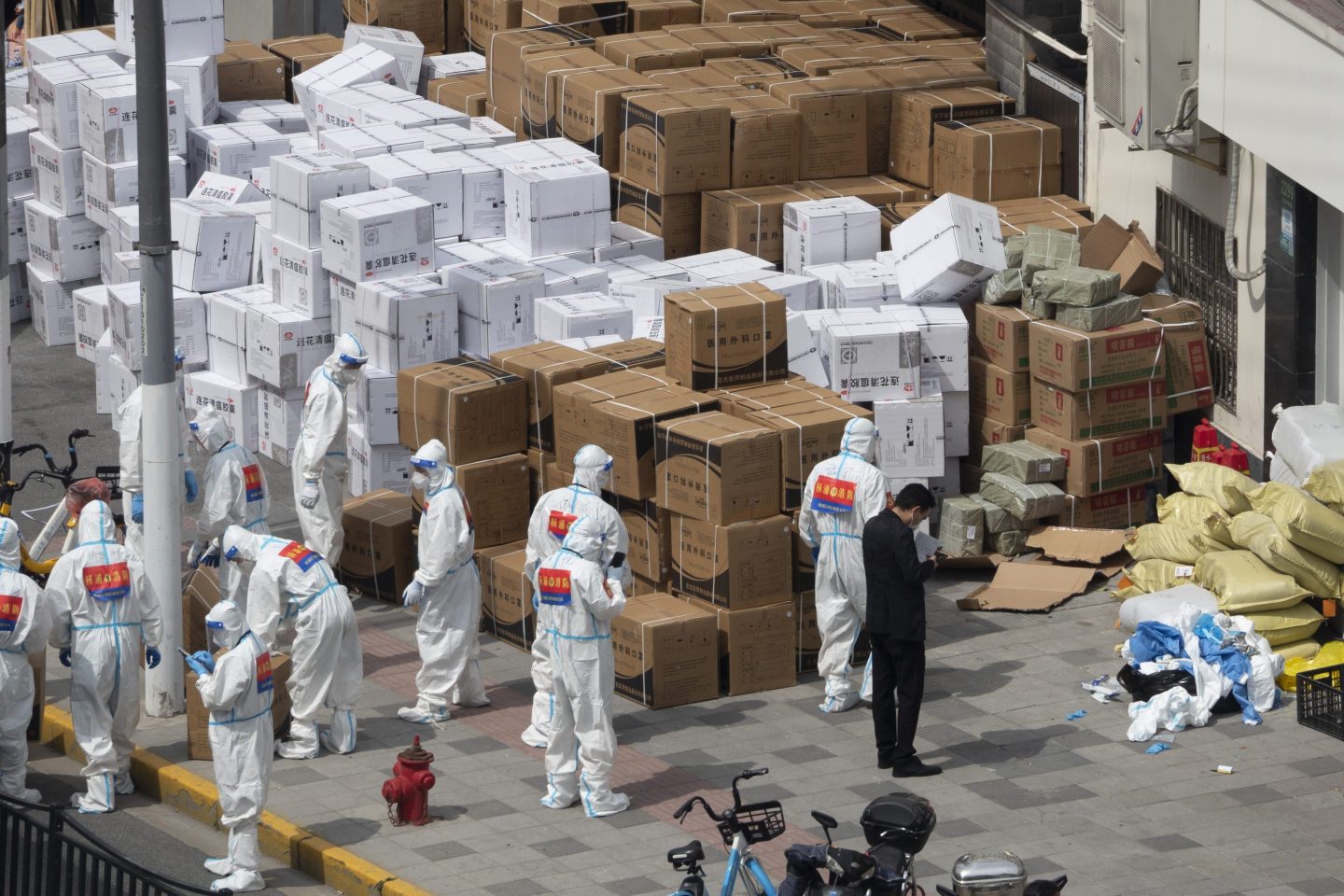
The government’s promotion of Lianhua Qingwen proved a financial bonanza to Yiling Pharmaceutical.
Yiling’s revenues soared to $1.36 billion in 2020, a 50% gain over the previous year. Lianhua Qingwen medicine sales accounted for nearly $660 million, or almost half of the firm’s total revenues in 2020. The firm also reported that its market share in flu and cold treatments in China expanded to 9.9% in 2020, up from from 2.4% in 2017 due to the influx of new buyers.
The Lianhua Qingwen pills also attracted attention overseas. Foreign sales jumped to $46 million in 2020, up from $5 million the previous year. Yiling sells its pills in over two dozen countries. A handful of foreign governments including Mongolia and Kuwait also include Lianhua Qingwen in national guidelines on how to treat COVID.
But many foreign governments remain wary of the drug.
Australian authorities have banned Lianhua Qingwen because the pills contain an ingredient used to make methamphetamine. In the U.S., the Food and Drug Administration advises consumers not to purchase the pills and has accused U.S. retailers of falsely labeling the drug as a proven treatment option for COVID.
The World Health Organization this year deemed Lianhua Qingwen one of three TCM treatments that appeared “promising” against COVID-19 in scientific studies. But the organization stopped short of fully endorsing the drugs.
“Evidence suggests that TCM was safe and beneficial when combined with conventional antiviral medications to treat mild and moderate cases,” says Xi Chen, associate professor of public health at Yale University. But he cautions that more research is “critically needed” on how effective the pills are against severe cases.
The WHO approval helped validate China’s promotion of the pills as a legitimate alternative to western medicines.
China’s President Xi Jinping calls TCM a “national treasure,” and the TCM industry has flourished under his watch. China now has more than 65,000 TCM hospitals and clinics, 40% more than in 2015. In total, China’s TCM industry is worth $26.4 billion, up from $15.7 billion in 2017.
“While the TCM treatments [for COVID] might temporarily alleviate symptoms in some users, the explicit promotion of these medicines is more political than scientific,” says Nicholas Thomas, a professor of global health governance at the City University of Hong Kong. “The current promotion of TCM ties in with a long-running bionationalist campaign of supporting these types of remedies.”
China’s government is not alone in promoting questionable COVID remedies. In the U.S., former President Donald Trump often hawked unproven COVID drugs such as malaria medication hydroxychloroquine, while other prominent officials boosted the horse dewormer Ivermectin. But unlike China, the U.S. government has not distributed hydroxychloroquine and Ivermectin capsules to its citizens, as medical experts and regulatory bodies are able to push back against politically driven but unproven therapies.
An alternative?
The main danger for China’s government in promoting the pills is not that more people will take them; rather, it’s that many Chinese citizens will see Lianhua Qingwen pills as a replacement for COVID-19 vaccines. There is some anecdotal evidence that China’s promotion of TCM may be undermining its vaccination efforts.
This week, in a study on Hong Kong’s low elderly vaccination rate—only 25% of people above the age of 80 were fully vaccinated at the beginning of this year—researchers at Hong Kong University found that at least some elderly people did not get vaccinated due to a preference for TCM options like Lianhua Qingwen.
“I seldom go to see doctors of Western medicine,” one participant in the study told researchers. “I usually go to see doctors of Chinese medicine…it is very annoying to take Western medicine and get vaccinated at old age.”
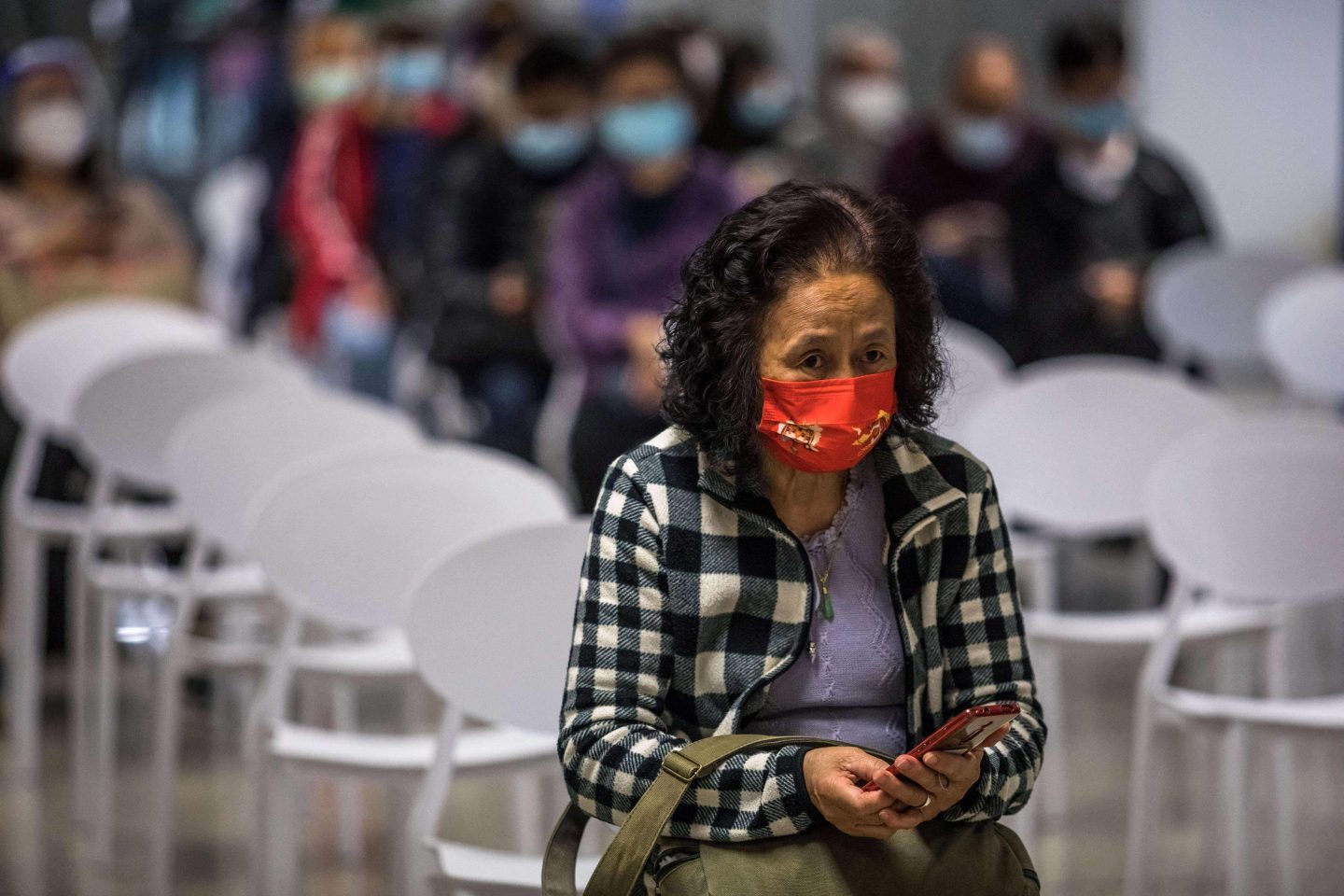
Ben Cowling, an epidemiologist at Hong Kong University and coauthor of the study, tells Fortune it’s difficult to tell how widespread this belief may be in Hong Kong or elsewhere. “I’m sure TCM doctors will recommend TCM treatments,” he said. “I’m not sure if TCM doctors were also recommending vaccines or not.”
China’s mainland, like Hong Kong, has struggled to vaccinate its elderly population. As of the beginning of this month, more than 130 million people in the country had yet to receive the three doses recommended by health experts.
China’s promotion of the pills “gives people the impression that even if people don’t get vaccinated, the pills could serve as an alternative to vaccines,” says Huang. “That is potentially discouraging people from being vaccinated.”
A rich enemy
But even as Lianhua Qingwen has become tied to China’s COVID response, the backlash to the pills appears to be growing.
Late last week, Wang Sicong, son of billionaire real estate magnate and founder Wang Jianlin, posted a video to his 40 million followers on Weibo, China’s version of Twitter, that raised questions about the efficacy of the Lianhua Qingwen pills. In a separate post, Wang called on China’s government to investigate Yiling Pharmaceutical for misleading the public about its drug. (Yiling Pharmaceutical did not respond to Fortune’s request for comment.)
Wang’s posts were later censored and Weibo temporarily suspended his ability to post on the platform.
But even while authorities silenced Wang, his posts inspired debate within China about the drug. On Sunday, Dingxiang Yisheng, a large online health platform in China, advised the Chinese public not to take the pills as preventative medicine and warned that the pills could have side effects including causing kidney issues.
The state-owned Global Times reported this week that Yiling Pharmaceutical is “under fire” after Dingxiang’s advisory about the pill. Since last week, Yiling Pharmaceutical’s share price in Shenzhen has plunged 25%, dealing a $1 billion blow to founder Wu’s $5 billion net worth.
For now, it is difficult to tell if China’s government is truly turning on the pills, potentially using them as a means to deflect blame for the disastrous lockdown in Shanghai that has dragged on for over a month and done little to stop the spread of COVID. Huang says that in China Lianhua Qingwen’s image has been “tarnished” among some sectors of society, including wealthier populations in places like Shanghai. But he noted that some users have defended the drug on social media.

Several Shanghai residents told Fortune that the government has sent them Lianhua Qingwen pills multiple times during lockdown. They have largely ignored the shipments while focusing on trying to get food.
“We’ve been given them intermittently, but none of us have used [the pills],” says one resident in lockdown. “My neighbors don’t seem to care about it,” says another resident.
Never miss a story: Follow your favorite topics and authors to get a personalized email with the journalism that matters most to you.