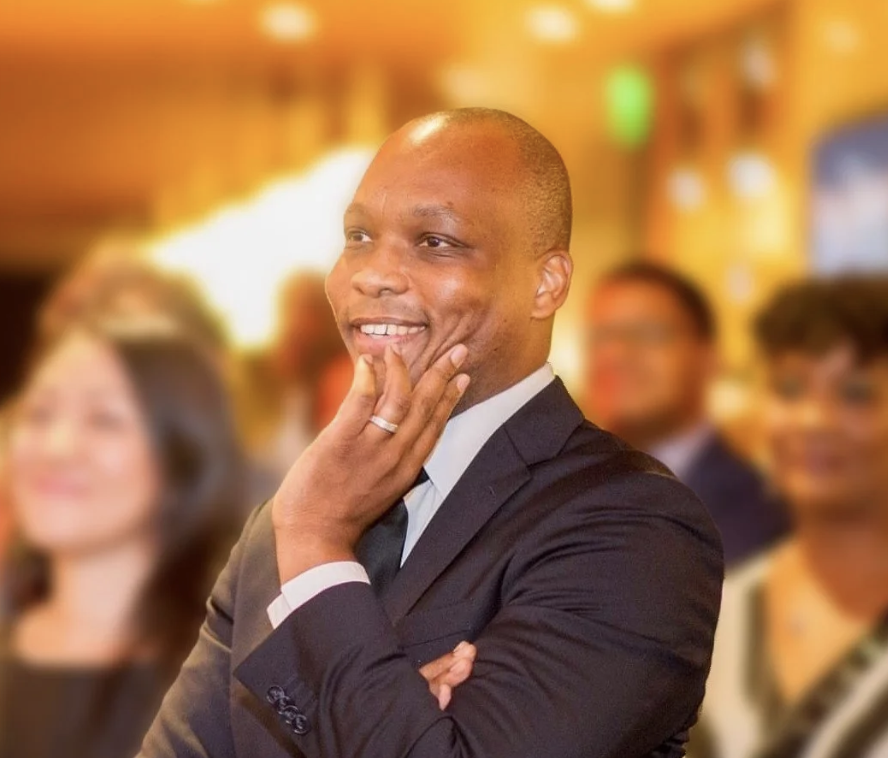
While the benefits of mentorship have long been realized, a question facing today’s business leader is how mentorship evolves and how it can support the diverse workforce and growth needed to thrive in this new era of work.
In my role as chief growth officer at Deloitte, I spend a lot of time thinking about the ways we can come together as an organization to collaborate and drive growth. I believe that investing time to mentor the next generation of leaders is one of the many paths we should travel to achieve success and prosperity, both in business and society.
While the pandemic ushered in a hybrid work model and irrevocably altered the way we work, mentorship can continue to play a critical role in facilitating inclusion, developing talent, and positioning organizations for growth. However, we should evolve our idea of mentorship and its practices to maximize its potential in today’s dynamic world.
An evolving workplace
The pandemic has drastically shifted the workplace and significantly accelerated much of the transformation that was already underway in recent years. A Deloitte survey found that 68% of companies say they are ready to move to a hybrid work model. “Out of sight, out of mind” no longer applies, and while connections look different in the hybrid world, they should still have every opportunity to flourish if we adapt our work styles and behaviors.
As a personal best practice, I keep a running list of my mentees and the dates of our last touchpoint to ensure we don’t go too long without a connection. In the past, I’ve often stressed the importance of mentees taking the lead in reaching out to get time on my calendar, but in the hybrid work model, I’ve found we as mentors should be more attuned to the needs of our mentees and lean in a little more than normal when the situation calls for it.
The new shape of collaboration has changed how we communicate and, by extension, how we mentor. Today’s mentoring relationships should combine the best of in-person and virtual connections. Mentors should commit to making each interaction more purposeful, productive, and flexible. When we can’t pop into someone’s office or pass them in the hallway, it requires us to be more intentional, and more deliberate than we’re used to being.
An evolving talent market
Without a doubt, technology and talent go hand in hand. In a recent Fortune/Deloitte CEO survey, CEOs named talent as one of the biggest challenges leaders face today. The talent market is remarkably hot. In the era some are calling the Great Reshuffle, organizations that take intentional steps toward building a hybrid work model are likely going to be much more adept at attracting, developing, and retaining the best talent.
Mentorship can help improve job satisfaction and inspire loyalty. When an organization can engage employees, whether as mentors or mentees, they also develop a stronger sense of company culture, feel more valued, and have confidence in their ability to drive their own career path within the organization. Most workers want to be empowered where it matters most: in the work they do and how it leads to greater job satisfaction while advancing their careers.
Mentorship helps workers expand their skill sets and develop a broader perspective on the organization and their career options. It can help identify and correct gaps in knowledge and build a stronger talent pool.
According to Deloitte’s The Equity Imperative, 67% of job seekers (and 89% of Black job seekers) report that a diverse workforce is important when considering a job offer. Here, mentorship can play a large part in helping talent feel invested, in fostering inclusion, and in increasing the likelihood of retention.
The evolving role of leadership
Mentorship can cut a clear path to creating a pipeline of well-rounded leaders, contributing to a future of inclusive prosperity. A cursory glance at the makeup of most boards and C-suites will show that more diversity is sorely needed. Some 94% of CEOs in Deloitte’s The Equity Imperative found diversity, equity, and inclusion (DEI) to be a “strategic priority.” Here, mentorship can help develop a generation of leaders who inherently understand that without a commitment to inclusion and equity, both business and society will never fully enjoy long-term growth and prosperity.
Mentorship exposes both the mentors and mentees to different perspectives. It helps established leaders grow professionally and personally by practicing skills such as active listening and empathy, as well as imparting valuable feedback. Organizations with a robust mentoring culture may also find that nontraditional mentoring relationships develop. This can take the form of newer employees helping more experienced employees with tasks like onboarding technology, peers mentoring peers, or the emergence of group mentoring engagements.
Personally, I’ve been lucky to have many great mentors, and I’ve seen firsthand the invaluable role they have played at different stages of my career. Mentors can help expand your field of vision, enable you to better see opportunities ahead, and help you prepare to seize them. Isn’t that what growth is all about?
Stacy Janiak is chief growth officer of Deloitte LLP, responsible for bringing the breadth of Deloitte’s service capabilities and assets to the market to accelerate growth while delivering bold, integrated, digitally enabled business solutions, services, and insights for Deloitte’s clients. She is currently a member of Deloitte’s U.S. executive committee and global board of directors.
More must-read commentary published by Fortune:
- Extreme events are forcing corporations to think like insurers
- To deliver the infrastructure boom, construction giants must open their doors to startups
- Meet your new A.I. best friend
- Can a community of basketball fanatics run an NBA team as a DAO?
- If you’re not Elon Musk: Communication and compliance for fintech CEOs
Never miss a story: Follow your favorite topics and authors to get a personalized email with the journalism that matters most to you.