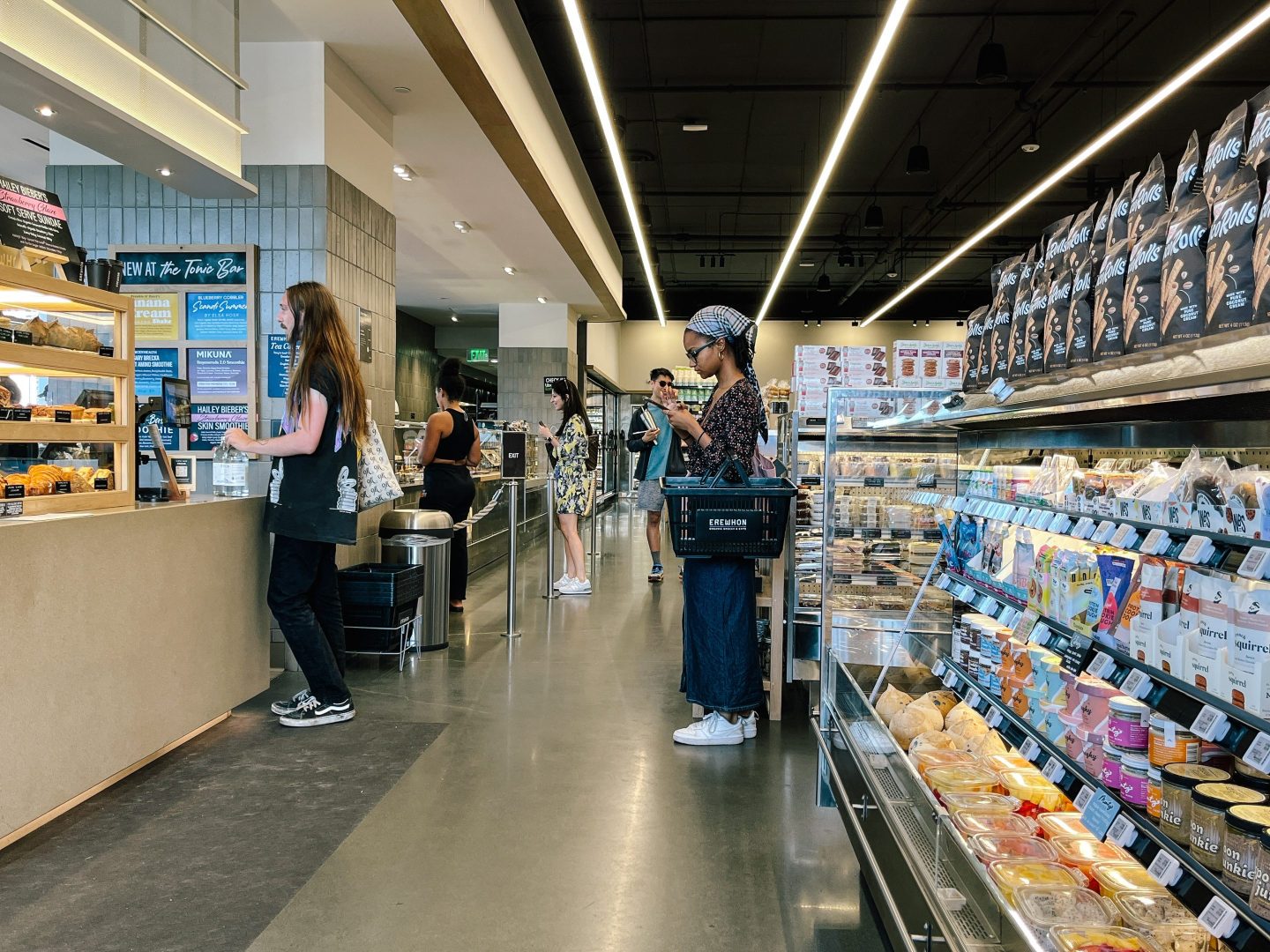
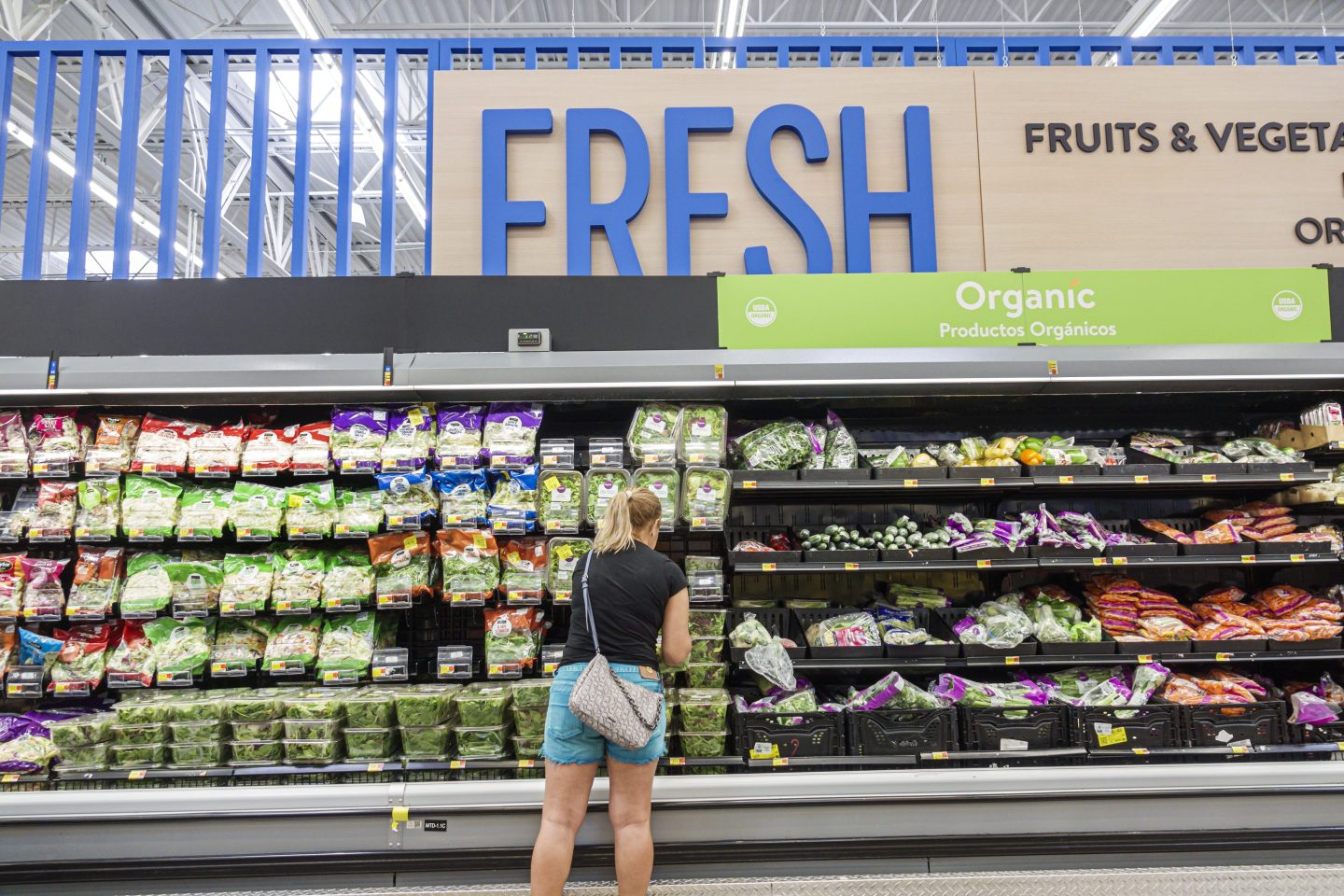
Product shortages and delivery delays are finally easing up, but many Americans increasingly blame shipping companies and the federal government for their inability to get their hands on the products they want.
About 58% of consumers say shipping and logistics companies bear “a lot” or “some” of the blame for the current supply chain bottlenecks that have led to shortages, according to Morning Consult’s survey of 2,200 consumers fielded last month and published Thursday. But nearly as many Americans, 55%, blame the government.
In fact, supply chains are complex and, in many cases, are global—which means there’s rarely one entity to blame when things go wrong. The Biden administration has taken several steps this year to help fix supply chain problems, including keeping ports open 24/7, meeting with business leaders, and even supporting a National Guard deployment to reduce trucking shortages (the White House later said it wasn’t actively pursuing this option at the moment).
Experts say that the current supply chain challenges are a result of a perfect storm of pent-up consumer demand being unleashed before the effects of the pandemic had truly passed. “As demand increased, pandemic-related disruptions continued to affect major ports and manufacturing facilities, dampening the supply response,” writes Michael Spence, a distinguished fellow with the Council on Foreign Relations.
During the pandemic, many Americans went on a shopping spree for electronics, home workout gear, and musical instruments. And they have continued their spending after vaccines became available.
Meanwhile, many industries along the supply chain—manufacturing, shipping, transportation, and even retail—were dealing with COVID outbreaks, worker shortages, delays, and soaring costs.
Manufacturers eventually ramped up production to meet demand, but that put pressure on companies responsible for transporting raw materials. At the same time, shipping containers became scarce, and finished products piled up. And then transportation costs soared. Shipping a container from China to the U.S., for instance, hit $20,000 in September, compared with just $1,500 in February 2020, according to the Council on Foreign Relations.
Bottom line, the spike in consumer spending created a domino effect that clogged the system. While the pandemic played a significant role, corporations’ reliance on lean and just-in-time inventory techniques to limit their costs likely also played a part. These approaches mean companies store less inventory, which can lead to supply shortages if demand soars or if there are supply chain issues.
It also didn’t help that some shipping companies, at the beginning of the pandemic, reduced their schedules, anticipating a drop in consumer demand. Or that some countries and governments have put restrictions in place to contain COVID-19 outbreaks that also impact manufacturing and shipping.
Economists have blamed these ongoing issues as contributing to rising U.S. inflation rates. The price of U.S. consumer goods and services rose 6.8% over the past year, according to the latest consumer price index.
But there is some good news ahead. Experts predict that supply chain constraints will continue in some form or another through early next year, but likely level off during the second half. In a report last week, credit insurance company Euler Hermes said global supply chain disruptions will remain high until the second half of 2022, but it expects global trade to grow 5.4% next year.
There is, of course, uncertainty about the impact of Omicron and any future COVID-19 variants, some of which are expected to be vaccine-resistant. “There’s a lot of uncertainty,” Fed Chair Jerome Powell said Wednesday. “What’s going to be the effect on the economy? That will depend on how much it suppresses demand as opposed to suppressing supply.”
Currently, research shows that vaccines and boosters work against the current COVID variants, so the more people who get vaccinated, the lower the economic effect, Powell said. But this doesn’t mean there won’t be any economic repercussions. “Delta had an effect of slowing down hiring, and it actually had an effect on global supply chains. And that hurt the process of the global supply chains getting worked out. So [Omicron] can have an economic effect. I just think at this point, we don’t know much,” Powell said.
Never miss a story: Follow your favorite topics and authors to get a personalized email with the journalism that matters most to you.