Scientists this week announced that a massive Antarctic ice sheet that is helping to hold back what is colloquially known as “the Doomsday Glacier” is fracturing. Its melting would raise global sea levels by more than two feet, inundating many coastal areas. If that sounds bad, well, it is.
“What we’re seeing already is enough to be worried about,” Anna Crawford, a glaciologist at the University of St. Andrews, told the Washington Post.
The good news, if there is any, is that the shattering of the ice, which is currently bracing a key portion of the Thwaites Glacier, won’t likely occur for another three to five years, and any rapid acceleration in the pace of sea level rise would happen only in the years and decades after that. So we have some time to potentially prepare. It is also possible that efforts to check global warming could still prevent the worst from happening.
Here’s what you need to know:
What is the Doomsday Glacier?
The Doomsday Glacier’s formal name is the Thwaites Glacier. It is a giant sheet of ice, the widest glacier on the planet, and about the size of the U.S. state of Florida. It sits on top of bedrock at the western edge of Antarctica. It abuts the West Antarctic Ice Sheet to its east, and the Amundsen Sea to its West. It sheds about 50 billion tons of ice per year, which already contributes to about 4% of annual global sea level rise.
But if the Thwaites Glacier were to melt entirely, scientists have estimated it would drive sea levels up by more than 25 inches. That’s enough to swamp portions of the Thai capital Bangkok, as well as New Orleans, and cause more frequent flooding in places like New York City. A sea level rise of this nature would threaten the lives of millions of people globally. That’s how the Thwaites got its Doomsday nickname.
Temperatures have been rising fast globally. Why is this all of a sudden a big deal?
While two-thirds of the Thwaites Glacier is relatively fast-flowing, the eastern portion has been moving much more slowly. Scientists have shown that one reason for this is that floating ice from the glacier collides with an undersea mountaintop about 25 miles offshore. This mountaintop acts like a doorstop, blocking the glacier’s forward progress.
Earlier this year, researchers demonstrated that the Thwaites’ eastern ice sheet is becoming unstuck from its mountaintop brace. In addition, satellite images taken over the past two years, including as recently as November, have shown the appearance of rapidly lengthening large fractures in the portion of the eastern glacier that are sitting atop sea water. It is these cracks that are causing sudden alarm among scientists, who have previously seen hints that the eastern portion of the glacier might be unstable but have been surprised to see the speed at which these fractures are advancing.
Why are the cracks such cause for alarm?
The researchers believe that as warming seas undercut the floating portion of the glacier from below, the ice becomes more susceptible to flexing from tidal variations, and that this flexing may be what is causing the cracking. Scientists say these fractures indicate that the floating eastern portion of the glacier is in danger of catastrophic collapse within three to five years. Erin Pettit, a glaciologist at Oregon State University, compares this to how just a few cracks in a car windshield can spiderweb across the entire surface and then suddenly cause the whole glass panel to dramatically shatter.
What would happen if the ice sheet were to shatter?
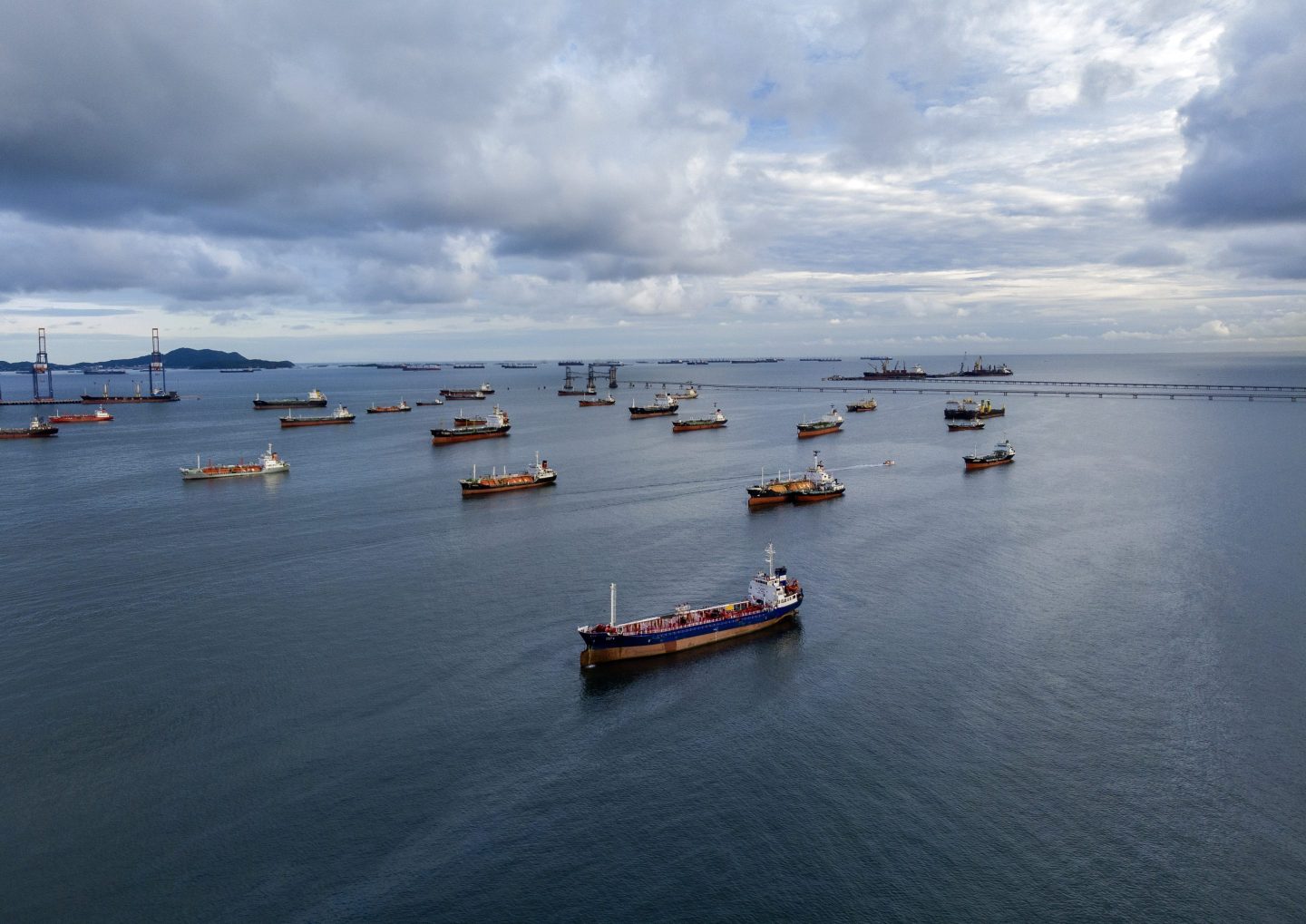
If that happens, the glacier will discharge thousands of massive icebergs into the Southern Ocean, where they may present a hazard to shipping. But those icebergs won’t make any difference to global sea levels themselves. That’s because this portion of the Thwaites glacier is already floating, so the weight of that ice is already displacing the same amount of water that will be unlocked when the icebergs melt. The real concern is that the floating ice is currently holding back a large portion of the Thwaites Glacier that sits on land. With the waterborne portion of the glacier breaking up, scientists estimate that the landlocked ice will begin to flow three times faster than it currently is. It will also be in greater contact with the relatively warm waters of the Amundsen Sea, accelerating melting. It is this scenario that is likely to massively contribute to rising sea levels.
Will this definitely happen?
No, not definitely. Exactly how quickly and how extensively Thwaites Glacier may collapse is dependent on a complex interaction of ice, sea, and land.
But scientists say it does look likely that the floating portion of the ice will fail in the near future.
Never miss a story: Follow your favorite topics and authors to get a personalized email with the journalism that matters most to you.