Companies continue lining up to go public—by the dozens.
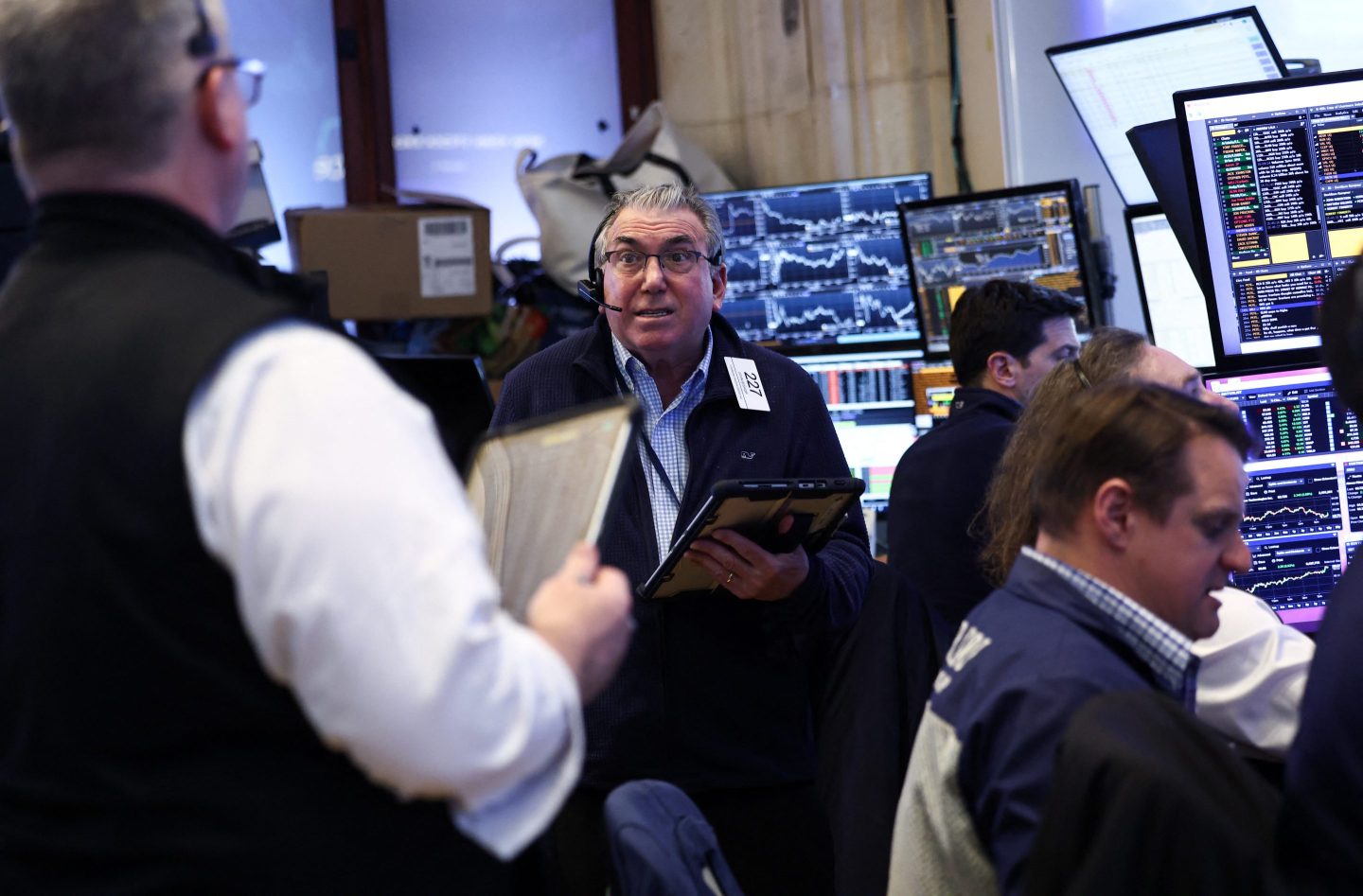
In the last week of July, 20 companies were listed on the Nasdaq or New York Stock Exchange—the most in a seven-day period since 2000, according to data by IPO investing company Renaissance Capital. That included Robinhood, Duolingo, and PowerSchool Holdings. There are 13 more IPOs slated for this week.
Despite a pandemic and a fast-spreading Delta variant reviving mask mandates and pushing back company reopening plans across the country, the IPO market is hot. So why now? Markets are hitting new records and valuations are high. Companies are also performing well after hitting the exchange. “That continues to drive investor demand,” said Rachel Gerring, an Americas IPO Leader at EY.
That doesn’t mean going public is an easy process: There’s pricing strategy and investor meetings, not to mention preparing for what comes after, such as the rigorous reporting requirements and earnings reports. Gerring typically recommends companies carve out 18 to 24 months to ready themselves for the process.
Here’s four key takeaways from the busiest IPO week the market has seen in two decades:
Virtual roadshows spread reach
COVID put a pause on travel plans, which included company trips to visit, and impress, potential investors during an IPO roadshow. One benefit of taking these meetings online is that it has allowed company executives to meet with more people.
“It’s a very efficient way to run the process. You have a chance to see a lot more investors, and really to have higher quality conversations,” said Jeremy Andrus, CEO of Traeger Grills, which went public July 29. Andrus said he had around 35 meetings with potential investors.
Gerring has seen some companies get creative with their roadshow by sending videos in advance of the meetings, showcasing more members of the management team and highlighting the company culture. “Videos are providing that opportunity to see and hear and experience more about the company,” she said.
Retail investors offer more data
Pre-IPO shares have historically been reserved for institutional investors and high-profile clients of companies underwriting the IPO. Earlier this year, brokerages like SoFi and Robinhood started working with corporations to reserve a cut of these pre-IPO shares for everyday investors—giving mass affluent individuals a shot at early access to companies going public.
Riskified and Duolingo both set aside up to 3% and 1%, respectively, of their shares for Robinhood customers. With Robinhood’s own IPO (the brokerage went public July 29), it set aside up to one-third of its shares—an unprecedented amount.
There’s a benefit for companies in reserving shares for mass affluent investors. For Riskified, it was an opportunity to broaden its reach to more initial investors, but also get better data.
“From our perspective it was learning more about the retail price sensitivity and what they thought about the different price targets,” Eido Gal, CEO of fraud prevention software company Riskified, said. He added that working with Robinhood helped offer some indication of how the retail market could end up driving the price. “We think that’s the right move on multiple fronts,” he said.
Pricing remains difficult, though
Whether a booming IPO market or not, one of the more challenging parts of an IPO for a company is forecasting how a stock will perform on an exchange, and setting the price right out of the gate. If it’s too high, the initial offering may sink once hitting the market. Set it too low and stakeholders won’t get to cash in at the same rate.
In some cases, it’s challenging just to hit the range a company planned for. Rani Therapeutics, an oral drug company, had planned to price its shares between $14 and $16 per share. It ended up selling the initial shares to investors at $11. After hitting the exchange, its price fell further, closing at $10.75 on Aug. 2.
On a call with Fortune, Rani Therapeutics CEO Talat Imran declined to comment on the company not meeting its price goals before being listed on Nasdaq. “We’re very excited [about the IPO] and proud of the work everyone did to get us to this point,” he said.
At the onset, Robinhood’s shares fell nearly immediately after hitting the market. The DIY brokerage had priced its shares at the low end of its price estimates: $38 per share. But by mid-morning Aug. 3, the stock had picked up and was trading over $44 per share.
To be clear, initial price swings aren’t necessarily indicative of how a company will perform over time (think Uber or Chegg, which struggled out of the gate but went on to do very well).
Companies list at the same time as competitors
There may be a few unexpected consequences of going public in a hot IPO market: For one, competitors may be doing it at the exact same time.
Two grill makers, Traeger and Weber, as well as online grill buying company BBQGuys, started moving forward with plans to go public in a two-week period last month. To be sure, it takes four to six months to prepare for an IPO even before selecting underwriters, according to Gerring, but it’s likely some of these companies started making plans around the same time.
“The pandemic was good for home cooking and for outdoor cooking. You know, I’m sure all of these businesses felt the same tailwind that we did, and so that may be a common thread,” Traeger CEO Andrus said.
IPOing alongside a competitor can add an extra challenge, according to Gerring. “When you’ve got two peer companies going to market at the same time, and clearly people are comparing and contrasting, [it] adds a level of complexity for companies and their teams,” she said.
Good market or bad: It’s a lot of work. “I had no idea it’s gonna take that many hours to turn this into a reality,” said Nicolaas Vlok, CEO of loan software company MeridianLink, which went public July 28.
Subscribe to Fortune Daily to get essential business stories straight to your inbox each morning.