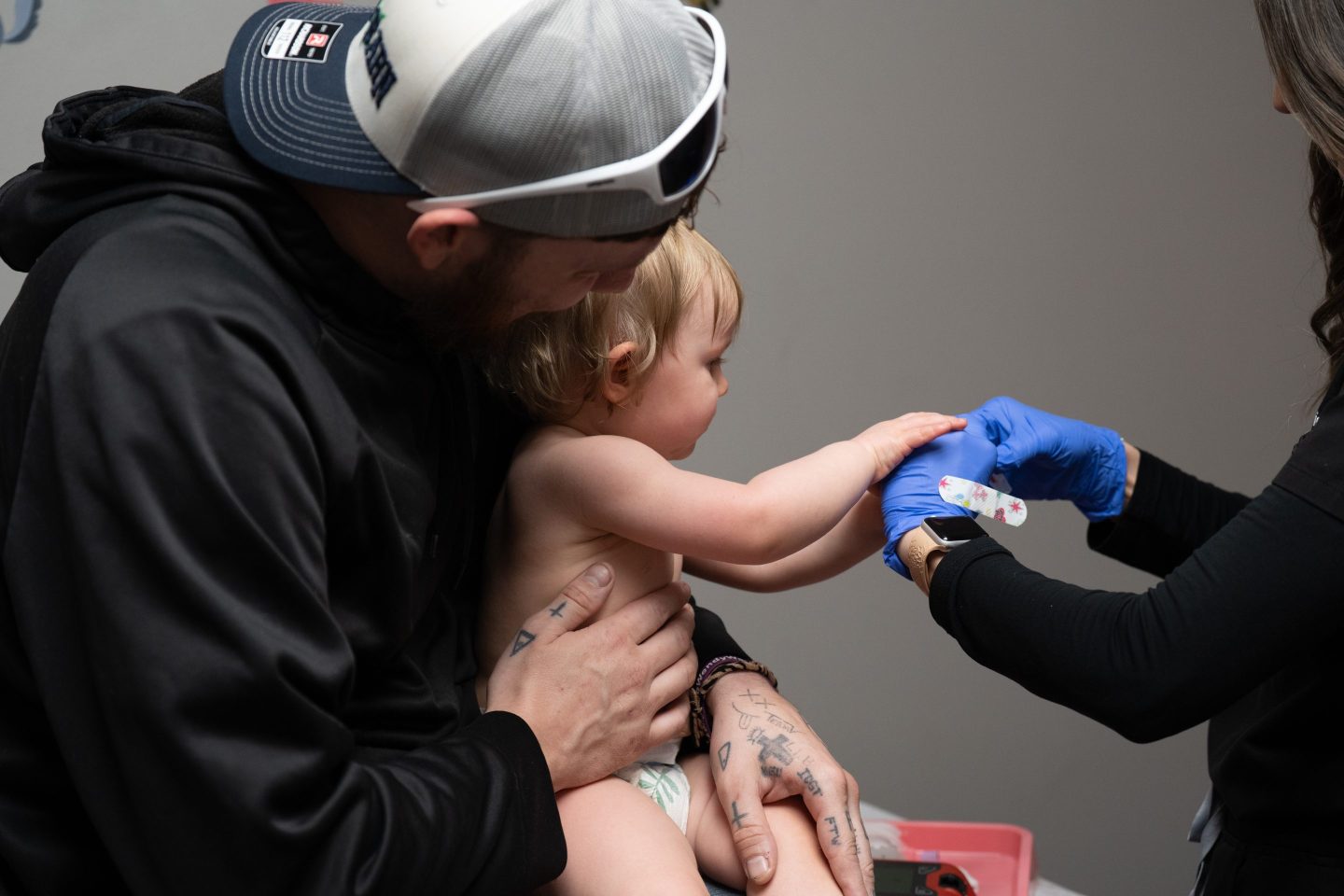
With COVID-19 shots reaching billions of people, reports have grown more common of people getting infected with the coronavirus despite being vaccinated. Just as a natural infection doesn’t guarantee protection from reinfection with the virus, neither does immunization provide a perfect shield. Still, those who have immunity— either from vaccination or infection—carry a fraction of the risk of those who have none. So-called breakthrough cases among the immunized are a reminder that as long as the pandemic virus is prevalent in the world, it remains a threat to everyone.
1. Why are vaccinated people testing positive for the coronavirus?
First, it’s important to remember that testing positive indicates an infection with SARS-CoV-2, the coronavirus that can cause COVID-19. The disease is diagnosed only when the infection causes symptoms such as fever and cough; a significant proportion of people who become infected never develop symptoms. Although vaccines provide a strong defense against severe illness caused by SARS-CoV-2, none fully protects against the infection, meaning many vaccinated people are still at risk of catching the virus and of transmitting it to other people. The more SARS-CoV-2 is circulating in a community, the higher the chance of infection. In some instances, those infections will break through the protective shield that vaccine-induced immunity provides to cause COVID symptoms. In rare cases, the illness may be life-threatening. Another possible risk is so-called long COVID—lasting fatigue, breathlessness and other symptoms seen in an estimated 1 in 10 COVID survivors; it’s unknown how well vaccines prevent these lingering problems.
2. Why do breakthrough COVID cases occur?
It comes down to three main factors:
- The virus: The pandemic virus continues to mutate into worrisome variants that are both more infectious and better adept at evading the immunity provided by either an inoculation or a past SARS-CoV-2 infection. These “fitter” variants have proliferated globally, making SARS-CoV-2 more difficult to stop.
- The vaccine: Current data indicate most COVID vaccines authorized for use offer protection against severe illness caused by the most common variants, with some inoculations—in particular the so-called mRNA vaccines made by Moderna Inc., and Pfizer Inc. and its partner BioNTech SE—providing a stronger defense than others. Research suggests that achieving maximum immune protection requires receiving a full course of vaccine—usually two shots spread across intervals that vary from 2 to 12 weeks apart, depending on the product. And it takes time for the vaccine to take its full intended effect—about two weeks from the last dose, though the protection from some vaccines may build steadily over some months. There’s also the possibility that a vaccine’s potency may be compromised by manufacturing problems and improper storage and handling, though reports of this happening aren’t common.
- Individual response: Even the most effective vaccine delivered ideally doesn’t guarantee immunity. Some individuals may not mount a robust response to the vaccine, meaning they fail to generate sufficient levels of virus-blocking antibodies and the T cells that hunt down and kill virus-infected cells. Of special concern are older people and those who are immunocompromised, meaning they have a weakened immune system because, for example, they have a disease that affects it such as AIDS or are taking immunosuppressive drugs after a transplant or to treat cancer. Even in those with good immunity, vaccine protection is likely to wane over time, though researchers aren’t sure yet of the speed at which that occurs.
3. How common are breakthrough infections?
It’s difficult to track, particularly since routine surveillance testing has plummeted in many countries where vaccinations are widespread. In the U.S., 10,262 SARS-CoV-2 breakthrough infections were reported to the Centers for Disease Prevention and Control in the four months through April 2021, when almost 133 million Americans had been vaccinated. That works out to fewer than 1 in 10,000. It’s certain that more of them occurred than were reported, especially among people without symptoms. A study of the prison system in Rhode Island, where inmates and guards are tested weekly, found 27 of the 2,380 people who were vaccinated developed breakthrough infections between March and May 2021.
4. What do we know about these infections?
There is some evidence that inoculation is likely to make any illness less severe for those who are vaccinated and still get sick. Since May, the CDC has stopped tracking all coronavirus infections among the vaccinated; as of July 12 it had registered 3,733 cases of COVID-related hospitalization and 791 Covid-related deaths. To put that in context, 97% of the people hospitalized for COVID in the U.S. are unvaccinated, according to CDC Director Rochelle Walensky, though those who haven’t received a single dose make up about 44% of the population.
5. What about evidence elsewhere?
Israel, which by early 2021 had given more COVID vaccines per capita than anywhere else in the world, recorded almost 400 hospitalizations among fully vaccinated patients by late April. Of those, 234 suffered severe COVID and 90 cases were fatal. A careful review of almost half the hospitalized vaccinated people found their risk of developing a severe illness was magnified by pre-existing ailments, such as high blood pressure, diabetes, and heart failure, as well as medical conditions that weakened their immune systems.
6. How effective are vaccines at protecting against COVID?
In clinical trials for the COVID vaccines now in use, efficacy rates ranged from 50% to 95%. Those rates mean that in the group of trial volunteers who received the vaccine, cases of COVID were anywhere from 50% to 95% lower than in the group of volunteers who received a placebo. On an individual basis, an efficacy rate of, say, 80%, means an immunized person’s risk of becoming ill is roughly 20% of that for an otherwise similar non-immunized person. However, a vaccine’s performance in the real world, known as its effectiveness, isn’t necessarily the same as its efficacy in a study under controlled conditions. And both efficacy and effectiveness can vary for the same vaccine across populations, time points and the regimens used; the rates are influenced by multiple factors, including the SARS-CoV-2 variants present and adherence to social and public health measures that prevent transmission of the virus.
7. How likely is it that a vaccinated person will spread the coronavirus?
There’s evidence that COVID vaccines can reduce the odds that a person with a breakthrough infection will pass it on. A study of health-care workers in Scotland in late 2020 and early 2021 found that documented COVID cases among household members of vaccinated health-care workers were 30% lower than for their unvaccinated cohorts. A study in England conducted around the same time found the likelihood of household transmission was about 40% to 50% lower in households of vaccinated patients versus unvaccinated ones. The subsequent emergence of more-transmissible variants may negate those findings. Still, COVID vaccines have been shown to both shorten the duration and lower the amount of infectious virus particles, or viral load, in the upper airways of vaccinated people, reducing the likelihood they will transmit an infection to others.
8. Are booster shots the answer?
Countries including Thailand, Bahrain and the United Arab Emirates are making alternative vaccines available for booster shots after initially offering formulations from China’s Sinovac Biotech Ltd. or Sinopharm Groups whose performance has come under question. In the U.S. and Europe, vaccine experts and health officials have said that while boosters may eventually be needed, there’s not enough data to conclude that they are now. Public health specialists have argued that recommending boosters prematurely would use up valuable shots that could go to billions of people around the world who aren’t vaccinated at all.
Subscribe to Fortune Daily to get essential business stories straight to your inbox each morning.