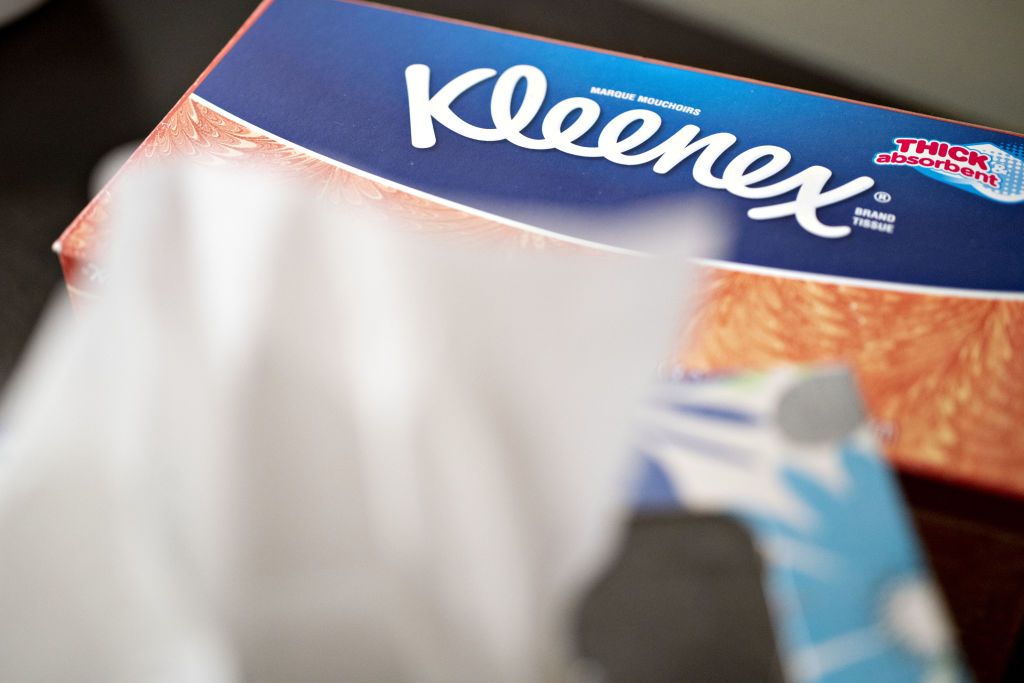
As the pandemic proved, personal care items are indispensable to everyday life. Stores struggled to keep shelves stocked as frantic shoppers grabbed whatever they could without a second thought. This may have forced people to explore outside their comfort level to use one-ply toilet paper, facial tissue made of recycled fibers, or even portable bidets.
But these things aren’t novel; in fact, most countries get by without the prestige of an ultrasoft wipe. In America, however, the luxury of plush tissue has become commonplace, despite its strain on the environment.
The world’s most ecologically important places and species, along with the 750 million people who live there, 60 million of whom are indigenous, are threatened because of unsustainable forestry related to pulp and paper products (tissue, catalog paper, packaging, etc.). In recent years, though, consumer and stakeholder expectations (and recognizing the business risk associated with poor sustainable initiatives) are guiding companies to evolve and seek solutions to protect the health, biodiversity, and rights of workers and communities of the world’s forests.
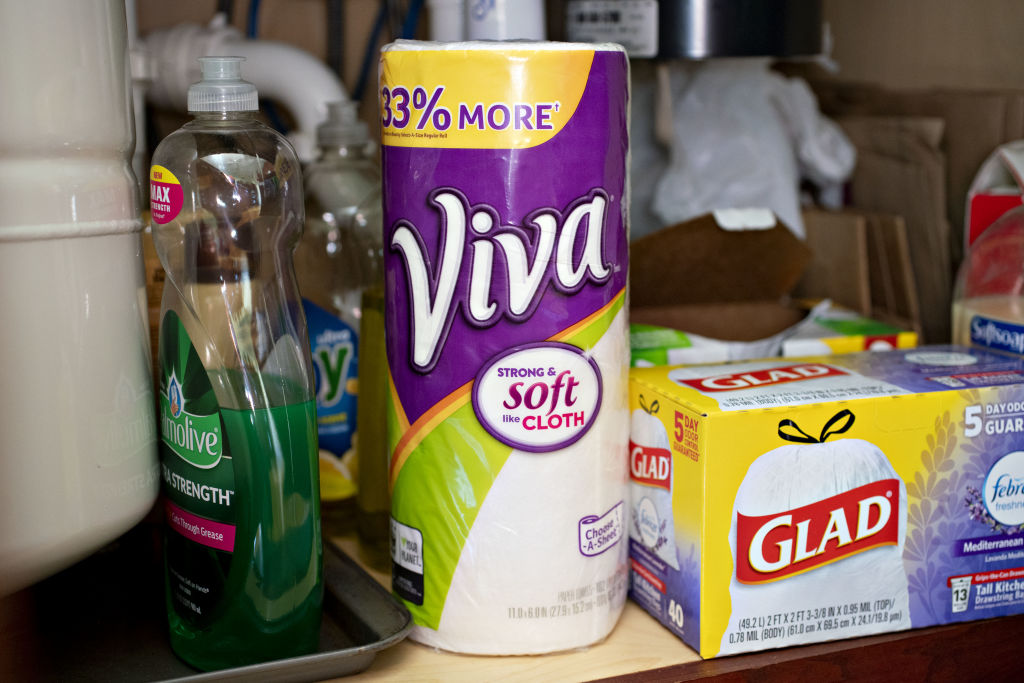
With its brands sold in more than 175 countries, Kimberly-Clark—maker of Cottonelle, Huggies, Kleenex, Poise, and U by Kotex, and No. 158 on the Fortune 500 this year—is one such company. Kimberly-Clark’s efforts to safeguard forests’ vital ecosystems are one step in a giant leap the entire industry needs to take.
Every business is in the forest business
According to the conservation nonprofit World Wildlife Fund (WWF), deforestation and degradation are destroying forests at the rate of about 18 million acres per year, or 27 soccer fields per minute. Looking at the overarching issue, a report created by As You Sow and Friends of the Earth shows that investors in at least 380 publicly listed companies are linked to forest risks in producing, processing, and trading palm oil, paper and pulp, rubber, timber, cattle, or soybeans.
“We like to say every business is in the forest business, because even if you’re not a forest products company, everyone uses forest products in some way,” says Linda Walker, senior director of corporate engagement for forests at WWF. From office furniture and copy paper to communal bathroom tissue to packaging, we now innately rely on forests as a commodity. “Forest products can be a great solution if they come from forests that have been responsibly managed. A forest can be renewable and sustain wildlife. But if they’re not managed responsibly or if they’re clear-cut [for cattle or development], those values can be impacted or destroyed.”
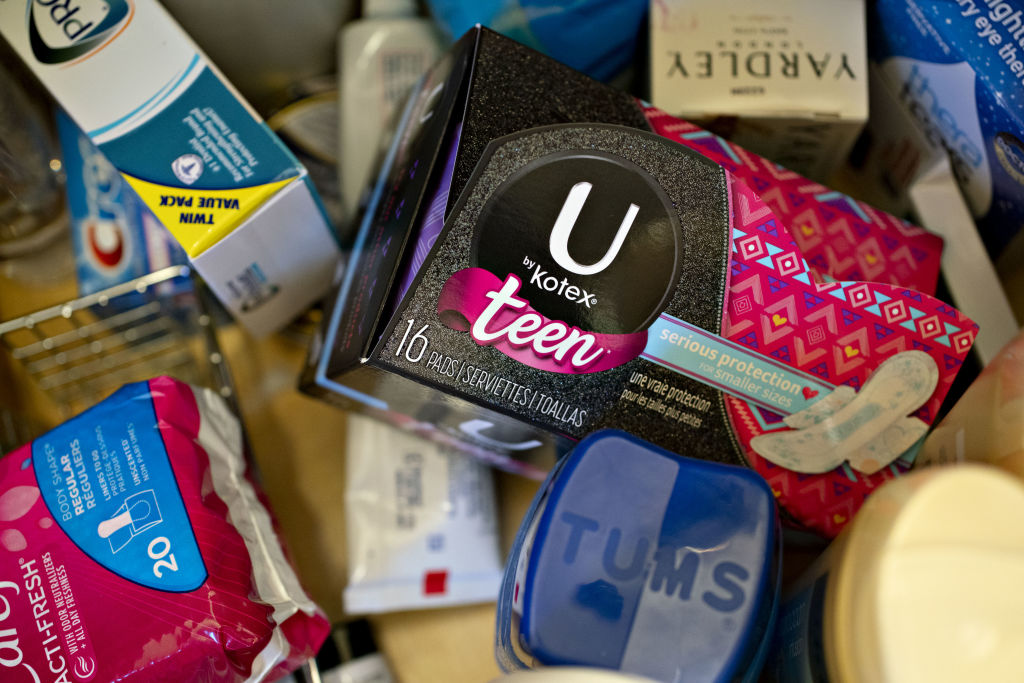
The United States is a leading importer and consumer of wood from countries considered high risk for illegal logging and poor forest management, according to WWF. Kimberly-Clark is one of the world’s largest producers of personal care products and holds the No. 1 and 2 brand shares in 80 countries. A quarter of the world’s population uses one of the conglomerate’s products each day.
To ensure its materials are responsibly sourced, Kimberly-Clark has partnered for more than a decade with the Forest Stewardship Council (FSC), a international nonprofit that sets rigorous environmental, economic, and social standards to promote sustainable forest management. Sustainable procurement of raw materials is vital to forest conservation. The FSC certification is a voluntary market standard, so demand on the part of buyers, as well as philosophical and economic benefits on the suppliers’ part, is integral in getting more forest managers to comply with FSC.
“We really advocate for companies like Kimberly-Clark and others in the pulp and paper and wood products sectors to preference in their sourcing policies for an FSC certification for the virgin fiber that they source. Doing so can help consumers know that the products with [an FSC] logo have been sourced in a way that protects those values,” says Walker. Kimberly-Clark aims to acquire 90% of its tissue fiber from environmentally preferred sources by 2025, including recycled fiber, sustainable alternative non-wood fibers, and FSC chain-of-custody certified virgin wood fibers.
Softwood fibers for ultrasoft paper
Diapers and feminine care use wood pulp fibers known as “fluff pulp” to obtain high absorbency. On the other hand, to concoct a tissue product, manufacturers use a sort of recipe of blended various fibers. For example, toilet paper is a mixture of northern bleached softwood kraft from boreal forests (often from Canada) and eucalyptus typically from South America. The softer fibers of coniferous trees lend to the supple, gentle tissue papers gentle on the skin. Depending on the grade of the product, recycled materials may be incorporated. The more recycled content used in a tissue paper product, the rougher it is.
Canada’s boreal forest, which comprises softwood used for tissue, is the largest remaining intact forest on the planet and stores the carbon equivalent of twice the world’s recoverable oil reserves. “It’s really hard to overstate the values that the boreal forest provides to communities and to the planet,” says Shelley Vinyard, the boreal corporate campaign manager at Natural Resources Defense Council, a nonprofit environmental advocacy group. Logging in Canada’s boreal forest is extensive, creating a threat to 600 indigenous communities, biodiversity, stored carbon, and to the species that rely on a swath of intact forest land to survive, such as the threatened woodland caribou. More than a million acres of the boreal are clear-cut every year. “Some of the problems facing the boreal are tied directly to products that we use every day in our homes.”
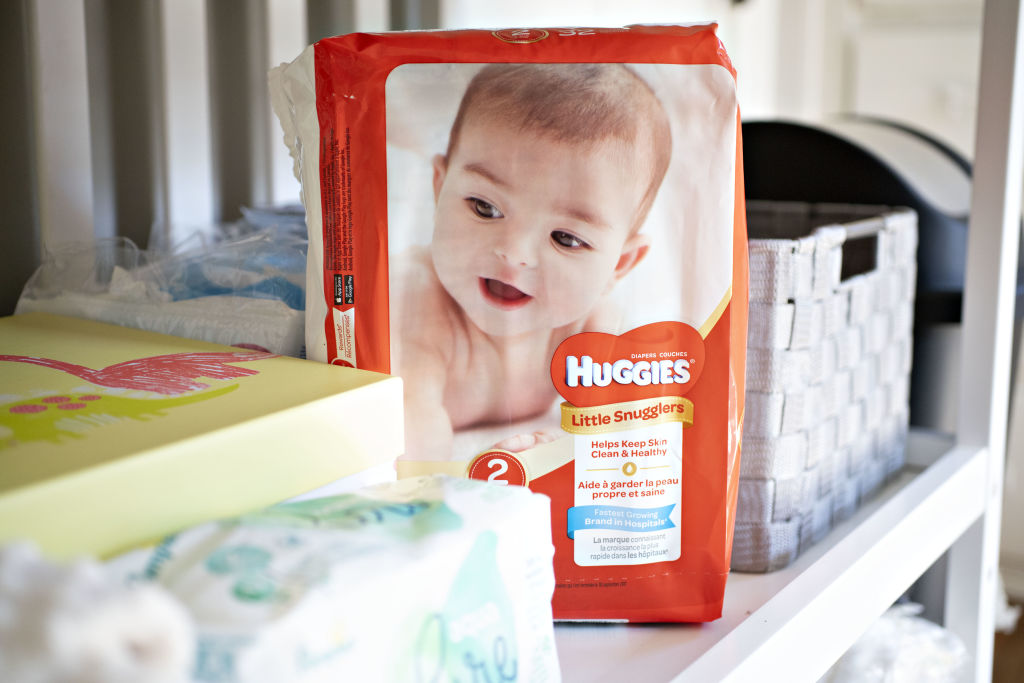
“That’s where a lot of our effort is very much focused—helping to protect and enhance those forests in the world because they play such a critical role in climate,” says Lisa Morden, vice president of safety, sustainability, and occupational health at Kimberly-Clark. The type of logging in hygiene paper products is considered a degradation risk where forests are cut down and regrown. At the outset of logging, heavy machinery clear-cuts the trees and releases carbon stored in the soil, altering the nature of the forest.
“Biodiversity protection is a huge issue,” Morden continues. “So while the commodities that we purchase aren’t necessarily deforestation, we want to be sure that forest quality is protected and enhanced, so we don’t see degradation of those forest landscapes.”
Kimberly-Clark’s tissue products contain 84% environmentally preferred fiber. Most of its recycled fibers are used in its Kimberly-Clark Professional brand found in schools, airports, hotels, and so forth. However, corporations’ supersoft products seen on grocery shelves, including Procter & Gamble’s Charmin “Ultra Soft” lines, use little to no recycled materials. Smaller businesses like Who Gives a Crap and Seventh Generation contain 100% recyclables, an easier undertaking at a lesser scale.
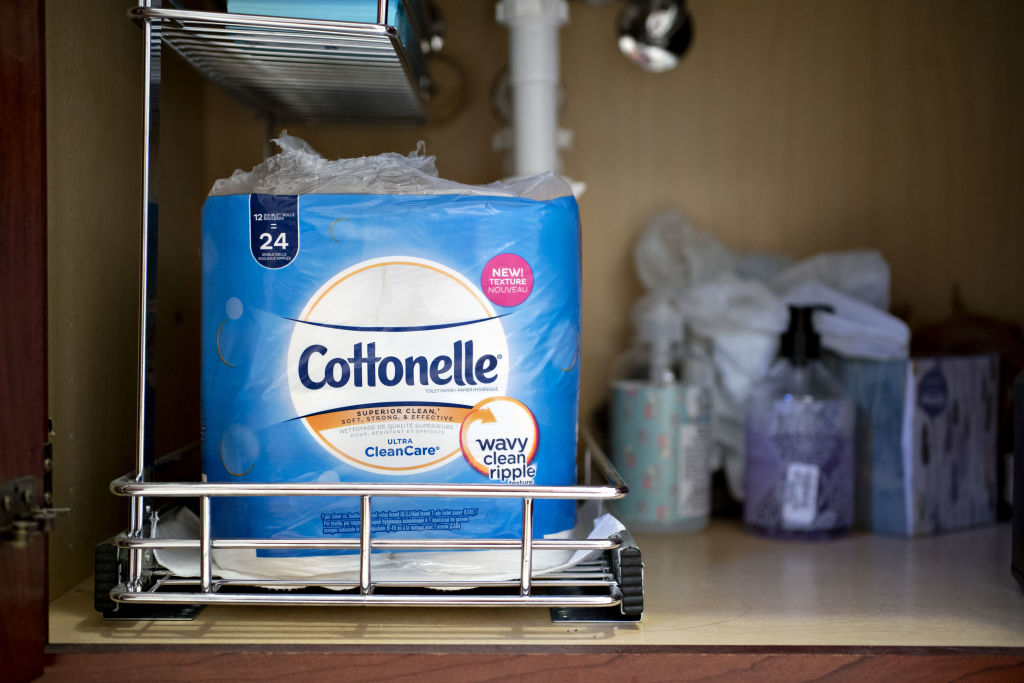
“There is a strong desire on the part of Kimberly-Clark and others to minimize their dependence on virgin fiber in these products. But there are significant challenges in doing that,” says Chris McLaren, CEO of the FSC. “Virgin fibers have specific characteristics that can’t be ignored, and it’s overly simplistic to assume you can move to recyclable material when the infrastructure isn’t necessarily there.” Because of the very nature of toilet paper’s composition and its numerous inputs, it is tricky to use only recycled or FSC-certified products and still meet global demand. Even if recycled materials could achieve the same performance, those resources aren’t always accessible at scale or available in the right places or grades.
“I think the key for us as a society is to figure out if we need virgin fiber in these products in order to make them work the way we want them to work,” says McLaren. “If you do it that way, you’re actually giving the forest owner a really good incentive to manage that forest correctly and keep it as a forest instead of converting it into real estate or agriculture or some other land use with a higher short-term economic value.”
Too plush to flush
In June 2021, WWF announced its Forests Forward program to help companies and other stakeholders better understand how to mitigate sourcing, climate, and social risks, and build resilient supply chains. Kimberly-Clark is one of the first U.S. companies currently on board. Others include HP, International Paper, Williams-Sonoma, and Lowe’s.
“It’s such a great partner for us because they help with thought leadership in terms of the future of these programs; how do we begin to think about forest carbon, and how do we think about biodiversity protection,” says Morden. “That partnership really helps us to think through what those initiatives in the future need to be to protect those values.”
As Fortune 500 companies lean into environmental and climate action, they’re also balancing value drivers. For Kimberly-Clark, that’s affordable prices, quality associated with the brands, and what consumers need, want, and expect. By 2025, the company hopes to reduce its natural (northern) forest fiber footprint by 50%, among other sustainable initiatives. Participating in programs like Forests Forward and innovating within alternative non-wood fibers—like FSC-certified 100% bamboo for the new Kleenex ECO toilet paper available in Australia—Kimberly-Clark is continuously assessing issues in paper and pulp.
Still, trees hundreds of years old are being lost for soft toilet paper we use in just seconds.
“The largest companies in the system are the most visible in the types of commitments that they’re making and the type of work that they’re undertaking in order to pivot to responsible sourcing 100%,” says McLaren. “But if you look at the overall picture, we certainly need to be doing more than we are now in order to achieve something like stability.”