A while back, I stumbled into a Twitter conversation that got me thinking about the moment we’re all living through.
“Did y’all know that a lot of white people don’t have the cultural concept of ‘real talk’?” Marco Rogers tweeted last winter. “You know where you stop saying the diplomatic thing and tell people what’s really going on. They just don’t have it.”
Rogers is a web developer, a keen observer of tech and equity, and a consistently good online conversationalist. Though he might be most famous for the time he delivered his own baby girl in an unplanned home birth, I always enjoy finding his musings in my feed.
But his threaded observation sparked an interesting series of comments from people in tech that boiled down to one big takeaway: That majority culture people — often women — are encouraged to keep the peace by avoiding conflict in the workplace, and as a result become alarmed in the presence of certain kinds of candor. It can feel like aggression or a distraction and they retreat, suppress, deny. On the flip side, Black and other underrepresented people are steeped in “real talk” from birth, a survival tool that helps us help each other navigate an unwelcoming, often hostile world. Being stymied in our attempts to have candid discussions about our experiences at work feels like gaslighting or worse. We feel invisible, and become angry and resigned.
That’s why “candid conversations about race” — or bullying, or bias, or any cultural discord — are hard for everyone, but for different reasons. Opportunities for mixed signals abound, triggering unconscious defensiveness, existential dread, resentment, and ironically, more conflict.
It was a real talk about “real talk.”
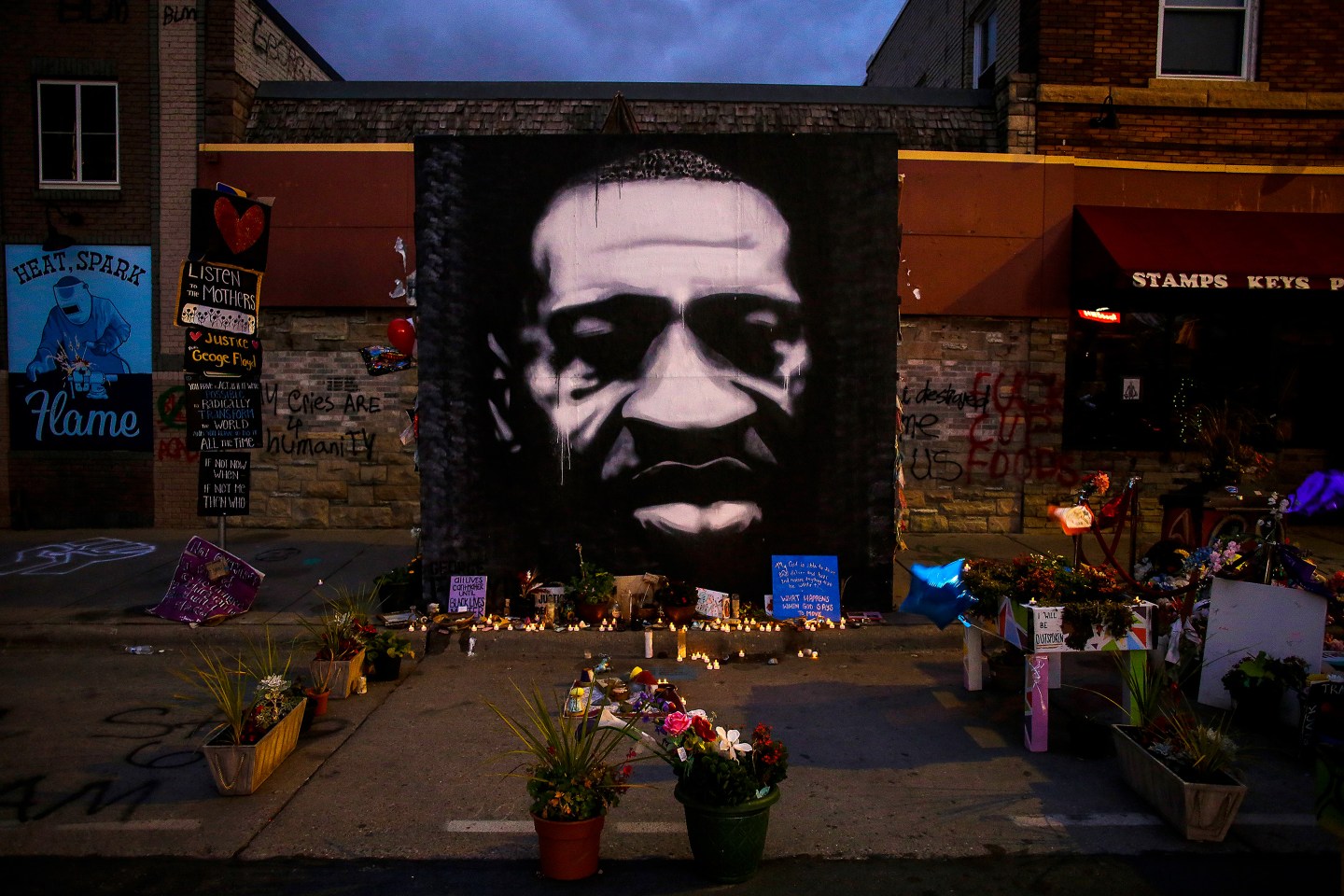
I was reminded of this conversation in the days leading up to this moment, the one-year anniversary of George Floyd’s murder. Turns out, that was the day that real talk showed up and asked to speak to everyone’s manager. Real talk entered our living rooms, our houses of worship, the public square, and our workplaces, and did not relinquish the mic.
And that has made people uncomfortable.
Two political scientists, Jennifer Chudy of Wellesley College and Hakeem Jefferson of Stanford University, published an opinion piece in the New York Times sharing data that showed that white voter attitudes toward the Black Lives Matter movement dropped precipitously in the months after Floyd’s murder. From a real talk perspective, it makes sense. “As Black Americans turned their sorrow into action, attitudes — especially white attitudes — shifted from tacit support to outright opposition, a pattern familiar in American history,” they say. “Whereas support for Black Lives Matter remains relatively high among racial and ethnic minorities, support among white Americans has proved both fickle and volatile.”
It turns out that the “get comfortable with being uncomfortable,” mantra that is often heard in inclusion circles is a much bigger ask than many people think. It’s a truly new muscle if you have always lived in a society that prioritizes your comfort.
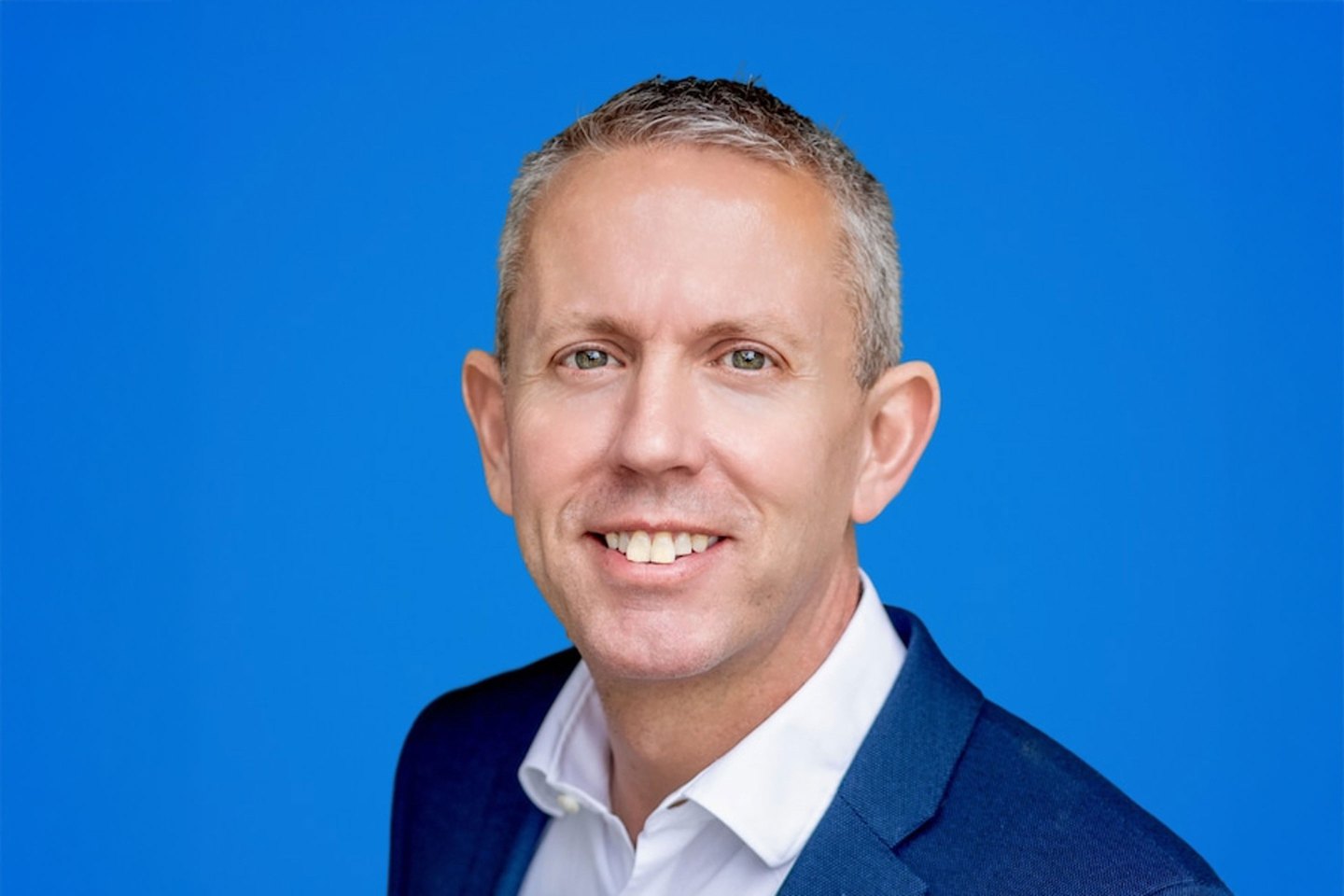
Ben Hecht, the President & CEO of Living Cities, a non-profit focused on closing the wealth gap in the U.S., zeroes in these issues in this very helpful Harvard Business Review article published last June, ironically, at peak white approval of BLM. Hecht, who is white, shared difficult feedback he received six years ago about his own organization’s culture:
They shared that, despite a racially diverse staff, our office culture dictated that people of color only contribute in ways that white people, including me, were comfortable with. Project leads relied on “objective” reports and case studies, while dismissing data from staff’s personal experiences as “too emotional.” When horrific instances of racial injustice occurred, like the murders of Trayvon Martin or Tamir Rice, our workday continued largely unaffected, with little acknowledgement or space for the emotions they triggered for staff. Discussions about racism were discouraged as “divisive” or “unproductive.” In short, our workplace was unable to acknowledge the lives they live and value them for who they are.
I encourage you to read the entire thing, it’s a master class of real talk — and decisive action.
The uncomfortable truth is that real talk will come to you whether you’re ready or not. In the last few months, real talk has spilled into the public square aimed at Salesforce, MailChimp, ICM, Amazon, Pinterest, hell, all of Silicon Valley, even the U.S. Equal Employment Opportunity Commission. (You’ll want to buckle up before you read this from a former IDEO employee.) But white voter sentiment aside, employees — now your most valuable stakeholder — are seeking equitable workplaces that reflect the vital energy of a diverse world. To me, this means that executive teams need to make sure they’re real talk certified. It’s better for business and the world, but also for you: In a newly work-from-anywhere world, talent can work for anyone.
Real talk.
Ellen McGirt
@ellmcgirt
Ellen.McGirt@fortune.com
Real Talk P.S: If you offered Juneteenth as a paid holiday last year, do it this year too. Trust me on this one.
On Point
Brands better get ready Joshua Dubois is a former community and faith advisor to President Obama, and the current CEO of Gauge, a fascinating-sounding company that uses a tech-enabled “navigator” to connect brands with equity experts who can give feedback on advertising and other campaigns. In this piece for Adweek, he predicts his version of the “real talk” shock, which started when the video of George Floyd’s murder went viral. “[T’he moment that video rocketed around the world, our year of “racial reckoning” began. Communities mourned. Protestors marched. And brands promised to be part of the solution. Fifty-two weeks later, those promises have come due,” he says. “For most, this won’t go well.”
Adweek
The 'Defund the Police' movement has been quietly reshaping law enforcement This piece from Vice does a good reviewing the public and political conversations about policing in the last year. In some cases, a trip down memory lane that will make you wonder how we all got through it. Turns out, the movement has been enormously influential. But this tidbit helps put the drop in white voter support for BLM in deeper context. The hand-wringing around the “defund” language was a political attempt that largely failed. "[A]ccording to Interrupting Criminalization researcher Andrea J. Ritchie, these attempts to discredit the movement have obscured its very real victories, particularly when it comes to challenging the deeply embedded cultural narrative that police power is the key to public safety.”
Vice
Will there be reparations for people whose lives were destroyed by the Tulsa Race Massacre? On May 31, 1921, an angry white mob set upon and destroyed the wealthy, segregated Black community in North Tulsa known as the Greenwood District. It was the one of the worst episodes of racial terror violence in U.S. history. There are three known survivors; their recent searing Congressional testimony helped further the conversation about what effective reparations might look like. More on this story, to come.
Washington Post
On background
The chain gang was ruthless Winifred Rembert was an artist, a civil rights activist, a young man who grew up in the Georgia picking cotton, and in the early 1960s was arrested after a demonstration. After a daring escape, he was nearly lynched and was ultimately forced to face a brutal incarceration for seven years. He died recently at the age of 75. Later in life, he began making art to describe the conditions of his early life. In this as-told-to-by memoir, he lays his pain and wisdom bare. The artwork will take your breath away. A must read and share.
The New Yorker
Let’s make the workplace safe for grief Grief is more than just a temporary condition. It is a form of invisible disability, causing people to spiral into anxiety, depression, become withdrawn or scattered. And now, more than ever, there’s a lot to grieve. And yet, there are few companies that have clear policies or positions for bereavement, and fewer if the person who has been lost is a friend or more distant relative. The "take all the time you need” approach can do more harm than good, suggests Jennifer Moss of Plasticity Labs. She offers several tips on becoming a more responsive workplace, and all of them involve an authentic willingness to confront the truth. It helps grieving people feel less alone. “It’s critical for business leaders to make understanding grief part of other trainings that employees get on emotional intelligence, mindfulness, and so on,” she says.
Harvard Business Review
Remembering the doctors we never had A report published in 1910 changed the way medicine was taught. The Flexner Report established — or seized control of — certain medical school standards, and eliminated certain established programs, like those housed in historically Black colleges and universities. What would the world look like if students at those HBCU-based medical programs had been able to get trained over the years? A new study published in JAMA attempts to answer just that. Prepare for a broken heart: “If the 5 closed historically Black medical schools had remained open, the steady expansion and rapid expansion models indicated that these schools might have collectively provided training to an additional 27 773 graduates and 35 315 graduates, respectively, between their year of closure and 2019.” What influence would they have had?
JAMA
This edition of raceAhead was edited by Wandy Felicita Ortiz.
Today's mood board