Want to learn which one of your co-workers played the bagpipes in high school? Or what your boss’s professional wrestler name would be? Or maybe you want to learn how to make a Cosmopolitan like a professional?
Over a year into most office workers’ shift to work-from-home, the effects of employee burnout and Zoom fatigue have become a real focus for employers. According to a study by O.C. Tanner, 79 percent of employees experience burnout, and women more so than men.
It’s one reason why employers are beginning to rethink how they run their organizations, with an increasing effort to focus more on the wellness of their employees.
To try and help the growing number of American workers experiencing burnout, companies across the country are coming up with new ways to keep their employees engaged and focused through virtual team-building experiences.
Kevin Hubschmann is a comedian from New York City. He founded Laugh.Events before the pandemic as a way to “get more stage time,” hosting pop-up comedy shows at various clubs across the city. But when the pandemic hit, and in-person shows were no longer possible, Hubschmann began hosting virtual comedy shows for workplace audiences.
“We pivoted and channeled all of that fun energy that we had doing these in-person comedy shows with the best stand up comedians in New York City, and basically took that and said, ‘Alright, let’s share this with the corporate world,’” Hubschmann said.
Since making the transition, Laugh.Events has held virtual comedy events for companies ranging from Amazon to Fox Sports Network.
“It kind of acted as the perfect safe place for comedians to deliver hilarious comedy to a group that was really in dire need of some laughter during this crazy year,” Hubschmann said.
Laugh.Events is not alone. Hubschmann’s is one of many entertainment companies that have transitioned their business models and tailored to corporate audiences looking to battle employee burnout and Zoom fatigue.
Richard Wright founded Gush before the pandemic as an “A.I. company focused on recommending things to do in real life,” like seeing a movie or going to a restaurant. Things were going well, Wright said, and engagement on the site was increasing rapidly before COVID-19 caused the business’s success to “fall off a cliff.”
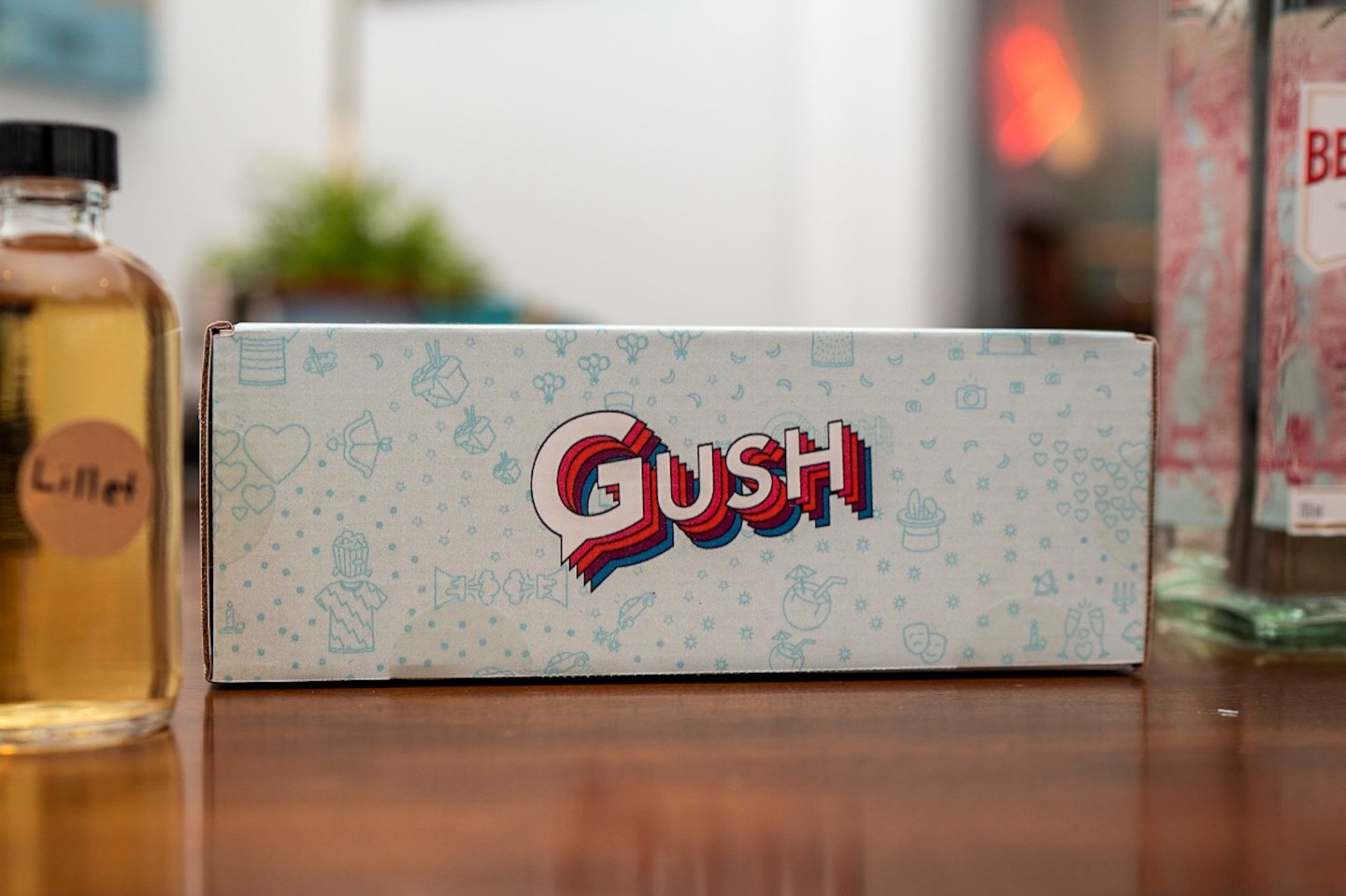
Since then, Wright pivoted the company to hosting two types of online events: those open to anyone who wants to purchase tickets and watch, and private shows for corporate audiences.
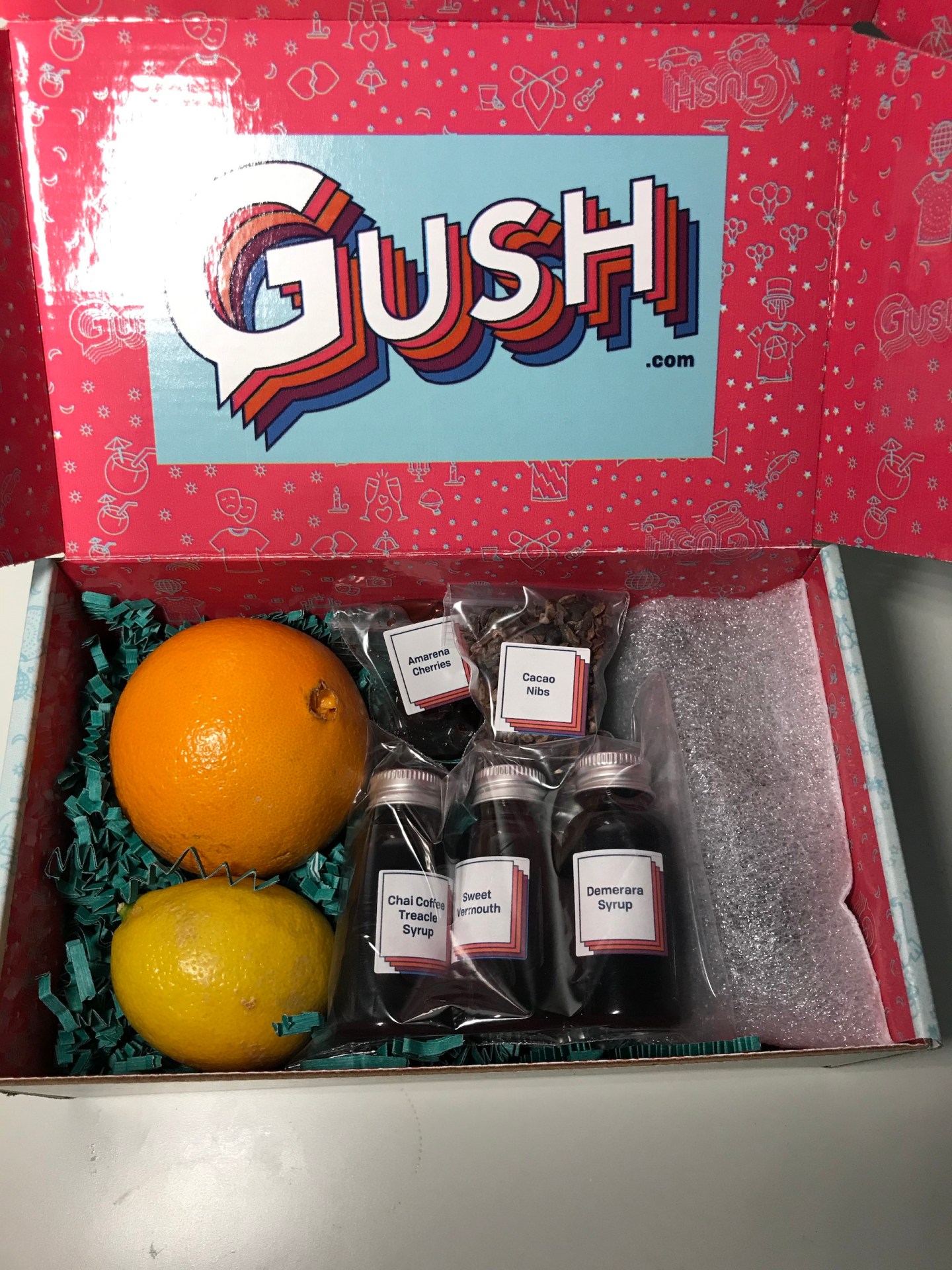
Gush’s most successful event is called “High Bar.” Featuring two prominent New York City bartenders, it’s an expert-level class in making a classic cocktail like a trained professional. Each bartender has their own special take on the drink, which is included in the show. Gush ships out the non-alcoholic ingredients ahead of time, then audience members learn in real time how to make the drinks over Zoom.
Gush has held events for a wide range of companies, including many that have booked multiple shows. As for public events, Wright said that over half of the audience have purchased season tickets.
“These customers are paying hundreds of dollars up front to lock in tickets to episodes that stretch over the next three to six months,” Wright said. “When we saw how much appetite our customers had for that type of commitment, we knew we’d succeeded in creating a real sense of community among our audience.”
Both Hubschmann and Wright said the key to successfully helping employees battle Zoom fatigue is to create an event that is engaging and interactive.
At Laugh.Events, companies are invited to fill out surveys before the event with fun facts about employees: “stuff that has nothing to do with work,” Hubschmann said, just facts “that are super goofy and help employees get to know each other even better.” The tidbits are then incorporated into the comedy routine, making each event personalized to the company.
“That results in more inside jokes,” Hubschmann said, “and really helps build connections between employees.”
At the end of Gush’s “High Bar” event, the audience votes on which bartender’s version of the cocktail was the best. All of Gush’s events are “either game shows, or they have some sort of competitive element or some sort of fundamentally entertaining aspect to them,” Wright said. “That’s a big thing that sets us apart from what a lot of people are doing, especially in the corporate space.”
Both companies have been able to employ workers whose professions have been severely impacted by the pandemic. Many of Laugh.Events’ comedians haven’t been able to perform for crowds since the pandemic started, and the bartenders Gush employs have seen the revenue streams of the bars they work for decimated by the pandemic.
Hubschmann said that the events not only bring income to comedians in desperate need, but they also give them work during a time in which, even in pre-COVID times, they normally wouldn’t have any: the 9-to-5 workday.
“Comics usually work between about six or seven at night until two in the morning,” Hubschmann said. “Now comics can actually work for money before six o’clock with a lot of these corporate audiences.”
As remote work becomes a staple moving forward, the need for virtual team-building and bonding exercises likely will take on even more importance. Even as more Americans become vaccinated, and the threat of the coronavirus begins to wane, Zoom fatigue and employee burnout will remain threats to productivity and well-being.
In a recent Fortune and SurveyMonkey poll of U.S. adult workers, only 9% of office workers who were still working remotely said they’d like to always work in the office in future. Fifty-six percent reported they prefer a hybrid model, while 34% want to work remotely indefinitely.
“Even though there’s a light at the end of the tunnel,” Hubschmann said, “companies are still understanding that employees are going to have to build up that camaraderie and get to know people even if they’re not working in person at the office.”