• Home
  • Latest
  • Fortune 500
  • Finance
  • Tech
  • Leadership
  • Lifestyle
  • Rankings
  • Multimedia
CommentaryTaxes

Trump’s capital gains tax cut will cost much more than we think

By
Owen Zidar
Down Arrow Button Icon
By
Owen Zidar
Down Arrow Button Icon
October 3, 2020, 9:00 AM ET
Trump’s capital gains tax cut will cost much more than we think
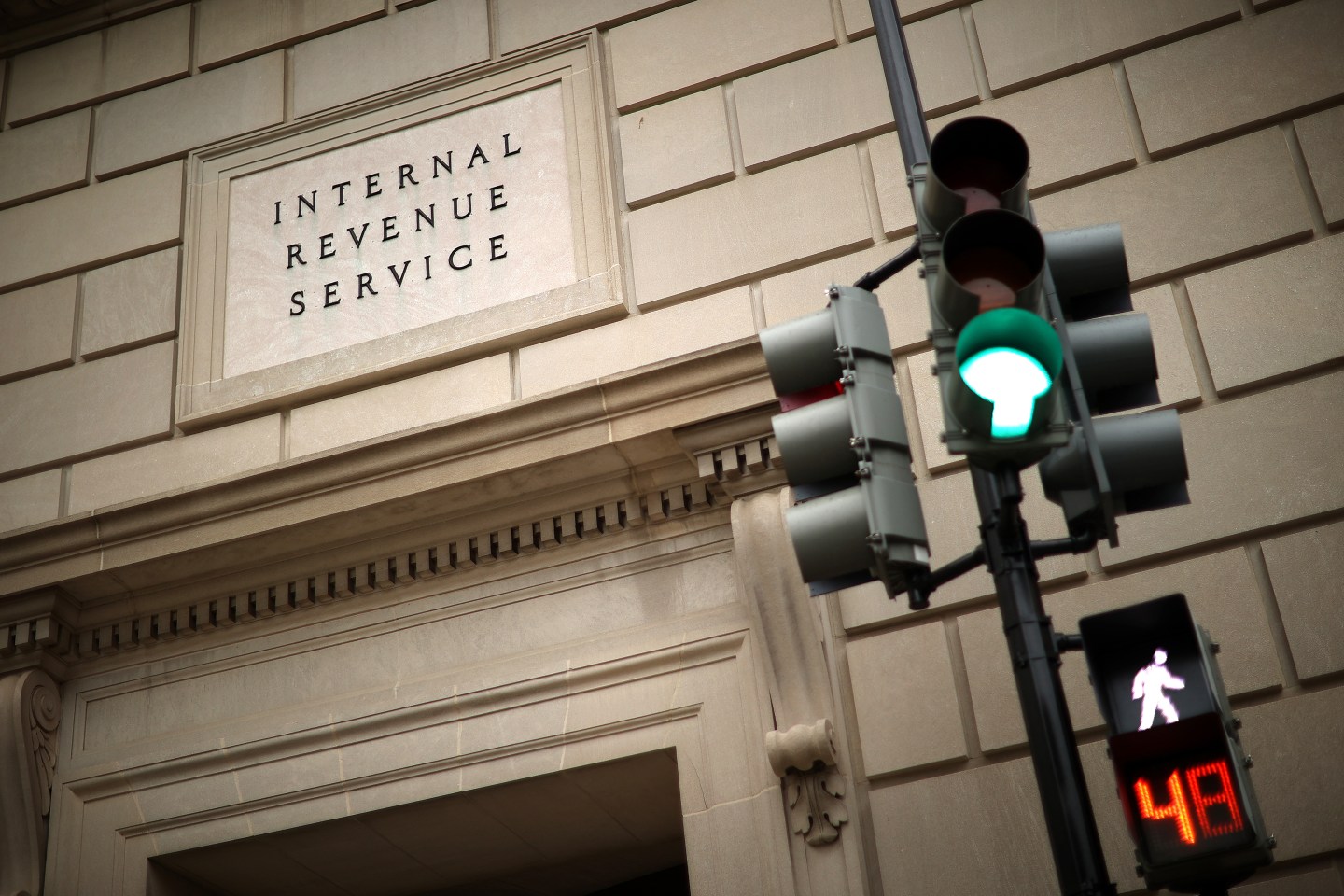
WASHINGTON, DC - APRIL 27: The Internal Revenue Service headquarters building appeared to be mostly empty April 27, 2020 in the Federal Triangle section of Washington, DC. The IRS called about 10,000 volunteer employees back to work Monday at 10 of its mission critical locations to work on taxpayer correspondence, handling tax documents, taking telephone calls and other actions related to the tax filing season. (Photo by Chip Somodevilla/Getty Images)Chip Somodevilla—Getty Images

In the early 1990s, a prolonged, heated debate broke out between economists and budget scorekeepers in Washington. On one side were those at Treasury who argued President George H.W. Bush’s proposed capital gains tax cut would stimulate enough activity to pay for itself. On the other side were some scorekeepers in Congress who insisted that it would not.

These “capital gains wars” have ebbed and flowed since then, and are sure to resurface once again as President Trump calls for a new reduction in the federal capital gains rate—a proposal that stands in sharp contrast to former Vice President Biden’s proposed increase on million-dollar earners. 

Today, as in the past, those in favor of the reducing rates will argue that when capital gains rates are too high, people invest less and generate smaller gains to tax. The tax cut, they’ll say, will spur investment and potentially even pay for itself.

But if this argument was thin in the past, it’s even weaker now. Over the last few decades, the nature of capital in the U.S. has changed, and there’s plenty of new evidence to suggest that investors are less sensitive to changes in the capital gains rate than many advocates insist. In recent years, the average annual capital gains tax rate paid to the federal government has hovered around 19%. Today, there’s good reason to think it could rise to around 40% before, at least in terms of tax revenue, the costs outweigh the benefits.

Why are things so different than even a few decades ago? On a national level, only about a quarter of capital gains represent stock sales of individual stockholders. About half of all gains now flow through pass-through businesses—an entity type that played a minor role before 1986. 

In terms of responding to changes in tax rates, portfolio managers at hedge funds, private equity firms, and other pass-throughs may react differently than individual stockholders do, especially when it comes to earnings in the form of carried interest payments to investment managers themselves, which amount to $50–100 billion in recent years. 

But even among individuals, we’ve seen new developments. We now live in an era of much lower inflation and a different tax code. With index funds and ETFs increasing in popularity, more individual investors may not realize gains when part of their portfolio changes value. Put simply, the environment and way people invest has changed, which can moderate the effects of capital gains cuts or hikes and influence estimates of the “revenue-maximizing rate.” We also have 30 more years of data since 1990, which lets us develop more accurate and policy-relevant estimates. 

Despite these developments, it might be surprising to learn that our official methods for scoring capital gains taxes haven’t changed much since the early 90s. The prevailing methods result in projections that likely underestimate both the true cost of tax cuts and the revenue potential of tax hikes. An up-to-date method would estimate revenue gains and losses using a smaller elasticity, which is economist-speak for the degree to which changes in the tax rate affect investor behavior. 

If the models were updated, we’d see different estimates. For example, the Tax Policy Center currently uses estimates from a 1990 Joint Committee on Taxation (JCT) report—and it’s not alone. These models are still being used by nearly every respected scorekeeping organization, both inside and outside the government. 

Modernizing these models matters because a five percentage point capital gains tax rate increase may generate more than twice the revenue that official models suggest. In estimates I produced with Ole Agersnap and Coly Elhai at Princeton, we find that this modest increase could generate another $8 to $20 billion in annual federal tax revenue, which is enough to pay for substantial coronavirus relief payments for millions of Americans. Relatedly, getting more accurate scores would make it clear that cutting capital gains taxes right now would be more expensive than previously thought, and therefore less likely.

Updating official models just scratches the surface of needed efforts to modernize the tax system and the taxation of capital. But these small steps could help provide crucial relief to many Americans who need it and help prevent poorly targeted capital gains tax cuts from being enacted.

Owen Zidar is a professor of economics at Princeton University.

About the Author
By Owen Zidar
See full bioRight Arrow Button Icon

Latest in Commentary

Finance
Lorem ipsum dolor sit amet, consectetur adipiscing elit, sed do eiusmod tempor incididunt ut labore et dolore magna aliqua. Ut enim ad minim veniam
By Fortune Editors
October 20, 2025
Finance
Lorem ipsum dolor sit amet, consectetur adipiscing elit, sed do eiusmod tempor incididunt ut labore et dolore magna aliqua. Ut enim ad minim veniam
By Fortune Editors
October 20, 2025
Finance
Lorem ipsum dolor sit amet, consectetur adipiscing elit, sed do eiusmod tempor incididunt ut labore et dolore magna aliqua. Ut enim ad minim veniam
By Fortune Editors
October 20, 2025
Finance
Lorem ipsum dolor sit amet, consectetur adipiscing elit, sed do eiusmod tempor incididunt ut labore et dolore magna aliqua. Ut enim ad minim veniam
By Fortune Editors
October 20, 2025
Finance
Lorem ipsum dolor sit amet, consectetur adipiscing elit, sed do eiusmod tempor incididunt ut labore et dolore magna aliqua. Ut enim ad minim veniam
By Fortune Editors
October 20, 2025
Finance
Lorem ipsum dolor sit amet, consectetur adipiscing elit, sed do eiusmod tempor incididunt ut labore et dolore magna aliqua. Ut enim ad minim veniam
By Fortune Editors
October 20, 2025

Most Popular

Finance
Lorem ipsum dolor sit amet, consectetur adipiscing elit, sed do eiusmod tempor incididunt ut labore et dolore magna aliqua. Ut enim ad minim veniam
By Fortune Editors
October 20, 2025
Finance
Lorem ipsum dolor sit amet, consectetur adipiscing elit, sed do eiusmod tempor incididunt ut labore et dolore magna aliqua. Ut enim ad minim veniam
By Fortune Editors
October 20, 2025
Finance
Lorem ipsum dolor sit amet, consectetur adipiscing elit, sed do eiusmod tempor incididunt ut labore et dolore magna aliqua. Ut enim ad minim veniam
By Fortune Editors
October 20, 2025
Finance
Lorem ipsum dolor sit amet, consectetur adipiscing elit, sed do eiusmod tempor incididunt ut labore et dolore magna aliqua. Ut enim ad minim veniam
By Fortune Editors
October 20, 2025
Finance
Lorem ipsum dolor sit amet, consectetur adipiscing elit, sed do eiusmod tempor incididunt ut labore et dolore magna aliqua. Ut enim ad minim veniam
By Fortune Editors
October 20, 2025
Finance
Lorem ipsum dolor sit amet, consectetur adipiscing elit, sed do eiusmod tempor incididunt ut labore et dolore magna aliqua. Ut enim ad minim veniam
By Fortune Editors
October 20, 2025
Rankings
  • 100 Best Companies
  • Fortune 500
  • Global 500
  • Fortune 500 Europe
  • Most Powerful Women
  • Future 50
  • World’s Most Admired Companies
  • See All Rankings
Sections
  • Finance
  • Leadership
  • Success
  • Tech
  • Asia
  • Europe
  • Environment
  • Fortune Crypto
  • Health
  • Retail
  • Lifestyle
  • Politics
  • Newsletters
  • Magazine
  • Features
  • Commentary
  • Mpw
  • CEO Initiative
  • Conferences
  • Personal Finance
  • Education
Customer Support
  • Frequently Asked Questions
  • Customer Service Portal
  • Privacy Policy
  • Terms Of Use
  • Single Issues For Purchase
  • International Print
Commercial Services
  • Advertising
  • Fortune Brand Studio
  • Fortune Analytics
  • Fortune Conferences
  • Business Development
About Us
  • About Us
  • Editorial Calendar
  • Press Center
  • Work At Fortune
  • Diversity And Inclusion
  • Terms And Conditions
  • Site Map

© 2025 Fortune Media IP Limited. All Rights Reserved. Use of this site constitutes acceptance of our Terms of Use and Privacy Policy | CA Notice at Collection and Privacy Notice | Do Not Sell/Share My Personal Information
FORTUNE is a trademark of Fortune Media IP Limited, registered in the U.S. and other countries. FORTUNE may receive compensation for some links to products and services on this website. Offers may be subject to change without notice.


Latest in Commentary

Federal Reserve Gov. Chris Waller engages 200 top CEOs at the Yale CEO Summit in December, 2025. (Photo courtesy of the Yale Chief Executive Leadership Institute/Photographer Donovan Marks)
CommentaryFederal Reserve
Why over 80% of America’s top CEOs think Trump would be wrong not to pick Chris Waller for Fed chair
By Jeffrey Sonnenfeld and Steven TianDecember 27, 2025
3 hours ago
Kence Anderson is the founder and CEO of AMESA 
CommentarySoftware
I pioneered machine teaching at Microsoft. Building AI agents is like building a basketball team, not drafting a player 
By Kence AndersonDecember 27, 2025
4 hours ago
Butch Meily
Commentaryempathy
The global empathy crisis that confronts us this Christmas
By Butch MeilyDecember 25, 2025
2 days ago
economy
CommentaryGDP
Why 4.3% GDP growth proves the ‘vibecession’ theory is historically wrong
By Brian HamiltonDecember 24, 2025
3 days ago
students
CommentaryEducation
Why restricting graduate loans will bankrupt America’s talent supply chain
By Katica RoyDecember 23, 2025
4 days ago
Arnault
CommentaryLuxury
The secrets of what Arnault knows: How Bernard Arnault built the impossible, and his timeless, transferable lessons of leadership 
By Jeffrey Sonnenfeld and Steven TianDecember 23, 2025
4 days ago

Most Popular

placeholder alt text
Retail
Trump just declared December 26th a national holiday. What's open and closed?
By Dave SmithDecember 26, 2025
1 day ago
placeholder alt text
Success
As millions of Gen Zers face unemployment, CEOs of Amazon, Walmart, and McDonald's say opportunity is still there—if you have the right mindset
By Preston ForeDecember 26, 2025
1 day ago
placeholder alt text
Investing
Logan Paul auctions off $5.3 million Pokémon card, urging young people to invest more in nontraditional assets: 'Don't be afraid to take a risk'
By Sydney LakeDecember 25, 2025
2 days ago
placeholder alt text
Real Estate
Mark Zuckerberg gifted noise-canceling headphones to his Palo Alto neighbors because of the nonstop construction around his 11 homes
By Dave SmithDecember 25, 2025
2 days ago
placeholder alt text
Economy
Trump's tariffs actually slashed the deficit from a record $136.4 billion to less than half that. Here's what else they did
By Wyatte Grantham-Philips, Paul Wiseman and The Associated PressDecember 26, 2025
1 day ago
placeholder alt text
Success
Billionaire philanthropy's growing divide: Mark Zuckerberg stops funding immigration reform as MacKenzie Scott doubles down on DEI
By Ashley LutzDecember 22, 2025
5 days ago