Following the death of George Floyd, I felt like many other Americans did. Angry. Hurt. Confused. Heartbroken. As a black man who grew up in America, the emotions I feel in this moment are all too familiar to how past generations felt. As one of the few black tech CEOs in this country, I feel compelled to share my point of view.
Growing up, I wanted to earn my own success. But when I was deciding which college to attend, my mother explained that I must choose schools in states that were “more receptive to people like me.” At first I was confused. But I soon realized my mother’s guidance was driven by fear and concern for my safety.
The deaths of Ahmaud Arbery, Breonna Taylor, and now, George Floyd, have surfaced the fear that my mother (and the mothers of many black people) face every day in America. And no black person doesn’t experience this. Not the 44th President of the United States. Not an accomplished tech founder. Nobody.
This became clear to me as I encountered unconscious bias quickly upon entering the job market. I was ushered into a Wall Street diversity program. And it was awkward. My normal was being the exception. Everything about it made me feel like the “diversity kid.” Many of my fellow colleagues in the program felt that way too.
I made the personal choice to break out of the bubble and befriend my coworkers beyond the confines of the diversity program. I had to work to dissolve a label that was put on me before I even arrived. I was nowhere near alone in this endeavor.
Companies create diversity and inclusion (D&I) initiatives with the mindset that diversity needs to be bolted on to the existing company culture. Without meaning to, we’re saying that diverse talent is often expected to adapt, yet still be themselves, within a white company culture. Every diversity agenda will continue to miss the mark until business leaders create spaces where every individual can contribute to establishing a new culture.
To start, corporate diversity shouldn’t be a goal. It should be the outcome of a fundamental shift in the DNA of a company. We spend time setting diversity agendas and forming new D&I initiatives, but the problem with affirmative action is that the people coming in feel stigmatized immediately.
I experienced firsthand from my time on Wall Street that individuals who get access to jobs via this route are often labeled by their peers as underqualified. You see similar treatment in programs for women and LGBTQ people.
Executives need to take an honest look at their own corporation’s identity. It requires stripping away silos. In the process, business leaders should ask themselves how they can make systemic changes at the ground level that will hold everyone in the company accountable for working toward true diversity and equality.
As leaders, we need to reeducate our broader employee base. We can facilitate ongoing conversations about what equity means; ensure HR departments are well equipped to recognize microaggressions, racism, and unconscious bias; and create more opportunities for communication between departments, seniority levels, and peers. If we cultivate corporate cultures that place education and genuine conversations at the center, we can change our company blueprints. We can make space and normalize diversity.
After all, black people just want to be equal and normal. I want to be equal and normal. As a tech CEO, I want my employees to feel equal and normal. Anecdotally, but confidently, I can say that black people never want to be seen as a charity case or a diversity requirement. No one does.
We should be making these cultural shifts because it is the right thing to do, and we should always strive to do what is right. That said, it would be naive of me to not also acknowledge why corporate diversity makes business sense.
At Holler, I spend my workdays connecting with business partners around the world and creating content that services a diverse set of global demands. At its core, my company needs to be diverse in order to adapt and scale.
If we make diversity an agenda item or a program that runs in a silo, we are missing out on a huge competitive advantage. Diversity opens the door for innovation and new opportunities.
Moving in the direction of positive change requires business leaders to think about how to elevate diverse voices without intentionally or unintentionally containing them.
I am admittedly at the beginning stages of this process with my own company. I encourage the business community to join me in putting in the work necessary to convert conversations to action and fundamentally change the way people think about equity, diversity, and inclusion.
We must do more. I must do more.
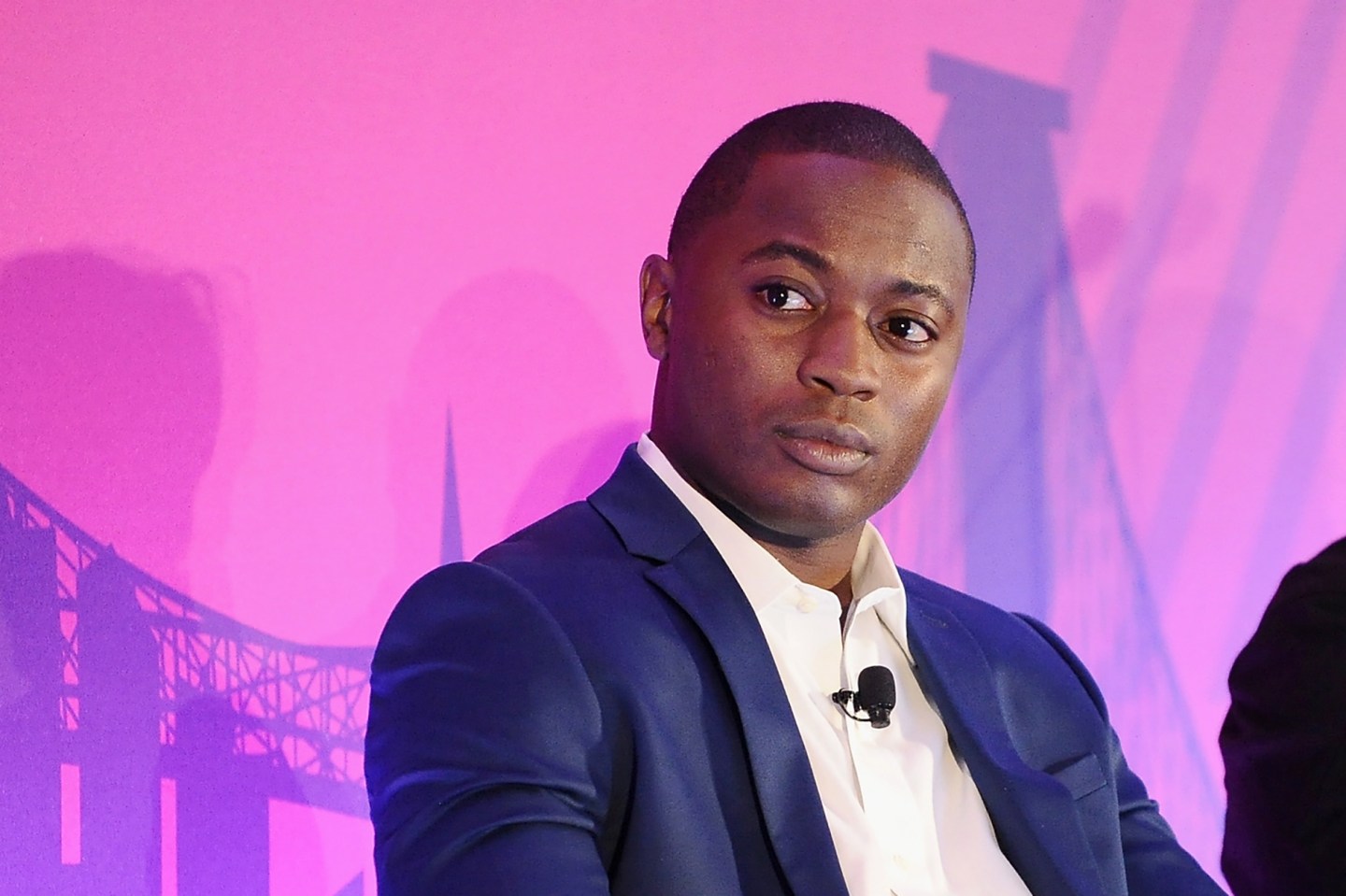
Travis Montaque is founder and CEO of Holler.
More opinion in Fortune:
- How to counter vaccine skepticism if a coronavirus vaccine becomes available
- Beware of burning out your black employees
- Uber CEO and Rockefeller Foundation chief: American workers need a better safety net
- How we can set up America’s insurance system for a future pandemic
- Listen to Leadership Next, a Fortune podcast examining the evolving role of CEOs
- WATCH: Baxter International CEO on reopening and leadership during social unrest