• Home
  • Latest
  • Fortune 500
  • Finance
  • Tech
  • Leadership
  • Lifestyle
  • Rankings
  • Multimedia
Commentary

After coronavirus, we need to rethink densely populated cities

By
Joel Kotkin
Down Arrow Button Icon
By
Joel Kotkin
Down Arrow Button Icon
April 1, 2020, 3:37 PM ET

For the better part of this millennium, the nation’s urban planning punditry has predicted that the future lay with its densest, largest, and most cosmopolitan cities. Yet even before the onslaught of COVID-19, demographic and economic forces were pointing in the exact opposite direction, as our biggest cities—New York, Los Angeles, and Chicago—all lost population in 2018, according to the U.S. Census Bureau. 

The impact of the coronavirus pandemic may be too early to measure, but it’s clear that the great preponderance of cases, and deaths, are concentrated—at least as of now—in dense urban centers, most particularly Wuhan, Milan, Seattle, Madrid, and New York City. This crisis is the right moment for the world to reconsider the conventional wisdom that denser cities are better cities.

Sadly, many of the attractions that make places like New York so unique and appealing also make them more dangerous. Crowds, mass transit, clubs, and huge cultural venues create a perfect terroir for the spread of pathogens. In contrast, the rate of infection has been far lower in less urbanized states like Iowa or Oklahoma, which health professionals say benefit from less crowding and unwanted human contact.

The threat of pestilence has been prevalent throughout urban history. Cities, noted the historian William McNeill, are inherently “unhealthy places” when faced with fateful encounters with pathogens. Even in ancient Rome, Alexandria, and, later, the great cities of the Renaissance, plagues repeatedly devastated urban populations, particularly those most integrated into global trade.

And like their contemporary affluent counterparts in modern New York, the wealthy of these cities escaped to their country estates, hoping to wait out the worst. As for the hoi polloi, they simply got sick or died.

Ultimately cities have always managed to come back, as New York did after 9/11. But technology may change this. The city of the past was someplace you had to be if you wanted to play on the national, and even more so, global stage. But our increasingly networked economy enables companies and people to operate far from the traditional urban centers.

The digital economy has allowed many millennials and large companies to shift their home bases. As discussed in the Heartland Forward report I led, they are relocating to less expensive urban areas such as Dallas/Fort Worth, Nashville, Austin, Orlando, and Columbus. 

Given this option, many workers, including the educated, may opt for less costly and tax-burdened places. If they have children, quality of public schools and public safety, now under assault in many big cities, also may matter. In any case, the house becomes not less important, as some urbanists suggest, but more so—not only as a safe haven but a place of work.

The biggest long-term threat to dense cities could prove to be the shift to online working. Even before the coronavirus outbreak, remote work has grown 173% over the past 15 years among non-self-employed workers, according to GlobalWorkplaceAnalytics.com. This is occurring when there’s declining transit ridership in most major metro areas, per a policy brief on the website I co-run, NewGeography.com. 

Telecommuting creates the basis for a new kind of dispersed urban experience, what the late urban designer William Mitchell called “a city of bits.” This is a community held together not by physical proximity but cyberspace, connecting university campuses with farmsteads and bustling cities with small towns.

Rather than the Radiant City of glass towers looming over copious parks prophesied by Le Corbusier, we are likely to end up with urban centers more like Frank Lloyd Wright’s Broadacre City concept: vast expanses of low-lying private homes connected by both roads and the Internet. We may lose some of the excitement of our unscripted cities, but also create a way of life that is safer and happier.

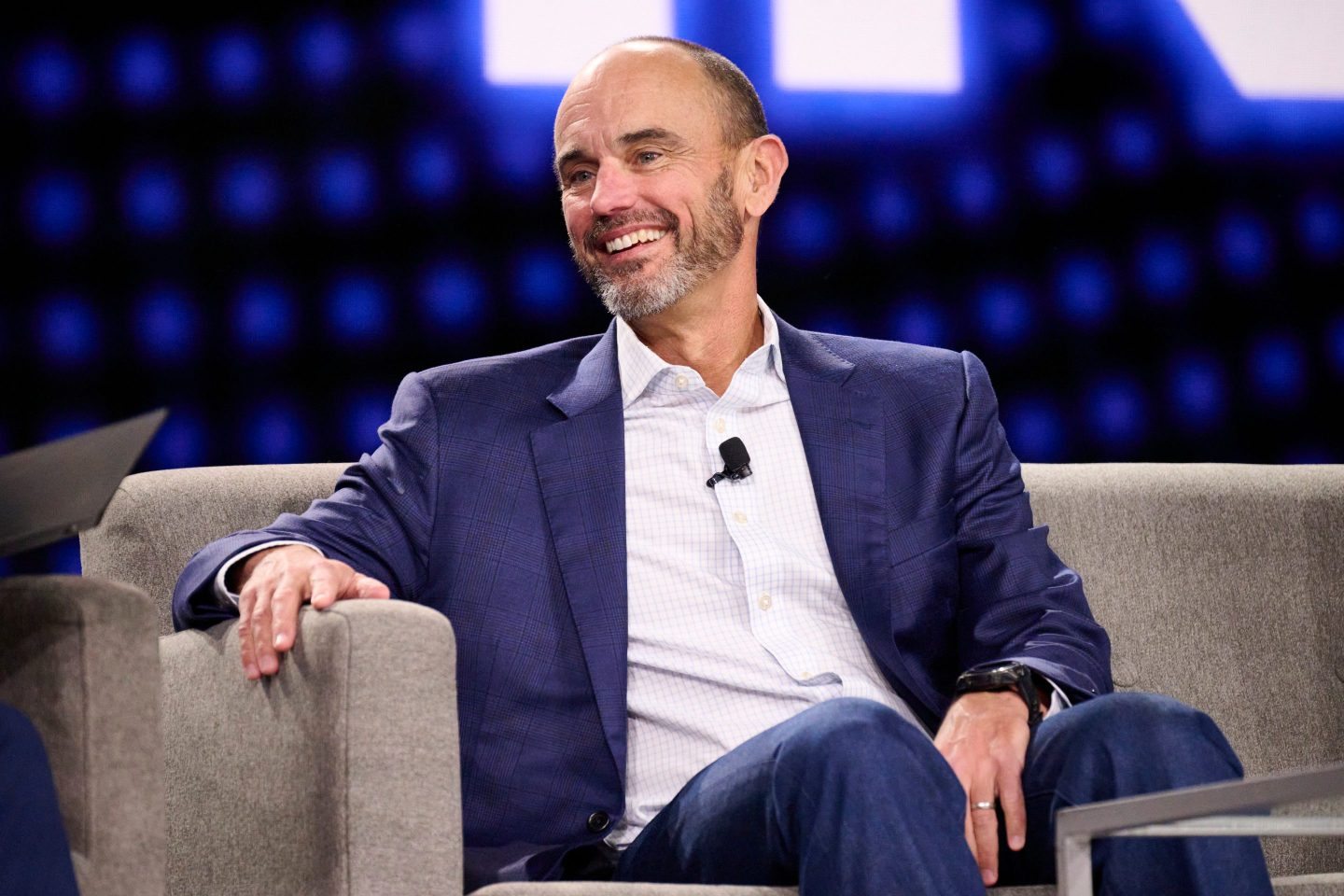
Joel Kotkin is a presidential fellow in urban futures at Chapman University, executive director of the Urban Reform Institute, and senior fellow at Heartland Forward. His next book, The Coming of Neo-Feudalism: A Warning to the Global Middle Class, will be published in May.

More opinion in Fortune:

—The coronavirus has shattered the drug development status quo
—2 things every business must consider before laying off employees in a recession
—There will be another pandemic after the coronavirus. It’s time to start preparing
—Why the coronavirus won’t cause widespread chaos in the U.S.
—Listen to Leadership Next, a Fortune podcast examining the evolving role of CEOs
—WATCH: The CEO of Canada’s biggest bank on the keys to leading through the coronavirus

Listen to our audio briefing, Fortune 500 Daily
About the Author
By Joel Kotkin
See full bioRight Arrow Button Icon

Latest in Commentary

Finance
Lorem ipsum dolor sit amet, consectetur adipiscing elit, sed do eiusmod tempor incididunt ut labore et dolore magna aliqua. Ut enim ad minim veniam
By Fortune Editors
October 20, 2025
Finance
Lorem ipsum dolor sit amet, consectetur adipiscing elit, sed do eiusmod tempor incididunt ut labore et dolore magna aliqua. Ut enim ad minim veniam
By Fortune Editors
October 20, 2025
Finance
Lorem ipsum dolor sit amet, consectetur adipiscing elit, sed do eiusmod tempor incididunt ut labore et dolore magna aliqua. Ut enim ad minim veniam
By Fortune Editors
October 20, 2025
Finance
Lorem ipsum dolor sit amet, consectetur adipiscing elit, sed do eiusmod tempor incididunt ut labore et dolore magna aliqua. Ut enim ad minim veniam
By Fortune Editors
October 20, 2025
Finance
Lorem ipsum dolor sit amet, consectetur adipiscing elit, sed do eiusmod tempor incididunt ut labore et dolore magna aliqua. Ut enim ad minim veniam
By Fortune Editors
October 20, 2025
Finance
Lorem ipsum dolor sit amet, consectetur adipiscing elit, sed do eiusmod tempor incididunt ut labore et dolore magna aliqua. Ut enim ad minim veniam
By Fortune Editors
October 20, 2025

Most Popular

Finance
Lorem ipsum dolor sit amet, consectetur adipiscing elit, sed do eiusmod tempor incididunt ut labore et dolore magna aliqua. Ut enim ad minim veniam
By Fortune Editors
October 20, 2025
Finance
Lorem ipsum dolor sit amet, consectetur adipiscing elit, sed do eiusmod tempor incididunt ut labore et dolore magna aliqua. Ut enim ad minim veniam
By Fortune Editors
October 20, 2025
Finance
Lorem ipsum dolor sit amet, consectetur adipiscing elit, sed do eiusmod tempor incididunt ut labore et dolore magna aliqua. Ut enim ad minim veniam
By Fortune Editors
October 20, 2025
Finance
Lorem ipsum dolor sit amet, consectetur adipiscing elit, sed do eiusmod tempor incididunt ut labore et dolore magna aliqua. Ut enim ad minim veniam
By Fortune Editors
October 20, 2025
Finance
Lorem ipsum dolor sit amet, consectetur adipiscing elit, sed do eiusmod tempor incididunt ut labore et dolore magna aliqua. Ut enim ad minim veniam
By Fortune Editors
October 20, 2025
Finance
Lorem ipsum dolor sit amet, consectetur adipiscing elit, sed do eiusmod tempor incididunt ut labore et dolore magna aliqua. Ut enim ad minim veniam
By Fortune Editors
October 20, 2025
Rankings
  • 100 Best Companies
  • Fortune 500
  • Global 500
  • Fortune 500 Europe
  • Most Powerful Women
  • Future 50
  • World’s Most Admired Companies
  • See All Rankings
Sections
  • Finance
  • Leadership
  • Success
  • Tech
  • Asia
  • Europe
  • Environment
  • Fortune Crypto
  • Health
  • Retail
  • Lifestyle
  • Politics
  • Newsletters
  • Magazine
  • Features
  • Commentary
  • Mpw
  • CEO Initiative
  • Conferences
  • Personal Finance
  • Education
Customer Support
  • Frequently Asked Questions
  • Customer Service Portal
  • Privacy Policy
  • Terms Of Use
  • Single Issues For Purchase
  • International Print
Commercial Services
  • Advertising
  • Fortune Brand Studio
  • Fortune Analytics
  • Fortune Conferences
  • Business Development
About Us
  • About Us
  • Editorial Calendar
  • Press Center
  • Work At Fortune
  • Diversity And Inclusion
  • Terms And Conditions
  • Site Map

© 2025 Fortune Media IP Limited. All Rights Reserved. Use of this site constitutes acceptance of our Terms of Use and Privacy Policy | CA Notice at Collection and Privacy Notice | Do Not Sell/Share My Personal Information
FORTUNE is a trademark of Fortune Media IP Limited, registered in the U.S. and other countries. FORTUNE may receive compensation for some links to products and services on this website. Offers may be subject to change without notice.


Most Popular

placeholder alt text
Success
Billionaire philanthropy's growing divide: Mark Zuckerberg stops funding immigration reform as MacKenzie Scott doubles down on DEI
By Ashley LutzDecember 22, 2025
2 days ago
placeholder alt text
Personal Finance
Financial experts warn future winner of the $1.7 billion Powerball: Don't make these common money mistakes
By Ashley LutzDecember 23, 2025
23 hours ago
placeholder alt text
Success
Former U.S. Secret Service agent says bringing your authentic self to work stifles teamwork: 'You don’t get high performers, you get sloppiness'
By Sydney LakeDecember 22, 2025
2 days ago
placeholder alt text
Success
The average worker would need to save for 52 years to claw their way out of the middle class and be classified as wealthy, new research reveals
By Orianna Rosa RoyleDecember 23, 2025
1 day ago
placeholder alt text
Success
'When we got out of college, we had a job waiting for us': 80-year-old boomer says her generation left behind a different economy for her grandkids
By Mike Schneider and The Associated PressDecember 23, 2025
1 day ago
placeholder alt text
Success
OpenAI's CEO Sam Altman says in 10 years' time college graduates will be working 'some completely new, exciting, super well-paid' job in space
By Preston ForeDecember 23, 2025
1 day ago

Latest in Commentary

economy
CommentaryGDP
Why 4.3% GDP growth proves the ‘vibecession’ theory is historically wrong
By Brian HamiltonDecember 24, 2025
4 hours ago
students
CommentaryEducation
Why restricting graduate loans will bankrupt America’s talent supply chain
By Katica RoyDecember 23, 2025
1 day ago
Arnault
CommentaryLuxury
The secrets of what Arnault knows: How Bernard Arnault built the impossible, and his timeless, transferable lessons of leadership 
By Jeffrey Sonnenfeld and Steven TianDecember 23, 2025
1 day ago
beer
CommentaryFood and drink
Supporting moderation: beer’s structural advantage in the no-alcohol space
By Justin KissingerDecember 23, 2025
1 day ago
Chris Nicholas
CommentaryLeadership
I’m the Sam’s Club CEO and I’ve got an AI leadership reality check: let purpose, not promise, guide investment
By Chris NicholasDecember 22, 2025
2 days ago
Geoff Green
Commentarymortgages
Your mortgage likely cost $11,500 to originate—and reams of paperwork. How Salesforce Agentforce is helping improve the process
By Geoff GreenDecember 22, 2025
2 days ago