• Home
  • Latest
  • Fortune 500
  • Finance
  • Tech
  • Leadership
  • Lifestyle
  • Rankings
  • Multimedia
CommentaryCoronavirus

There will be another pandemic after the coronavirus—and it’s time to start preparing now

By
Jane J. Kim
Jane J. Kim
and
Michelle A. Williams
Down Arrow Button Icon
By
Jane J. Kim
Jane J. Kim
and
Michelle A. Williams
Down Arrow Button Icon
March 29, 2020, 9:00 AM ET

As the world mobilizes to contain the coronavirus and its fallout, we can’t lose sight of the bigger, equally alarming picture: The next pandemic is only a matter of time. The U.S. needs to start preparing for it as soon as possible. 

The global outbreak of COVID-19 is in no way an anomaly. Today, infectious diseases are emerging and reemerging more quickly than ever before. Between 1980 and 2013, the number of annual epidemics has gone from fewer than 1,000 to over 3,000. Infectious diseases such as Zika, MERS-CoV, SARS, cholera, tuberculosis, HIV/AIDS, influenza, and Ebola kill millions every year, and their outbreaks have decimated economies and triggered aftershocks and panic around the world.

It’s a dire situation that highlights the disturbing reality about the fragility of our global economy, the insufficiency of America’s social safety net, and persistent underinvestment in U.S. public health preparedness. We have always known that the next crisis was only a matter of time. And yet time and again, we find ourselves playing catch-up, scrambling to react to these crises, having failed to prepare for them in the first place.

In the wake of every disease outbreak, we see a flurry of proactive public health measures in the form of funding, task forces, and renewed interest in vaccine development and other public health measures. But eventually political interest wanes, funding priorities change, and as the crisis comes under control, our attention shifts to other seemingly more pressing issues.

Look no further than the Ebola outbreak a half-decade ago, the deadliest one in history. All told, the epidemic killed more than 11,000 people. Hundreds of children were orphaned.

More than 40 reports were written in the wake of this tragedy, each of them outlining alarming vulnerabilities: overburdened local health systems, a lack of coordination between governments and NGOs, inadequate disease surveillance and alert systems, and a lack of trust between citizens and local and national authorities.

Even so, the tragedy quickly faded from the headlines, and the world let its guard down. In 2014, Congress appropriated $5.4 billion to fight the Ebola epidemic. Four years later, the Trump administration walked back that commitment, rescinding the remaining $252 million in funding that had been set aside to build up local capacities and prevent future outbreaks. That same year, the global health unit of the White House National Security Council was eliminated altogether.

It is that kind of short-term thinking that has led to the very predicament America finds itself in today. We have chronically insufficient and underfunded public health entities that have no surge capacity during times of emergency. We’re lacking the ability to engage in the transdisciplinary work required to effectively address the crisis. And widening socioeconomic disparities threaten to make future pandemics even deadlier.

The time to change this paradigm is now.

First and foremost, the U.S. needs stronger public health systems to detect and contain diseases. That means developing a central data surveillance system to link laboratory data with population data and clinical measures, so that organizations across our health system will have the necessary information to track and predict outbreaks. It means having sustained funding for discovery science, so that we can develop new vaccines, rapid diagnostics, and treatments. And it means investing in better health care delivery across the board.

Second, we need to bolster our communication and coordination. In addition to the Centers for Disease Control and Prevention (CDC), the U.S. would benefit from a new, nongovernmental organization that could guide our national response during public health crises and prepare evidence-based epidemic protocols and practices during times of peace. 

Such an entity should be led by public health and policy experts who operate independently, outside the confines of the normal political landscape. A great model for such leadership is The Elders, the organization founded by Nelson Mandela that works both publicly and through private diplomacy to promote peace and human rights around the globe.

And finally, we need to address the underlying inequalities that make a crisis like this one so devastating for vulnerable people. In the short term, that means targeting the congressional stimulus package to the small businesses and workers who will be hardest hit, including those in fields like hospitality, retail, and the gig economy. In the long term, it means bolstering our social safety net—by expanding unemployment insurance, paid sick leave, health care access, small-business assistance, and food and housing security.

This may be a tall order, but public health now has everyone’s attention. Even in the throes of this crisis, we have an opportunity to break the familiar, dangerous cycle of panic and eventual neglect that inevitably follows every pandemic. And when we do, we will save countless lives.

Jane J. Kim is dean for academic affairs at the Harvard T.H. Chan School of Public Health and a professor of health decision science.

Michelle A. Williams is dean of the faculty at the Harvard T.H. Chan School of Public Health and the Angelopoulos professor in public health and international development.

More coronavirus coverage from Fortune:

—Why Iceland’s approach to coronavirus testing may be better than America’s
—Everything you need to know about the coronavirus stimulus checks
—Glow sticks to surgical masks: Businesses pivot to tackle coronavirus shortages
—The world’s largest coronavirus lockdown is off to a rocky start
—The oil sector is quickly running out of storage for its unprecedented surplus
—The $2 trillion coronavirus stimulus package isn’t green, but it helps
—Listen to Leadership Next, a Fortune podcast examining the evolving role of CEO
—WATCH: World leaders and health experts on how to stop the spread of COVID-19

Subscribe to Outbreak, a daily newsletter roundup of stories on the coronavirus pandemic and its impact on global business. It’s free to get it in your inbox.
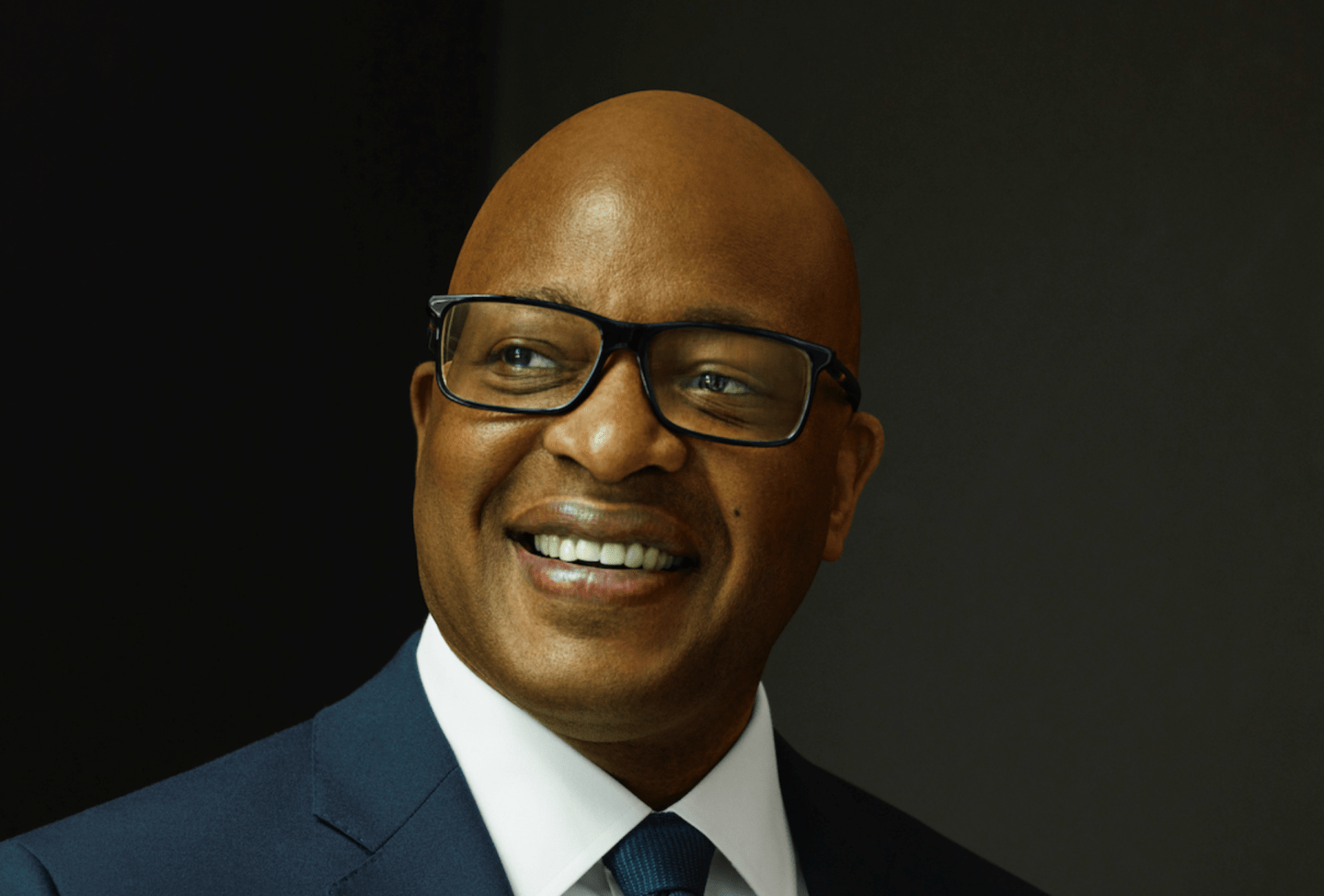

About the Authors
By Jane J. Kim
See full bioRight Arrow Button Icon
By Michelle A. Williams
See full bioRight Arrow Button Icon

Latest in Commentary

Finance
Lorem ipsum dolor sit amet, consectetur adipiscing elit, sed do eiusmod tempor incididunt ut labore et dolore magna aliqua. Ut enim ad minim veniam
By Fortune Editors
October 20, 2025
Finance
Lorem ipsum dolor sit amet, consectetur adipiscing elit, sed do eiusmod tempor incididunt ut labore et dolore magna aliqua. Ut enim ad minim veniam
By Fortune Editors
October 20, 2025
Finance
Lorem ipsum dolor sit amet, consectetur adipiscing elit, sed do eiusmod tempor incididunt ut labore et dolore magna aliqua. Ut enim ad minim veniam
By Fortune Editors
October 20, 2025
Finance
Lorem ipsum dolor sit amet, consectetur adipiscing elit, sed do eiusmod tempor incididunt ut labore et dolore magna aliqua. Ut enim ad minim veniam
By Fortune Editors
October 20, 2025
Finance
Lorem ipsum dolor sit amet, consectetur adipiscing elit, sed do eiusmod tempor incididunt ut labore et dolore magna aliqua. Ut enim ad minim veniam
By Fortune Editors
October 20, 2025
Finance
Lorem ipsum dolor sit amet, consectetur adipiscing elit, sed do eiusmod tempor incididunt ut labore et dolore magna aliqua. Ut enim ad minim veniam
By Fortune Editors
October 20, 2025

Most Popular

Finance
Lorem ipsum dolor sit amet, consectetur adipiscing elit, sed do eiusmod tempor incididunt ut labore et dolore magna aliqua. Ut enim ad minim veniam
By Fortune Editors
October 20, 2025
Finance
Lorem ipsum dolor sit amet, consectetur adipiscing elit, sed do eiusmod tempor incididunt ut labore et dolore magna aliqua. Ut enim ad minim veniam
By Fortune Editors
October 20, 2025
Finance
Lorem ipsum dolor sit amet, consectetur adipiscing elit, sed do eiusmod tempor incididunt ut labore et dolore magna aliqua. Ut enim ad minim veniam
By Fortune Editors
October 20, 2025
Finance
Lorem ipsum dolor sit amet, consectetur adipiscing elit, sed do eiusmod tempor incididunt ut labore et dolore magna aliqua. Ut enim ad minim veniam
By Fortune Editors
October 20, 2025
Finance
Lorem ipsum dolor sit amet, consectetur adipiscing elit, sed do eiusmod tempor incididunt ut labore et dolore magna aliqua. Ut enim ad minim veniam
By Fortune Editors
October 20, 2025
Finance
Lorem ipsum dolor sit amet, consectetur adipiscing elit, sed do eiusmod tempor incididunt ut labore et dolore magna aliqua. Ut enim ad minim veniam
By Fortune Editors
October 20, 2025
Fortune Secondary Logo
Rankings
  • 100 Best Companies
  • Fortune 500
  • Global 500
  • Fortune 500 Europe
  • Most Powerful Women
  • World's Most Admired Companies
  • See All Rankings
  • Lists Calendar
Sections
  • Finance
  • Fortune Crypto
  • Features
  • Leadership
  • Health
  • Commentary
  • Success
  • Retail
  • Mpw
  • Tech
  • Lifestyle
  • CEO Initiative
  • Asia
  • Politics
  • Conferences
  • Europe
  • Newsletters
  • Personal Finance
  • Environment
  • Magazine
  • Education
Customer Support
  • Frequently Asked Questions
  • Customer Service Portal
  • Privacy Policy
  • Terms Of Use
  • Single Issues For Purchase
  • International Print
Commercial Services
  • Advertising
  • Fortune Brand Studio
  • Fortune Analytics
  • Fortune Conferences
  • Business Development
  • Group Subscriptions
About Us
  • About Us
  • Lists Calendar
  • Press Center
  • Work At Fortune
  • Terms And Conditions
  • Site Map
  • About Us
  • Lists Calendar
  • Press Center
  • Work At Fortune
  • Terms And Conditions
  • Site Map
  • Facebook icon
  • Twitter icon
  • LinkedIn icon
  • Instagram icon
  • Pinterest icon

Latest in Commentary

frank
CommentaryVisa
Visa CMO: AI agents are your new customers — here’s how to sell to them
By Frank Cooper IIIApril 22, 2026
10 hours ago
shlomit
Commentarycyber
The Mythos meeting focused on the wrong AI risk to banks. Here’s the one nobody is talking about
By Shlomit WagmanApril 22, 2026
13 hours ago
one piece
CommentaryPersonal Finance
Gen Z is doing (almost) everything right with money—and still getting burned
By Beth KoblinerApril 22, 2026
18 hours ago
beard
CommentaryEducation
Yale asked the right question. Now the rest of higher education owes an answer
By Steve BeardApril 22, 2026
18 hours ago
trump
Commentarynational debt
America’s national debt is heading to 175% of GDP. Here’s why no president—including Trump—has the will to stop it
By Steve H. Hanke and David M. WalkerApril 22, 2026
19 hours ago
edelman
CommentaryHealth
70% of people believe at least one divisive health claim. Science needs a new playbook
By Richard EdelmanApril 22, 2026
20 hours ago

Most Popular

‘Something sinister’: What we know about the FBI probe into dead and missing scientists linked to space and military industries
Economy
‘Something sinister’: What we know about the FBI probe into dead and missing scientists linked to space and military industries
By Jim EdwardsApril 22, 2026
20 hours ago
The tables have turned: Florida and Texas are the biggest losers in the housing market as Ohio emerges a surprise winner
Real Estate
The tables have turned: Florida and Texas are the biggest losers in the housing market as Ohio emerges a surprise winner
By Sydney LakeApril 21, 2026
1 day ago
'Something sinister could be happening': FBI looks into dead or missing nuclear and space defense scientists tied to NASA, Blue Origin, and SpaceX
Politics
'Something sinister could be happening': FBI looks into dead or missing nuclear and space defense scientists tied to NASA, Blue Origin, and SpaceX
By Catherina GioinoApril 21, 2026
1 day ago
John Ternus, the man stepping into Tim Cook and Steve Jobs' shoes, is a 25-year Apple veteran with zero LinkedIn posts
C-Suite
John Ternus, the man stepping into Tim Cook and Steve Jobs' shoes, is a 25-year Apple veteran with zero LinkedIn posts
By Kelvin Chan and The Associated PressApril 21, 2026
2 days ago
$166 billion in tariff refunds just became available, but small businesses may already be at a disadvantage
Law
$166 billion in tariff refunds just became available, but small businesses may already be at a disadvantage
By Sasha RogelbergApril 20, 2026
2 days ago
Palantir published a mini manifesto calling some cultures ‘harmful’ and ‘middling’ and said Silicon Valley has ‘a moral debt’ to the U.S.
AI
Palantir published a mini manifesto calling some cultures ‘harmful’ and ‘middling’ and said Silicon Valley has ‘a moral debt’ to the U.S.
By Marco Quiroz-GutierrezApril 22, 2026
22 hours ago

© 2026 Fortune Media IP Limited. All Rights Reserved. Use of this site constitutes acceptance of our Terms of Use and Privacy Policy | CA Notice at Collection and Privacy Notice | Do Not Sell/Share My Personal Information
FORTUNE is a trademark of Fortune Media IP Limited, registered in the U.S. and other countries. FORTUNE may receive compensation for some links to products and services on this website. Offers may be subject to change without notice.