• Home
  • Latest
  • Fortune 500
  • Finance
  • Tech
  • Leadership
  • Lifestyle
  • Rankings
  • Multimedia
EnvironmentInstitutional investors

As Amazon Burns, Major Investors Warn That Companies Run ‘Systemic’ Risks If They Don’t Fight Deforestation

By
Katherine Dunn
Katherine Dunn
Down Arrow Button Icon
By
Katherine Dunn
Katherine Dunn
Down Arrow Button Icon
September 19, 2019, 6:24 AM ET

Some of the world’s largest asset managers and institutional investors called on companies in an open letter Wednesday to tackle the risks associated with deforestation, spurred by international outcry over wildfires in the Amazon rainforest.

The signatories represent a collective $16.2 trillion assets under management, and include some of the world’s largest institutional investors, including Legal & General Investment Management, Amundi Asset Management and APG.

“It is with deep concern that we follow the escalating crisis of deforestation and forest fires in Brazil and Bolivia,” the letter said. “As investors, who have a fiduciary duty to act in the best long-term interests of our beneficiaries, we recognise the crucial role that tropical forests play in tackling climate change, protecting biodiversity and ensuring ecosystem services.”

The letter said the investors see deforestation and the associated impacts as “systemic risks” to their portfolios, while warning that companies who have business exposure to deforestation in Brazil may face future difficultly accessing international markets.

To address the risk of deforestation, the investors “urgently” requested companies implement policies ranging from public, commodity-specific no-deforestation policies to establishing transparent systems for monitoring deforestation risk across the entire supply chain, and reporting annually on the company’s progress, among others.

Wildfires in Brazil and Bolivia that have destroyed vast swathes of the Amazon rainforest this year—although the exact amount is still unclear—were started in part by humans clearing land to farm lucrative agricultural exports like beef and soy. Now, the worst wildfires in years are also burning in Indonesia, and officials say 80% of the fires were set intentionally to clear the land for palm plantations to produce palm oil, a consumer oil found in everything from pizza to toothpaste.

The statement was coordinated by non-profits PRI and Ceres, who push for strengthened sustainability and responsible investing principles among institutional investors.

But rather than empty promises of corporate responsibility, the letter comes at a time when the needle appears to finally be shifting: investors and banks are increasingly seeing climate change, and associated risks like deforestation and water shortages, as serious financial risks to businesses and warming that businesses who do not act to limit their exposure will see their access to financing and insurance affected.

This spring, a group of central banks, including the central banks of England, France, and China, issued a dire warning that climate change represents a systemic risk to financial stability, and therefore falls under the remit of the world’s central banks.

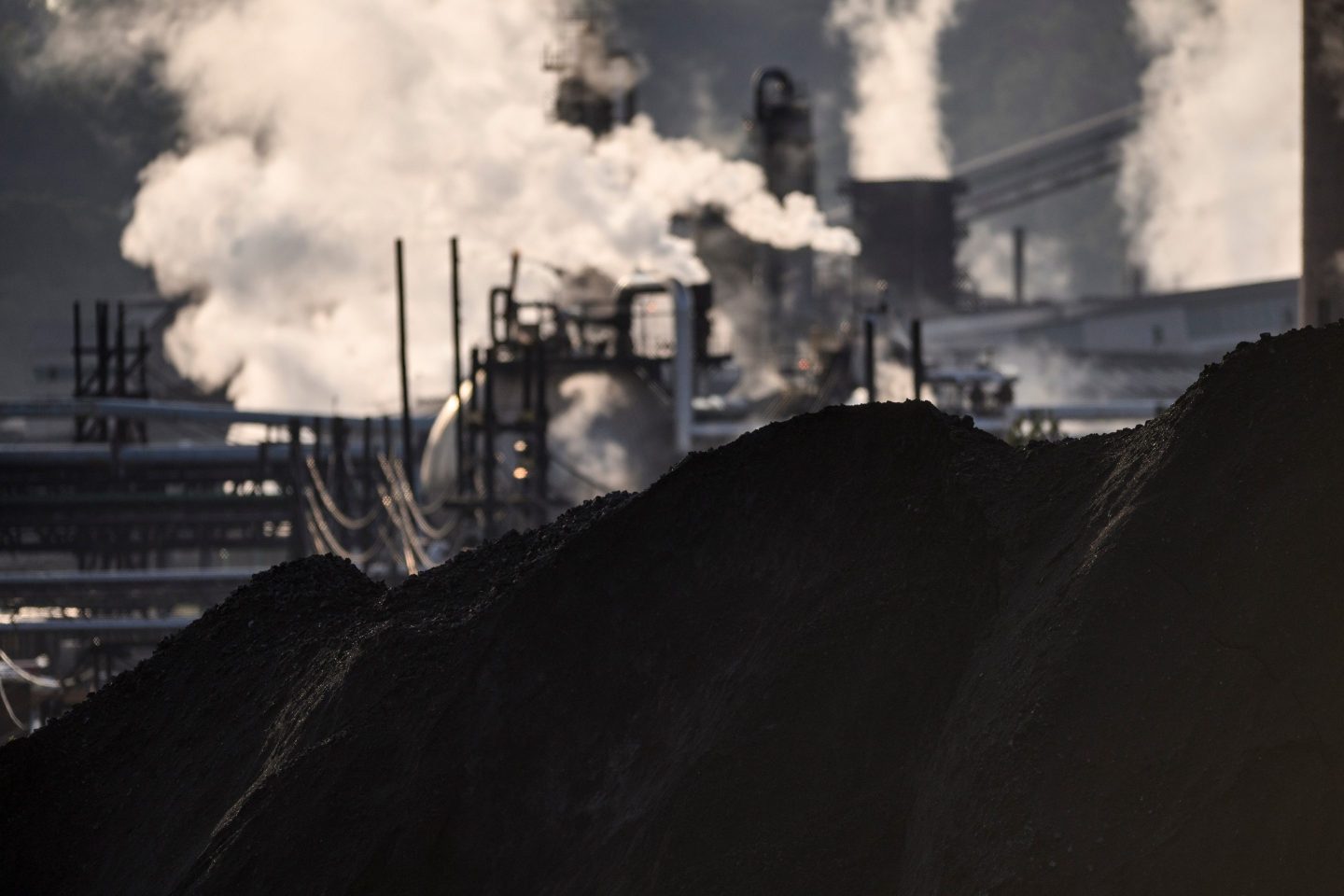
That approach has begun to hit industries like coal particularly hard. Earlier this month, a top executive from ICBC, China’s largest bank and the world’s largest bank by assets, said that climate stress tests that began in 2015 are restricting financing to the coal industry and pushing it toward the renewables sector.

More must-read stories from Fortune:

—China is the world’s biggest coal user. Can it break the habit?
—How the energy industry is using data to decarbonize itself
—Why solar execs say the game is already over for non-renewable energy
—BP’s CEO says he’ll sell oil projects to meet Paris climate accord goals
—Listen to our audio briefing, Fortune 500 Daily
Subscribe to The Loop, a weekly look at the revolutions in energy, tech, and sustainability.
About the Author
By Katherine Dunn
LinkedIn iconTwitter icon
See full bioRight Arrow Button Icon

Latest in Environment

carbon
Commentaryclimate change
Banking on carbon markets 2.0: why financial institutions should engage with carbon credits
By Usha Rao-MonariDecember 13, 2025
6 hours ago
mackenzie
Personal Financephilanthropy
‘This year, I really see education and climate’: Patterns in billionaire MacKenzie Scott’s massive giving emerge with time
By Thalia Beaty and The Associated PressDecember 11, 2025
2 days ago
Google DeepMind cofounder and CEO Demis Hassabis
AIU.K.
Google DeepMind agrees to sweeping partnership with U.K. government focused on science and clean energy
By Jeremy KahnDecember 10, 2025
3 days ago
InnovationBrainstorm AI
Rivian CEO says buying an EV isn’t a political choice, pointing out that R1 buyers are split evenly between Republicans and Democrats
By Jason MaDecember 10, 2025
3 days ago
AIBrainstorm AI
Google Cloud CEO lays out 3-part strategy to meet AI’s energy demands, after identifying it as ‘the most problematic thing’
By Jason MaDecember 8, 2025
5 days ago
Apple CEO Tim Cook wearing a white polo shirt and throwing up a peace sign
Big TechApple
Apple won’t be the same in 2026. Meet the company’s next generation of leaders and rising stars after its biggest executive exodus in years
By Dave SmithDecember 8, 2025
5 days ago

Most Popular

placeholder alt text
Economy
Tariffs are taxes and they were used to finance the federal government until the 1913 income tax. A top economist breaks it down
By Kent JonesDecember 12, 2025
1 day ago
placeholder alt text
Success
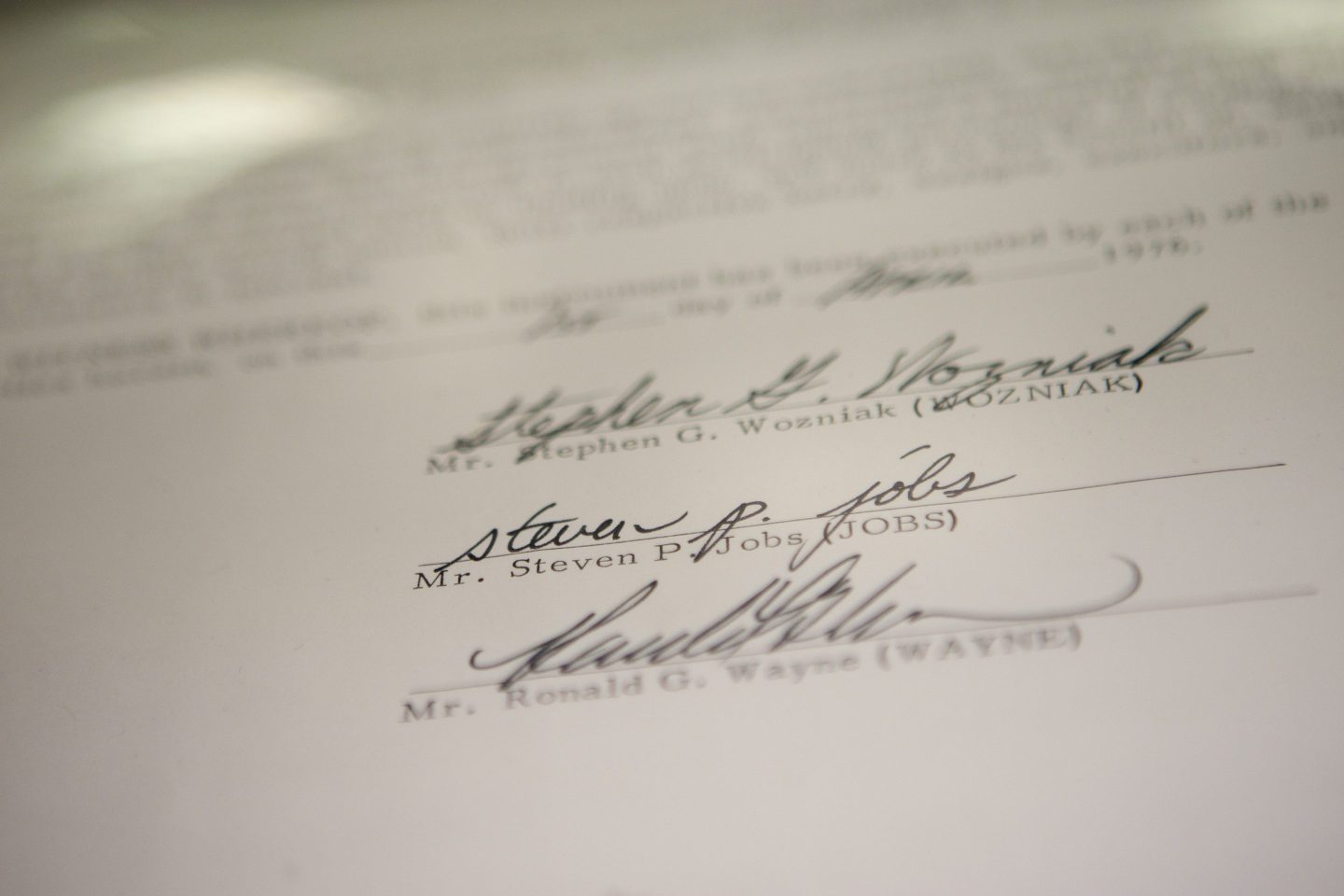
Apple cofounder Ronald Wayne sold his 10% stake for $800 in 1976—today it’d be worth up to $400 billion
By Preston ForeDecember 12, 2025
1 day ago
placeholder alt text
Success
40% of Stanford undergrads receive disability accommodations—but it’s become a college-wide phenomenon as Gen Z try to succeed in the current climate
By Preston ForeDecember 12, 2025
1 day ago
placeholder alt text
Economy
The Fed just ‘Trump-proofed’ itself with a unanimous move to preempt a potential leadership shake-up
By Jason MaDecember 12, 2025
21 hours ago
placeholder alt text
Economy
For the first time since Trump’s tariff rollout, import tax revenue has fallen, threatening his lofty plans to slash the $38 trillion national debt
By Sasha RogelbergDecember 12, 2025
23 hours ago
placeholder alt text
Success
Apple CEO Tim Cook out-earns the average American’s salary in just 7 hours—to put that into context, he could buy a new $439,000 home in just 2 days
By Emma BurleighDecember 12, 2025
1 day ago
Rankings
  • 100 Best Companies
  • Fortune 500
  • Global 500
  • Fortune 500 Europe
  • Most Powerful Women
  • Future 50
  • World’s Most Admired Companies
  • See All Rankings
Sections
  • Finance
  • Leadership
  • Success
  • Tech
  • Asia
  • Europe
  • Environment
  • Fortune Crypto
  • Health
  • Retail
  • Lifestyle
  • Politics
  • Newsletters
  • Magazine
  • Features
  • Commentary
  • Mpw
  • CEO Initiative
  • Conferences
  • Personal Finance
  • Education
Customer Support
  • Frequently Asked Questions
  • Customer Service Portal
  • Privacy Policy
  • Terms Of Use
  • Single Issues For Purchase
  • International Print
Commercial Services
  • Advertising
  • Fortune Brand Studio
  • Fortune Analytics
  • Fortune Conferences
  • Business Development
About Us
  • About Us
  • Editorial Calendar
  • Press Center
  • Work At Fortune
  • Diversity And Inclusion
  • Terms And Conditions
  • Site Map

© 2025 Fortune Media IP Limited. All Rights Reserved. Use of this site constitutes acceptance of our Terms of Use and Privacy Policy | CA Notice at Collection and Privacy Notice | Do Not Sell/Share My Personal Information
FORTUNE is a trademark of Fortune Media IP Limited, registered in the U.S. and other countries. FORTUNE may receive compensation for some links to products and services on this website. Offers may be subject to change without notice.