• Home
  • News
  • Fortune 500
  • Tech
  • Finance
  • Leadership
  • Lifestyle
  • Rankings
  • Multimedia
Commentarymicrofinance

Mastercard and Unilever CEOs: How We Can Help Microbusinesses Grow

By
Ajay Banga
Ajay Banga
and
Paul Polman
Paul Polman
Down Arrow Button Icon
By
Ajay Banga
Ajay Banga
and
Paul Polman
Paul Polman
Down Arrow Button Icon
July 14, 2018, 10:00 AM ET
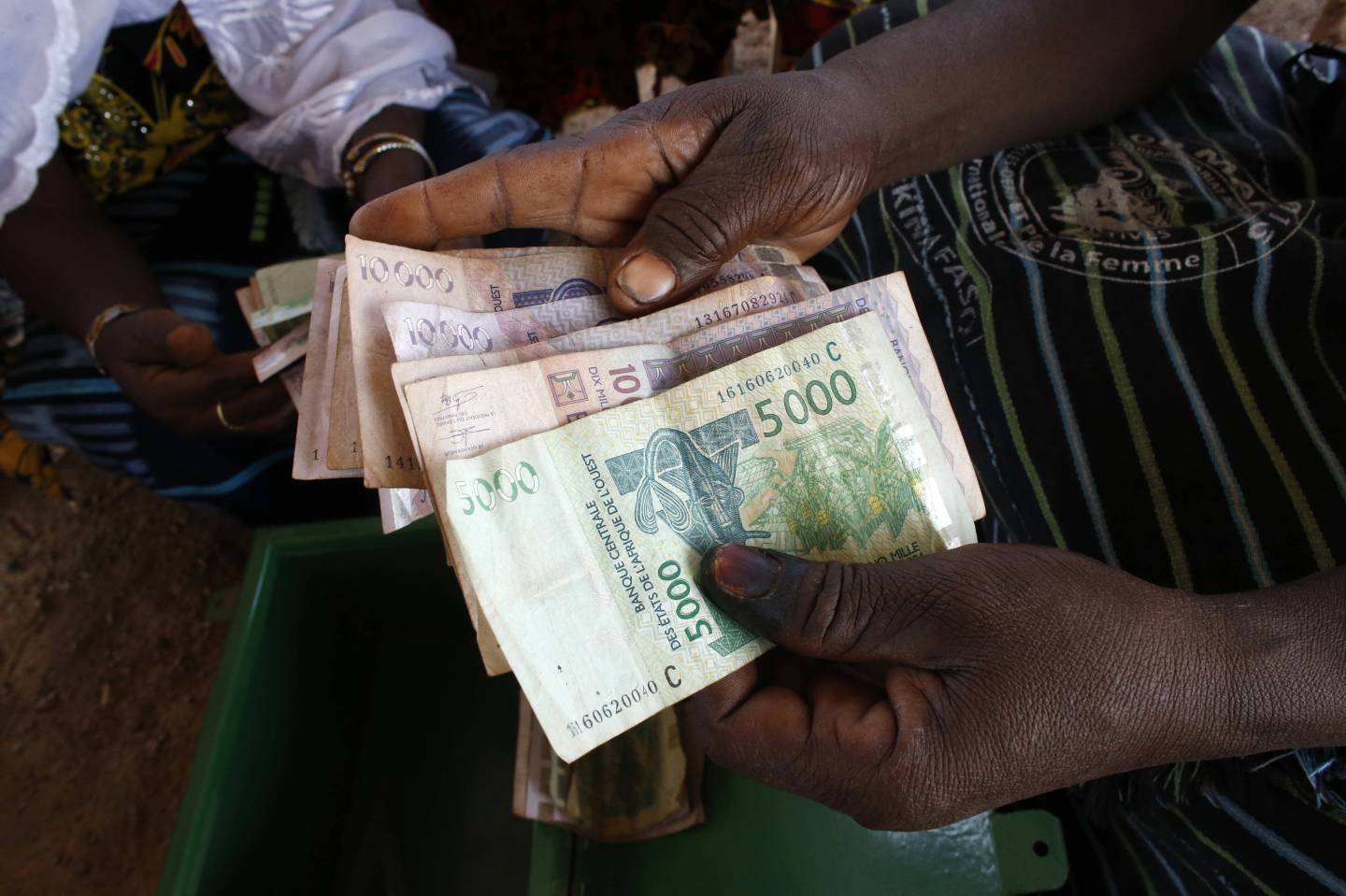
A microfinance meeting in a village in Burkina Faso.
UBTEC NGO microfinance meeting in a village near Ouahigouya, Burkina Faso. (Photo by: Godong/UIG via Getty Images)Godong—UIG via Getty Images

There are somewhere between 365 and 445 million micro, small, and medium enterprises (MSME) in emerging economies. They are the backbones of their local economies and a key driver of the United Nations Sustainable Development Goals—promoting inclusive growth, decent work for all, and innovation.

Yet too many small business owners remain disconnected from the vital networks and resources they need to thrive in today’s economy.

When we speak to small shop owners, we hear that access to affordable credit is their biggest barrier to growth. As of 2017, 70% of women-owned small- and medium-sized businesses in the developing world do not have access to adequate financing. This represents a $300 billion credit gap each year.

Some progress has already been made to close the gap. Governments around the world have made it a priority to improve the availability of digital financial services, with 50 countries setting formal targets. Private companies have also stepped in to work with governments and NGOs to reach more people and run trials on new models.

But to achieve scale and long-term growth, it will be crucial to bring together tools, data insights, and partnerships from across different sectors to change the model of small business financing. For example, Mastercard and Unilever are working together on new lending models for micro merchants in Kenya. The journey starts with a storeowner who is buying products from a distributor and needs to sell all their products in order to buy some more supplies and feed their family. The cash nature of the business essentially prohibits their ability to obtain a credit line, which is necessary to grow the business.

Our companies have combined forces to create a safe digital platform for merchants to access and use low-risk micro-credit, which is underwritten by a local bank. By digitizing information from suppliers and local distributors, we can analyze merchants’ purchase history and transform it into a proxy for credit.

The impact of such a platform on small shopkeepers, their families, and their wider communities can be transformative. For example, Lucy, a single mother of two, has been a retailer for 10 years. Her store represents her only source of income. Participation in this program means that she can buy more products, giving her access to formal credit services and increasing her customer footfall. She now feels confident about meeting her family’s financial needs—including her children’s education—and is providing better service to her community.

Inclusive growth over the long term is our goal, which is why we are placing equal emphasis on also providing these business owners with training on how to manage their finances and inventory, as well as giving them the marketing skills and techniques to attract customers and drive sales.

We want other companies and private sector leaders to join us in this collaborative approach to inclusive growth—and create a true network effect that will bring about change. This is not about philanthropy. The ideas of doing well and doing good are not mutually exclusive. Companies need to understand that there is a strong business case for working together to put people on a path to prosperity.

Many societal challenges—such as the management of utilities, transportation, agriculture, schools, tourism, and health care—can be tackled successfully through the right partnerships. We need to work together to ensure no one is left behind.

Ajay Banga is the president and CEO of Mastercard. Paul Polman is the CEO of Unilever.

About the Authors
By Ajay Banga
See full bioRight Arrow Button Icon
By Paul Polman
See full bioRight Arrow Button Icon

Latest in Commentary

Amit Walia
CommentaryM&A
Why the timing was right for Salesforce’s $8 billion acquisition of Informatica — and for the opportunities ahead
By Amit WaliaDecember 6, 2025
23 hours ago
Steve Milton is the CEO of Chain, a culinary-led pop-culture experience company founded by B.J. Novak and backed by Studio Ramsay Global.
CommentaryFood and drink
Affordability isn’t enough. Fast-casual restaurants need a fandom-first approach
By Steve MiltonDecember 5, 2025
2 days ago
Paul Atkins
CommentaryCorporate Governance
Turning public companies into private companies: the SEC’s retreat from transparency and accountability
By Andrew BeharDecember 5, 2025
2 days ago
Matt Rogers
CommentaryInfrastructure
I built the first iPhone with Steve Jobs. The AI industry is at risk of repeating an early smartphone mistake
By Matt RogersDecember 4, 2025
3 days ago
Jerome Powell
CommentaryFederal Reserve
Fed officials like the mystique of being seen as financial technocrats, but it’s time to demystify the central bank
By Alexander William SalterDecember 4, 2025
3 days ago
Rakesh Kumar
CommentarySemiconductors
China does not need Nvidia chips in the AI war — export controls only pushed it to build its own AI machine
By Rakesh KumarDecember 3, 2025
4 days ago

Most Popular

placeholder alt text
AI
Nvidia CEO says data centers take about 3 years to construct in the U.S., while in China 'they can build a hospital in a weekend'
By Nino PaoliDecember 6, 2025
19 hours ago
placeholder alt text
Real Estate
The 'Great Housing Reset' is coming: Income growth will outpace home-price growth in 2026, Redfin forecasts
By Nino PaoliDecember 6, 2025
1 day ago
placeholder alt text
Big Tech
Mark Zuckerberg rebranded Facebook for the metaverse. Four years and $70 billion in losses later, he’s moving on
By Eva RoytburgDecember 5, 2025
2 days ago
placeholder alt text
Economy
The most likely solution to the U.S. debt crisis is severe austerity triggered by a fiscal calamity, former White House economic adviser says
By Jason MaDecember 6, 2025
14 hours ago
placeholder alt text
Asia
Despite their ‘no limits’ friendship, Russia is paying a nearly 90% markup on sanctioned goods from China—compared with 9% from other countries
By Jason MaNovember 29, 2025
8 days ago
placeholder alt text
Success
Nvidia CEO Jensen Huang admits he works 7 days a week, including holidays, in a constant 'state of anxiety' out of fear of going bankrupt
By Jessica CoacciDecember 4, 2025
3 days ago
Rankings
  • 100 Best Companies
  • Fortune 500
  • Global 500
  • Fortune 500 Europe
  • Most Powerful Women
  • Future 50
  • World’s Most Admired Companies
  • See All Rankings
Sections
  • Finance
  • Leadership
  • Success
  • Tech
  • Asia
  • Europe
  • Environment
  • Fortune Crypto
  • Health
  • Retail
  • Lifestyle
  • Politics
  • Newsletters
  • Magazine
  • Features
  • Commentary
  • Mpw
  • CEO Initiative
  • Conferences
  • Personal Finance
  • Education
Customer Support
  • Frequently Asked Questions
  • Customer Service Portal
  • Privacy Policy
  • Terms Of Use
  • Single Issues For Purchase
  • International Print
Commercial Services
  • Advertising
  • Fortune Brand Studio
  • Fortune Analytics
  • Fortune Conferences
  • Business Development
About Us
  • About Us
  • Editorial Calendar
  • Press Center
  • Work At Fortune
  • Diversity And Inclusion
  • Terms And Conditions
  • Site Map

© 2025 Fortune Media IP Limited. All Rights Reserved. Use of this site constitutes acceptance of our Terms of Use and Privacy Policy | CA Notice at Collection and Privacy Notice | Do Not Sell/Share My Personal Information
FORTUNE is a trademark of Fortune Media IP Limited, registered in the U.S. and other countries. FORTUNE may receive compensation for some links to products and services on this website. Offers may be subject to change without notice.










