• Home
  • News
  • Fortune 500
  • Tech
  • Finance
  • Leadership
  • Lifestyle
  • Rankings
  • Multimedia
TechPrivacy

California Passes Groundbreaking Consumer Data Privacy Law With Fines for Violations

By
Glenn Fleishman
Glenn Fleishman
Down Arrow Button Icon
By
Glenn Fleishman
Glenn Fleishman
Down Arrow Button Icon
June 28, 2018, 8:06 PM ET
Messenger And Facebook : Illustration
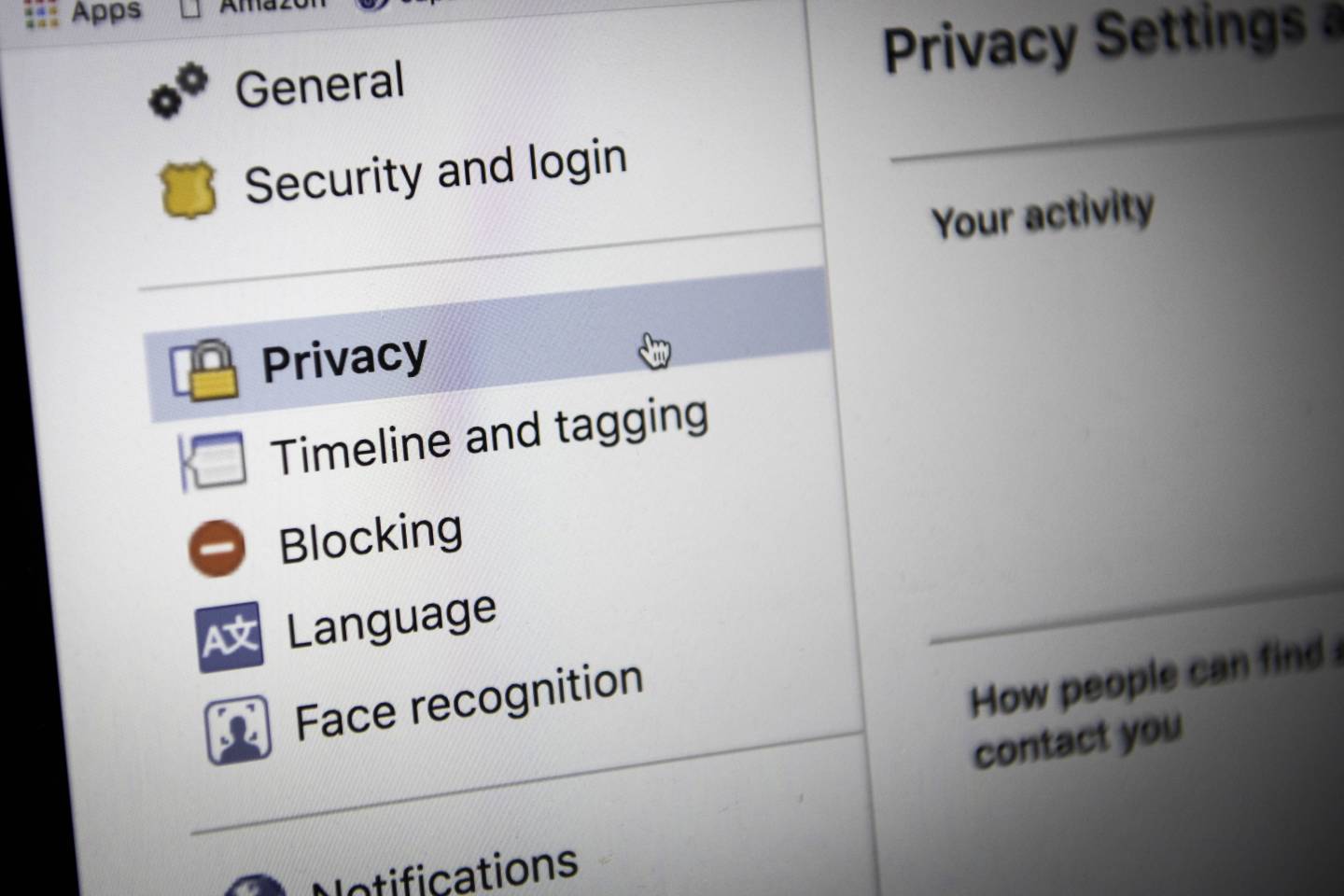
An illustration picture taken on a personal computer on April 6, 2018 in Tokyo shows the privacy setting of the social networking app Facebook. Photo by Richard Atrero de Guzman—NurPhoto/Getty ImagesRichard Atrero de Guzman—NurPhoto via Getty Images

California has passed a sweeping privacy law that gives consumers the right to demand that their data be deleted and to bar companies from selling their data without them losing access to services or being charged a higher price.

The bill, passed today by the state’s legislature and quickly signed by Gov. Jerry Brown, affects all companies that do business in the state and collect data. It requires those businesses to disclose information they store, what purpose it’s for, and with which third parties it’s shared.

For data breaches, consumers may be able to sue for up to $750 for each violation, while the state attorney general can sue for intentional violations of privacy at up to $7,500 each. For both consumer and state lawsuits, companies have to be given 30 days to fix the problem.

The act takes effect Jan. 1, 2020.

The legislature barreled the act through introduction to passage in a matter of days, as a stricter citizen’s initiative with a similar approach was destined for the November ballot. It let consumers sue for as much as five times as much per violation.

California often acts on technology, privacy, and environmental issues in advance of other states and the federal government, and this measure could serve as a catalyst for other states to pass similar or identical laws.

A number of tech giants strongly opposed the initiative and the legislative measure, although individual companies and groups representing them articulated few reasons. A Google executive said the act would have unintended consequences, but didn’t enumerate possibilities. A cellular operator trade group, the CTIA, said state-specific rules would confuse consumers and stifle innovation, especially if other states pile on.

Many technology companies have faced criticism over disclosures both about what data is collected and how, as well as their actions when they discover privacy flaws or data breaches.

However, the California act will affect any business that has customers in California that meet one or more of the following tests: gross at least $25 million annually; interact with information to 50,000 or more people, households, or devices; or make half its annual revenue from selling personal information.

The landmark bill has elements in common with the General Data Protection Regulation (GDPR) that the European Union imposed on its member states and some affiliates in late May. The GDPR roiled many websites and advertising networks, despite the long advance notice of its effective date, leading some media companies to block access to E.U. readers.

Unlike the GDPR, however, the California measure doesn’t require opt-in permission to collect information, nor any right to opt out short of complete deletion. Rather than a disclosure, the Consumer Privacy Act makes consumers act to request information, which then must be provided.

The ballot initiative that spurred the fast passage of this bill was the work of housing developer Alastair Mactaggart, who contributed $3 million as of June 23 for signature gatherers and other expenses. However, Amazon, Facebook, Google, Microsoft, Uber, and other tech companies planned to spend as much as $100 million opposing it if it had reached the ballot. Mactaggart said he’d withdraw the initiative if the legislature crafted a bill that had sufficiently similar protections as his.

The Consumer Protection Act gives businesses a loophole to coax consumers to share their data. But that loophole— providing consumers with financial incentives—may be costly.


About the Author
By Glenn Fleishman
See full bioRight Arrow Button Icon

Latest in Tech

Big TechStreaming
Trump warns Netflix-Warner deal may pose antitrust ‘problem’
By Hadriana Lowenkron, Se Young Lee and BloombergDecember 7, 2025
7 hours ago
Big TechOpenAI
OpenAI goes from stock market savior to burden as AI risks mount
By Ryan Vlastelica and BloombergDecember 7, 2025
7 hours ago
AIData centers
HP’s chief commercial officer predicts the future will include AI-powered PCs that don’t share data in the cloud
By Nicholas GordonDecember 7, 2025
10 hours ago
Future of WorkJamie Dimon
Jamie Dimon says even though AI will eliminate some jobs ‘maybe one day we’ll be working less hard but having wonderful lives’
By Jason MaDecember 7, 2025
14 hours ago
CryptoCryptocurrency
So much of crypto is not even real—but that’s starting to change
By Pete Najarian and Joe BruzzesiDecember 7, 2025
19 hours ago
Elon Musk
Big TechSpaceX
SpaceX to offer insider shares at record-setting $800 billion valuation
By Edward Ludlow, Loren Grush, Lizette Chapman, Eric Johnson and BloombergDecember 6, 2025
1 day ago

Most Popular

placeholder alt text
Real Estate
The 'Great Housing Reset' is coming: Income growth will outpace home-price growth in 2026, Redfin forecasts
By Nino PaoliDecember 6, 2025
2 days ago
placeholder alt text
AI
Nvidia CEO says data centers take about 3 years to construct in the U.S., while in China 'they can build a hospital in a weekend'
By Nino PaoliDecember 6, 2025
2 days ago
placeholder alt text
Economy
The most likely solution to the U.S. debt crisis is severe austerity triggered by a fiscal calamity, former White House economic adviser says
By Jason MaDecember 6, 2025
1 day ago
placeholder alt text
Economy
JPMorgan CEO Jamie Dimon says Europe has a 'real problem’
By Katherine Chiglinsky and BloombergDecember 6, 2025
1 day ago
placeholder alt text
Big Tech
Mark Zuckerberg rebranded Facebook for the metaverse. Four years and $70 billion in losses later, he’s moving on
By Eva RoytburgDecember 5, 2025
3 days ago
placeholder alt text
Politics
Supreme Court to reconsider a 90-year-old unanimous ruling that limits presidential power on removing heads of independent agencies
By Mark Sherman and The Associated PressDecember 7, 2025
16 hours ago
Rankings
  • 100 Best Companies
  • Fortune 500
  • Global 500
  • Fortune 500 Europe
  • Most Powerful Women
  • Future 50
  • World’s Most Admired Companies
  • See All Rankings
Sections
  • Finance
  • Leadership
  • Success
  • Tech
  • Asia
  • Europe
  • Environment
  • Fortune Crypto
  • Health
  • Retail
  • Lifestyle
  • Politics
  • Newsletters
  • Magazine
  • Features
  • Commentary
  • Mpw
  • CEO Initiative
  • Conferences
  • Personal Finance
  • Education
Customer Support
  • Frequently Asked Questions
  • Customer Service Portal
  • Privacy Policy
  • Terms Of Use
  • Single Issues For Purchase
  • International Print
Commercial Services
  • Advertising
  • Fortune Brand Studio
  • Fortune Analytics
  • Fortune Conferences
  • Business Development
About Us
  • About Us
  • Editorial Calendar
  • Press Center
  • Work At Fortune
  • Diversity And Inclusion
  • Terms And Conditions
  • Site Map

© 2025 Fortune Media IP Limited. All Rights Reserved. Use of this site constitutes acceptance of our Terms of Use and Privacy Policy | CA Notice at Collection and Privacy Notice | Do Not Sell/Share My Personal Information
FORTUNE is a trademark of Fortune Media IP Limited, registered in the U.S. and other countries. FORTUNE may receive compensation for some links to products and services on this website. Offers may be subject to change without notice.