• Home
  • Latest
  • Fortune 500
  • Finance
  • Tech
  • Leadership
  • Lifestyle
  • Rankings
  • Multimedia
RetailWhole Foods

Whole Foods Outlines New Prime Loyalty Program with Its Suppliers

By
Beth Kowitt
Beth Kowitt
Down Arrow Button Icon
By
Beth Kowitt
Beth Kowitt
Down Arrow Button Icon
March 20, 2018, 6:46 PM ET

Whole Foods met with some of its biggest suppliers in Austin on Tuesday in an attempt to quell the concerns and uncertainty that have been brewing since the upscale grocer was acquired by Amazon last year.

At the gathering, the company outlined its new affinity program in which Amazon Prime members will get exclusive discounts on the most popular Whole Foods items and additional savings on regular weekly sales. During the meeting, Whole Foods stressed to its suppliers that buying into the new program was a way for them to grow.

The deal with Amazon has led food companies that sell to Whole Foods to speculate that the e-commerce giant is behind some of the more recent changes at the grocer, including new fees that some have balked at.

At the time of the Amazon deal, Whole Foods was trying to change its operations to take costs out of its system—a move meant to reduce prices for consumers as the company faced an increasingly competitive retail environment.

“It’s the result of a lot of the work we’ve done over the last couple of years,” A.C. Gallo, Whole Foods president and COO, told Fortune ahead of the meeting.

The area where Amazon has really helped is speed, says Gallo. “Amazon moves very quickly,” he says. “So many of the things we wanted to do over the last few years we didn’t have the ability or resources. They bring the big vision on what’s possible and where things are going.”

Selling product to Whole Foods had become a complicated business, says Gallo, and management had been getting the feedback that it was a “difficult company to work with because it’s so decentralized.”

Under the old model, large national suppliers would have to meet with global buyers in Austin and then each regional office. “It was cumbersome to do that,” says Gallo. About two years ago, Whole Foods started to develop a system under which larger suppliers would only have to liaise with the global team in Austin. The system has been tested, and is being rolled out this year.

Gallo acknowledges that the new buying structure is “one place that concern has come up, especially among smaller suppliers.” But he says the company is not getting rid of the regional buyers. Instead, with this “hybrid system,” the buyers in local markets will have their time freed up to scout new items. Gallo notes that the company added about 700 new local suppliers last year and will “continue to do that.”

“We realize for a lot of smaller suppliers, we’re a great incubator,” he says, noting that Whole Foods has the ability to allow a new product to come into just one of its stores.

Because of the complexities of the Whole Foods system, Gallo says that most of the suppliers relied on large brokerage networks to visit stores to make sure that things like promotions were being run as promised and that pricing was done correctly.

Gallo said that the company needed to “create more accountability on our side.” To do it, Whole Foods is now taking those services in-house. “We’re going to have an internal system in place,” he says, adding that it will lead to better execution and more transparency.

Suppliers will now pay Whole Foods for the services that it used to pay a broker for, but Gallo doesn’t believe it will raise their costs upfront and that in the long term it will reduce their costs.

Gallo said the meeting was also a chance to discuss the company’s new inventory management system, which got blamed for the higher level of out-of-stocks some consumers experienced this winter. Gallo says that increased demand was behind some of the empty shelves, but that’s “not to say the system we put in place is perfect.”

The new system gives employees in the store more tools for figuring out how to better manage inventory so they don’t run out of key items, Gallo explains. For suppliers, he says, it means more consistency.

About the Author
By Beth Kowitt
LinkedIn iconTwitter icon
See full bioRight Arrow Button Icon

Latest in Retail

millennial
CommentaryConsumer Spending
Meet the 2025 holiday white whale: the millennial dad spending $500+ per kid
By Phillip GoerickeDecember 12, 2025
1 day ago
McDonald
RetailRetail
Lululemon CEO Calvin McDonald to step down as quarterly profit dips 13%
By Anne D'Innocenzio and The Associated PressDecember 12, 2025
1 day ago
Sarandos
CommentaryAntitrust
Netflix, Warner, Paramount and antitrust: Entertainment megadeal’s outcome must follow the evidence, not politics or fear of integration
By Satya MararDecember 12, 2025
1 day ago
InvestingMarkets
Retail investors drive stocks to a pre-Christmas all-time high—and Wall Street sees a moment to sell
By Jim EdwardsDecember 12, 2025
1 day ago
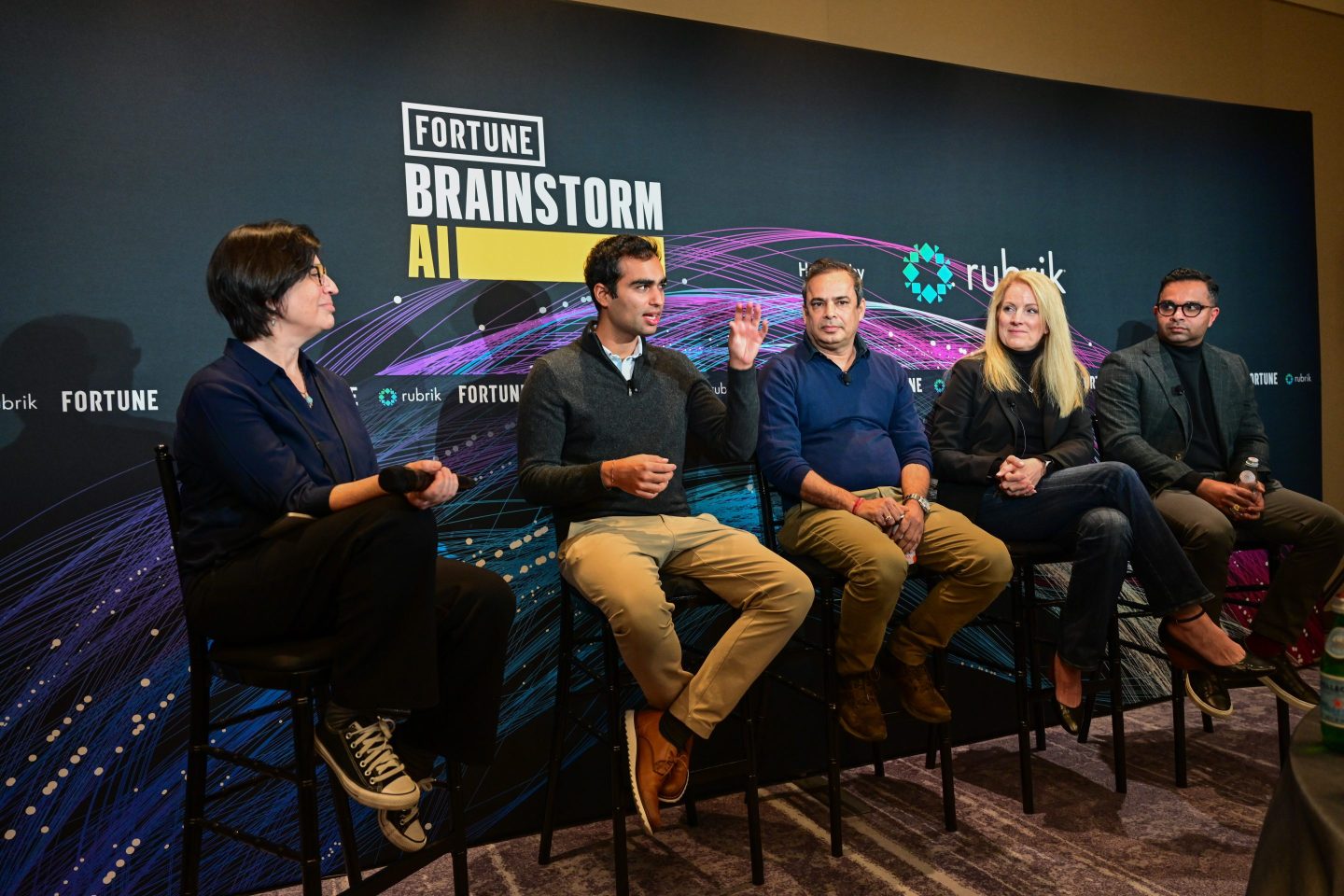
Five panelists seated; two women and five men.
AIBrainstorm AI
The race to deploy an AI workforce faces one important trust gap: What happens when an agent goes rogue?
By Amanda GerutDecember 11, 2025
2 days ago
Oreo
RetailFood and drink
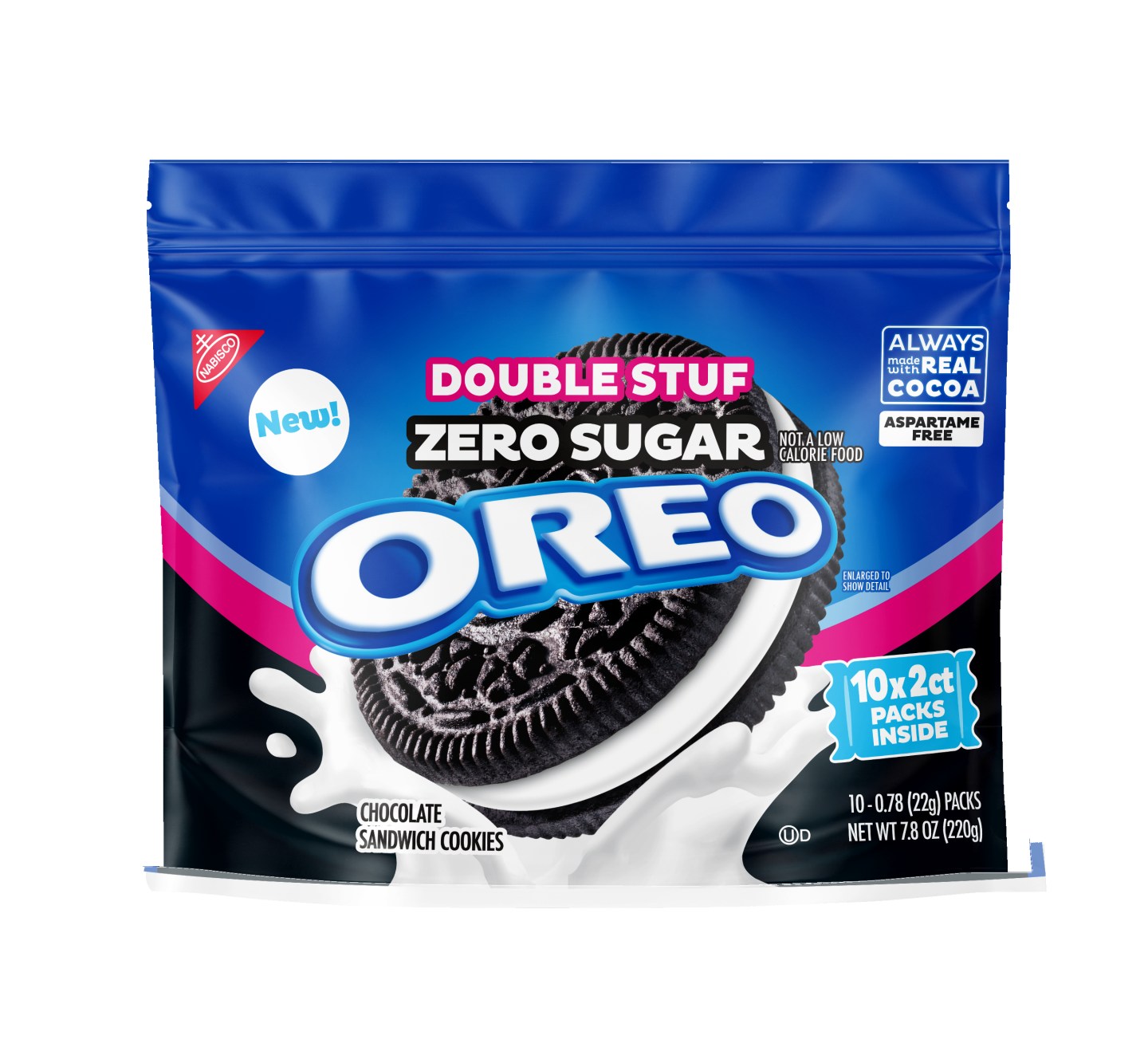
Zero-sugar Oreos headed to America for first time
By Dee-Ann Durbin and The Associated PressDecember 11, 2025
2 days ago

Most Popular

placeholder alt text
Economy
Tariffs are taxes and they were used to finance the federal government until the 1913 income tax. A top economist breaks it down
By Kent JonesDecember 12, 2025
1 day ago
placeholder alt text
Success
Apple cofounder Ronald Wayne sold his 10% stake for $800 in 1976—today it’d be worth up to $400 billion
By Preston ForeDecember 12, 2025
1 day ago
placeholder alt text
Success
40% of Stanford undergrads receive disability accommodations—but it’s become a college-wide phenomenon as Gen Z try to succeed in the current climate
By Preston ForeDecember 12, 2025
1 day ago
placeholder alt text
Economy
The Fed just ‘Trump-proofed’ itself with a unanimous move to preempt a potential leadership shake-up
By Jason MaDecember 12, 2025
1 day ago
placeholder alt text
Economy
For the first time since Trump’s tariff rollout, import tax revenue has fallen, threatening his lofty plans to slash the $38 trillion national debt
By Sasha RogelbergDecember 12, 2025
1 day ago
placeholder alt text
Success
Apple CEO Tim Cook out-earns the average American’s salary in just 7 hours—to put that into context, he could buy a new $439,000 home in just 2 days
By Emma BurleighDecember 12, 2025
1 day ago
Rankings
  • 100 Best Companies
  • Fortune 500
  • Global 500
  • Fortune 500 Europe
  • Most Powerful Women
  • Future 50
  • World’s Most Admired Companies
  • See All Rankings
Sections
  • Finance
  • Leadership
  • Success
  • Tech
  • Asia
  • Europe
  • Environment
  • Fortune Crypto
  • Health
  • Retail
  • Lifestyle
  • Politics
  • Newsletters
  • Magazine
  • Features
  • Commentary
  • Mpw
  • CEO Initiative
  • Conferences
  • Personal Finance
  • Education
Customer Support
  • Frequently Asked Questions
  • Customer Service Portal
  • Privacy Policy
  • Terms Of Use
  • Single Issues For Purchase
  • International Print
Commercial Services
  • Advertising
  • Fortune Brand Studio
  • Fortune Analytics
  • Fortune Conferences
  • Business Development
About Us
  • About Us
  • Editorial Calendar
  • Press Center
  • Work At Fortune
  • Diversity And Inclusion
  • Terms And Conditions
  • Site Map

© 2025 Fortune Media IP Limited. All Rights Reserved. Use of this site constitutes acceptance of our Terms of Use and Privacy Policy | CA Notice at Collection and Privacy Notice | Do Not Sell/Share My Personal Information
FORTUNE is a trademark of Fortune Media IP Limited, registered in the U.S. and other countries. FORTUNE may receive compensation for some links to products and services on this website. Offers may be subject to change without notice.