Technology and globalization are leading to more and faster disruption than ever. To stay ahead, smart companies are turning to design to better connect with customers and find their competitive advantage. Here, we feature 25 companies from—Apple to Zalando—in a range of industries that are getting design right.
Text by Clay Chandler, Erika Fry, Leigh Gallagher, Beth Kowitt, Michal Lev-Ram, Andrew Nusca, Brian O’Keefe, Rick Tetzeli, and Debbie Yong
When Airbnb’s founders tell their origin story, they often hark back to the moment in 2009 when Paul Graham, head of startup incubator Y Combinator, gave them four crucial words of advice.
At the time, Airbnb had fewer than a thousand registered hosts. Founders Brian Chesky, Joe Gebbia, and Nate Blecharczyk were hunkered down in Silicon Valley, scrambling to scale the business by poring over data and revamping the website. After a promising start, revenue had flatlined at $200 per week. To figure out what wasn’t working, Graham pressed the trio for information about Airbnb’s users. Where were they, exactly?
In The Airbnb Story, Fortune’s Leigh Gallagher recounts Graham’s reaction upon learning that the largest concentration of them resided in New York City: “[He] paused and repeated back to them what they had just told him: ‘So, you’re in Mountain View, and your users are in New York?’ he asked. They looked at each other, then back at him. ‘Yeah,’ they said. ‘What are you still doing here?’ Graham said to them. ‘Go to your users.’ ”
That exhortation—to fly across the country and hang out with customers—defied a fundamental tenet of Silicon Valley wisdom: that data and technology are the solution to every problem. And yet, for Airbnb, heeding Graham’s advice led to key breakthroughs. Among them: Helping hosts produce better photos of their properties would boost business. (For more on Airbnb and design, see Gallagher’s Q&A with Gebbia.)
A decade on, “user experience” is among the tech industry’s most overused buzz phrases. But the underlying idea—that there is power in empathy—has never been more profound.
That’s true for at least two reasons: One is that the great forces of the modern age, globalization and digitization, are removing traditional barriers to entry. Large firms can no longer rely on great manufacturing capacity, a superior supply chain, and established distribution networks to defend their market position from challengers. The rise of China and other emerging economies, combined with newfangled technological developments like big data, the Internet of things, platform economies, A.I., and automation are combining to flatten and commodify traditional back-end defenses. A second reason is complexity. Design can help bring order and coherence to the chaos of our hyper-connected world.
In this new landscape, smart corporate leaders are embracing the idea that design—channeling insight to delight and truly connect with customers and users—can be a crucial differentiator.
|
|---|

The result is a major design moment. Fortune 500 companies are hiring chief design officers and investing heavily in design centers and innovation centers. Professional services firms, too, have joined the fray. In 2013, Accenture acquired Fjord, a leading design firm, while PwC snapped up BGT, a digital creative consultancy. In 2015, McKinsey & Co. purchased Lunar, a Silicon Valley–based design firm. In October, Indian software giant Wipro acquired design agency Cooper, adding to its 2015 purchase of Designit. Meanwhile a host of top business and design schools have introduced interdisciplinary programs to help MBAs think more like designers and vice versa.
In the “Business by Design” package, Fortune highlights some two dozen companies that have turned a commitment to design into a competitive advantage. To identify them, Fortune surveyed the design community, grilled executives, and searched for evidence of true corporate commitment. The result is not a completely scientific list. (Design, for the most part, is not quantitative.) And it’s not a truly comprehensive list. (Too many companies are betting on design these days to include in one issue of the magazine.) But all of the companies that made the cut are at the forefront of the movement to create smarter, more thoughtful products and experiences.
No company tops Apple (AAPL) for demonstrating the strategic power of great design and learning to “think different.” While there is a raging debate about whether or not Apple has lost some of its design mojo in recent years, as the story “Has Apple Lost Its Design Mojo” explores, the world’s most valuable company continues to push boundaries. Meanwhile, a host of other leading companies, including Alphabet, Amazon, and Nike, have achieved success by expanding design capabilities. The phrase “design thinking,” coined back in 2003 by IDEO cofounder David Kelley, has become synonymous with taking a user-centric approach to creating products and services.
The sudden enthusiasm for design and design thinking has its detractors. Pentagram partner Natasha Jen sparked a lively debate at a New York design conference early in 2017 with a presentation titled “Design Thinking Is Bullshit.” Her main complaint: that practitioners too often neglect to call out bad design. Gadi Amit, a technology designer who has worked on Fitbit trackers and the Lytro camera, frets that design thinking’s obsession with empathy leads to wasted time and is out of step with the breakneck pace of modern product cycles.
It’s a debate worth having. And one that Fortune will continue this March in Singapore, in collaboration with colleagues at Time and Wallpaper*, at a new conference we’re launching called Brainstorm Design.
One thing is clear, though: Business is almost always better by design. —C.C.
See our full 2018 Business by Design list below.
Apple
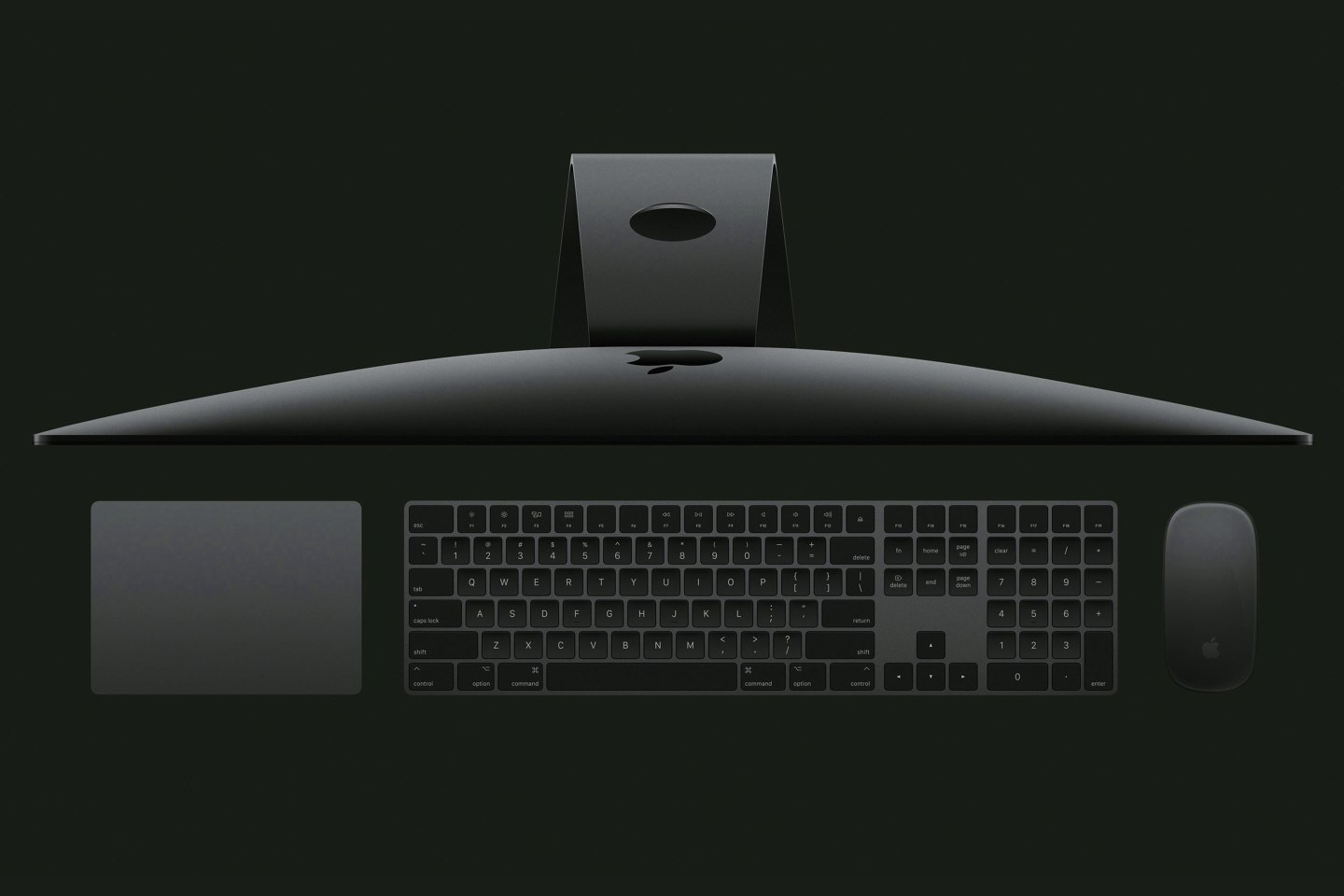
Has Apple Lost Its Design Mojo?
A generation of peerless products made Apple the world’s most valuable company. Now some in the i-universe are questioning if the magic—in the post–Steve Jobs era—is still there. Don’t believe the naysayers. Read more.
Dyson
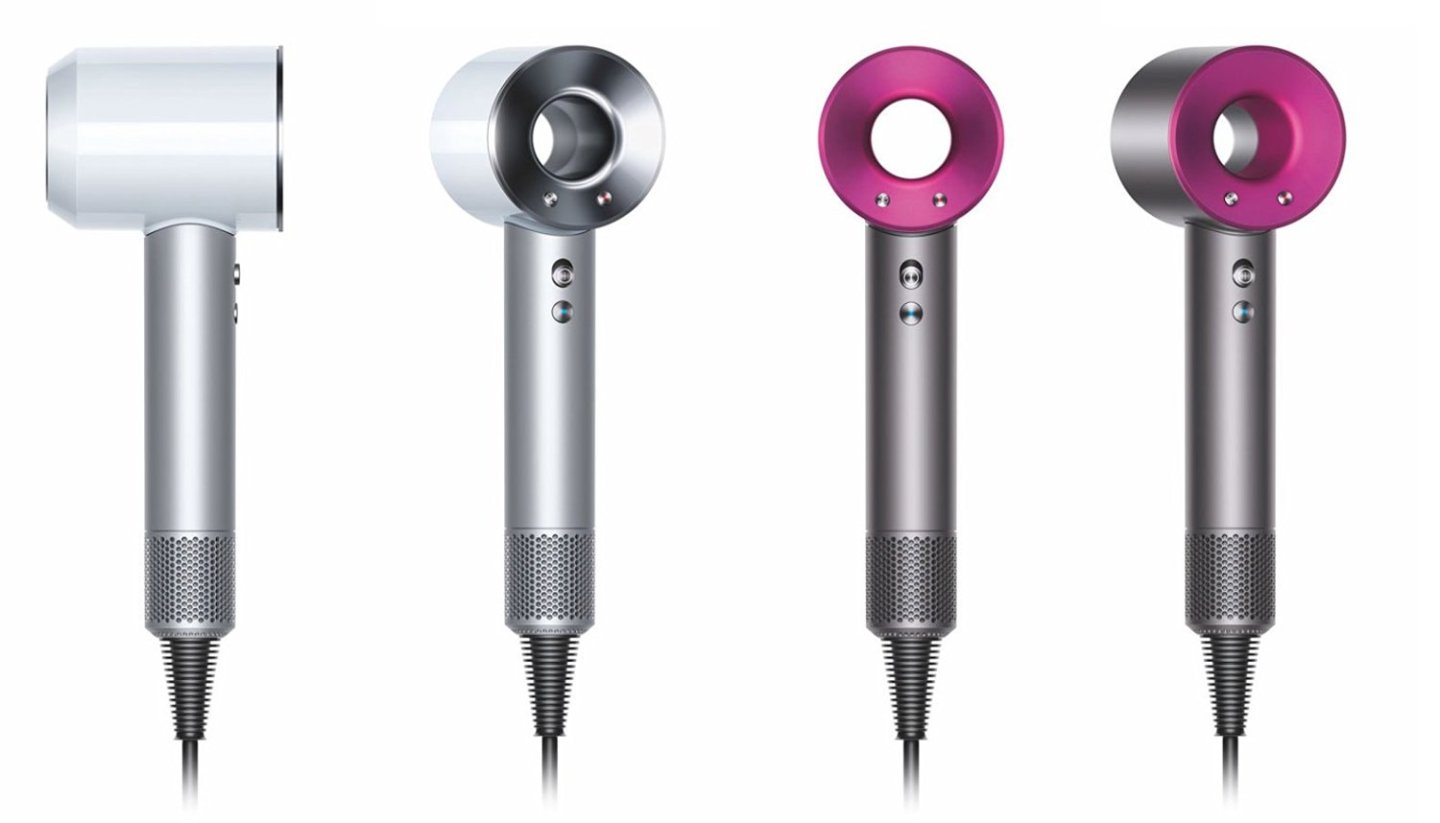
When is a hair dryer cool? When it’s the product of powerful R&D and laser-like focus
British industrial designer James Dyson has spent his career marrying disruptive technology with an Apple-esque minimalism to transform drab everyday appliances such as vacuum cleaners, fans, and hair dryers into products with cult followings. Case in point: the Dyson Supersonic hair dryer pictured above. Developed over four years and through 600 prototypes, it features a digital motor half the weight and eight times the speed of a traditional dryer.
Such rigor is no anomaly. Dyson is the U.K.’s biggest investor in robotics and artificial intelligence research. In September, the company launched the Dyson Institute of Engineering and Technology, a university within its office grounds, to feed its growing headcount of engineers and scientists, which Dyson predicts will double to 6,000 by 2020. Dyson also plans to invest $2.6 billion into developing battery-operated vehicles in the same time frame. —D.Y.
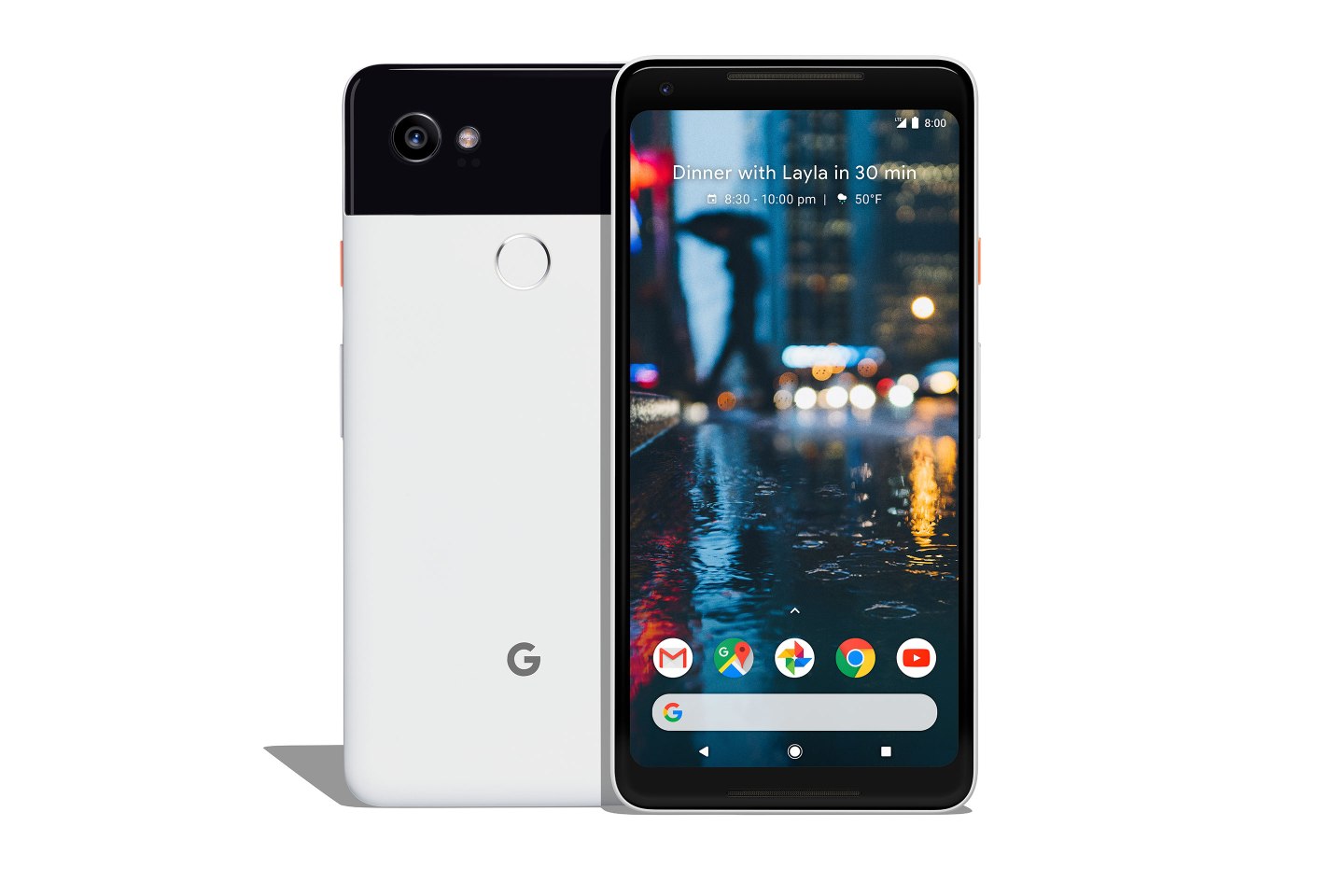
In search of consumer electronics and software with soul
Google is all grown up. As with many tech companies—Apple, Yahoo, even Amazon—Google’s design language has come a long way since its kaleidoscopic early days, when every color, typeface, and punctuation mark was used with abandon. (Seriously—just look at that 1998 homepage.) Over time, most of Google’s peers matured by shedding their quirks and shades in favor of minimalist forms and a restrained palette, best embodied by the sleek, futuristic, Braun-influenced stylings of Apple. Not Google. In the wake of its 19th birthday, the company, now part of the conglomerate known as Alphabet, has retained the personality of its youth by wedding sophisticated industrial and software design (have you seen Google Home and Android 8.1?) with strange shapes, novel fabrics, and pops of bright color, such as the power button on its new Pixel 2 phone. In a world where today’s angular machines are plastic and glass, black and white, and altogether expressionless, Google’s products burst with the exuberance of, well, humans—a signal to its peers that they shouldn’t take themselves too seriously. —A.N.
Samsung
Holistic, strategic conviction
It wasn’t so long ago that Samsung found itself in a courtroom defending its creativity against Apple. But the company’s decades-long bid to move beyond its reputation as a budget brand has paid off. Today Samsung is tech’s largest spender on R&D. And its TVs, phones, appliances, services, and offices? Covetable. —A.N.
Amazon
Human-centered capitalism
Good Design isn’t limited to aesthetics; it is equally about function. And what could be more functional than the store that sells everything? From its bulletproof website to its cashierless stores to its family of speech-enabled devices, Amazon’s customer focus cannot be ignored. —A.N.
Huawei
Building a base of innovation
When China’s tech giants looked to markets beyond their own shores, it was clear that many wouldn’t be able to make the trip thanks to dubious intellectual-property portfolios. Not Huawei. The Shenzhen (but not shanzhai) gadget maker is a leader in international patents for software and hardware alike. —A.N.
Microsoft
Design for the 99%
There’s much to be said about Microsoft’s whiz-bang interfaces, modern Metro design language, and interactive Fluent Design System. But what sets this titan apart is its emphasis on inclusive design that makes products as accessible to people with disabilities as to those without. —A.N.
IBM
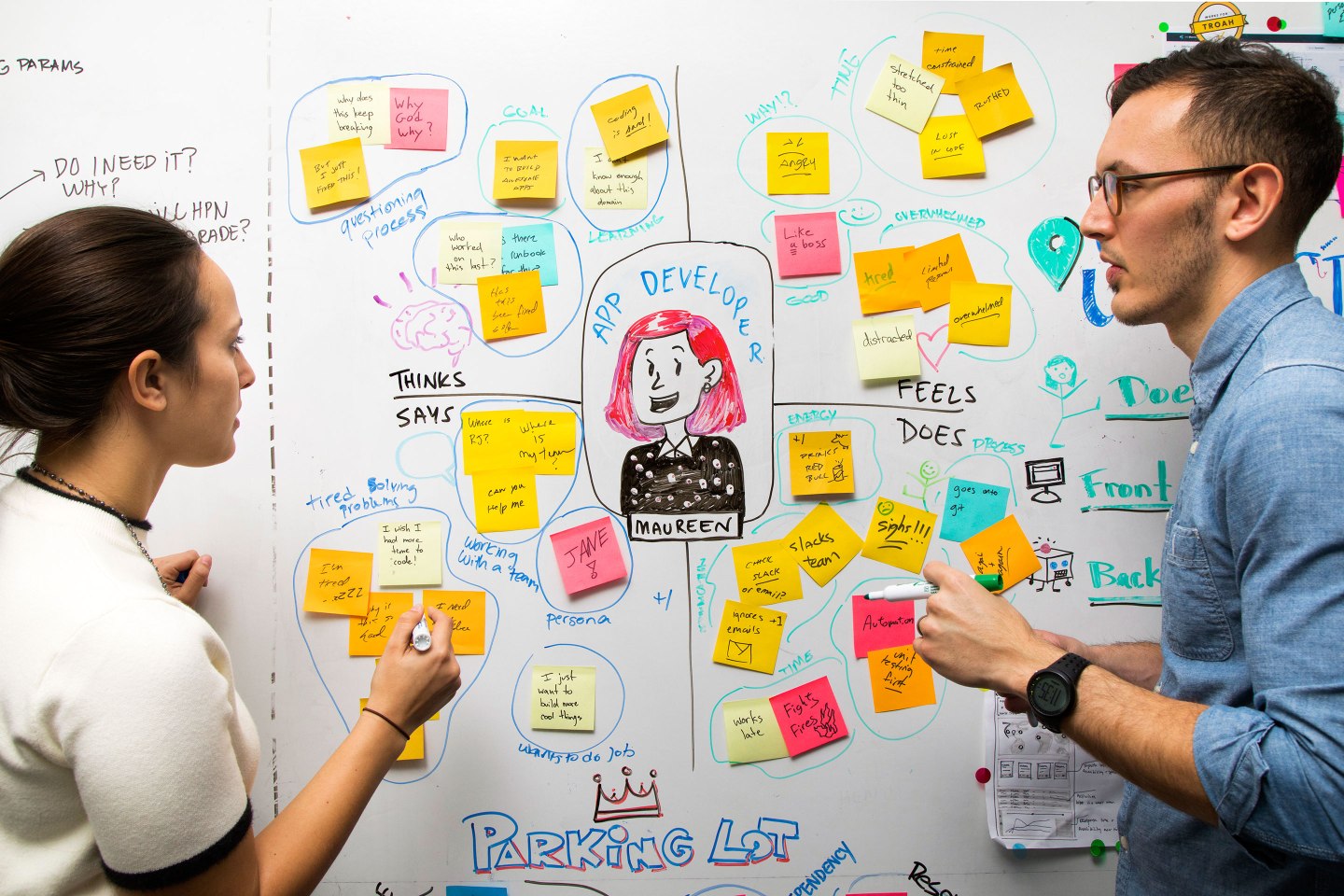
Putting a sticky note on the customer
To win in the age of cognitive computing and cybersecurity, the venerable tech giant is betting big on design thinking. How big? It now boasts the world’s largest design team. Read more.
Airbnb
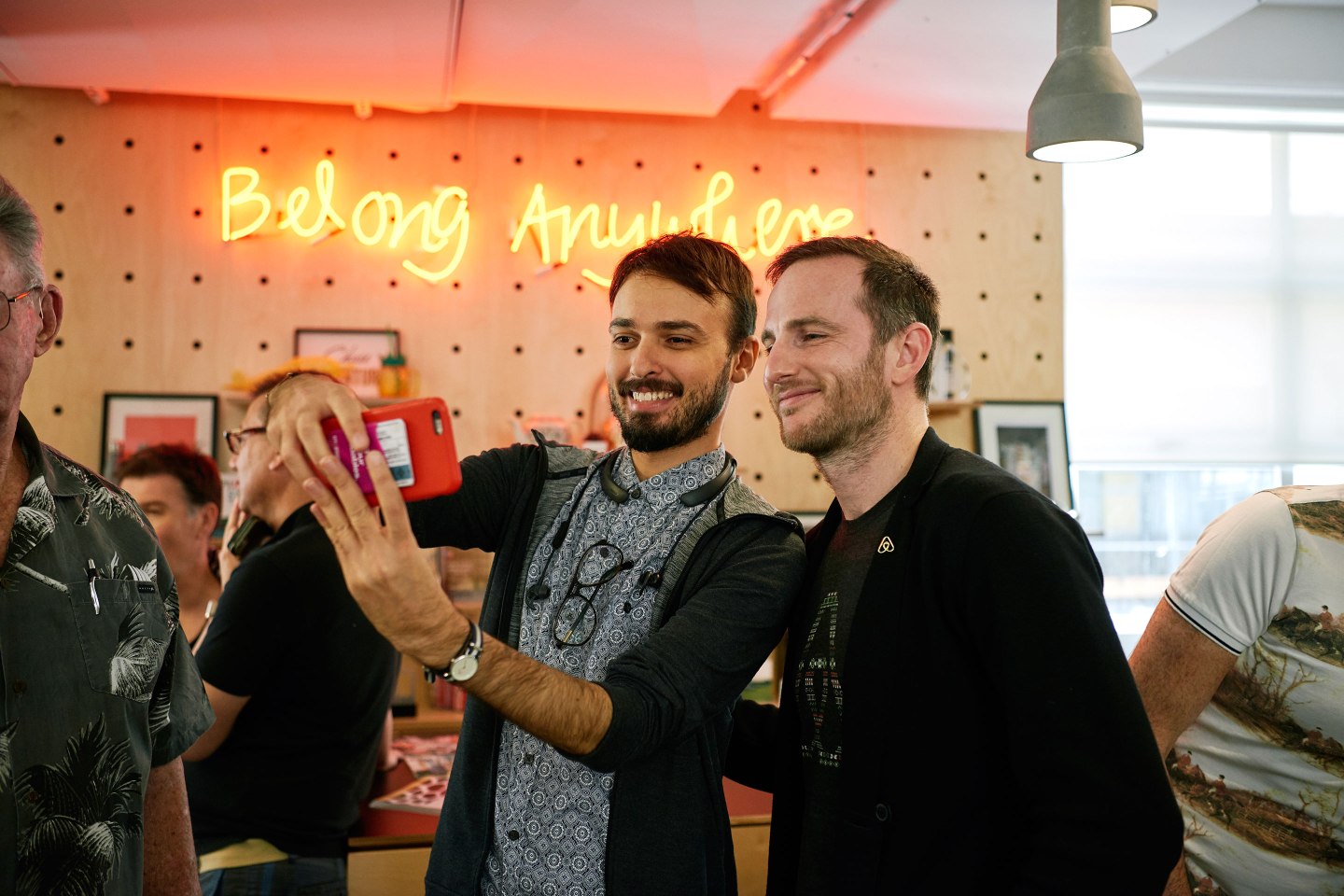
Few companies have emphasized the importance of design thinking as much as Airbnb. Two of the San Francisco startup’s three cofounders, chief product officer Joe Gebbia and CEO Brian Chesky, are graduates of the Rhode Island School of Design (RISD)—a biographical detail that turned off some investors at first but turned out to be a big advantage for the sharing-economy giant, now valued at $31 billion by investors. We spoke with Gebbia, who also serves as head of Samara, the company’s in-house design and innovation studio, about his approach to design. Read our Q&A with Joe Gebbia here.
Musical.ly
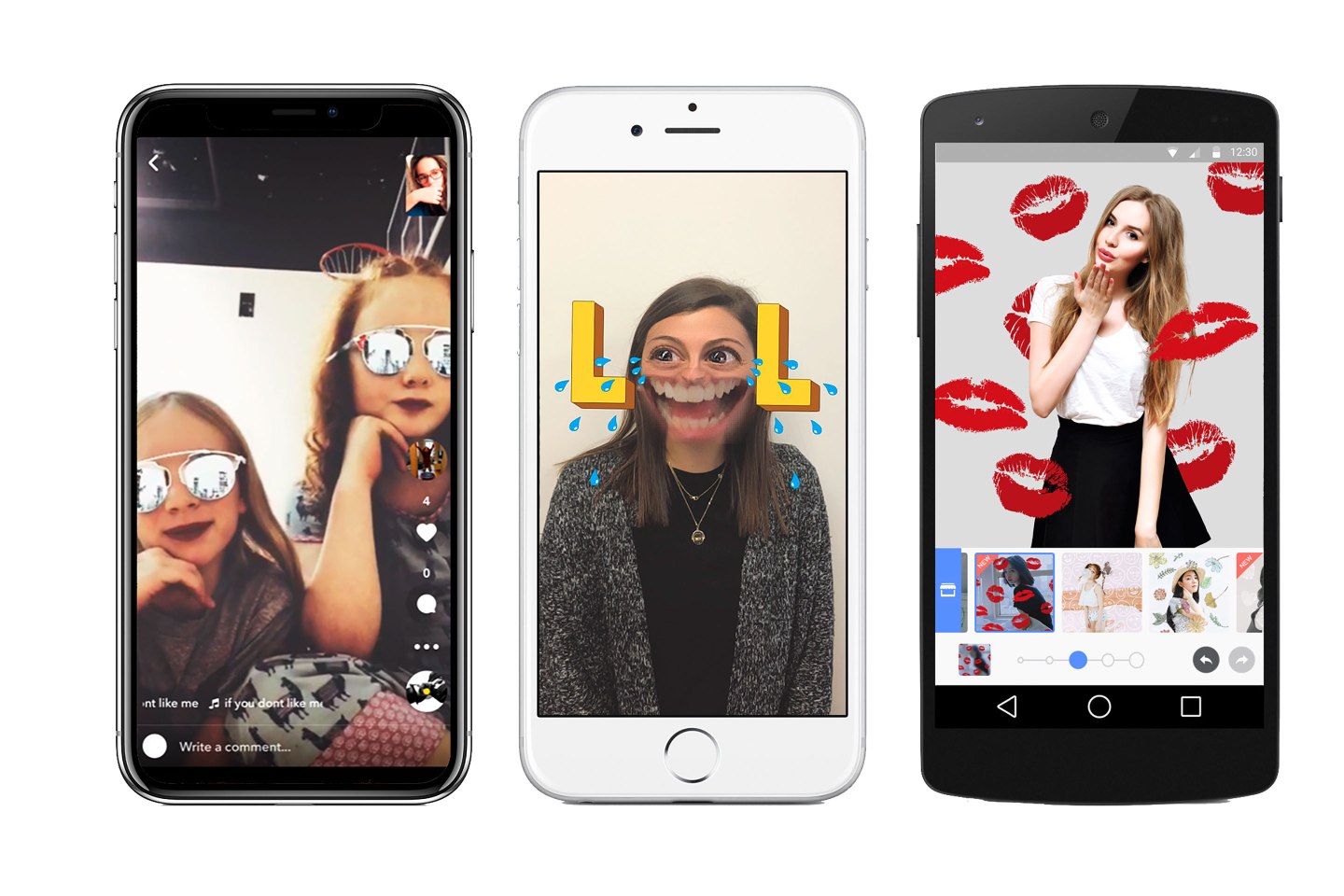
The secret to this wildly popular social video app? A design that’s engineered to go viral
MTV is sooooo last millennium. Today’s tweens produce their own music videos by accessing libraries of 15-second song clips—not to mention a plethora of ridiculous face “lenses”—on the hit app Musical.ly. The founders of the China-based, DIY lip-synching service, originally launched as a platform for educational tutorials, caught on to the fact that kids prefer copying Taylor Swift to watching calculus how-tos early on. Another lesson? Small but significant design tweaks—like moving the Musical.ly logo so that it wouldn’t be cropped out when shared on other apps—helped the company grow its user base much faster. All of this has helped the booming music video maker generate 60 million monthly active users and get snapped up by the Chinese Internet firm Toutiao for as much as $1 billion. —M.L.
Snap
New adventures in UX
Let’s be honest: You probably didn’t know how to use Snapchat when you first downloaded it. Do I swipe? Where’s the menu? Snap’s convention-busting approach to user experience, which extends to its popular filters and unpopular Spectacles, reinvigorated a category known for its heavy reliance on feeds. —A.N.
Meitu
The most intuitive makeovers imagined
Touched-up photos never looked so good. Yet another China-based app maker, Meitu (the name means “beautiful picture” in Chinese), is enabling millions of young people to enhance their selfies—brighten eyes, smooth out skin, tweak and enhance features, or whatever their mobile-first heart desires. The company’s series of apps (think BeautyCam, SelfieCity, and MakeupPlus) have been downloaded and installed on more than 1 billion phones worldwide, making complex technologies like augmented reality and machine learning accessible to regular people. Meitu’s secret sauce? Tapping into the current demand for mobile apps that do one thing and do it well—plus catering to narcissistic tendencies. —M.L.
Protecting the experience
Sure, we just celebrated Snap for breaking the UX rules. But we commend rival Instagram for preserving its soothing social environment even as it adds live video and Stories (copied from Snap, naturally) to its core experience. It’s a far cry from the busy buffet of options offered by parent Facebook’s namesake app. —A.N.
Tesla

Redefining an industry
It’s not just about making electric cars sexy. Elon Musk’s ultra-ambitious company is designing a new paradigm for all drivers. Read more.
Ford

Revving up the focus on design
Since taking charge of the Detroit auto giant in May, design-thinking acolyte (and, prior to joining Ford, the father of the open-office plan, as CEO of Steelcase) Jim Hackett has been shifting gears at the maker of the iconic F-150 pickup truck. Rapid prototyping and ideation are part of that process, as well as a focus on “mobility” as much as cars. —E.F.
Audi

Offering drivers a new vision
The high-end German automaker, a division of Volkswagen, opened a spiffy new design center in 2017. But it’s been building a reputation for high-quality, tech-forward designs for quite some time. That’s especially true in the auto cabin, where passengers are treated to sleek, state-of the-art displays and obsessively engineered lighting and sound systems. —E.F.
Hyundai
Moving fast into new technology
when it comes to selling cars, it’s all about speed—or such is the rationale that led Hyundai to open an enormous, cutting-edge design studio south of Seoul in late 2017. The Korean automaker hopes to cut in half the time (three years) it takes to design a car—an effort, in part, to keep pace with new rivals such as autonomous vehicle startup Waymo. —E.F.
Starbucks
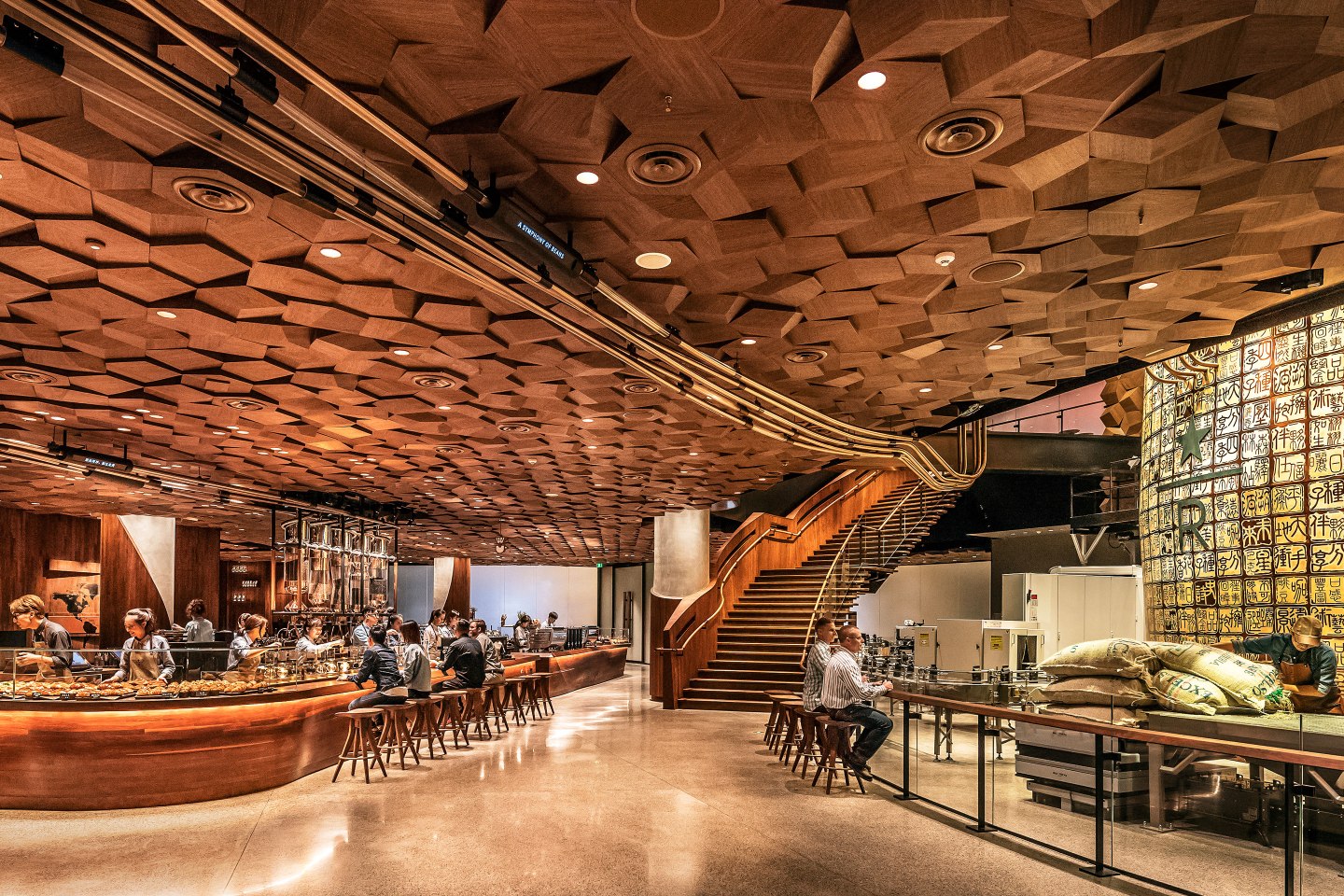
How the Seattle coffee giant is creating custom experiences worldwide
The world’s biggest coffee chain doesn’t just sell java—it wants to serve up an experience. Starbucks has crafted each of its 27,000 outlets worldwide to feel like locally owned and designed cafés, says Starbucks’ senior vice president of creative and global design, Liz Muller. Artists, and the occasional “starchitect”—such as Japan’s Kengo Kuma—are tapped to customize details by country and community.
Muller’s latest feat: a sprawling 30,000-square-foot Starbucks Reserve Roastery in Shanghai that opened in December. It’s the second of Starbucks’ ultra-luxurious innovation lab spinoffs and its largest store to date. A copper kettle roaster hand-carved by Chinese craftsmen takes pride of place in the outlet, which also features an on-site bakery and Teavana bar—both firsts for Starbucks—and virtual reality tours powered by Chinese e-commerce giant Alibaba. —D.Y.
Ikea

Selling more, but using less
There’s an irony in how Ikea—a company whose business is selling stuff, and lots of it—is turning the millions of customers who visit its stores every day into accidental environmentalists. By buying Ikea’s products, consumers also are inadvertently buying into the Swedish furniture giant’s mission to reduce the footprint of everything it sells.
Ikea views its environmental impact as a problem that can be solved with design. Take wood, which shows up in about two-thirds of the company’s home furnishings. In its fiscal 2016, Ikea used 2% less of the material than it did the previous year, despite selling more wood products. One way was by using dual-density particleboard in its iconic Billy bookcases, which cut down on materials by 20%. Ikea’s design work is also helping customers use fewer resources at home. All of its kitchen faucets now have an aerator. The feature mixes in air with the pressure flow to achieve the same feeling of wetness while using 40% less water.
The green design mindset has paid off too. Sales of sustainable products were around $2 billion in fiscal 2016, and Ikea is targeting about $3 billion by the middle
of 2020. —B.K.
PepsiCo

Infusing products with fizz
Good design is about more than picking out the right shade of blue for a soda can. That’s why PepsiCo CEO Indra Nooyi recruited chief design officer Mauro Porcini from 3M in 2013 and made design thinking a strategic priority for the food and beverage giant. The creation of a Design and Innovation Center in New York swiftly followed in 2014. And PepsiCo’s new emphasis on design has led to a pipeline of creative products. Earlier this year, for instance, PepsiCo launched Lifewtr, a premium-priced bottled water featuring labels that are designed by artists and change several times per year. —D.Y.
Capital One
Thinking outside the branch
Banking and cutting-edge design don’t automatically go together. But Capital One has adopted design thinking as a mantra to reinvent itself as a software company and innovation incubator, rather than a traditional bank. After acquiring design firms Adaptive Path and Monsoon, Capital One has recently rolled out fresh digital features, from an emoji-enabled SMS chatbot to GPS-tracked transaction histories. In early 2018 it will unveil its 1717 Innovation Center in Richmond, a 42,000-square-foot facility housing an experience design research lab and, through a partnership with an incubator program, some 50 startups. —D.Y.
Uniqlo
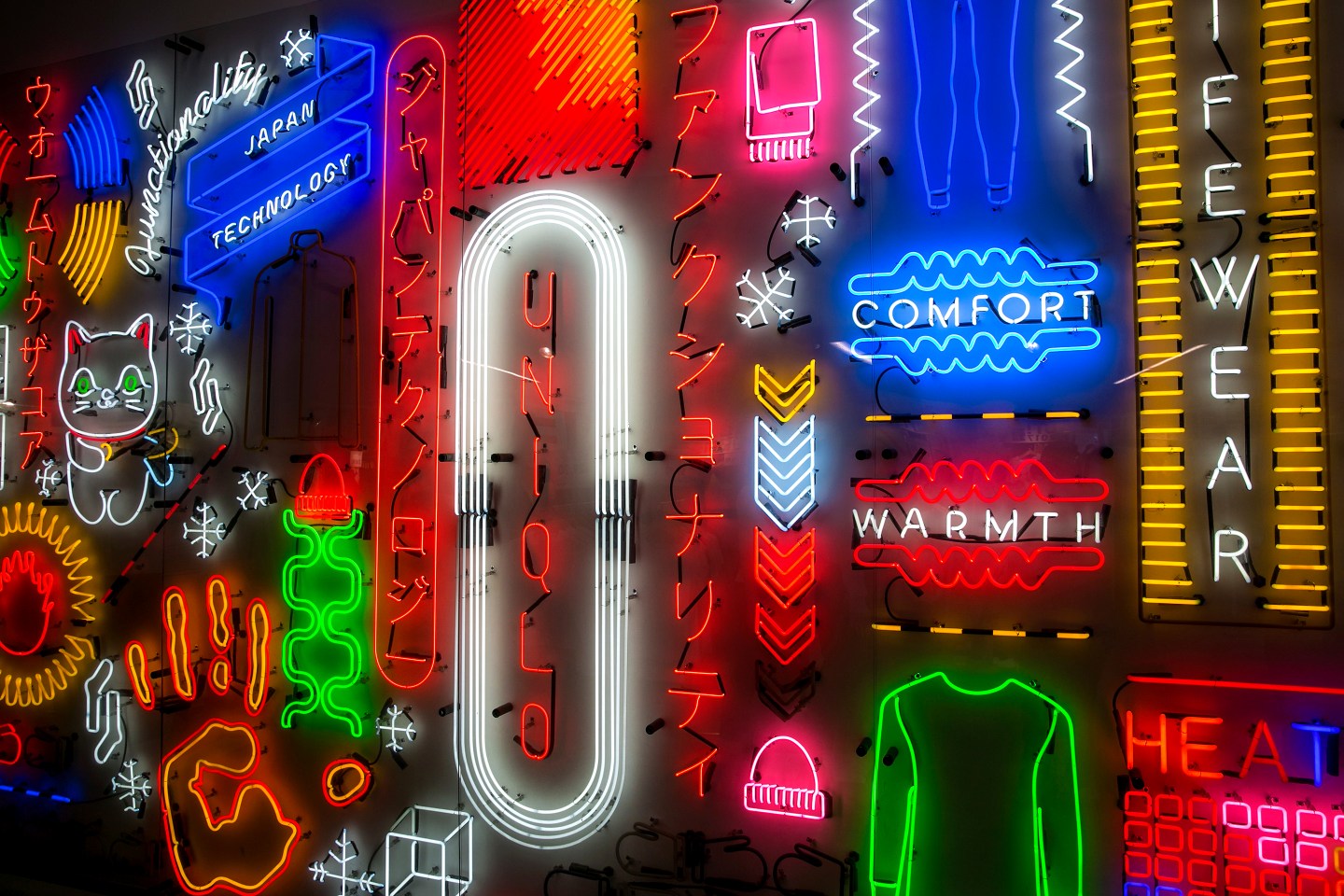
Collaborations with everyone from Pharrell to Nintendo give the Japanese fast-fashion retailer a distinct edge
To gain insight into how Japanese retail brand Uniqlo so quickly attained ubiquity around the world, consider parent company Fast Retailing’s nine-month-old headquarters in Tokyo. Named Uniqlo City for its vast 188,000-square-foot sprawl, the painstakingly designed space—with its magazine library and fully stocked cafeteria—could easily pass for the office of a cutting-edge Silicon Valley firm, and is the first of its kind to challenge convention in corporate Japan.
Likewise, company founder Tadashi Yanai acknowledged early on that he had to adopt a global mindset when he took over his father’s suit store in 2001 and renamed it the Unique Clothing Warehouse. By strategically planting global flagship stores in key cities, including New York, London, and Shanghai, and through design collaborations with prominent pop culture icons and brands such as Nintendo, Marvel, and Pharrell Williams, Yanai built his casual-wear chain from Hiroshima into what is now Asia’s largest clothing maker by revenue, with over 1,900 stores worldwide.
Uniqlo has also opened design and R&D centers worldwide, and is exploring the use of A.I. in design in its quest to perfect the marriage of “fast fashion” design and utility. As Yuki Katsuta, Uniqlo’s SVP of product design and global research, once said of the company’s ethos: “People like to make their life easy, and their clothes should make their life easy for something. Easy for maintenance. Easy for action.” —D.Y.
Nike
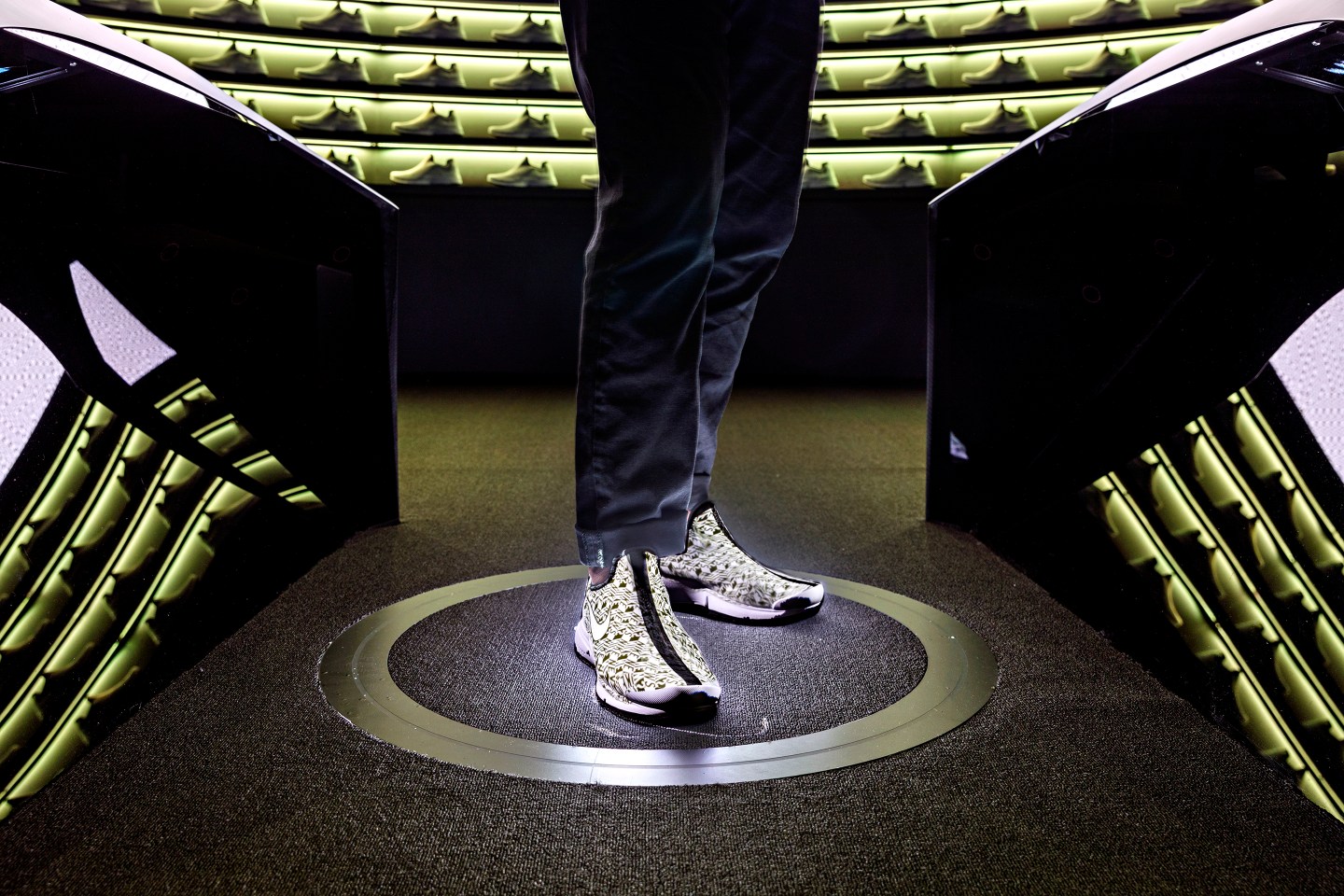
Led by CEO Mark Parker, the athletic-shoe titan is picking up the pace on customization
Spurred on by the Internet generation’s demands for instant gratification, retailers are racing to shorten their production lead times. In September, Nike pulled ahead of the pack when it debuted the 90-minute Nike Makers’ Experience, dubbed by many as the future of retail. The Nike By You Studio in New York utilizes augmented reality, object tracking, and projection systems to custom-design shoes, which shoppers can collect on-site in just over an hour.
As a former shoe designer, Nike CEO Mark Parker has emphasized innovation as key to transforming the 53-year-old company. (A positive sign: Nike’s stock is up 27% over the past year.) Together with VP of design John Hoke, Parker manages a team of 1,000 designers overseeing everything from the development and production of Nike’s sustainable, recycled Flyknit and Flyleather materials to incorporating inclusive designs such as Nike’s Pro Hijab for Muslim athletes. —D.Y.
Zalando
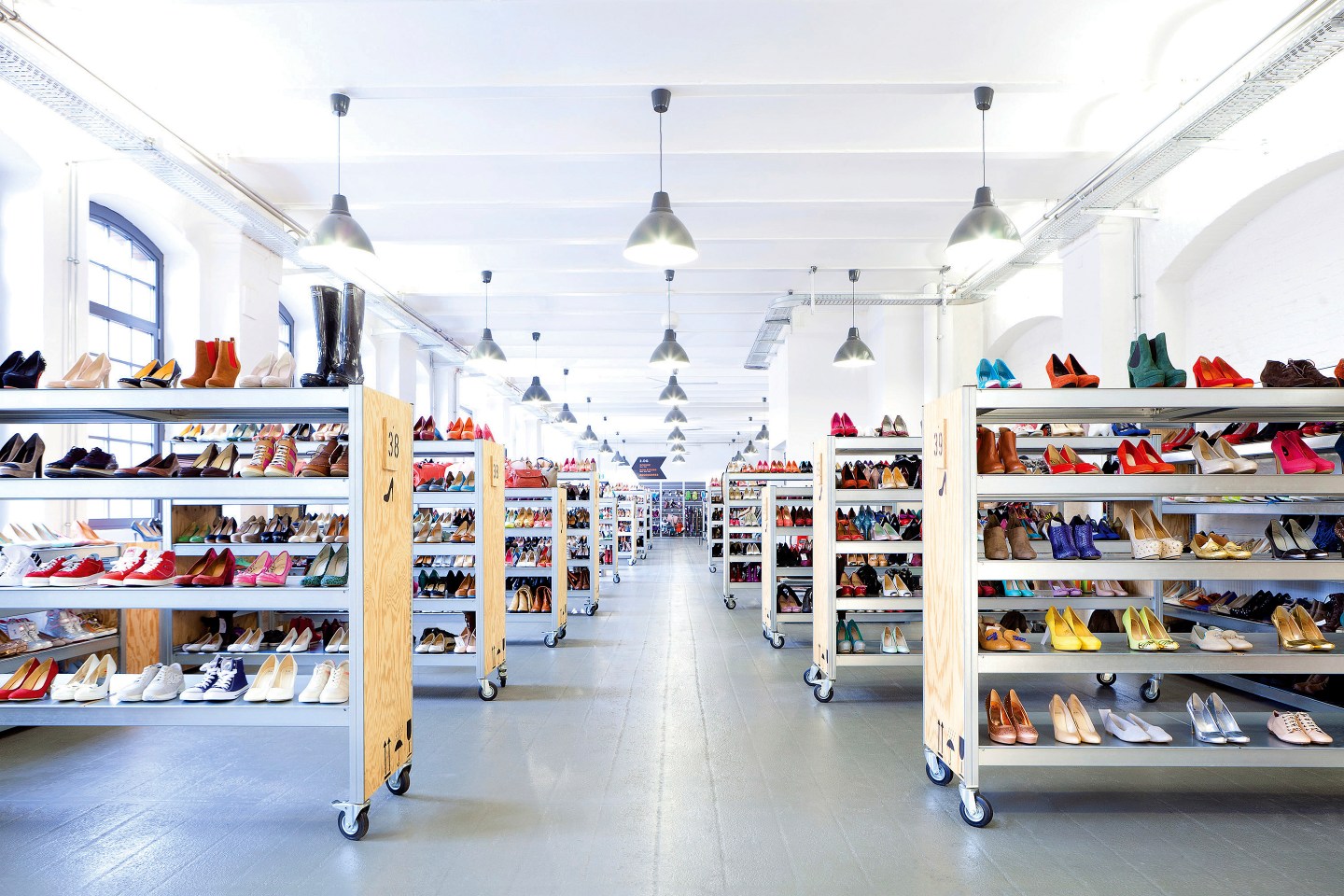
Giving fashionistas exactly what they want
Europe’s biggest online fashion retailer fancies itself as the Spotify of fashion, says Anne Pascual, VP of product design for the Berlin company—helping consumers discover styles much as they find new songs. So Zalando, which sells over 2,000 brands in 15 countries, has developed user-friendly apps for browsing looks. If the fit isn’t right, Zalando has a courier service to pick up your returns. —E.F.
Philips
Staying design-forward in medical tech
While many companies are only just warming up to the potential for design to transform business, Philips recognized it as far back as 1925. That’s when the now 126-year-old Dutch appliance manufacturer hired architect Louis Kalff as the company’s first in-house designer. Kalff not only gave the company’s ads a standardized look but also produced enduring designs such as the Philishave razor. Today, Philips Design functions as an independent unit with over 500 designers in 19 studios across nine countries.
Led by chief design officer Sean Carney, Philips Design regularly partners with hospitals and research labs to reconceive medical technology. Breakthroughs include the Azurion guided therapy platform, which allows clinicians to perform complex procedures with real-time imaging, and on-demand 3D printing of surgical tools. —D.Y.
A version of this article appears in the Jan. 1, 2018 issue of Fortune.