• Home
  • Latest
  • Fortune 500
  • Finance
  • Tech
  • Leadership
  • Lifestyle
  • Rankings
  • Multimedia
Commentary

Trump Just Hurt All Americans By Sealing White House Visitor Logs

By
David Mikkelson
David Mikkelson
and
Bethany Cianciolo
Bethany Cianciolo
Down Arrow Button Icon
By
David Mikkelson
David Mikkelson
and
Bethany Cianciolo
Bethany Cianciolo
Down Arrow Button Icon
April 19, 2017, 10:35 AM ET
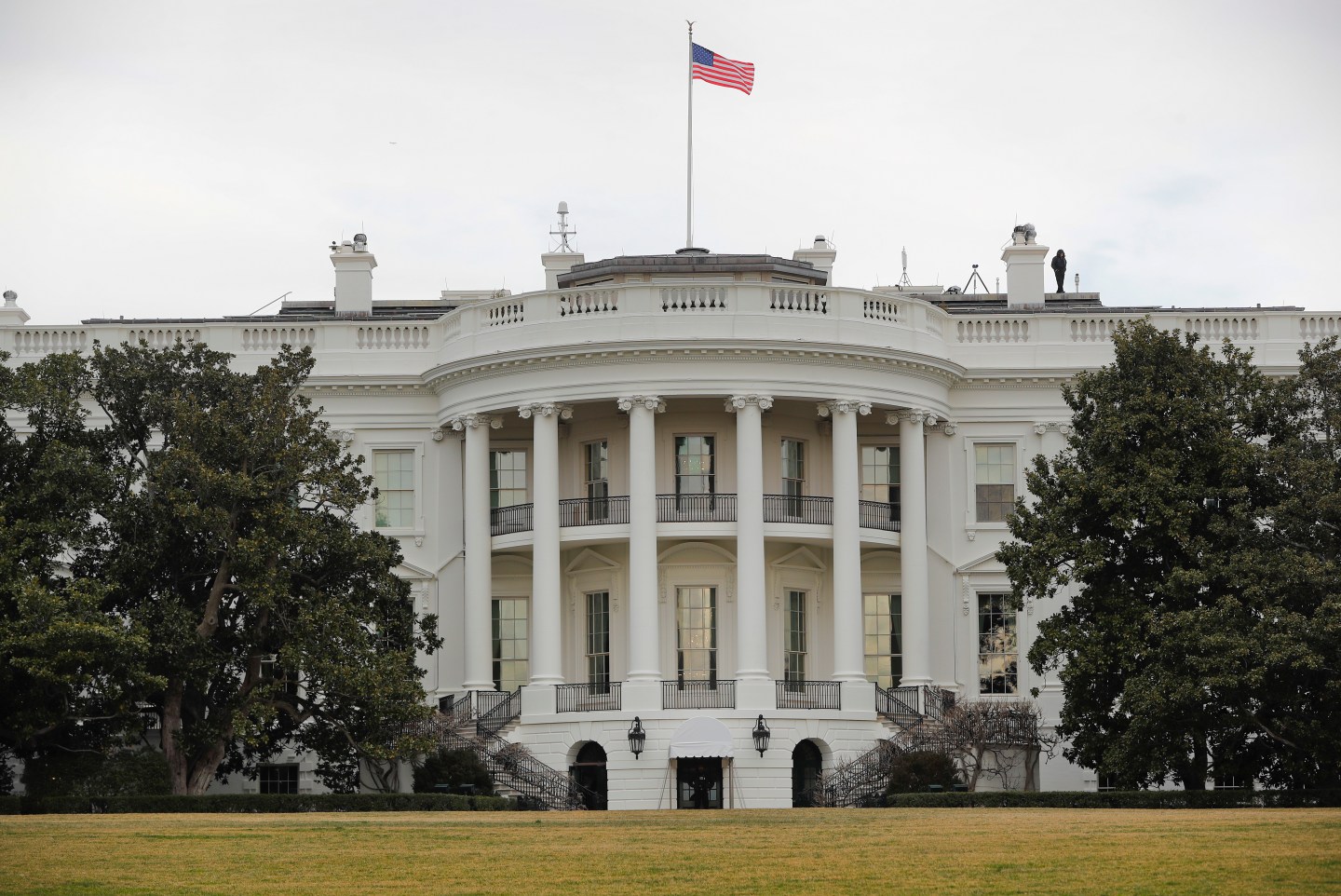
Trump Visitor Logs
In this photo taken Feb. 2, 2017, the White House in Washington seen from the South Lawn. The White House won't make public the logs of visitors to the White House complex, breaking with the practice of President Donald Trump's predecessor. (AP Photo/Pablo Martinez Monsivais)Pablo Martinez Monsivais—AP

Last week, the Trump administration, citing “grave national security risks and privacy concerns,” announced that it would no longer grant public access to White House visitor logs (even though a national security exception was already built into the existing policy). Under the new system, citizens, reporters, and government watchdog groups will be unable to monitor whom the president and his advisors are meeting with, whether they be lobbyists, donors, foreign diplomats, or members of Congress. The logs may be kept private for at least five years, and possibly for as long as 12 years, after the end of the current administration under the Presidential Records Act.

Although the shift is a reversal of the Obama administration’s policy, it isn’t necessarily a radical departure from that of previous administrations. The George W. Bush White House also withheld visitor logs from the public, and the Obama administration declined to publish names they considered sensitive, such as those of intelligence officials or personal friends of the First Family. And even when the Obama White House did publish those names, they did so with a three- to four-month lag.

But Friday’s announcement has concerned both supporters and critics of President Trump as a hint of a broader shift away from transparency within the administration. On the same day, the White House also announced it was ending the contract for open.whitehouse.gov, the open government initiative that, in addition to White House visitor logs, publishes financial disclosures and salary information for administration employees online. And throughout his campaign and the first three months of governing, President Trump has declined to release other records that have traditionally been made public, such as his tax returns (which other presidents have been making accessible to the public since the 1970s).

I am the founder and president of Snopes, a fact-checking website that works to give readers access to accurate information—while exposing misinformation—so that they can make informed decisions for themselves. This vital process is often thwarted by a lack of transparency in the political arena and elsewhere.

Some of the political news stories our organization has debunked during last year’s presidential race sound funny, and I’d be less than truthful if I didn’t admit I occasionally chuckle at some of the more absurd claims that come across my desk. But the implications of false news stories are anything but humorous. Misinformation and misrepresentations shape narratives and shift public opinion and have a genuine impact on policy and events on the ground.

Any presidential administration’s decision to keep records such as White House visitor logs private is concerning for the same reason that fake news is, because they both create the same harmful impacts. A lack of transparency allows rumors to circulate and falsehoods to proliferate. It stymies investigations and closes off avenues for determining truth. And it fails to prevent—and sometimes even drives—erroneous accounts reaching the mainstream.

Transparency is critical to the health of democracy. If governments adhered to the same transparency standards as fact-checkers—if they verified their claims, cited their sources, and threw open their doors to the scrutiny of an interested public—we as a country would be better informed and better equipped to battle rumors, misinformation, and false narratives. And, we hope, our country would become a less partisan and less polarized political culture in the process.

David Mikkelson is the founder of Snopes.

About the Authors
By David Mikkelson
See full bioRight Arrow Button Icon
By Bethany Cianciolo
See full bioRight Arrow Button Icon

Latest in Commentary

Julian Braithwaite is the Director General of the International Alliance for Responsible Drinking
CommentaryProductivity
Gen Z is drinking 20% less than Millennials. Productivity is rising. Coincidence? Not quite
By Julian BraithwaiteDecember 13, 2025
2 hours ago
carbon
Commentaryclimate change
Banking on carbon markets 2.0: why financial institutions should engage with carbon credits
By Usha Rao-MonariDecember 13, 2025
3 hours ago
Dr. Javier Cárdenas is the director of the Rockefeller Neuroscience Institute NeuroPerformance Innovation Center.
Commentaryconcussions
Fists, not football: There is no concussion protocol for domestic violence survivors
By Javier CárdenasDecember 12, 2025
1 day ago
Gary Locke is the former U.S. ambassador to China, U.S. secretary of commerce, and governor of Washington.
CommentaryChina
China is winning the biotech race. Patent reform is how we catch up
By Gary LockeDecember 12, 2025
1 day ago
millennial
CommentaryConsumer Spending
Meet the 2025 holiday white whale: the millennial dad spending $500+ per kid
By Phillip GoerickeDecember 12, 2025
1 day ago
Sarandos
CommentaryAntitrust
Netflix, Warner, Paramount and antitrust: Entertainment megadeal’s outcome must follow the evidence, not politics or fear of integration
By Satya MararDecember 12, 2025
1 day ago

Most Popular

placeholder alt text
Economy
Tariffs are taxes and they were used to finance the federal government until the 1913 income tax. A top economist breaks it down
By Kent JonesDecember 12, 2025
1 day ago
placeholder alt text
Success
Apple cofounder Ronald Wayne sold his 10% stake for $800 in 1976—today it’d be worth up to $400 billion
By Preston ForeDecember 12, 2025
1 day ago
placeholder alt text
Success
40% of Stanford undergrads receive disability accommodations—but it’s become a college-wide phenomenon as Gen Z try to succeed in the current climate
By Preston ForeDecember 12, 2025
1 day ago
placeholder alt text
Economy
For the first time since Trump’s tariff rollout, import tax revenue has fallen, threatening his lofty plans to slash the $38 trillion national debt
By Sasha RogelbergDecember 12, 2025
21 hours ago
placeholder alt text
Economy
The Fed just ‘Trump-proofed’ itself with a unanimous move to preempt a potential leadership shake-up
By Jason MaDecember 12, 2025
19 hours ago
placeholder alt text
Success
At 18, doctors gave him three hours to live. He played video games from his hospital bed—and now, he’s built a $10 million-a-year video game studio
By Preston ForeDecember 10, 2025
3 days ago
Rankings
  • 100 Best Companies
  • Fortune 500
  • Global 500
  • Fortune 500 Europe
  • Most Powerful Women
  • Future 50
  • World’s Most Admired Companies
  • See All Rankings
Sections
  • Finance
  • Leadership
  • Success
  • Tech
  • Asia
  • Europe
  • Environment
  • Fortune Crypto
  • Health
  • Retail
  • Lifestyle
  • Politics
  • Newsletters
  • Magazine
  • Features
  • Commentary
  • Mpw
  • CEO Initiative
  • Conferences
  • Personal Finance
  • Education
Customer Support
  • Frequently Asked Questions
  • Customer Service Portal
  • Privacy Policy
  • Terms Of Use
  • Single Issues For Purchase
  • International Print
Commercial Services
  • Advertising
  • Fortune Brand Studio
  • Fortune Analytics
  • Fortune Conferences
  • Business Development
About Us
  • About Us
  • Editorial Calendar
  • Press Center
  • Work At Fortune
  • Diversity And Inclusion
  • Terms And Conditions
  • Site Map

© 2025 Fortune Media IP Limited. All Rights Reserved. Use of this site constitutes acceptance of our Terms of Use and Privacy Policy | CA Notice at Collection and Privacy Notice | Do Not Sell/Share My Personal Information
FORTUNE is a trademark of Fortune Media IP Limited, registered in the U.S. and other countries. FORTUNE may receive compensation for some links to products and services on this website. Offers may be subject to change without notice.