VF Corp (VFC) has made its name in the apparel and footwear world by acquiring beloved but once struggling names like The North Face, Vans and Timberland and using its tech, management and manufacturing acumen to turn them into mega-brands.
But the company’s financial performance of late has been wanting, with profit per share and revenue growth between 2013 to 2016 falling short of the targets promised to investors. Notably, VF had promised compounded sales growth of 8% a year, but delivered only 6%.
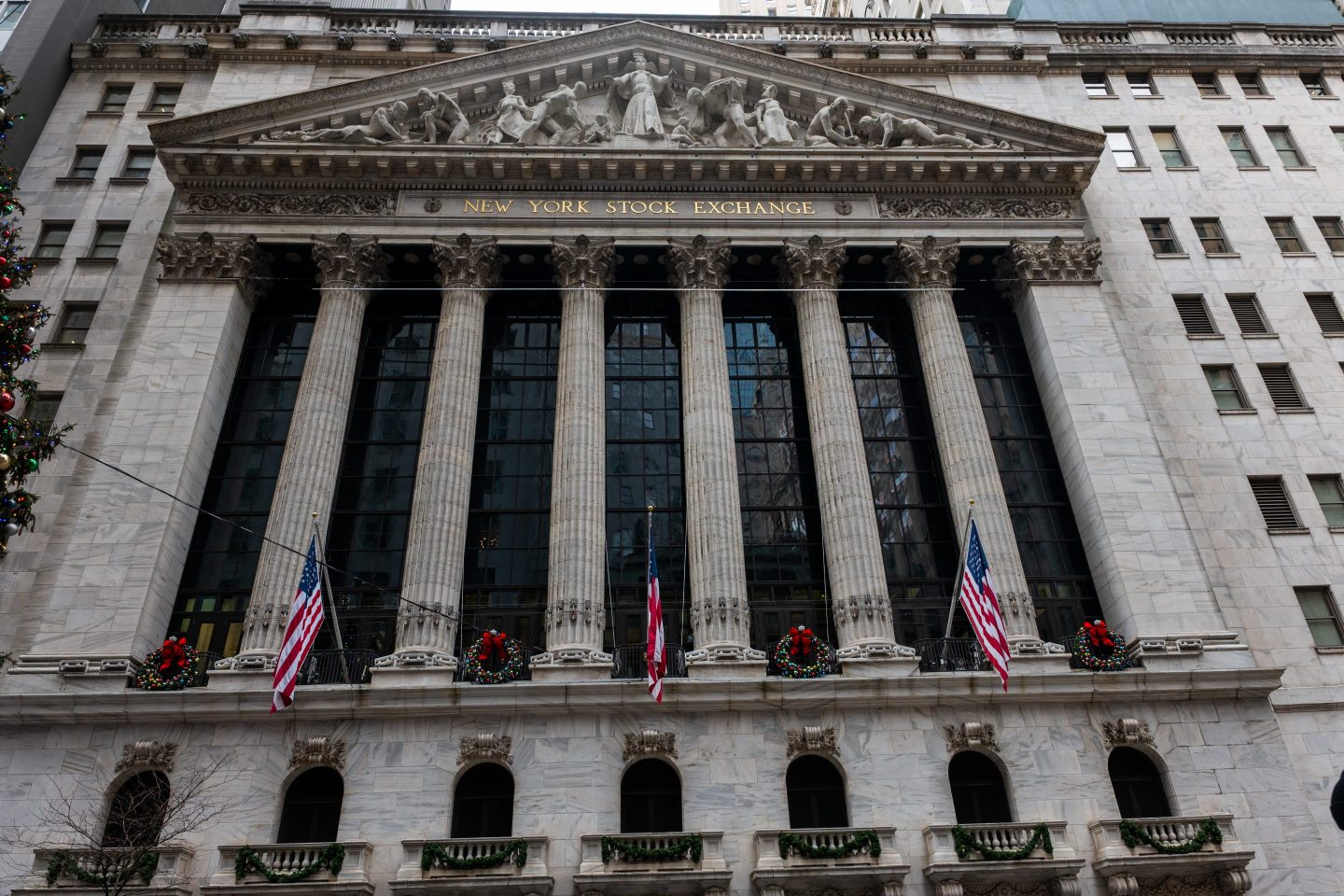
On Thursday, the company, led by new CEO Steve Rendle, acknowledged investor frustration with the lack of a major potentially transformative deal, even as it laid out a new multi-year plan through 2021. The new blueprint left many on Wall Street unimpressed: Shares, which had fallen about 28% since a high 19 months ago, fell almost 4% further.
The company, which has missed analyst revenue estimates in the last three quarters and posted two consecutive annual revenue declines, according to Bloomberg News, clearly needs a new catalyst. VF told Wall Street to expect a compound annual growth rate through 2021 of 4% to 6%, an ambitious goal in a difficult apparel and footwear market. For the company to hit that mark, the top line could stand the kind of big boost that a new, growing brand could bring.
Rendle was one of the architects of The North Face’s industry-leading success in recent years; he was president of that brand from 2004 to 2011, on his way to becoming COO of the parent company four years later, the job that landed him the CEO position. In an interview, Rendle told Fortune the company is looking for its next big deal, even as he said VF would focus on building up its online and international businesses to spur growth, and touted a $5 billion share buyback program to boost the stock.
Dealmaking has long been VF’s hallmark. In the 1990s and early 2000s, the company picked up The North Face and Vans. Rendle’s predecessor and mentor, Eric Wiseman, oversaw the $2.3 billion purchase of Timberland in 2010, instantly doubling VF’s footwear business. The three are now among VF’s five billion-dollar brands. Other deals haven’t played out as well: The online athleisure wear brand Lucy, which it bought in 2007, was a bust and will be shut down this year and folded into The North Face. And the company last year sold off some of its brands, including designer-denim maker 7 For All Mankind.

Beyond the M&A drought, VF is contending with a weak apparel market and failing U.S. department and big box stores. Last year, The North Face suffered a rare setback when too many of its coats ended up in discount stores, a blow for a brand that has trained shoppers to pay full price for a premium product. Still, the company is redoubtable for its discipline and the desirability of its brands: Vans, for one, is growing as fast as ever.
Rendle, who became CEO on January 1, spoke with Fortune the day after VF’s investor’s day to share his thoughts on his next steps. Edited excerpts follow.
Why hasn’t VF landed a big deal like the Timberland purchase since 2010?
Steve Rendle: We’ve been looking. We’ve looked at a lot of brands on a monthly basis in the last 2-3 years. What’s prevented us from acting is really the valuation of those companies at those times. We’ve not been able to put together a deal that matches our financial criteria, that brings a brand in that matches where we see value, and where our management discipline can be applied to drive growth. It still remains our #1 strategic choice around reshaping our portfolio to be able to compete.
What are your criteria for a deal?
SR: We look for a brand we believe has potential to achieve $1 billion in [annual] revenue. That opens up the lens to smaller brands. Then it comes back to: Is it a strong brand that just needs greater management discipline?
Would you ever consider starting a brand from scratch instead of buying one?
SR: It’s not something we feel we are good at and it’s not been a focus of ours, so no.
How is your management style different from that of your predecessors?
SR: Eric (Wiseman) and Mackey (McDonald) before him brought a business discipline that I carry forward. What makes me different is I come from a product background, from an approach of taking the core attributes of the brand, understanding the consumer, and then really being able to unlock the overarching meaning of the brand into creating products that let you have a relationship with the consumer.
How do you make sure brands share expertise and innovation without blending into one another?
SR: I’ve learned in my years of experience at the company about the need for a clarity of strategy, and we’ve brought that up to the corporate environment. Where we draw the line is having each of our brands maintain its own identity.
You said in your presentation to investors that direct-to-consumer, which means your own stores and e-commerce, and international (China in particular) would play a bigger focus in your growth. Why is that?
SR: Eighty-five percent of our growth in next five years will come from our own stores and online, while wholesale [department and other big-box stores] will grow single digits [percentage]. This is an acknowledgement that there is a lot of change taking place here in the U.S. marketplace.
What do you think are U.S. wholesale’s prospects?
SR: We believe there will be more consolidation. We are not planning for the U.S. wholesale growth rate to be anything more than flattish.