• Home
  • Latest
  • Fortune 500
  • Finance
  • Tech
  • Leadership
  • Lifestyle
  • Rankings
  • Multimedia
Leadership

Ask Yourself These Two Questions About America’s Economic Future

Geoff Colvin
By
Geoff Colvin
Geoff Colvin
Senior Editor-at-Large
Down Arrow Button Icon
Geoff Colvin
By
Geoff Colvin
Geoff Colvin
Senior Editor-at-Large
Down Arrow Button Icon
February 8, 2017, 2:11 PM ET
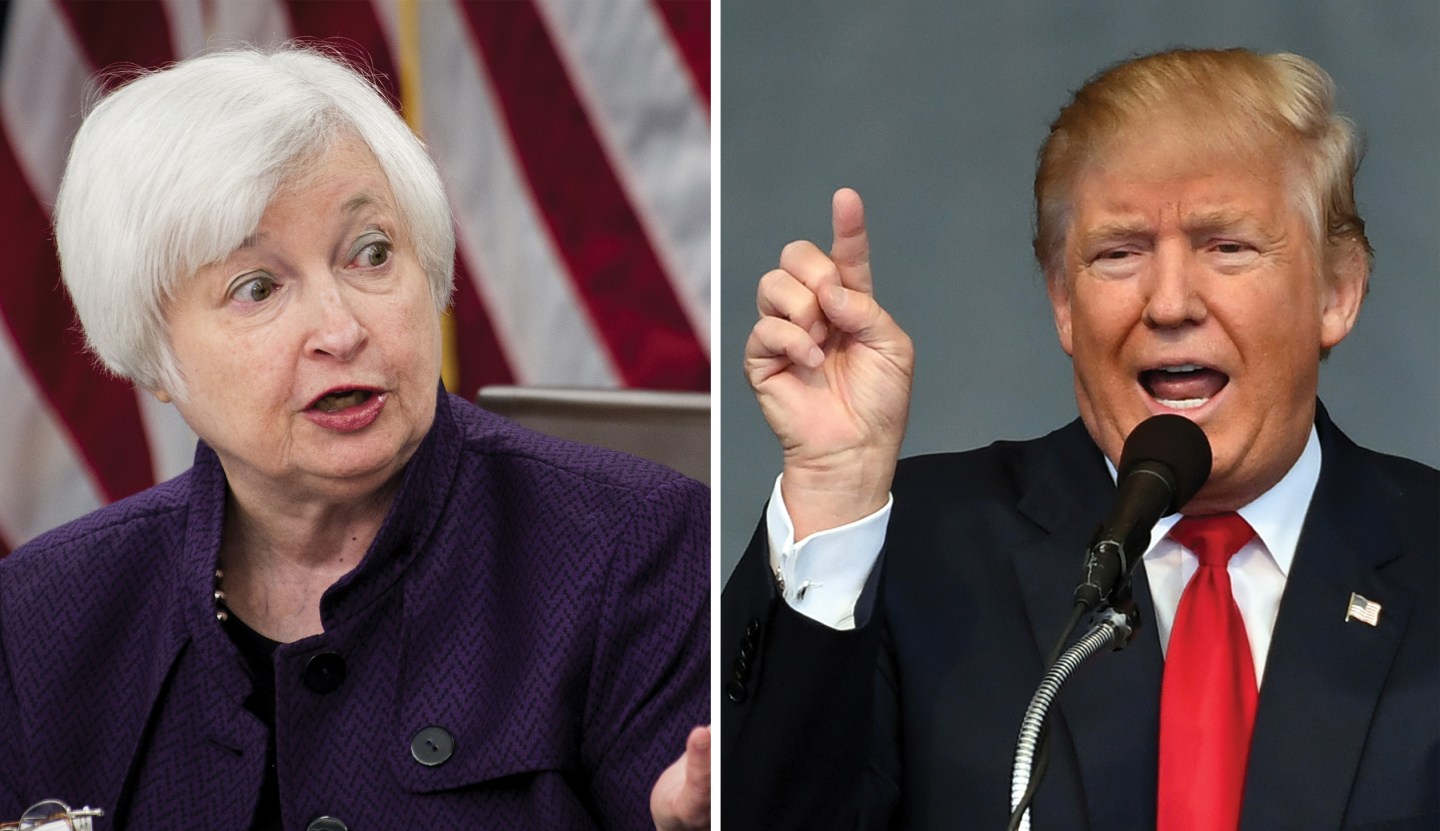
Photos by Pete Marovich/Bloomberg & Ethan Miller—Getty Images

Today’s news environment has ADD. That’s why business leaders must occasionally disconnect from the tweet-powered media whirlwind and think hard about factors that do not make good SNL sketch material but that will deeply influence our future. So today—inspired by new PWC research finding that by 2050 the U.S. economy will be only the world’s third-largest, after China and India—I invite you to figure out what you really believe about the American economy’s future. Ask yourself two short questions. Don’t check the latest forecasts or opinion surveys. Just call upon everything you know and ask yourself what you truly think.

The two questions:

-Is today’s economic stagnation really secular? Former treasury secretary Larry Summers is the chief proponent of the view that much of the global economy is in secular stagnation: long-term slow growth, low interest rates, and below-target inflation. Others vigorously dispute that view, saying the U.S. economy can bounce back if stimulated by lighter regulation and lower taxes. Since the end of World War II, the U.S. economy has grown at an average annual rate of 3.2%, yet we have now gone 11 years without 3% growth for even one year; last year’s growth was only 1.6%.

So has something fundamental changed, creating a low-growth environment as far as the eye can see? Or does the world just need different economic policies? For reference, President Trump intends to lift U.S. economic growth to 4%. The Fed’s forecast for 2017 is about 2%.

-Must interest rates revert to the mean? Ever since the Fed cut the Fed funds rate from 5.2% to almost 0% during the financial crisis—and the 10-year Treasury rate fell from about 5% to less than 2%—we’ve heard stern warnings that rates must eventually return to average levels. When that happens, our world will change. Interest on the federal debt will become massively crippling, retirees will again be able to earn decent yields on reasonably safe investments, and stock prices will plunge, for starters. Yet after nine years, it still isn’t happening. Yes, the yield on the ten-year Treasury has risen—but only up to a measly 2.4%.

So here too, has something fundamental changed? Does a global economy based on information and services simply demand less financial capital than the old industrial economy did? Do high savings rates in the growing economies of China, India, and Africa supply more capital to global markets, just as demand for capital is weakening, making capital a low-cost resource from now on?

One thing that looks surer by the day is that our old models for predicting the future don’t work anymore. That’s why I’m asking you to consult your own deep instincts. It’s not just what you think. Where do you feel the world is going?

When you’ve achieved a fairly comfortable point of view on the two questions, you can turn cable news back on.

Sign up for daily insights, updates, and opinion on leadership and leaders in the news at the Power Sheet.

About the Author
Geoff Colvin
By Geoff ColvinSenior Editor-at-Large
LinkedIn iconTwitter icon

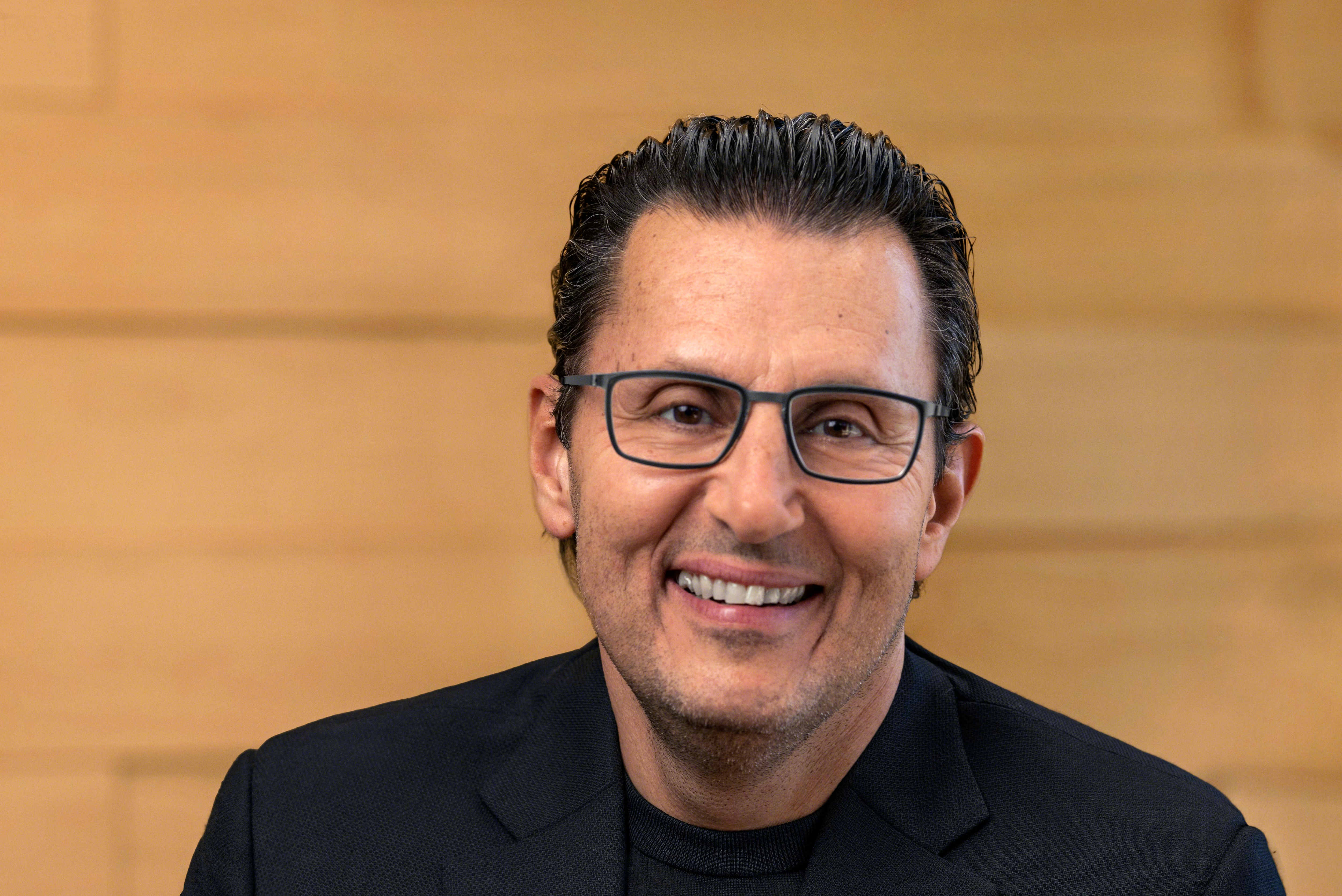
Geoff Colvin is a senior editor-at-large at Fortune, covering leadership, globalization, wealth creation, the infotech revolution, and related issues.

See full bioRight Arrow Button Icon

Latest in Leadership

Nicholas Thompson
C-SuiteBook Excerpt
I took over one of the most prestigious media firms while training for an ultramarathon. Here’s what I learned becoming CEO of The Atlantic
By Nicholas ThompsonDecember 13, 2025
10 hours ago
Lauren Antonoff
SuccessCareers
Once a college dropout, this CEO went back to school at 52—but she still says the Gen Zers who will succeed are those who ‘forge their own path’
By Preston ForeDecember 13, 2025
12 hours ago
Asiathe future of work
The CEO of one of Asia’s largest co-working space providers says his business has more in common with hotels
By Angelica AngDecember 12, 2025
19 hours ago
Donald Trump
HealthHealth Insurance
‘Tragedy in the making’: Top healthcare exec on why insurance will spike to subsidize a tax cut to millionaires and billionaires
By Nick LichtenbergDecember 12, 2025
1 day ago
three men in suits, one gesturing
AIBrainstorm AI
The fastest athletes in the world can botch a baton pass if trust isn’t there—and the same is true of AI, Blackbaud exec says
By Amanda GerutDecember 12, 2025
1 day ago
Brainstorm AI panel
AIBrainstorm AI
Creative workers won’t be replaced by AI—but their roles will change to become ‘directors’ managing AI agents, executives say
By Beatrice NolanDecember 12, 2025
1 day ago

Most Popular

placeholder alt text
Economy
Tariffs are taxes and they were used to finance the federal government until the 1913 income tax. A top economist breaks it down
By Kent JonesDecember 12, 2025
1 day ago
placeholder alt text
Success
Apple cofounder Ronald Wayne sold his 10% stake for $800 in 1976—today it’d be worth up to $400 billion
By Preston ForeDecember 12, 2025
1 day ago
placeholder alt text
Success
40% of Stanford undergrads receive disability accommodations—but it’s become a college-wide phenomenon as Gen Z try to succeed in the current climate
By Preston ForeDecember 12, 2025
1 day ago
placeholder alt text
Economy
The Fed just ‘Trump-proofed’ itself with a unanimous move to preempt a potential leadership shake-up
By Jason MaDecember 12, 2025
1 day ago
placeholder alt text
Economy
For the first time since Trump’s tariff rollout, import tax revenue has fallen, threatening his lofty plans to slash the $38 trillion national debt
By Sasha RogelbergDecember 12, 2025
1 day ago
placeholder alt text
Success
Apple CEO Tim Cook out-earns the average American’s salary in just 7 hours—to put that into context, he could buy a new $439,000 home in just 2 days
By Emma BurleighDecember 12, 2025
1 day ago
Rankings
  • 100 Best Companies
  • Fortune 500
  • Global 500
  • Fortune 500 Europe
  • Most Powerful Women
  • Future 50
  • World’s Most Admired Companies
  • See All Rankings
Sections
  • Finance
  • Leadership
  • Success
  • Tech
  • Asia
  • Europe
  • Environment
  • Fortune Crypto
  • Health
  • Retail
  • Lifestyle
  • Politics
  • Newsletters
  • Magazine
  • Features
  • Commentary
  • Mpw
  • CEO Initiative
  • Conferences
  • Personal Finance
  • Education
Customer Support
  • Frequently Asked Questions
  • Customer Service Portal
  • Privacy Policy
  • Terms Of Use
  • Single Issues For Purchase
  • International Print
Commercial Services
  • Advertising
  • Fortune Brand Studio
  • Fortune Analytics
  • Fortune Conferences
  • Business Development
About Us
  • About Us
  • Editorial Calendar
  • Press Center
  • Work At Fortune
  • Diversity And Inclusion
  • Terms And Conditions
  • Site Map

© 2025 Fortune Media IP Limited. All Rights Reserved. Use of this site constitutes acceptance of our Terms of Use and Privacy Policy | CA Notice at Collection and Privacy Notice | Do Not Sell/Share My Personal Information
FORTUNE is a trademark of Fortune Media IP Limited, registered in the U.S. and other countries. FORTUNE may receive compensation for some links to products and services on this website. Offers may be subject to change without notice.