Donald Trump ran on the idea that he’s an artist when it comes to negotiations. But two energy deals on Tuesday, particularly the one for the Keystone Pipeline, seem to suggest that President Trump may have forgotten dealmaking prowess back at Trump Tower.
While one of the pipelines, the Dakota Access Pipeline (DAPL), is a sound energy infrastructure project that will help American companies enormously—the other, the Keystone XL Pipeline, mostly benefits Canadian companies and threatens U.S. energy security. By giving this jewel away to the Canadians with nothing in return—changes to NAFTA, beneficial fishing rights in the Atlantic, or just about anything else—President Trump shows just how naive he is when it comes to doing big deals on the world stage.
Mr. Trump rose to power on a populist platform that promised to put “America first.” He chided companies that moved their manufacturing plants abroad and promised to bring back industries that died out decades ago. He called U.S. policymakers “stupid” for doing trade deals like NAFTA, saying they were bad dealmakers, conned by much smarter people. As such, he promised that if he were elected, he would rip up those trade deals and bully American companies into staying home.
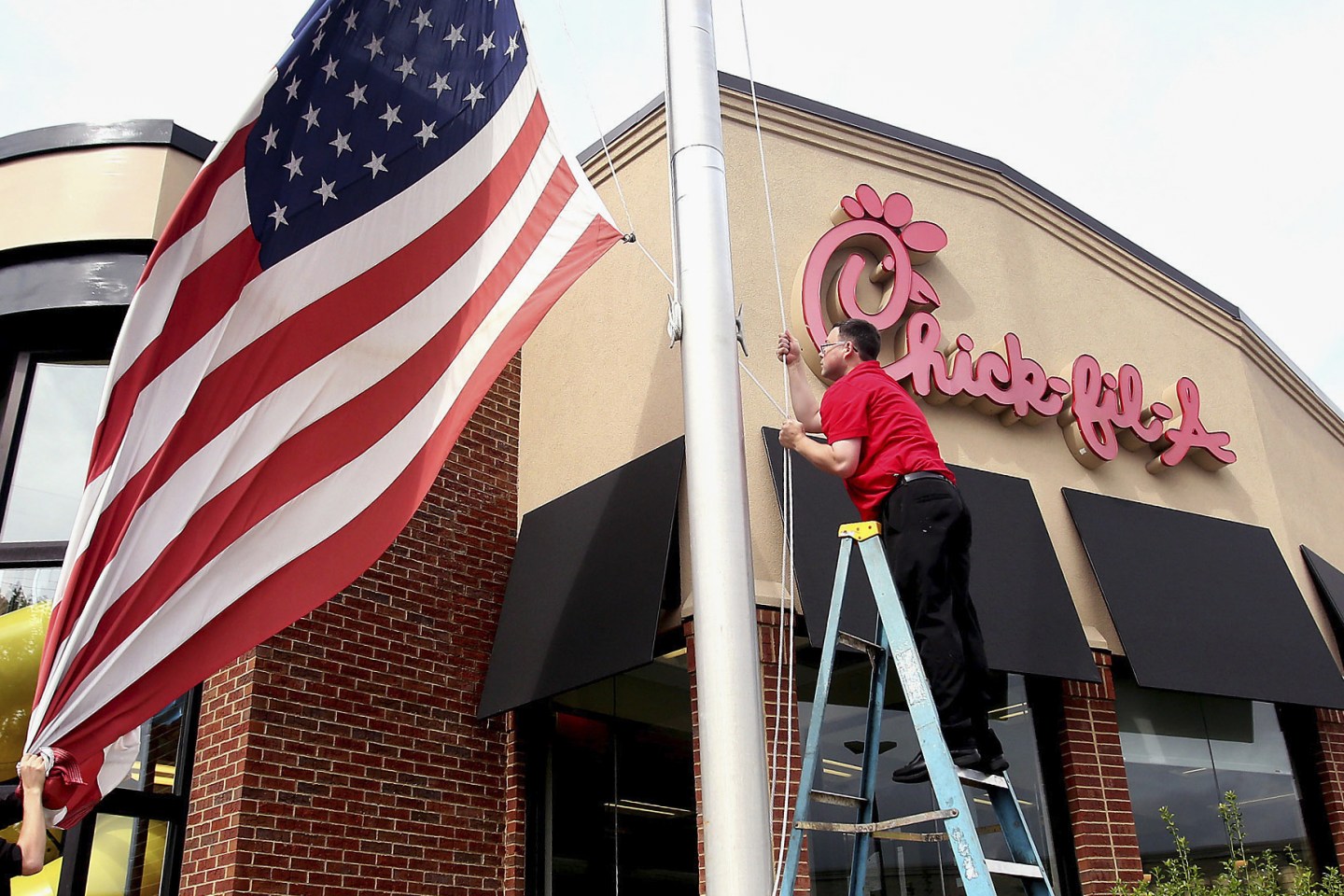
For example, during the campaign, Mr. Trump consistently attacked Carrier, a manufacturer of heating and cooling equipment, for its decision to move one of its plants from Indiana to Mexico. In December, President-elect Trump claimed he had worked out a “deal” with Carrier’s parent company, United Technologies, to keep the plant in America, saving 1,100 good-paying manufacturing jobs from leaving the country.
But as the head of Carrier’s union later told the press: Mr. Trump “lied his a– off.” Of the 1,700 workers set to be cut, only 730 would be staying—the rest were going to Mexico. And now, we learn that of those 730 workers saved, many will eventually lose their jobs to automation once the plant is upgraded.
Mr. Trump promised to give $7 million in tax incentives to United Technologies to keep Carrier’s plant in Indiana, but he failed to consider the possibility that the plant could be automated. The deal was to save the plant, not the workers. As such, Carrier can now use that $7 million to upgrade the plant, allowing it to fire all but a handful of those workers that Mr. Trump claimed he “saved.”
President Trump’s dealmaking background is in real estate, not in manufacturing, so it is understandable that he got played here. How was he supposed to know that most of those jobs he was “saving” could be replaced by machines? Clearly, President Trump should tread carefully when doing deals in industries he knows nothing about.
That brings us back to the oil pipelines. President Trump knows as much about the energy industry as he does about manufacturing, which is to say, nothing. And his decision today to green-light the DAPL and Keystone XL pipeline projects together, as if they were cut from the same cloth, with no preconditions, clearly shows it.
While the two projects look similar, they are, in fact, completely different animals, presenting vastly different political and economic outcomes, and opportunities that should have been considered before they were both approved willy-nilly.
First, let’s talk about the DAPL. Unlike the Keystone XL, the DAPL is already built—it just needs to cross a lake in North Dakota and it’ll be done. Energy Transfer Partners, the Dallas-based holding company building the pipeline, that Trump used to be a stock holder of, received a permit to build under the lake in 2015. But late last year, the U.S. Army Corps of Engineers, under political pressure, delayed bestowing easements that derailed the project after protests erupted against the pipeline by environmentalists and the Standing Rock Sioux tribe.
The fact that several pipelines already run safely underneath the lake apparently wasn’t an issue for these protesters—it was just this particular pipeline that was going to poison the world and send all the spirit animals away.
Giving the DAPL the green light with little fuss was the right thing for President Trump to do as the environmental concerns were clearly bogus. But even more important is that the DAPL’s benefits are uniquely all-American. It will help small to medium-sized American oil companies like Continental Resources, Oasis Petroleum, and Whiting Petroleum get their product to market faster, safer, cheaper, and more efficiently, compared to alternatives, like rail. Trump must know this well seeing that Harold Hamm, a major donor who advises Trump on energy issues, is the CEO of Continental Resources and stands to benefit greatly from the pipeline’s construction.
The DAPL will begin in North Dakota and terminate at a tank farm in southern Illinois, where it will then be transported to refineries in the Midwest, owned by companies like Marathon and Phillips 66. Those refiners will then turn that oil into gasoline and other clean products for the American market.
So the pipeline is being built by an American company to help small-to-medium sized American oil companies transport American oil to American refineries in the Midwest for American drivers. You could say the DAPL is a win-win-win-win.
The Keystone XL pipeline, on the other hand, isn’t such an open-and-shut kind of case. First off, it hasn’t been built yet—that is, at least the portion that is supposed to run through the U.S. The reason the Keystone requires approval from the federal government is that it crosses an international border, through Canada. Unlike the DAPL, the Keystone is about as un-American as it gets. It is being built by a Canadian company to help mostly Canadian and European oil companies move Canadian crude from Western Canada down to Texas.
The Canadians already have pipelines that cross the border, but they all head to the Midwest. The Keystone, instead, runs south, to the U.S. Gulf Coast. The Canadians claim that the pipeline intends to provide oil to U.S. refineries. That sounds reasonable, as the Gulf Coast is home to most of the nation’s biggest refineries, many of which can process heavy Canadian crude. But the pipeline also connects the Canadians to the Port of Houston, giving them the ability to export their crude out of the U.S. to other countries, namely, China.
This is the real key issue with the Keystone pipeline. Western Canadian crude currently has no way of being exported out of North America, and can only head to a handful of U.S. refineries in the Midwest. This causes it to trade at a discount to world oil prices, giving those refiners fatter margins and U.S. consumers a bit of relief at the pump.
If the Canadians are given the ability to export their oil to other countries, it could negatively impact U.S. energy security, U.S. gasoline prices, and Midwest refining margins.
So why is President Trump giving Keystone away for nothing? He says it will create jobs. But the handful of jobs it will create—it doesn’t take many people to build or run a pipeline—pales in comparison to what Canada stands to gain. Trump also made some silly statement yesterday about wanting to have the physical pipe for the Keystone built in America, but, again, that’s a one-off gimmick that wouldn’t come close to balancing out the deal.
Trump shouldn’t be green-lighting Keystone just because the Republicans love it and President Obama opposed it. That kind of logic is ridiculous and goes against his own populist ethos.
If Canada wants its pipeline, it needs to give the U.S. something in return, or there should be no deal. That’s the type of hard-nosed negotiating that candidate Trump promised to bring to Washington if he were elected.
Trump already screwed up the Carrier deal as President-elect, handing red meat to his enemies before he even took office. If now-President Trump wants to do things right, he needs to wait and consider all the various political and economic dynamics at stake before he makes another mistake trying to do a “deal” in an industry that he knows nothing about.
At the very least, he should hold off on approval until the upcoming NAFTA talks so he can use it as a carrot to get Canada to concede something that would be in the best interest of American workers.
But the absolute worst thing he could do is just give the pipeline away. That wouldn’t just make President Trump a bad dealmaker, it would also make him a negligent leader.