• Home
  • Latest
  • Fortune 500
  • Finance
  • Tech
  • Leadership
  • Lifestyle
  • Rankings
  • Multimedia
CommentaryTech

What It Will Take For Driverless Cars To Go Mainstream

By
Victoria Shirazi
Victoria Shirazi
Down Arrow Button Icon
By
Victoria Shirazi
Victoria Shirazi
Down Arrow Button Icon
December 5, 2016, 6:00 AM ET
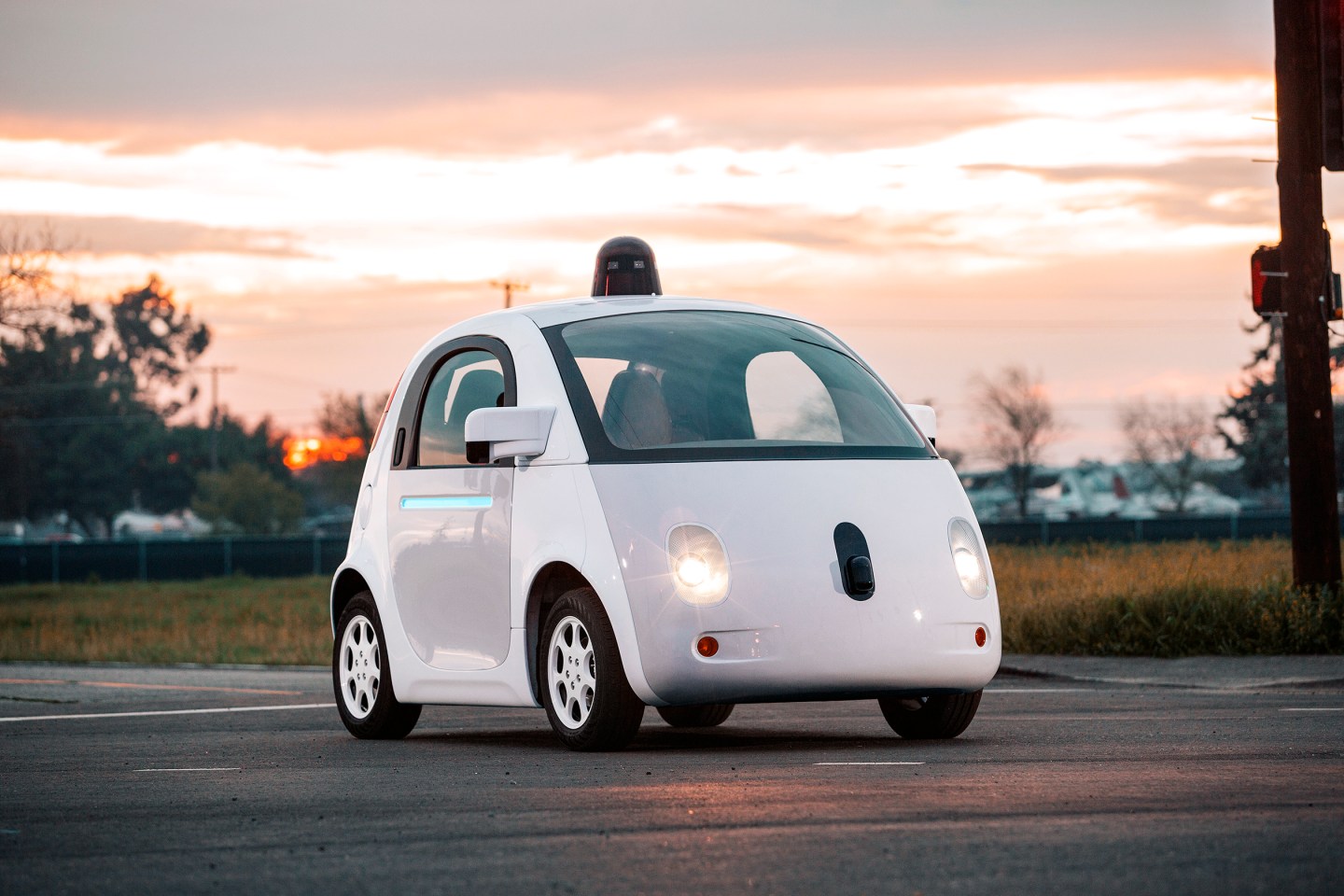
Photo: Courtesy of Google

Every day, our lives more closely resemble the film “Back to the Future.” Granted, our cars are not yet flying, but they are driving autonomously. Our local delivery man is being replaced by a drone. Our home, our car, and even our cities are all going “smart” or are increasingly connected to the digital world.

But with new products also come new risks, and right now they are preventing businesses from taking these innovations mainstream. In July, a self-driving Tesla car was involved in the first fatal crash. Last July,a drone nearly collided with a passenger aircraft in London, after “months of warnings from aviation officials about the skyrocketing number of near misses between drones and airliners.” In order for us to truly benefit from these new technologies, insurers, policymakers and technology producers must come together to ensure that liability and risk are properly insured. In particular, three actions should be taken.

First, the liability that comes with artificial intelligence (AI) products should be clearly defined and transparent for all those involved with the products: consumers and manufacturers need to know if they are the ones’ responsible for purchasing the insurance, and insurers need to know who they’re developing their insurance products for. Without such clarity, society as a whole is susceptible to large scale legal action and unaccounted for accidents. It’s clear that products equipped with AI could easily be better and safer than those that aren’t. It’s estimated, for example, that autonomous vehicles will decrease accident rates by 90%, becoming “the greatest health achievement of the century.”

But as these intelligent machines continue to evolve, the question of liability from the accidents they might cause comes into play. Who is liable for an injury caused by an autonomous or artificially intelligent “robot”? Is the owner of the device still liable if they can no longer control the actions of the device?

Currently, no regulation exists to deliver clear and harmonious (think globally recognized) mechanism of fault for fully automated AI devices. Insurers must therefore work together with technology manufacturers and policymakers to clearly resolve these gaps in liability ownership. Without clear liability ownership, insurers will be unable to insure individuals, manufacturers or technology designers against these losses.

Second, an Internet-enabled network should be set up that allows the sharing of data from connected devices but that doesn’t compromise their security.Such a network is critical in order to prevent personal error and targeted acts of terrorism (and the mal-use use of personal data). In the age of “cyber-physical systems,” our cars are not only autonomous – they are “smart;” that is to say, digitally connected. But digital connection automatically brings the risk of both human error and malicious hacking. In 2015, Chrysler recalled over 1.5 million vehicles after learning the vehicles were vulnerable to wirelessly hacking, allowing a third party to take control of dashboard functions, steering, transmission and brakes.

The threat goes far beyond our vehicles. Over the past few months, the U.S. government and Germany parliament’s computersystems have been hacked. Key questions cannot be neglected: What if it is not only one car that is hacked, but all of them? What if an organization intent on destruction takes control of our digital infrastructure and cuts access to water and electricity?

Insurers have been voicing these systemic and catastrophic concerns at the World Economic Forum’s events on risk mitigation that I organize. They are asking to collaborate with governments, manufacturers and technology designers to clarify data needs and access frameworks, and share data efficiently and effectively. It is a step in the right direction: all stakeholders need to work together to create transparency in the upfront design of emerging technologies in order to enable homogenous safety standards and risk mitigation techniques at every step of new technology development.

And third, a globally recognized body should authorize and oversee standards governing the industry.The reason is that while the risks are the same without variation between city, state, or nation, the approach and the degree of evolution in policymaking to protect society varies across these lines.

Right now, a clear lack of insurance standards and regulatory requirements mandating insurance coverage inhibits the protection of society against injury and loss. With the advent of the on-demand economy, many sharing platforms are either running without insurance or minimally self-insuring.

Further, regulations are inconsistent between cities or regions. For example, in Canada, the legality of the sharing economy varies from province to province (in Toronto it’s legal; in Vancouver not).

In a world where the car you hire on a sharing platform easily crosses city, state and national lines, harmonization is critical if we safeguard the social protections that have for a long time been required in the private sector (i.e. racial discrimination, background checks/licensure verifications, and insurance requirements).

Without mandating insurance requirements or the creation of a single certification body, the driver of a sharing car may not have the insurance needed to drive in a commercial capacity; an individual renting their home out for a few nights may not have the appropriate homeowners insurance coverage to protect their home; and individuals themselves may not have the appropriate healthcare, pension or other regulated insurance that has long protected sellers and users alike.

So even though these emerging technologies provide society with great benefits, they intrinsically bring along new and more complex risks where severe loss of property and life could result. Fragmented regulatory frameworks, the lack of liability and the lack of common standards have hindered the ability of insurers to develop new products to manage these risks. But by working together, these risks cannot only be covered in the future – we might even be able to prevent them from happening in the first place.

We might never go back to the future, as in the film, but at least we’d go back to a world with properly insured risks and liabilities.

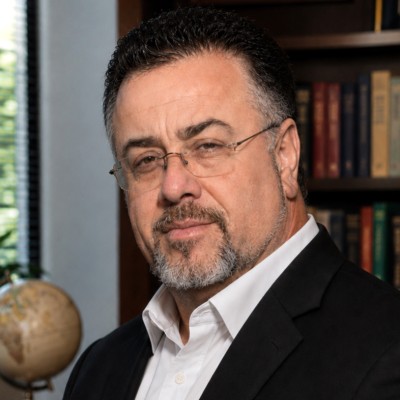
Victoria Shirazi is a project lead of mitigating risks in the innovation economy at the World Economic Forum.

About the Author
By Victoria Shirazi
See full bioRight Arrow Button Icon

Latest in Commentary

Finance
Lorem ipsum dolor sit amet, consectetur adipiscing elit, sed do eiusmod tempor incididunt ut labore et dolore magna aliqua. Ut enim ad minim veniam
By Fortune Editors
October 20, 2025
Finance
Lorem ipsum dolor sit amet, consectetur adipiscing elit, sed do eiusmod tempor incididunt ut labore et dolore magna aliqua. Ut enim ad minim veniam
By Fortune Editors
October 20, 2025
Finance
Lorem ipsum dolor sit amet, consectetur adipiscing elit, sed do eiusmod tempor incididunt ut labore et dolore magna aliqua. Ut enim ad minim veniam
By Fortune Editors
October 20, 2025
Finance
Lorem ipsum dolor sit amet, consectetur adipiscing elit, sed do eiusmod tempor incididunt ut labore et dolore magna aliqua. Ut enim ad minim veniam
By Fortune Editors
October 20, 2025
Finance
Lorem ipsum dolor sit amet, consectetur adipiscing elit, sed do eiusmod tempor incididunt ut labore et dolore magna aliqua. Ut enim ad minim veniam
By Fortune Editors
October 20, 2025
Finance
Lorem ipsum dolor sit amet, consectetur adipiscing elit, sed do eiusmod tempor incididunt ut labore et dolore magna aliqua. Ut enim ad minim veniam
By Fortune Editors
October 20, 2025

Most Popular

Finance
Lorem ipsum dolor sit amet, consectetur adipiscing elit, sed do eiusmod tempor incididunt ut labore et dolore magna aliqua. Ut enim ad minim veniam
By Fortune Editors
October 20, 2025
Finance
Lorem ipsum dolor sit amet, consectetur adipiscing elit, sed do eiusmod tempor incididunt ut labore et dolore magna aliqua. Ut enim ad minim veniam
By Fortune Editors
October 20, 2025
Finance
Lorem ipsum dolor sit amet, consectetur adipiscing elit, sed do eiusmod tempor incididunt ut labore et dolore magna aliqua. Ut enim ad minim veniam
By Fortune Editors
October 20, 2025
Finance
Lorem ipsum dolor sit amet, consectetur adipiscing elit, sed do eiusmod tempor incididunt ut labore et dolore magna aliqua. Ut enim ad minim veniam
By Fortune Editors
October 20, 2025
Finance
Lorem ipsum dolor sit amet, consectetur adipiscing elit, sed do eiusmod tempor incididunt ut labore et dolore magna aliqua. Ut enim ad minim veniam
By Fortune Editors
October 20, 2025
Finance
Lorem ipsum dolor sit amet, consectetur adipiscing elit, sed do eiusmod tempor incididunt ut labore et dolore magna aliqua. Ut enim ad minim veniam
By Fortune Editors
October 20, 2025
Fortune Secondary Logo
Rankings
  • 100 Best Companies
  • Fortune 500
  • Global 500
  • Fortune 500 Europe
  • Most Powerful Women
  • Future 50
  • World’s Most Admired Companies
  • See All Rankings
Sections
  • Finance
  • Fortune Crypto
  • Features
  • Leadership
  • Health
  • Commentary
  • Success
  • Retail
  • Mpw
  • Tech
  • Lifestyle
  • CEO Initiative
  • Asia
  • Politics
  • Conferences
  • Europe
  • Newsletters
  • Personal Finance
  • Environment
  • Magazine
  • Education
Customer Support
  • Frequently Asked Questions
  • Customer Service Portal
  • Privacy Policy
  • Terms Of Use
  • Single Issues For Purchase
  • International Print
Commercial Services
  • Advertising
  • Fortune Brand Studio
  • Fortune Analytics
  • Fortune Conferences
  • Business Development
  • Group Subscriptions
About Us
  • About Us
  • Editorial Calendar
  • Press Center
  • Work At Fortune
  • Diversity And Inclusion
  • Terms And Conditions
  • Site Map
  • About Us
  • Editorial Calendar
  • Press Center
  • Work At Fortune
  • Diversity And Inclusion
  • Terms And Conditions
  • Site Map
  • Facebook icon
  • Twitter icon
  • LinkedIn icon
  • Instagram icon
  • Pinterest icon

Latest in Commentary

hormuz
CommentaryIran
With Hormuz under strain, a trade corridor built for resilience faces a real-world test
By Angela Chitkara and Samantha SuttonApril 17, 2026
11 hours ago
broker
CommentarySoftware
The 3 forces quietly dismantling the business model that made enterprise software fabulously profitable
By Michael Jacobides and Stefano PuntoniApril 17, 2026
12 hours ago
welti
CommentaryIran
Switzerland’s former ambassador to Iran: here’s how to end this war — and why Pakistan isn’t enough
By Philippe WeltiApril 17, 2026
18 hours ago
Anita Beveridge-Raffo is Head of Retail and Consumer Goods at Palantir Technologies
CommentaryAI agents
Palantir exec: the biggest mistake retailers are making with AI? Trying to do it all with one agent
By Anita Beveridge-RaffoApril 16, 2026
1 day ago
wyle
CommentaryHealth
‘The Pitt’ reveals why healthcare desperately needs a new front door
By Jeremy MorganApril 16, 2026
2 days ago
health
CommentaryHealth Care Service
Two physicians on ending the waiting-room era: bring care home
By Benjamin Kornitzer and Bill FristApril 16, 2026
2 days ago

Most Popular

Pope Leo warned the world is in ‘big trouble’ if Elon Musk becomes the first trillionaire
Success
Pope Leo warned the world is in ‘big trouble’ if Elon Musk becomes the first trillionaire
By Preston ForeApril 17, 2026
15 hours ago
A world going broke: IMF says America's $39 trillion national debt is actually a global problem—and AI may be the only rescue
Economy
A world going broke: IMF says America's $39 trillion national debt is actually a global problem—and AI may be the only rescue
By Nick LichtenbergApril 16, 2026
1 day ago
Jeff Bezos pledged $10 billion for climate change. With the 2030 clock ticking, his wife, Lauren Sánchez Bezos, is leading the charge to spend it
Environment
Jeff Bezos pledged $10 billion for climate change. With the 2030 clock ticking, his wife, Lauren Sánchez Bezos, is leading the charge to spend it
By Sydney LakeApril 15, 2026
2 days ago
Germany already told its workers to ditch four-day weeks and work-life balance. Now the government wants to cut their pay for calling in sick, too
Success
Germany already told its workers to ditch four-day weeks and work-life balance. Now the government wants to cut their pay for calling in sick, too
By Orianna Rosa RoyleApril 16, 2026
2 days ago
MacKenzie Scott is bypassing the Ivy League and rewriting the $79 billion higher ed playbook by giving to HBCUs and community colleges
Politics
MacKenzie Scott is bypassing the Ivy League and rewriting the $79 billion higher ed playbook by giving to HBCUs and community colleges
By Sydney LakeApril 16, 2026
1 day ago
Iran has reopened the Strait of Hormuz—but experts say it now holds a card that works ‘almost like a nuclear deterrent’
Energy
Iran has reopened the Strait of Hormuz—but experts say it now holds a card that works ‘almost like a nuclear deterrent’
By Eva RoytburgApril 17, 2026
8 hours ago

© 2026 Fortune Media IP Limited. All Rights Reserved. Use of this site constitutes acceptance of our Terms of Use and Privacy Policy | CA Notice at Collection and Privacy Notice | Do Not Sell/Share My Personal Information
FORTUNE is a trademark of Fortune Media IP Limited, registered in the U.S. and other countries. FORTUNE may receive compensation for some links to products and services on this website. Offers may be subject to change without notice.