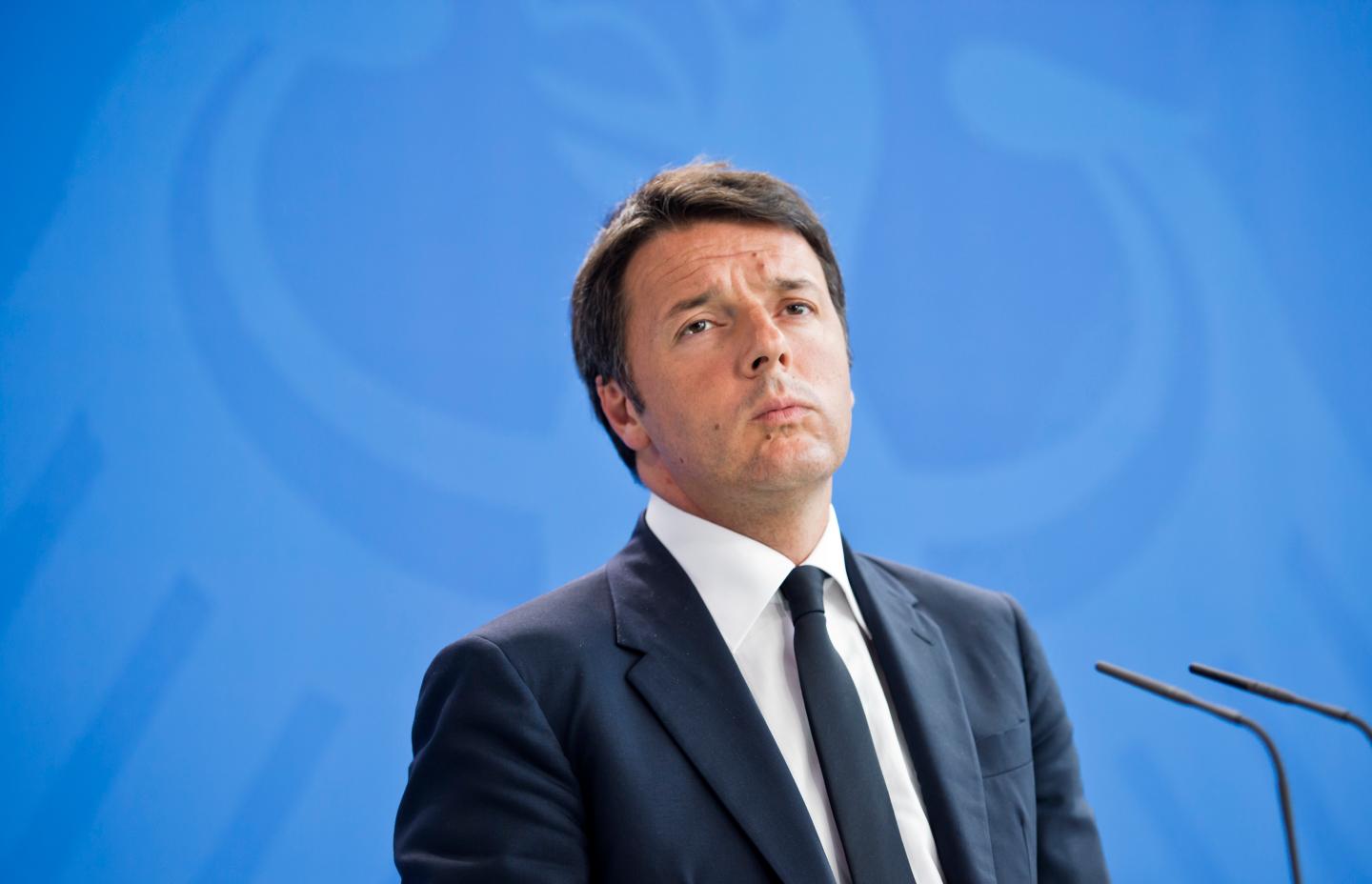
One crisis barely over and another begins. As the European Union continues to grapple with the fallout from Britain’s Brexit vote, Italians will vote this Sunday in a referendum that could further shake the Euro. Supporters say the constitutional reforms proposed in the referendum would end the chaos and sclerosis of Italy’s legislative process. Detractors say they would kill representative democracy and usher in a new period of authoritarianism.
Matteo Renzi, the 41-year-old prime minister who vaulted to power three years ago on a cherubic cloud of reform and renewal, has pledged to resign should Italians reject Sunday’s referendum. This could trigger fresh elections; elections could hand power, in turn, to Beppe Grillo, a former comedian and leader of the Five Star Movement (M5S), a coalition that wants to hold a referendum on leaving the Euro. A No vote, in other words, could spell further volatility in global markets and heap more misery on a European project already brought to unprecedented depths of existential angst by June’s Brexit vote.
If Italians vote Yes, the relief in Brussels and across the world’s major financial centers will probably be audible.
Figuring out which way Italians will vote on Sunday is proving to be a tricky task. This is more than simply a reflection of the broader global questioning of polls’ reliability in the wake of this year’s big polling misses (Brexit, Trump). Perhaps unusually for a country whose citizens have a reputation for volubility (or perhaps because of this), Italy takes an aggressive approach to electoral silence: there’s a special emphasis in the public square on the “private and secret” nature of voting (this is, after all, a nation that only abolished secret voting in parliament in 1988), and institutions work hard to ensure there is minimal interference in the period immediately preceding elections with the quiet, contemplative and solitary act of civil enfranchisement.
Polling, in particular, is prohibited in the final two weeks of Italian political campaigns.
Since there have been no polls published on Sunday’s referendum since November 19, the Italian and global press has been liberated from the self-imposed obligation to slavishly report the latest polling swings. What has it done with this new freedom? Mostly, it’s repeated the results of the final polls published before the blackout began, all of which showed No ahead. Italian government bond yields have climbed in response to No’s time-frozen lead in the polls. Newly aware of the fallacy of over-reliance on polls, the media and investors have taken the next great test of global volatility as an opportunity to remain over-reliant on polls. What’s Italian for “plus ça change”?
Predata’s signals, which measure the level of engagement generated by each side of the referendum campaign online, tell a different story.

The No camp dominated the digital referendum campaign for all of September and October, mirroring poll findings, but in early November, Yes began to gather momentum. That momentum has accelerated in the 10 days since the polling blackout descended, and Yes is now “ahead” in the digital campaign.
To be clear: this does not amount to a prediction that Italians will vote to approve Renzi’s reforms on Sunday. Nor do our scores replace the polls. But they do tell us something about the way discussion of the referendum is evolving, and it’s potentially significant that the Yes camp — assisted by a couple of killer campaign ads and the street cred jolt of a pro-Yes hip hop track by 21-year-old Ghana-born musician Bello FiGo — has digital momentum on its side and is now capturing more of the online public’s attention than No.
In the weeks before the blackout descended, polls consistently showed around 25% of the electorate remained undecided. Italy’s large expat population — 8% of the 47 million eligible to vote — is also excluded from domestic polling. All this means you should consume the pre-blackout polls the same way you prepare your pasta water: with enough salt to rival the Mediterranean Sea.
These votes “left out” by the polls are likely to be decisive come Sunday. Our signals, which pick up on patterns of online engagement in their natural state, unmediated and undirected by the promptings of a pollster, suggest there may be a current of interest in the Yes camp and its message of political reform and efficient government that the pre-blackout polls did not capture.
Some of this interest, it’s fair to surmise, may come from undecided and expat voters. Both sides have worked hard to woo overseas voters in recent weeks, but Predata’s monitoring of the digital campaign suggests the Yes camp’s digital expat outreach has been more effective than No’s.
In the wake of the swing in digital momentum toward Yes revealed through our signals, the betting markets have begun to move in a similar direction. That doesn’t mean Yes is certain to win on Sunday. But it does suggest that the result will be far from the hearty “vaffanculo” to the Italian and European establishment that No’s boosters predict.
Aaron Timms is the Director of Content at Predata, a New York-based predictive analytics firm.