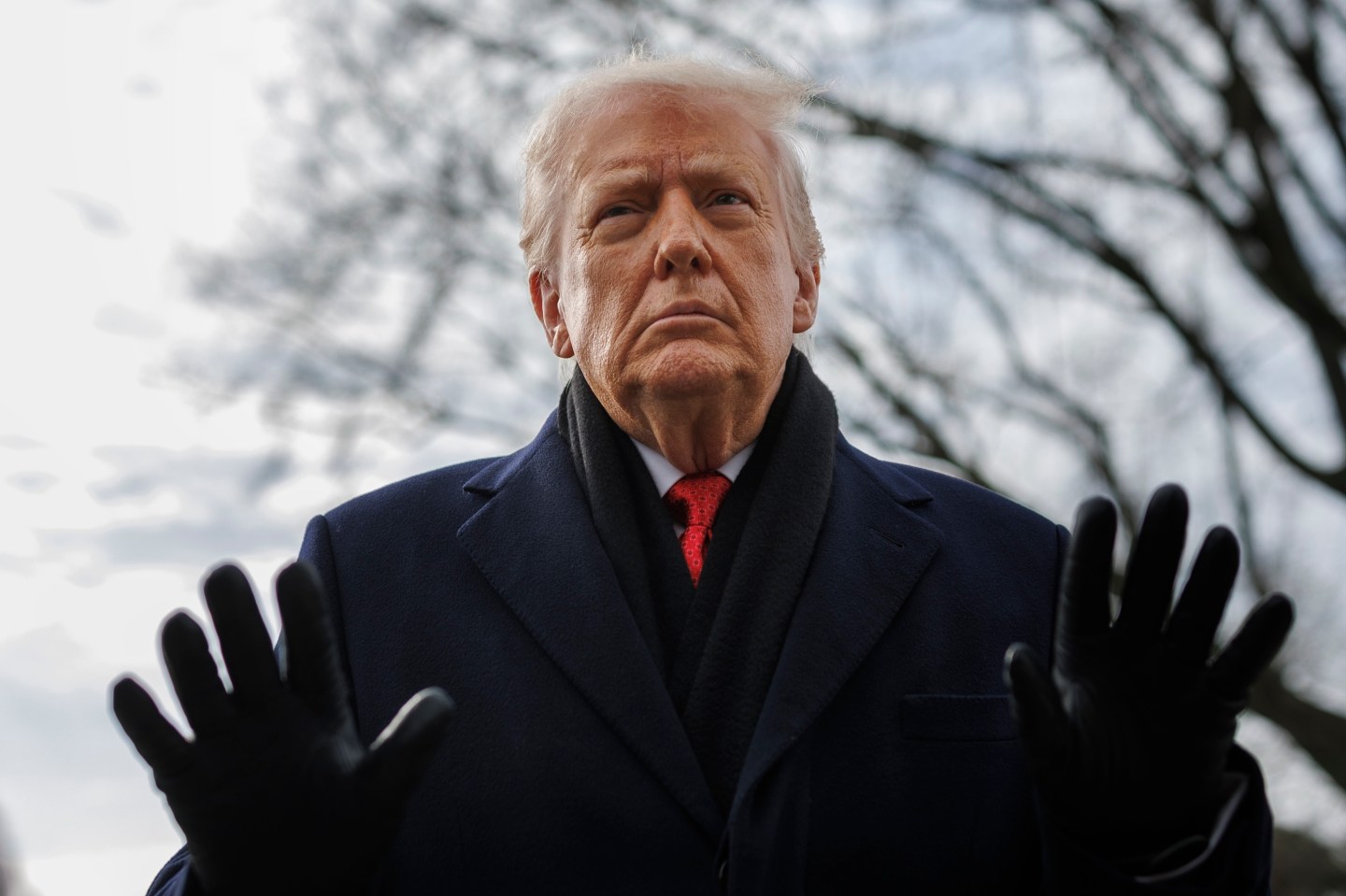
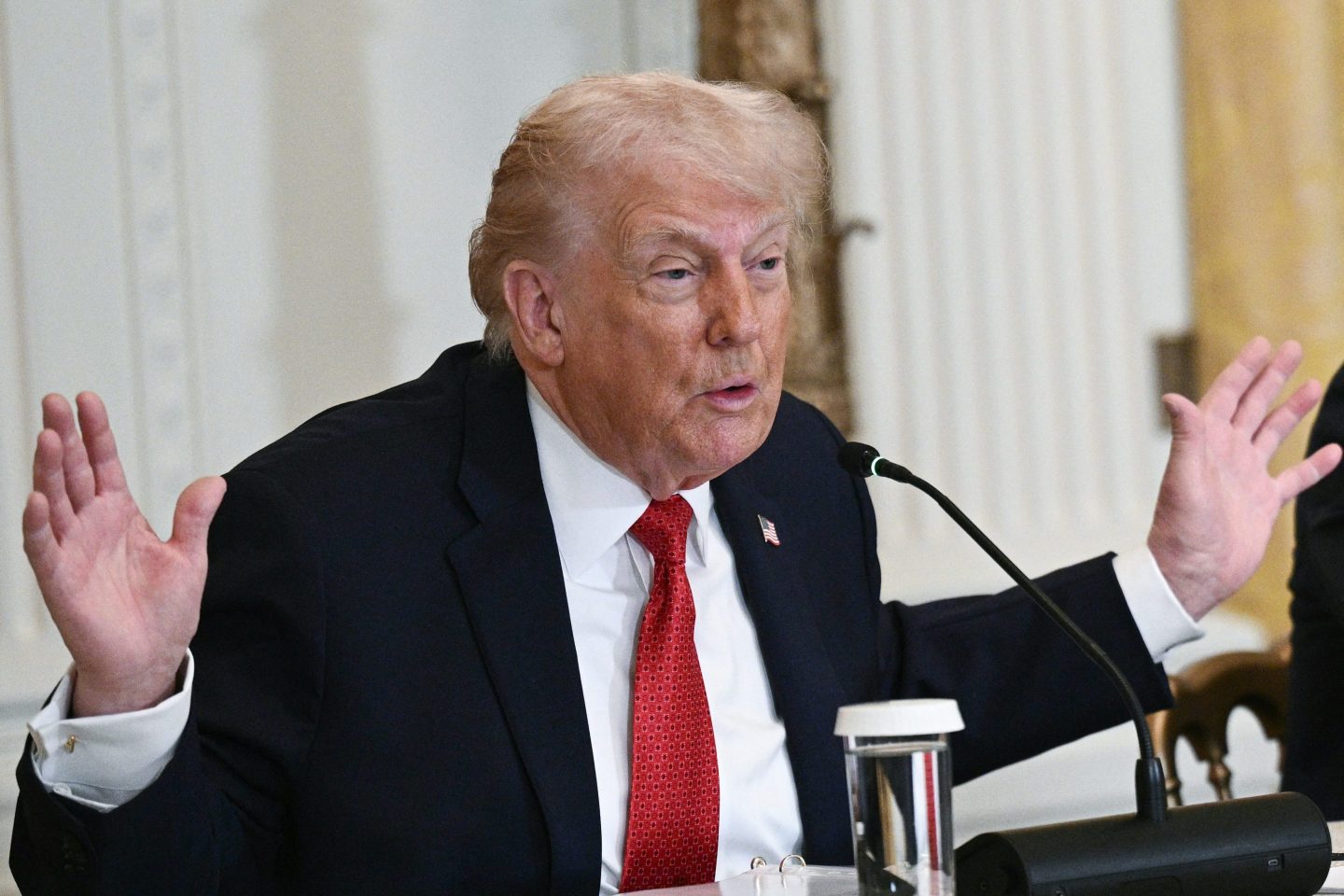
The main U.S. visa program for technology workers could face renewed scrutiny under President-elect Donald Trump and his proposed Attorney General, Senator Jeff Sessions, a long-time critic of the skilled-worker program.
H-1B visas admit 65,000 workers and another 20,000 graduate student workers each year. The tech industry, which has lobbied to expand the program, may now have to fight a rear-guard action to protect it, immigration attorneys and lobbyists said.
Trump sent mixed signals on the campaign trail, sometimes criticizing the visas but other times calling them an important way to retain foreign talent.
Sessions, however, has long sought to curtail the program and introduced legislation last year aiming to make the visas less available to large outsourcing companies such as Infosys. Such firms, by far the largest users of H-1B visas, provide foreign contractors to U.S. companies looking to slash information technology costs.
“Thousands of U.S. workers are being replaced by foreign labor,” Sessions said at a February hearing.
A spokesperson for Sessions did not immediately respond to a request for comment. A Trump transition team spokesperson declined to comment.
The H-1B visa is intended for specialty occupations that typically require a college education. Companies use them in two main ways to hire technology workers.
Tech firms such as Microsoft (MSFT) and Google (GOOGL) typically hire highly skilled, well-paid foreign workers that are in short supply. They help many of them secure so-called green cards that allow them to work in the U.S. permanently.
By contrast, firms such as Infosys and Tata Consultancy Services, both based in India, use the visas to deploy lower-paid contractors that critics say rarely end up with green cards.
Infosys did not immediately respond to a request for comment. A Tata spokesman declined to comment.
Labor Lottery
H-1B visas are assigned through a lottery once a year by U.S. Citizenship and Immigration Services. This year, companies filed 236,000 petitions for the 85,000 available visas, a cap set in U.S. law. They are awarded to employers—not employees—and tied to specific positions.
Both Democratic and Republican critics have argued that companies such as Walt Disney and Southern California Edison, a utility, have used the program to terminate in-house IT employees and replace them with cheaper contractors.
Sessions last year urged then-Attorney General Eric Holder to investigate Southern California Edison’s use of H-1B visas in a letter than was also signed by Democratic Sens. Bernie Sanders, Richard Durbin and Sherrod Brown.
Disney (DIS) and Edison did not immediately respond to requests for comment but have said previously that they paid foreign contractors comparably with local staffers.
The Justice Department in 2013 settled a visa fraud case with Infosys (INFY) for $34 million.
Federal investigators accused Infosys of using easier-to-obtain business travel visas to import foreign workers who were required to have H-1B visas. Investigators also alleged that Infosys told foreign workers to lie to U.S. officials about the cities where they would work.
In the settlement, Infosys denied the allegations but agreed to retain a third-party auditor for two years and to provide the government with detailed descriptions of what its visa holders were supposed to be doing in the U.S.
Calls for Change
Several constituencies have called for program reforms, including the Institute of Electrical and Electronics Engineers, that industry’s largest trade group. It wants the lottery ditched in favor of a system that would award visas to companies offering the highest-paying jobs, said Russ Harrison, director of government relations.
That could potentially shut out employers looking to mine the program for cheap foreign labor. Sessions included a similar measure in his 2015 bill.
Tech industry groups also want changes. FWD.us—the immigration lobbying group backed by Facebook (FB) co-founder Mark Zuckerberg—supports setting higher minimum wages and giving priority to companies that sponsor H-1B workers for green cards.
“We’re going to advocate for expanding the program, but we’re also going to advocate for reforming the program,” FWD.us President Todd Shulte said in an interview.
The current program mainly benefits big companies at the expense of both U.S. and immigrant workers, said Gaurav Mehta, a 32-year-old H-1B holder from New Delhi who works for a cybersecurity firm in San Francisco.
H-1B workers struggle to switch jobs without risking deportation, he said, which allows employers to pay them less.
“The current system is not working for Americans, and it’s not working for immigrants,” he said.
‘Amazing People’
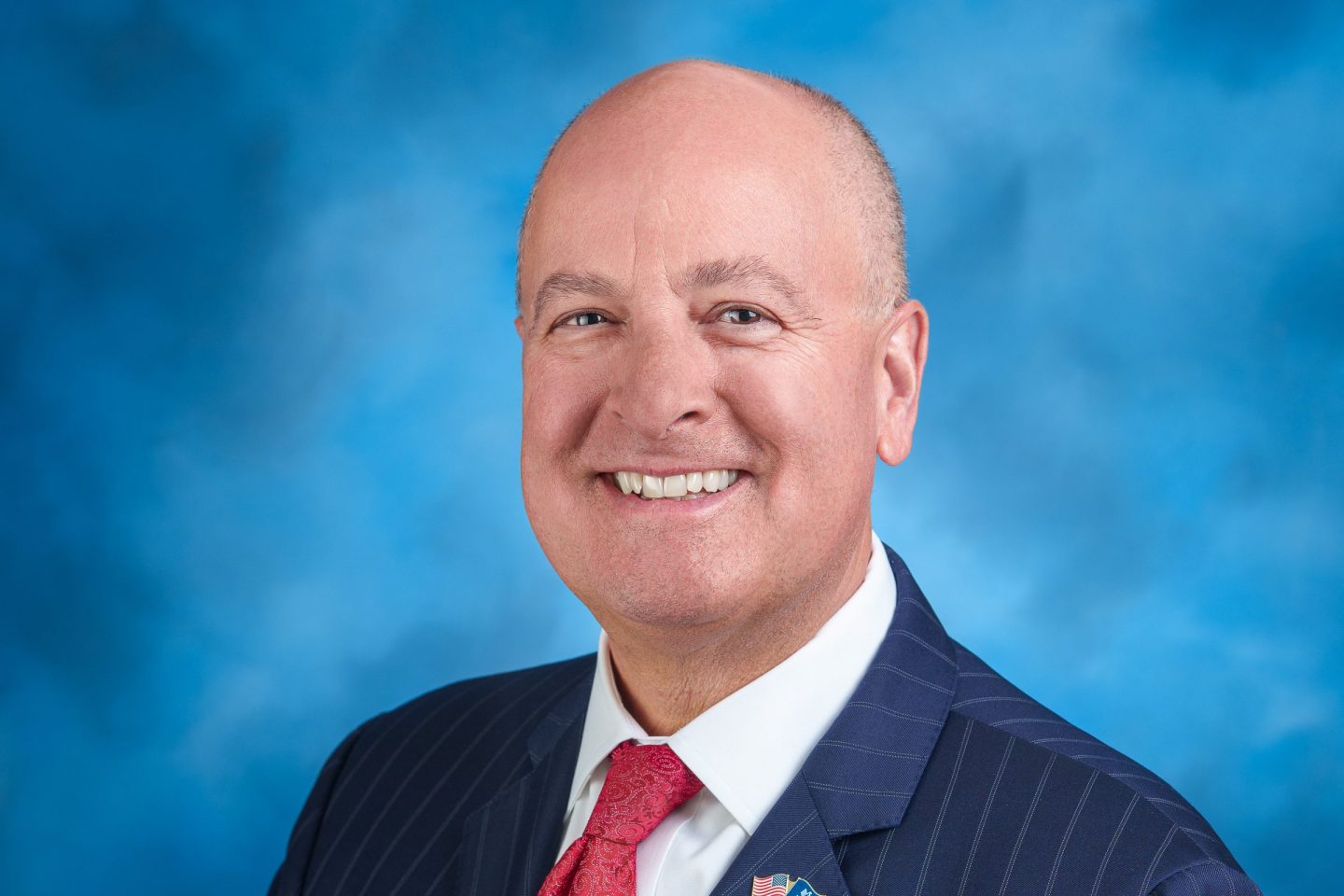
Some Trump allies expect him to keep the program mostly intact, including Shalabh “Shalli” Kumar—an Indian-born Chicago businessman who donated $900,000 to his campaign.
“He has said to us that these are amazing people and it would be crazy to let them go,” Kumar said in an interview.
But Kumar has urged Trump to eliminate country-by-country quotas that create long waits for Indian and Chinese nationals to get green cards.
John Miano, an attorney with the Immigration Reform Law Institute—a conservative group that has been aligned with Trump—also supports prioritizing H-1B applications from companies offering higher pay.
Such a change would hit the outsourcing firms hard. The top 10 recipients of H-1B visas in 2015 were all outsourcing firms, according to government data compiled by the IEEE. Tata Consultancy Services topped the list by securing 8,333 H-1B visas.
Amazon (AMZN), by contrast, ranked number 12 and was awarded just 826 H-1B visas. Google and Microsoft ranked No. 14 and 15, with Facebook at No. 24 and Apple at No. 34.
Some H-1B visa holders aren’t waiting. Sofie Graham—a marketer at the San Francisco startup BuildZoom.com and a dual Irish and British citizen—secured her H-1B visa last year. Although she could have worked for six years on the visa, she and the company decided to apply for a green card.
“Everywhere I looked, people were saying we should have fewer H-1Bs,” she said. “I just wanted to get a green card as soon as possible.”