• Home
  • News
  • Fortune 500
  • Tech
  • Finance
  • Leadership
  • Lifestyle
  • Rankings
  • Multimedia

Pipelines: The Worst Way to Move Oil, Except For All the Rest

By
David Z. Morris
David Z. Morris
Down Arrow Button Icon
By
David Z. Morris
David Z. Morris
Down Arrow Button Icon
August 28, 2016, 4:31 PM ET
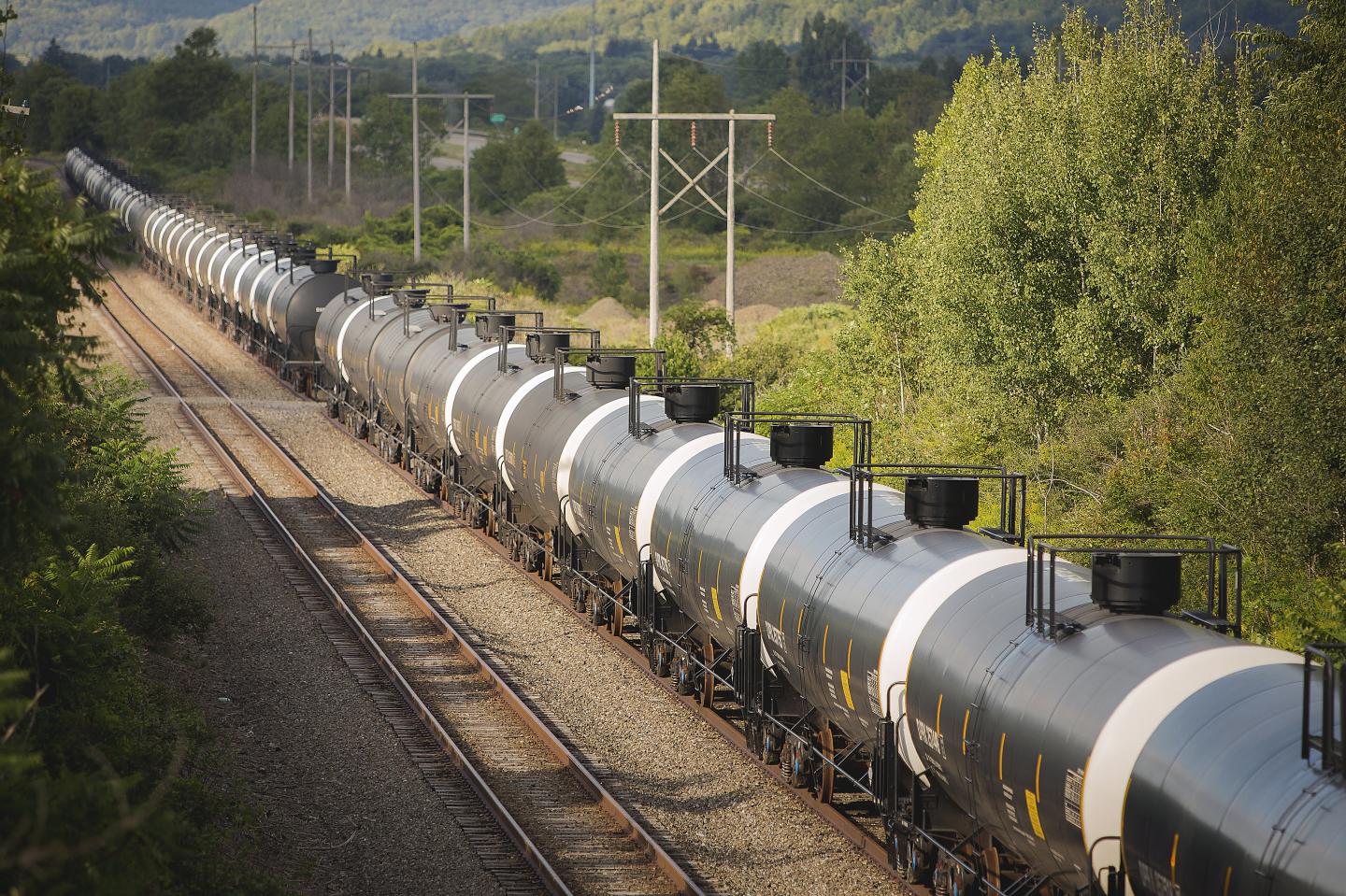
Unused oil tank cars are pictured on Western New York & Pennsylvania Railroad tracks outside Hindsdale, New York
Unused oil tank cars are pictured on Western New York & Pennsylvania Railroad tracks outside Hinsdale, New York August 24, 2015. Tucked away on miles-long stretches of underused rail tracks, hundreds of idle oil tank cars attest to the extent of fallout from oil's rout. The oil tank cars - a year ago sought-after to haul crude from North Dakota to New Jersey - now stand idle as a result of two converging trends: the reversal in U.S. shale oil production and the completion of new pipelines. Picture taken August 24, 2015. REUTERS/Lindsay DeDario - RTX1QIPN© Lindsay DeDario / Reuters REUTERS

The past week has seen a huge increase in attention and momentum for protests against the Dakota Access oil pipeline. Members of the Standing Rock Sioux and other Native American tribes have successfully shut down construction on the $3.7 billion line, which is intended to transport crude oil from the Bakken Shale to Illinois. The project is a subsidiary of Texas-based Energy Transfer Partners, with substantial stakes held by Enbridge Energy Partners and Marathon Petroleum Corp.

The tribes’ objections are both philosophical and practical. They have claimed in court that they weren’t given sufficient opportunity to assess the pipeline’s impact, and that it continues a legacy of exploitation by crossing ancestral land. The proposed pipeline also crosses the Missouri River just a few miles upriver from the Standing Rock Sioux Reservation, which protestors argue jeopardizes the water supply for both the tribe and the entire region in the event of a leak.

Get Data Sheet, Fortune’s technology newsletter.

That’s not an abstract worry. In 2010, a pipeline owned by Enbridge leaked 843,444 gallons of crude oil into wetlands around the Kalamazoo River in Michigan. The NTSB at the time faulted Enbridge’s inadequate leak detection systems as a partial cause of the incident, and Enbridge ultimately made a $177 million settlement with the U.S. government. The environmentalist Polaris Institute found that, according to Enbridge data, that company experienced 804 spills and released 5 million gallons of oil between 1999 and 2010.

But here’s the thing—the Sioux’s legal and ethical claims notwithstanding, blocking a pipeline might not be doing any favors for the overall safety of oil transportation. Because as environmentally disastrous and common as pipeline leaks are, the alternative may be worse.

Over the past decade, the lack of sufficient pipeline capacity (particularly in North Dakota) has made transporting oil by train increasingly common —and a boon for the rail industry. But those trains sometimes explode, as did one in Heimdal, North Dakota in May of last year. By one tally, there were ten such explosions in two years—including the nightmarish 2013 explosion of an unsupervised train in Lac-Megantic, Quebec, which killed 47 people in their sleep.

In 2015, Canada’s generally pro-fossil fuel Fraser Institute found that moving fuel by pipeline was 4.5 times safer than doing so by rail. And according to a Fraser representative at the time, “saying ‘No’ to a pipeline is saying ‘Yes’ to rail,” which will “increase the risk to the environment and human health and not decrease it.”

For more on oil infrastructure, watch our video:

That might or might not be the case with the Dakota Access Pipeline. Activists might eventually push for a re-routing of the pipeline, or some other compromise. More broadly, the shipment of crude by rail has declined significantly over the past year, both because more pipelines are being constructed, and because declining oil prices have suppressed Bakken production overall.

About the Author
By David Z. Morris
See full bioRight Arrow Button Icon

Latest in

AIpalantir
New contract shows Palantir is working on a tech platform for another federal agency that works with ICE
By Jessica MathewsDecember 9, 2025
2 hours ago
Databricks CEO speaking on stage.
AIBrainstorm AI
Databricks CEO Ali Ghodsi says his company will be worth $1 trillion by doing these three things
By Beatrice NolanDecember 9, 2025
2 hours ago
AIBrainstorm AI
CoreWeave CEO: Despite see-sawing stock, IPO was ‘incredibly successful’ after challenges of Liberation Day tariff timing
By Sharon GoldmanDecember 9, 2025
3 hours ago
Arm CEO on stage at Brainstorm AI
AIBrainstorm AI
Physical AI robots will automate ‘large sections’ of factory work in the next decade, Arm CEO says
By Beatrice NolanDecember 9, 2025
4 hours ago
Jerome Powell, chairman of the US Federal Reserve, during the Hoover Institution's George P. Shultz Memorial Lecture Series in Stanford, California, US, on Monday, Dec. 1, 2025.
EconomyJobs
‘Fodder for a recession’: Top economist Mark Zandi warns about so many Americans ‘already living on the financial edge’ in a K-shaped economy 
By Eva RoytburgDecember 9, 2025
5 hours ago
ConferencesBrainstorm AI
Exelon CEO: The ‘warning lights are on’ for U.S. electric grid resilience and utility prices amid AI demand surge
By Jordan BlumDecember 9, 2025
6 hours ago

Most Popular

placeholder alt text
Success
When David Ellison was 13, his billionaire father Larry bought him a plane. He competed in air shows before leaving it to become a Hollywood executive
By Dave SmithDecember 9, 2025
16 hours ago
placeholder alt text
Real Estate
The 'Great Housing Reset' is coming: Income growth will outpace home-price growth in 2026, Redfin forecasts
By Nino PaoliDecember 6, 2025
4 days ago
placeholder alt text
Success
Craigslist founder signs the Giving Pledge, and his fortune will go to military families, fighting cyberattacks—and a pigeon rescue
By Sydney LakeDecember 8, 2025
1 day ago
placeholder alt text
Uncategorized
Transforming customer support through intelligent AI operations
By Lauren ChomiukNovember 26, 2025
13 days ago
placeholder alt text
Investing
Baby boomers have now 'gobbled up' nearly one-third of America's wealth share, and they're leaving Gen Z and millennials behind
By Sasha RogelbergDecember 8, 2025
1 day ago
placeholder alt text
Banking
Jamie Dimon taps Jeff Bezos, Michael Dell, and Ford CEO Jim Farley to advise JPMorgan's $1.5 trillion national security initiative
By Nino PaoliDecember 9, 2025
7 hours ago
Rankings
  • 100 Best Companies
  • Fortune 500
  • Global 500
  • Fortune 500 Europe
  • Most Powerful Women
  • Future 50
  • World’s Most Admired Companies
  • See All Rankings
Sections
  • Finance
  • Leadership
  • Success
  • Tech
  • Asia
  • Europe
  • Environment
  • Fortune Crypto
  • Health
  • Retail
  • Lifestyle
  • Politics
  • Newsletters
  • Magazine
  • Features
  • Commentary
  • Mpw
  • CEO Initiative
  • Conferences
  • Personal Finance
  • Education
Customer Support
  • Frequently Asked Questions
  • Customer Service Portal
  • Privacy Policy
  • Terms Of Use
  • Single Issues For Purchase
  • International Print
Commercial Services
  • Advertising
  • Fortune Brand Studio
  • Fortune Analytics
  • Fortune Conferences
  • Business Development
About Us
  • About Us
  • Editorial Calendar
  • Press Center
  • Work At Fortune
  • Diversity And Inclusion
  • Terms And Conditions
  • Site Map

© 2025 Fortune Media IP Limited. All Rights Reserved. Use of this site constitutes acceptance of our Terms of Use and Privacy Policy | CA Notice at Collection and Privacy Notice | Do Not Sell/Share My Personal Information
FORTUNE is a trademark of Fortune Media IP Limited, registered in the U.S. and other countries. FORTUNE may receive compensation for some links to products and services on this website. Offers may be subject to change without notice.