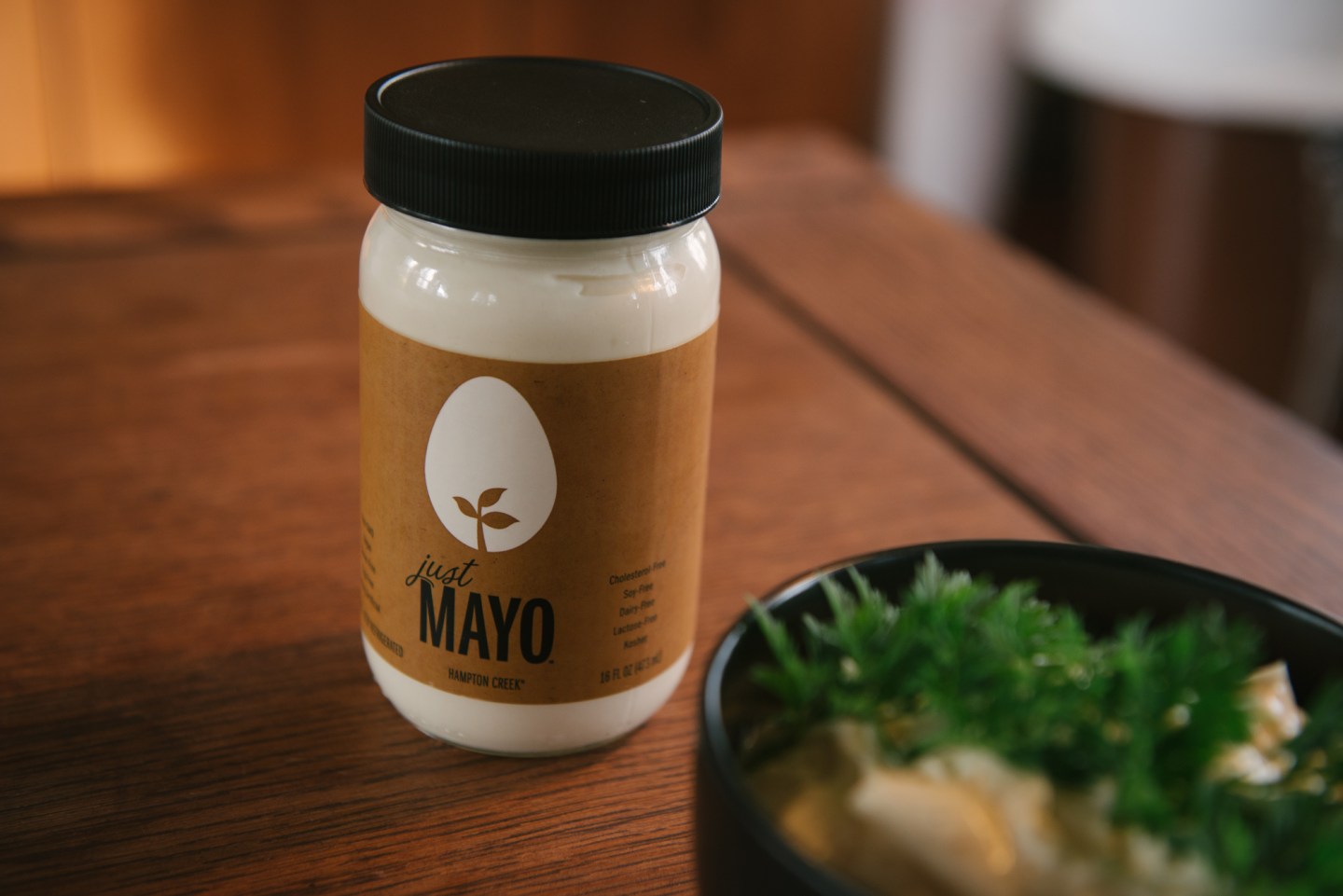
Last week, when I criticized the questionable “growth hacking” tactics of vegan mayonnaise startup Hampton Creek, I got some pushback from readers: “So what if they were buying their own product in stores to create the appearance of demand? The buybacks represented just 0.12% of the company’s overall sales. The press is just hungry for a scandal.”
Obviously, I disagree. Yes, the press loves a good scandal, but we chase these stories because our readers want to understand whether the rising class of startups with too-good-to-be-true growth are in fact too good to be true.
Startups are rising to prominence faster than ever, and they’re staying private for long past their IPO-by date. For many, private markets are more attractive because publicly disclosing detailed financial information every quarter would hurt the appearance of “momentum” they’ve carefully crafted. Some believe they can more easily control their narrative as a private company, only disclosing business updates to the public when they choose.
The Theranos scandal, or the Zenefits scandal, or on a much smaller scale, the Hampton Creek one are things that likely would have come out in an IPO process (or perhaps been fixed internally beforehand). Instead, they’re coming out via media investigations. Hampton Creek shows you don’t have to be a billion-dollar unicorn to be vulnerable.
Get Data Sheet, Fortune’s technology newsletter.
The startup community’s response to these unfortunate situations is to write them off as the work of a few “rotten apples.” But I think they are merely the biggest examples of what I believe is happening at lots of much smaller startups that either don’t know any better or that have created a culture of flouting (in startup parlance, “disrupting”) the rules, assuming that the cloak of being a private company would protect them.
With each new scandal, it becomes increasingly clear: Startups can stay private for as long as they want, but it won’t shield them from scrutiny. The sooner they realize this, the better.