Last month, I opened my Tweetdeck to find a storm of fury and outrage. Without warning, Twitter had tweaked its interface: “Favorites” would henceforth be known as “likes,” and the representative icon would no longer be a cheerful star but a sentimental red heart.
The switch was swiftly met with contempt from veteran users of the newsy social network. Using the heart symbol sends a slightly different message than a star, argued some, and in many cases, a star didn’t mean “favorite” at all.
Weeks later, the outrage has died down. (Or at least migrated to a newer Twitter product change meant to shift the service away from serving power users and toward serving new ones: The swap in position of the “Notifications” and “Moments” tabs.)
What makes these changes interesting is that they are cumulatively a strategic attempt to manipulate users’ emotions to do one very important thing: Log on to Twitter more often and engage with more people.
SUBSCRIBE: To Data Sheet, Fortune’s daily technology newsletter
Two years after going public, Twitter (TWTR) isn’t adding new users. Its investors are frustrated. “Twitter’s been having some issues internally and financially,” says Jonah Berger, marketing professor at the University of Pennsylvania’s Wharton School and author of Contagious: Why Things Catch On. “They’re doing a few things to move in the right direction. One thing they may be doing is trying to make the site more engaging.”
Twitter says it wants the new “like” option to make the site easier and more rewarding to use. “Rewarding” is an optimal word with regards to our social media use. Studies show online positive feedback in the form of likes and comments activates the reward centers of the brain, an area called the left nucleus accumbens. This same area lights up in response to sex and food. In one study, that activation was associated with having more Facebook friends and spending more time on the site.
In other words, like little lab rats, rewards in the form of positive feedback keep us coming back for more. The problem? “Many people on Twitter are lurkers who don’t actually take action,” Berger says. Twitter’s challenge is turning these lurkers into likers, and the best way to do that is with a call to action that’s easy and intuitive for users to understand, especially if they’re new. The favorite just wasn’t cutting it.
WATCH: Can Jack Dorsey save Twitter?
“Twitter’s buttons have always been a bit ambiguous at best,” says Dr. Larry Rosen, a research psychologist and former chair of the psychology department at California State University, Dominguez Hills. “‘Favorite’ made no sense to me ever, and if you have to sit there and go ‘What does favorite mean?’ that makes you less likely to use it.”
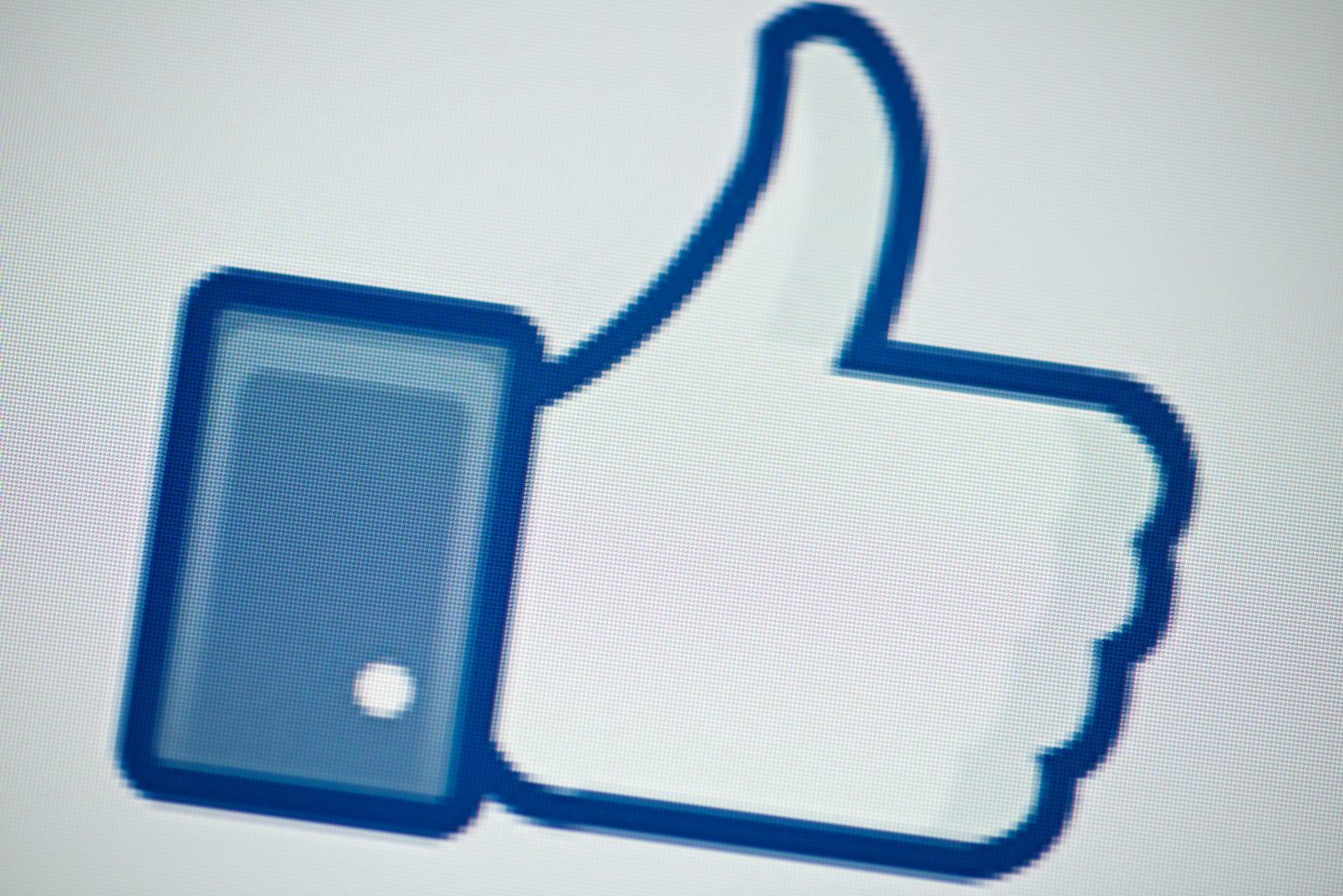
In one study, only 65% of participants knew the favorite option existed, and “a lot of people said they weren’t using it because they weren’t sure what it was good for,” explains the study’s lead author, Florian Meier, chair for information science at the University of Regensburg in Germany. Facebook, on the other hand, has mastered the art of reflexive praise-giving. Pressing the like button is the most common activity for Facebook users, according to Rosen’s research. “That means it is a very impulsive activity and the meaning is fairly clear,” he says. “I like this post. It’s zero effort.”
Ditching favorite for like then increases the chances that users will give praise, and in turn increase site engagement. At the same time, the new heart icon is an international symbol that infuses the site with a feeling of love. Berger’s research shows that we’re more likely to share things when they evoke emotions, especially positive ones. “The heart is trying to make Twitter a bit more cuddly and fuzzy and associated with warm feelings,” says Dr. Ciarán McMahon, a Dublin-based psychologist who studies technology. Facebook (FB) has been dabbling in this, too, with increasingly intimate login messages and regular reminders that it “cares about you and your memories.”
It’s for all these reasons so many other leading social media sites, including Pinterest, Facebook-owned Instagram, and Yahoo-owned Tumblr, already utilize the heart. It is the most-used emoji on Instagram and the third most-popular symbol used on digital devices globally.
In the week since the change, Twitter says it’s already seen a 6% increase in engagement among existing users, and 9% increase for new users. But that can pretty easily be chalked up to novelty. Social media sites regularly make design changes purely to keep us from getting bored, McMahon explains. “It’s the same as when you go into your local supermarket and they change the ordering of where groceries are,” he says. “It’s simply so you don’t get used to anything and it constantly feels new.”
The real test will be how Twitter engagement changes over time, if at all. Meanwhile Facebook is ditching text entirely and embracing the non-verbal language of emoji with its Reactions. “As they seek to completely dominate the entire Internet, it becomes not economically viable to translate everything into local languages,” says McMahon. “So they’re trying to go for primeval symbols anybody can understand but that is going to be one hell of a psychological task.”
NEXT, WATCH: Is Twitter the next MySpace?