This year was a big one for energy news. Ultra-low oil prices, coal plant closures, a landmark climate change deal in Paris, and records set for global solar projects all signaled a continued massive transformation under way for the world’s energy infrastructure.
Expect no less in 2016. These major energy trends will slowly continue to remake the world’s energy generation, consumption, efficiency, and carbon emissions. Change is often slow in the energy sector, but when it happens, it occurs in a truly massive way. Here are 5 things to watch for in energy in 2016:
1). Oil prices stay rock bottom: Earlier this month the West Texas Intermediate (WTI) Crude oil price benchmark fell below $34 a barrel for the first time since 2009. Analysts expect prices will stay that low for a while, due to a variety of factors like dropping demand from China and the Paris climate agreement, which suggests countries are committed to reducing their reliance on fossil fuel energy like never before.
Ultra-low oil prices are hitting oil and gas companies hard. Oil companies defaulted at an extraordinary rate in 2015. A Moody’s Credit Policy Research senior credit officer told CNBC that a quarter of the 79 debt defaults in 2015 were in the energy sector. Exploration and production companies defaulted at an even higher rate than these energy industry averages. By some estimates, the oil price collapse has claimed over 200,000 jobs globally.
SIGN UP: Get Data Sheet, Fortune’s daily newsletter about the business of technology.
And don’t expect a reprieve for oil companies in 2016. Big oil companies are slashing their 2016 budgets and investing in technologies like big data that can help them cut costs and manage resources more efficiently. Some industry-watchers think the low oil prices will utterly change the landscape of the oil industry for good.
Entrepreneur Jigar Shah recently predicted that Shell (RDS.A) and Chevron (CVX) won’t be free standing companies in three years, thanks to poor return on equity and low oil prices. Bloomberg New Energy Finance’s Chairman of the Advisory Board, Michael Liebreich, recently wrote that: “Paris is not the world saying it wishes it weren’t trapped in an abusive relationship with the fossil fuel industry; Paris is the world’s economy serving divorce papers.”
2). The solar boom marches on: The solar industry set record after record in hot markets like the U.S. in 2015. That was partly thanks to cheap solar panel prices, as well as companies capitalizing on the solar sector using new software, analytics, third party financing, and marketing.
The recent renewal of an important tax credit for solar, will enable the U.S. solar industry to continue to boom unabated for several more years. If a Presidential candidate like Hillary Clinton makes solar a major agenda issue, solar could grow even more in the U.S. over the next couple of years.
It’s not just the U.S.—China and India are also massive future markets for solar. China is set to install as much solar in 2015 as America has done so far cumulatively. India is a little bit of a wild card as the market has unique hurdles. But in Latin American, countries like Chile and Mexico have growing solar markets, too.
Bloomberg New Energy Finance predicts that solar will account for 35% of new power generation infrastructure built out over the next 25 years. That equals $3.7 trillion that will be spent on both small and large scale solar projects globally.
WATCH: Does Shell’s energy reform fit into a fossil fuel-based business model?
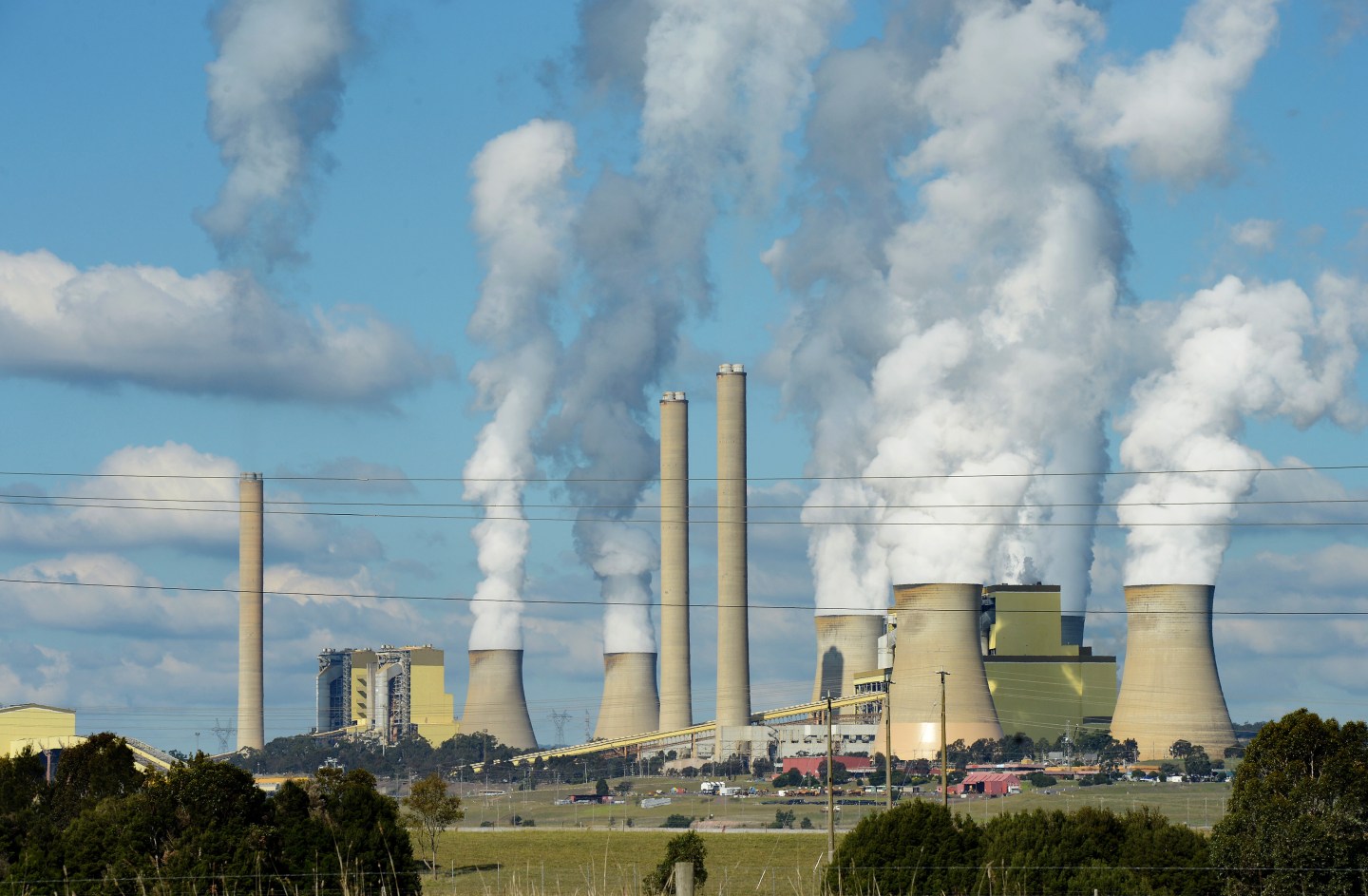
3). The continued death of coal in developed countries (while it rises in India): More than anything, the Paris agreement was a signal that coal, the dirtiest of the fossil fuels used for power generation, is being phased out in developed countries like the U.S. and much of Europe. Reliance is even being diminished in China, as the country seeks to clean up its air pollution.
In 2015, the U.S. shed coal jobs and will continue to do so in 2016. Moody’s Investors Service says that the coal industry’s earnings in North America fell by 25% this year. Half the world’s coal reserves are now not profitable enough to extract, says the firm.
However, India is the major global outlier when it comes to coal. India says it needs coal along with solar to meet its basic power generation growth needs. Additional coal plants built in India and China could lead to rising carbon emissions noted Bloomberg New Energy Finance in a report this year.
4). Tentative return of nuclear: Following the nuclear disaster in Japan in 2011, countries stalled the development of new nuclear plants, and closed down aging plants outright. But now Japan, the U.S., and some countries in Europe, are taking another look at new nuclear.
The power generation technology is unique in that it provides a large amount of power, around the clock, but doesn’t have carbon emissions. Environmentalists are increasingly beginning to stand behind nuclear for just that reason.
Some of the environmental concerns—like what to do with nuclear waste—are being addressed by a handful of new startups that are experimenting with new reactor designs and materials. Many of these technologies will be deployed outside of the U.S. and Europe first, in countries like China. China could become the world’s biggest nuclear energy provider by 2030.
5). Batteries (storing energy) will still be hot: Thanks to the shrinking costs of lithium-ion batteries, batteries will increasingly be used to power electric cars, help manage the power grid, and store energy for buildings in 2016.
Utilities are using batteries for the power grid, as a way to avoid building and using on-demand power plants, which can be inefficient, dirty, and expensive to operate. Electric car makers like Tesla (TSLA) and Nissan (NSANY) are also increasingly using cheaper batteries to lower the overall costs of electric cars, making them more affordable for mainstream consumers. And home and building owners are using batteries as a way to shift electricity use off of the grid (and onto batteries) when power rates are high. It’s a good idea, because they aren’t going back down any time soon.