• Home
  • Latest
  • Fortune 500
  • Finance
  • Tech
  • Leadership
  • Lifestyle
  • Rankings
  • Multimedia
Leadership

Facebook Director Pay Not Getting Many Shareholder ‘Likes’

By
Paul Hodgson
Paul Hodgson
Down Arrow Button Icon
By
Paul Hodgson
Paul Hodgson
Down Arrow Button Icon
December 15, 2015, 7:00 AM ET
Indian Prime Minister Narendra Modi Meets With Facebook Inc. Chief Executive Officer Mark Zuckerberg
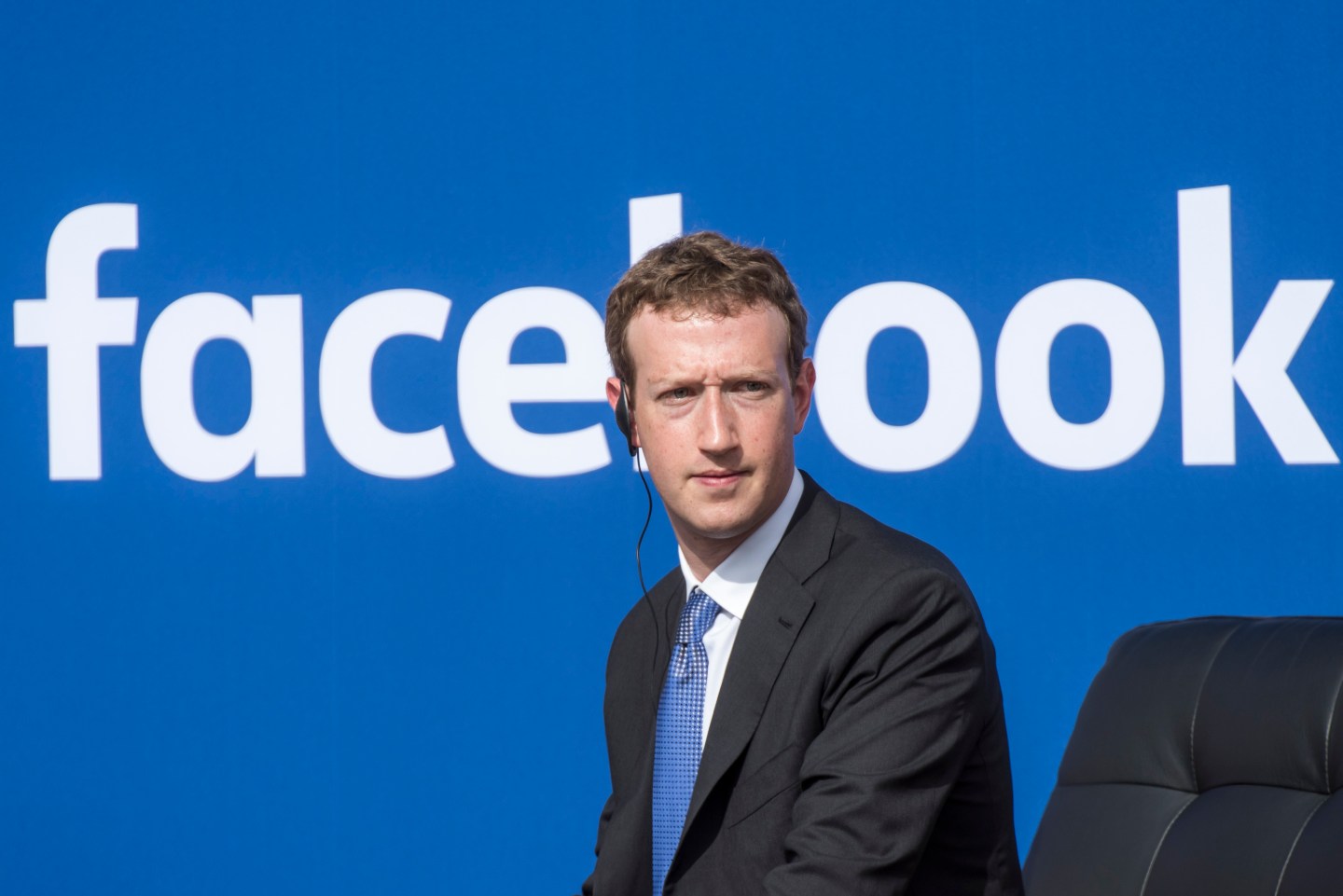
Mark Zuckerberg, chief executive officer of Facebook Inc., listens as Narendra Modi, India's prime minister, not pictured, speaks during a town hall meeting at Facebook headquarters in Menlo Park, California, U.S., on Sunday, Sept. 27, 2015. Prime Minister Modi plans on connecting 600,000 villages across India using fiber optic cable as part of his "dream" to expand the world's largest democracy's economy to $20 trillion. Photographer: David Paul Morris/Bloomberg via Getty ImagesPhotograph by David Paul Morris — Bloomberg via Getty Images

That a Facebook shareholder is angry enough to sue the company over director pay is not so surprising once you realize that one of Facebook’s board members is getting $1.9 billion for his work.

Jan Koum, the WhatsApp co-founder and CEO who joined the board in October 2014, received a salary of $1 and stock awards worth $1,927,510,711 in 2014, the latest year for which figures are available. This represents a sign-on award of around 25 million restricted stock units (RSUs) granted to Koum when Facebook acquired WhatsApp.

Grants of restricted stock or stock units, such as those issued to Koum, are described by the company as an inducement award and typically awarded to align executives and directors with the fortunes of public shareholders.

The thing is, it doesn’t seem like Koum needed an inducement to be aligned with shareholders. According to the company’s financial filings, as of March 31, 2015 Koum owned around 69 million shares. In connection with the 2014 acquisition of WhatsApp, Koum and his affiliates were issued 76,357,462 Class A shares and received some $1.97 billion in cash.

When Koum’s first wave of 5,384,918 RSUs vested on November 15, 2015, he sold all of them in the next 10 days, grossing $565 million.

The rest of Facebook’s directors don’t earn anywhere near as much as Koum, but they are still paid around $390,000 each, mostly in stock awards. The director pay plan being challenged in court guarantees them $300,000 in stock units every year. Previously, Facebook directors received just cash fees of around $50,000. (Facebook (FB) declined to comment on this story.)

At its base, however, the lawsuit being brought by the Facebook shareholder is not really about how much, but about how things are done.

Apparently, CEO Mark Zuckerberg did not formally approve the new director stock awards until after the lawsuit had been filed, at which time he ratified the plan via an affidavit. This was enough to send the judge reviewing the case into a fit of pique.

“If affidavits are sufficient, what about meeting minutes, press releases, conversations with directors or even liking a Facebook post of a proposed corporate action?” Judge Andre Bouchard wrote. “Zuckerberg may not opt out of the procedures by which stockholders may take corporate action in favor of a less formal method of his choosing.”

While it is not part of the lawsuit, Koum’s inducement award is of a piece with Zuckerberg’s apparently cavalier attitude toward the niceties of governance protocol. Koum’s award was what is euphemistically described as “non-plan.” In other words, because Facebook’s existing equity incentive plan doesn’t allow for awards of this size, the company just stepped outside the confines of the plan and made the award anyway.

These kinds of actions at Facebook are symptomatic of much wider governance problems in corporate America. Like many other dotcom companies, Facebook’s co-founder took the company public but still managed to retain control over just about everything using a variety of anti-democratic structures.

There are two classes of share at Facebook: public shares (the Class A shares used to reward Koum); and Mark Zuckerberg’s shares (Class B shares). Zuckerberg’s shares are entitled to 10 votes/share, while public shares are entitled to one each. This makes Facebook what is called a controlled company and gives it exemption from all sorts of governance requirements, like having an independent nominating committee to put forward board candidates.

Without a nominating committee, the directors—who in theory are supposed to represent both the public shareholders and the owners of Class B stock—end up being not particularly independent. That’s because they are chosen almost at will by the major Class B shareholder: Zuckerberg. Zuckerberg’s announcement that he is giving away 99% of his stock will make no appreciable difference to the control he exerts in the near to mid term.

And so, while executive pay gets voted on every three years, what difference does that vote make? Since Zuckerberg has 60% of the voting power, what likelihood is there that executive pay, including Zuckerberg’s, would not be approved?

Public shareholders don’t have much say over anything else either. Take this year’s shareholder proposal to change the share voting structure to one share, one vote—like a regular election. Over 65% of Class A shareholders who voted supported this change. Did it pass? No, because that 65% translated into only about 19% of the overall vote when Zuckerberg and other company insiders voted against the proposal.

Public shareholders also voted in large numbers against four directors: Zuckerberg himself; CFO Sheryl Sandberg; Jan Koum; and dotcom venture capitalist Marc Andreessen. None of this, of course, made any difference to their re-election. The public shareholder votes effectively don’t count.

And even if—as appears impossible—a one share/one vote policy were to be pushed through, Facebook has a booby trap in wait. If shareholders do get these powers, they won’t be able to exercise them effectively because such a change would trigger a change in the term length of board members. Instead of serving one year terms and being subject to annual elections, they would be split into three groups each serving staggered three-year terms, in what is known as a “classified” board.

In other words, shareholders wouldn’t get to vote out the directors for at least three years, making it almost impossible to remake this board in a reasonable time frame.

How such structures remain acceptable in one of the world’s largest democracies is difficult to understand. It is hardly surprising that shareholders resort to lawsuits to have their say.


About the Author
By Paul Hodgson
See full bioRight Arrow Button Icon

Latest in Leadership

Finance
Lorem ipsum dolor sit amet, consectetur adipiscing elit, sed do eiusmod tempor incididunt ut labore et dolore magna aliqua. Ut enim ad minim veniam
By Fortune Editors
October 20, 2025
Finance
Lorem ipsum dolor sit amet, consectetur adipiscing elit, sed do eiusmod tempor incididunt ut labore et dolore magna aliqua. Ut enim ad minim veniam
By Fortune Editors
October 20, 2025
Finance
Lorem ipsum dolor sit amet, consectetur adipiscing elit, sed do eiusmod tempor incididunt ut labore et dolore magna aliqua. Ut enim ad minim veniam
By Fortune Editors
October 20, 2025
Finance
Lorem ipsum dolor sit amet, consectetur adipiscing elit, sed do eiusmod tempor incididunt ut labore et dolore magna aliqua. Ut enim ad minim veniam
By Fortune Editors
October 20, 2025
Finance
Lorem ipsum dolor sit amet, consectetur adipiscing elit, sed do eiusmod tempor incididunt ut labore et dolore magna aliqua. Ut enim ad minim veniam
By Fortune Editors
October 20, 2025
Finance
Lorem ipsum dolor sit amet, consectetur adipiscing elit, sed do eiusmod tempor incididunt ut labore et dolore magna aliqua. Ut enim ad minim veniam
By Fortune Editors
October 20, 2025

Most Popular

Finance
Lorem ipsum dolor sit amet, consectetur adipiscing elit, sed do eiusmod tempor incididunt ut labore et dolore magna aliqua. Ut enim ad minim veniam
By Fortune Editors
October 20, 2025
Finance
Lorem ipsum dolor sit amet, consectetur adipiscing elit, sed do eiusmod tempor incididunt ut labore et dolore magna aliqua. Ut enim ad minim veniam
By Fortune Editors
October 20, 2025
Finance
Lorem ipsum dolor sit amet, consectetur adipiscing elit, sed do eiusmod tempor incididunt ut labore et dolore magna aliqua. Ut enim ad minim veniam
By Fortune Editors
October 20, 2025
Finance
Lorem ipsum dolor sit amet, consectetur adipiscing elit, sed do eiusmod tempor incididunt ut labore et dolore magna aliqua. Ut enim ad minim veniam
By Fortune Editors
October 20, 2025
Finance
Lorem ipsum dolor sit amet, consectetur adipiscing elit, sed do eiusmod tempor incididunt ut labore et dolore magna aliqua. Ut enim ad minim veniam
By Fortune Editors
October 20, 2025
Finance
Lorem ipsum dolor sit amet, consectetur adipiscing elit, sed do eiusmod tempor incididunt ut labore et dolore magna aliqua. Ut enim ad minim veniam
By Fortune Editors
October 20, 2025
Fortune Secondary Logo
Rankings
  • 100 Best Companies
  • Fortune 500
  • Global 500
  • Fortune 500 Europe
  • Most Powerful Women
  • Future 50
  • World’s Most Admired Companies
  • See All Rankings
Sections
  • Finance
  • Fortune Crypto
  • Features
  • Leadership
  • Health
  • Commentary
  • Success
  • Retail
  • Mpw
  • Tech
  • Lifestyle
  • CEO Initiative
  • Asia
  • Politics
  • Conferences
  • Europe
  • Newsletters
  • Personal Finance
  • Environment
  • Magazine
  • Education
Customer Support
  • Frequently Asked Questions
  • Customer Service Portal
  • Privacy Policy
  • Terms Of Use
  • Single Issues For Purchase
  • International Print
Commercial Services
  • Advertising
  • Fortune Brand Studio
  • Fortune Analytics
  • Fortune Conferences
  • Business Development
  • Group Subscriptions
About Us
  • About Us
  • Editorial Calendar
  • Press Center
  • Work At Fortune
  • Diversity And Inclusion
  • Terms And Conditions
  • Site Map
  • About Us
  • Editorial Calendar
  • Press Center
  • Work At Fortune
  • Diversity And Inclusion
  • Terms And Conditions
  • Site Map
  • Facebook icon
  • Twitter icon
  • LinkedIn icon
  • Instagram icon
  • Pinterest icon

Latest in Leadership

AI promises to free workers from grunt work, but psychologists say those mindless tasks are exactly what our brains need to recover
AIworker productivity
AI promises to free workers from grunt work, but psychologists say those mindless tasks are exactly what our brains need to recover
By Marco Quiroz-GutierrezApril 11, 2026
2 hours ago
Three people sit behind a desk and look at the phone screen of the person in the middle.
Future of WorkConsulting
Meet ‘trendslop,’ the new, AI-fueled scourge of workplace consultants everywhere
By Sasha RogelbergApril 10, 2026
12 hours ago
A young man looks at his phone, and a flurry of red arrows point downwards.
Cryptosports betting
Prediction markets have made betting easier than ever—and young men are paying the price
By Carlos GarciaApril 10, 2026
17 hours ago
chick-fil-a
North AmericaImmigration
Why Chinese immigrants to America love Chick-fil-A so much
By Fu Ting and The Associated PressApril 10, 2026
18 hours ago
Scottie Scheffler joined Tiger Woods and Rory McIlroy in golf’s $100M club—and donated his entire Ryder Cup stipend to charity
SuccessGolf
Scottie Scheffler joined Tiger Woods and Rory McIlroy in golf’s $100M club—and donated his entire Ryder Cup stipend to charity
By Sydney LakeApril 10, 2026
18 hours ago
United Airlines CEO Scott Kirby
SuccessThe Interview Playbook
United Airlines CEO judges candidates by whether pilots would want to go on a four-day trip with them: ‘If you say no, then they’re out’
By Emma BurleighApril 10, 2026
19 hours ago

Most Popular

Scottie Scheffler joined Tiger Woods and Rory McIlroy in golf's $100M club—and donated his entire Ryder Cup stipend to charity
Success
Scottie Scheffler joined Tiger Woods and Rory McIlroy in golf's $100M club—and donated his entire Ryder Cup stipend to charity
By Fortune EditorsApril 10, 2026
18 hours ago
Mark Cuban admits he made a mistake letting go of the Mavericks: 'I don't regret selling. I regret who I sold to'
Investing
Mark Cuban admits he made a mistake letting go of the Mavericks: 'I don't regret selling. I regret who I sold to'
By Fortune EditorsApril 9, 2026
2 days ago
Schools across America are quietly admitting that screens in classrooms made students worse off and are reversing years of tech-first policies
Innovation
Schools across America are quietly admitting that screens in classrooms made students worse off and are reversing years of tech-first policies
By Fortune EditorsApril 10, 2026
1 day ago
The U.S. government is spending $88 billion a month in interest on national debt—equal to spending on defense and education combined
Economy
The U.S. government is spending $88 billion a month in interest on national debt—equal to spending on defense and education combined
By Fortune EditorsApril 9, 2026
2 days ago
A Meta employee created a dashboard so coworkers can compete to be the company's No. 1 AI token user—and Zuckerberg doesn't even rank in the top 250
AI
A Meta employee created a dashboard so coworkers can compete to be the company's No. 1 AI token user—and Zuckerberg doesn't even rank in the top 250
By Fortune EditorsApril 9, 2026
2 days ago
The Navy confirmed an ‘abundant amount’ of Uncrustables when the Artemis II crew lands. Smucker’s just offered them a lifetime supply
Politics
The Navy confirmed an ‘abundant amount’ of Uncrustables when the Artemis II crew lands. Smucker’s just offered them a lifetime supply
By Fortune EditorsApril 10, 2026
12 hours ago

© 2026 Fortune Media IP Limited. All Rights Reserved. Use of this site constitutes acceptance of our Terms of Use and Privacy Policy | CA Notice at Collection and Privacy Notice | Do Not Sell/Share My Personal Information
FORTUNE is a trademark of Fortune Media IP Limited, registered in the U.S. and other countries. FORTUNE may receive compensation for some links to products and services on this website. Offers may be subject to change without notice.