
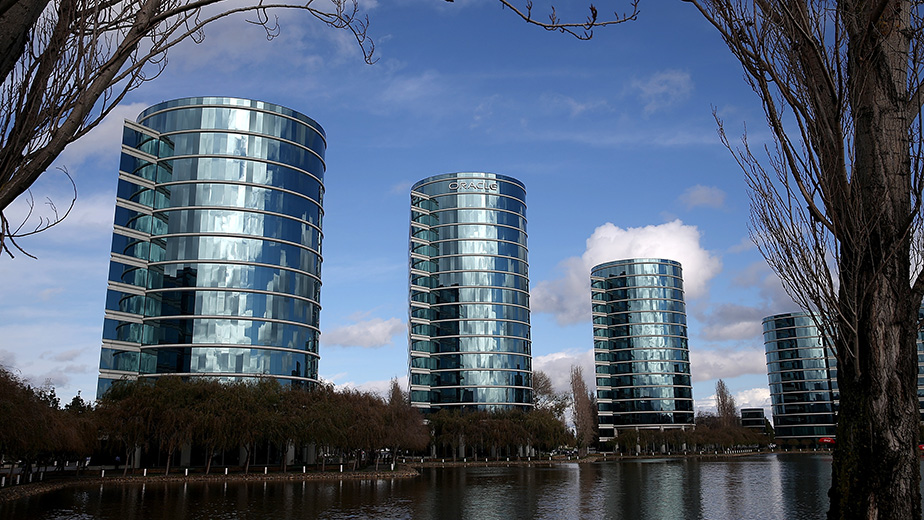
People who are shocked, shocked! that Oracle is a tough negotiator in selling and renewing enterprise software licenses, don’t know Oracle very well. Reports of brass-knuckled contract talks between Oracle and its big customers go back more than a decade.
A new Business Insider report, citing an unnamed source, sheds a bit more light on Oracle’s software audit practices of late. Software vendors use these audits to see if a corporate account is staying legal in terms of its license agreements: Oracle, SAP (SAP), Microsoft (MSFT) et al. want to be paid for what software is used. The problem is many of these same vendors encourage users to try out new features and functions, which can lead to software creep, and non compliance.
It doesn’t help that the contracts are complex in the extreme and face it, not many database administrators or IT pros are conversant in legalese. Or want to be.
The newish wrinkle here is this customer charges that Oracle (ORCL) is intentionally vague on how to use Oracle software with VMware (VMW) virtualization so it’s nearly impossible to stay legal. Oracle, like most enterprise software vendors, claims to offer “open” software so customers can mix and match packages from different vendors, but also says you’re better off if you run Oracle databases with Oracle Linux and Oracle VM and Oracle applications. It’s sort of a “so all software is equal, but our software is more equal” scenario.
This customer (and as is usual, no one is on the record) told BI about an audit letter from Oracle asking for a list of all servers running VMware software.
“In hindsight, I should have involved our legal team immediately, since they were requesting information that had nothing to do with Oracle.”
Per this customer, Oracle said since the use of VMware virtualization, in theory, allows the migration of a database from one server to another, Oracle (which will report its first-quarter earnings on Wednesday) should be paid for every server that could run the database, whether it’s running it or not. That would be a big bump in pricing. Fortune reached out to Oracle for comment. It did not comment on the BI story.
A reasonable person could conclude that Oracle’s always-hard charging sales force is under pressure to boost revenue at a time when the company is navigating a tricky transition from on-premises deployment (software running in a company’s own data centers) to cloud deployment (software offered as a subscription service from a vendor-owned cloud or a private company-run cloud).
Oracle leads the league in relational databases in the traditional deployment model, but is now pushing to move its existing customer base to the cloud. Even Oracle co-founder and CTO Larry Ellison, a former cloud skeptic, is now pushing cloud.
That means Oracle sales people have been offering customers huge discounts on some software as long as they agree to take on Oracle cloud “credits” as well.
Make no mistake, Ellison’s zeal aside, Oracle is under the gun. It is defending a highly profitable business in a world where many customers are looking at open-source and non-relational alternatives to the commercial database Oracle offers. As these customers weigh a transition to the cloud, there’s a good chance they’ll check out new and different vendors. Amazon (AMZN) Web Services, for example, offers many database options, both home-grown, from Oracle and from other vendors.
One consultant who works with several federal agencies said Oracle is under fire. He is working on strategic planning for these agencies next-generation mission systems and Oracle is not on their roadmap. Instead they are looking at PostgreSQL, an open-source database, or some flavor of Hadoop non-relational databases.
One factor in Oracle’s favor: It’s tough for any large enterprise to rip and replace the database that underlies its mission-critical transactional systems. Having said that, Oracle treads on thin ice. The CIO for a large healthcare company who requested anonymity recently told me that “Oracle and SAP are necessary evils. You can’t not use them, but they are extremely painful to be in relationships with.”
He is not alone in that sentiment. IT pros at large banks, insurance companies, and retailers have all related similar tales of woe over the years. (Though none of them on the record.)
There is nuance here. First, as noted above, Oracle is hardly alone in using these tough tactics. Second, a savvy corporate software buyer can use these vendors against each other. An IT vice president said his company, a major U.S. bank, was able to use Oracle (or the threat of moving to Oracle Linux) to win pricing concessions on its Red Hat [fortune-stock-symbol=”RHT”] Enterprise Linux support bill.
Given that many companies are thinking of putting more computing jobs in one or more clouds, legacy software vendors that have bred ill feelings with their customer base had better pay attention. As more cloud options come available those painful contract negotiations and software audits may come back to bite the vendors in the butt.
For more on Oracle, please check out the video below:
Subscribe to Data Sheet, Fortune’s daily newsletter on the business of technology.