Twenty-five years ago, the electric utility industry said the sky was falling during Congressional debate over amendments to the Clean Air Act to reduce acid rain. They used a one-two approach, first complaining about the difficulty and cost of reducing emissions, then issuing dire warnings about collapsing grids. If you were to believe the utility industry then you’d think regulations for reducing sulfur dioxide and other harmful emissions would have caused them to go bankrupt, lay off thousands of employees, and raise rates, forcing grandmothers to freeze in the dark while our electricity grid fell apart due to unreliable environmental scrubbers on power plant smokestacks and unpredictable renewables.
Today, that is exactly what the power sector is saying about the EPA’s Clean Power Plan, which was unveiled last year, to reduce carbon emissions.
But they were wrong before and they are wrong again.
After the environmental regulations of the 1990s, and despite the heartfelt protests from the power sector, electricity rates dropped, mass layoffs were avoided, and poor grannies didn’t have their electricity cut off. The power sector was able to reduce its emissions of acid-forming gases more quickly and more cheaply than anticipated, while reliability improved.
How did they do that? By adding scrubbers, switching fuels, and improving efficiency they met the environmental targets. Along the way we became the world leaders on environmental technologies and now have a multi-billion dollar trade surplus on scrubbers.
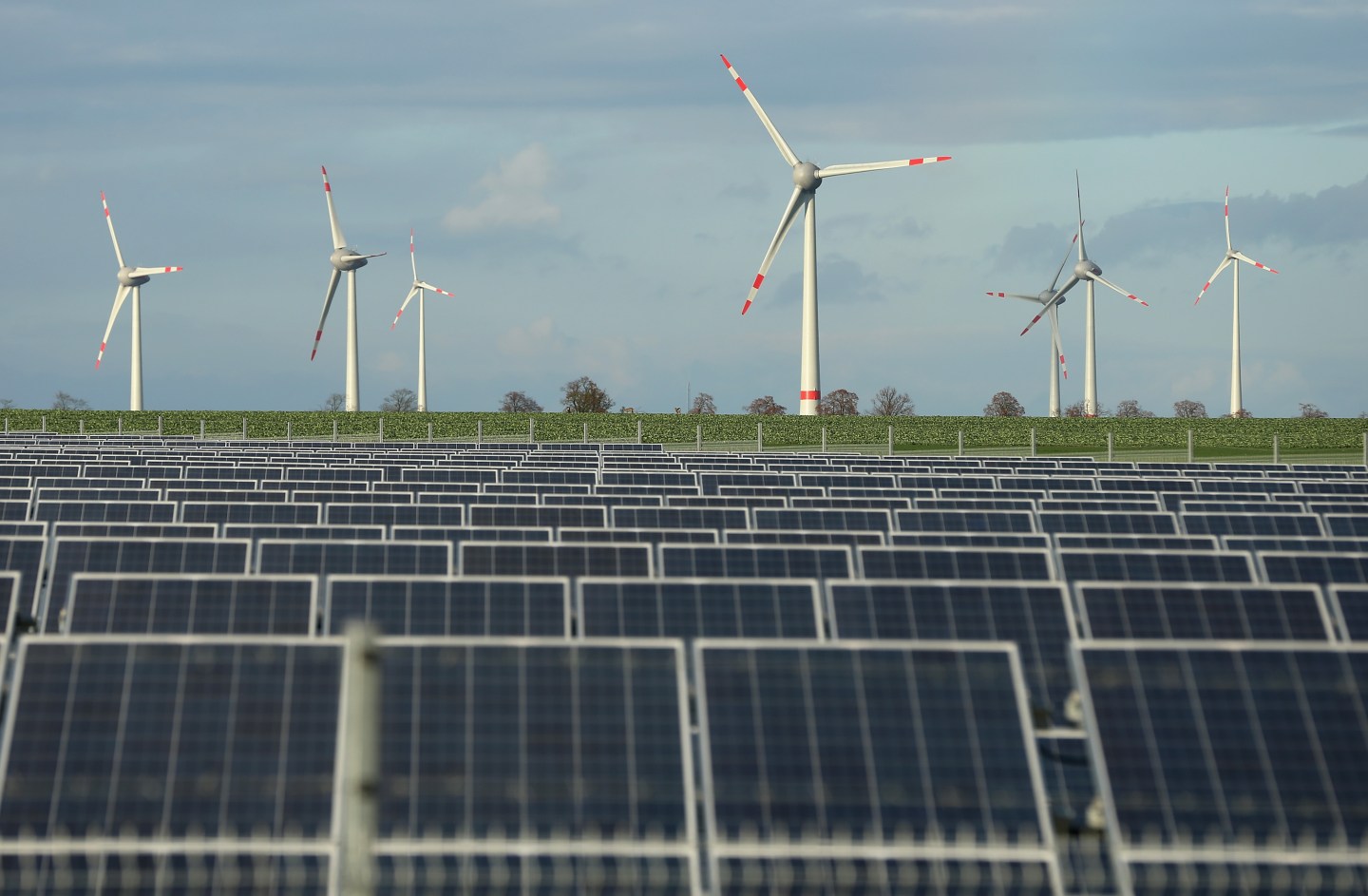
We can use the same approach to reduce carbon. We can install carbon dioxide scrubbers (expensive, but worth figuring out), use more natural gas and renewables, and improve efficiency at the power plants and at home.
Utilities are capable of developing and implementing new technologies. Doing so will create new market opportunities for cleaner power plants, environmental controls, and energy efficiency systems. Unfortunately, unlike in the early 1990s, this time around there is no political consensus to do what’s right and clean up the air for future generations.
The good news is the positive technological and business trends that will lead to cleaner air are already underway. Power plant developers have been prioritizing natural gas, wind and solar power for years, and efficiency is improving society-wide. That means the EPA’s Clean Power Plan is simply reflecting trends on the ground and acknowledging what utilities already are doing. Rather than regulations pushing the market a certain direction, the markets are leading the way.
There are some surprising winners and odd bedfellows lining up in response to the EPA plan. Some utilities are supportive of the plan and not all states are resisting it.
My home state of Texas stands to reap a windfall from the Clean Power Plan. As states reduce greenhouse gas emissions, they will buy low-carbon fuels such as natural gas, wind and solar, which Texas has in abundance. Despite being well-positioned to benefit from the plan, in a startling illustration of how ideology can prevail over self-interest, Texas has threatened to sue the EPA to stop the plan, putting billions of dollars of additional economic activity in the state at risk.
Along with shifting political alliances and states working against their own self-interest, different energy producers are switching teams. Natural gas, which has teamed up with coal the last few years to beat up on renewables, has finally decided to team up with renewables to beat up on coal. Public announcements from international oil and gas companies in the last few weeks signal the end of a prolonged period in which natural gas companies were conspicuously silent about carbon reductions, seemingly out of respect for their fossil fuel brethren, coal. But gas producers have finally figured out they are part of the solution and tens of billions of dollars are at stake, so professional courtesy has been shoved aside for practical business priorities.
It’s clear the power sector, despite its protestations to the contrary, can improve, and there is no reason to wait. With smart engineering designs, fuel-switching, and an emphasis on cleanliness, utilities can reduce their emissions while protecting rates and maintaining reliability. History shows that they are capable and if our prior success with air quality regulations are any guide, the benefits will far outweigh the costs. Now that’s the type of business trend we should all be able to support.
Michael E. Webber is a Professor in Mechanical Engineering at The University of Texas Austin and also serves as Deputy Director of the university’s Energy Institute.