• Home
  • Latest
  • Fortune 500
  • Finance
  • Tech
  • Leadership
  • Lifestyle
  • Rankings
  • Multimedia

Trendingnow

1

The millennial generation is split in 2: an older crowd with boomer-style comfort, a younger set going 'back to the early 1900s'

2

'The demographic dividend of the last 40 years is ending': J.P. Morgan says the world is running out of the two things that kept interest rates down

3

Jensen Huang made his $172 billion fortune on AI chips. His family's $75 million gift to Vanderbilt argues art decides what technology is for

1

The millennial generation is split in 2: an older crowd with boomer-style comfort, a younger set going 'back to the early 1900s'

2

'The demographic dividend of the last 40 years is ending': J.P. Morgan says the world is running out of the two things that kept interest rates down

3

Jensen Huang made his $172 billion fortune on AI chips. His family's $75 million gift to Vanderbilt argues art decides what technology is for
CommentaryCybersecurity

America’s secret weapon against cyber attacks: U.S. veterans?

By
Peter J. Beshar
Peter J. Beshar
Down Arrow Button Icon
By
Peter J. Beshar
Peter J. Beshar
Down Arrow Button Icon
May 26, 2015, 2:25 PM ET
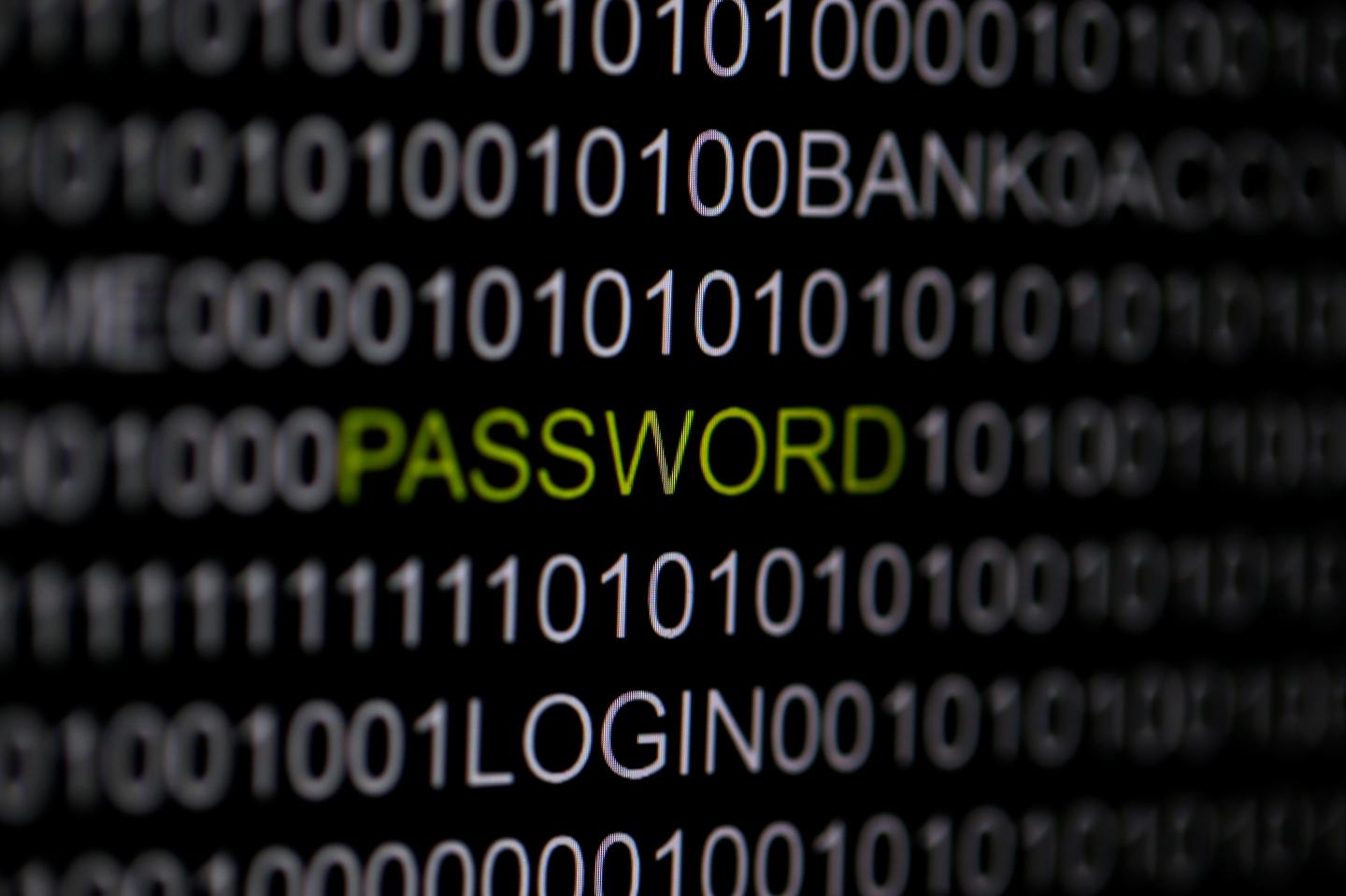
The word 'password' is pictured on a computer screen in this picture illustration taken in Berlin
The word 'password' is pictured on a computer screen in this picture illustration taken in Berlin May 21, 2013. The Financial Times' website and Twitter feeds were hacked May 17, 2013, renewing questions about whether the popular social media service has done enough to tighten security as cyber-attacks on the news media intensify. The attack is the latest in which hackers commandeered the Twitter account of a prominent news organization to push their agenda. Twitter's 200 million users worldwide send out more than 400 million tweets a day, making it a potent distributor of news. REUTERS/Pawel Kopczynski (GERMANY - Tags: CRIME LAW SCIENCE TECHNOLOGY) - RTXZUYOPhotograph by Pawel Kopczynski — Reuters
Add Fortune on Google for similar content.

As we come off of a Memorial Day holiday weekend, Americans reflect with gratitude on the countless times our veterans have stood firm in the face of danger. We appreciate the valor, strength, and sacrifice our troops show in facing down enemies at home and abroad. We thank our men and women in uniform for preserving liberty and freedom for the millions within our own shores, and for billions across the globe.

But as we honored the most sacred of holidays, a new threat lurks, one for which our veterans again offer the best hope of crafting an adequate defense: cyber security.

It is no longer science fiction or the preserve of Hollywood to envision cyber attacks damaging our nation’s critical infrastructure. Recent events demonstrate the vulnerability of our air traffic control systems, power grids, industrial controls and financial networks to web-based warfare. Just as the threat posed by cyber attacks is accelerating, the level of trust between government and business is deteriorating, particularly in the tech sector, with debates over encryption and the Patriot Act’s looming expiration widening the gulf between Washington and Silicon Valley.

As government and business move further apart on the cyber security issue, our veterans can serve as the bridge that brings them back together. Many of the top cyber experts in our country come from the military. Examples include Kevin Mandia, the chief operating officer of FireEye, and General Suzanne Vautrinot, now on the board of Symantec, both of whom are ex-U.S. Air Force. Veterans not only have the technical skills needed to bolster cyber defense systems, their experience in uniform equips them with knowledge of government that would help businesses strengthen ties with policymakers.

There are two issues in the cyber security puzzle where these strengthened ties are badly needed: sharing cyber threat indicators and unifying breach notification regimes.

Government and industry must do a better job of sharing cyber threat indicators. Pooling information about the latest forms of threat “signatures” would enhance our collective ability to detect emerging cyber threats. There is broad support in the business community for this approach. In April, more than 30 prominent companies from various industries, including GE (GE) and Microsoft (MSFT), endorsed sharing cyber threat indicators with the government, if given appropriate privacy and liability protections.

To be effective, however, sharing must be a two-way street. If it is just industry providing information to the Department of Homeland Security with little in return, nothing will be accomplished. To rebuild trust, the government should commit to greater reciprocity in the real-time sharing of cyber threat indicators with private firms.

Multiple bills have been introduced in Congress that would foster enhanced collaboration. Indeed, the Senate’s Cyber Information Sharing Act recently passed out of committee on a 14 to 1 bipartisan vote. One wrinkle is whether the Senate bill’s liability protections should be extended, as a number of House bills would do, to provide immunity not only for affirmative actions a company takes but also for a good faith “failure to act” – an element that tech companies want to include. Veterans may be able to help technology firms secure this concession from Congress and the Administration.

A second area of opportunity for greater collaboration is the need for a national breach notification regime. Currently, 47 states have their own, unique laws, and a number of municipalities layer on additional requirements. A uniform national standard would protect consumers, provide clarity to industries, and require the government to hold itself accountable to the same standard as everyone else. As with sharing cyber threat indicators, government and industry both endorse this concept. What has been lacking to date is a party that can bring each side together. Here, too, veterans can serve as the missing link.

If veterans can play a crucial role in strengthening our nation’s cyber security, what can be done to enlist them more fully in this effort?

Government and industry should create an exchange that would match veterans who possess IT, intelligence and communications skills with industry firms who need to bolster their expertise in these areas. The Veterans Administration, Labor Department, and a committee of industry leaders should partner to identify a pool of qualified candidates, provide additional cyber training and certification programs to enable veterans to bolster their skills, and then match these patriots with firms like ours that have committed to hire 500 veterans.

Starting from a small number, veterans would quickly prove their value and increase companies’ demand for cyber specialists retiring from active service. As the number of veterans serving in this way grows, the walls that have so far divided government and business on the cyber issue would begin to crumble.

Since the founding of our country, veterans have borne the brunt of preserving American freedom, protecting people and property during our nation’s darkest hours. As the world grows increasingly connected, cyber attacks pose a new, more intractable threat to our way of life. Looking back at this Memorial Day, we should once again enlist the brave men and women who wore the uniform to keep us safe from this emerging threat to our national security.

Peter J. Beshar is the executive vice president and general counsel of the Marsh & McLennan Companies, one of the executive sponsors of the Veterans Initiative at MarshMac, and a trustee and chair of the Veterans’ Committee at John Jay College.

About the Author
By Peter J. Beshar
See full bioRight Arrow Button Icon
Add Fortune on Google for similar content.

Latest in Commentary

Finance
Lorem ipsum dolor sit amet, consectetur adipiscing elit, sed do eiusmod tempor incididunt ut labore et dolore magna aliqua. Ut enim ad minim veniam
By Fortune Editors
October 20, 2025
Finance
Lorem ipsum dolor sit amet, consectetur adipiscing elit, sed do eiusmod tempor incididunt ut labore et dolore magna aliqua. Ut enim ad minim veniam
By Fortune Editors
October 20, 2025
Finance
Lorem ipsum dolor sit amet, consectetur adipiscing elit, sed do eiusmod tempor incididunt ut labore et dolore magna aliqua. Ut enim ad minim veniam
By Fortune Editors
October 20, 2025
Finance
Lorem ipsum dolor sit amet, consectetur adipiscing elit, sed do eiusmod tempor incididunt ut labore et dolore magna aliqua. Ut enim ad minim veniam
By Fortune Editors
October 20, 2025
Finance
Lorem ipsum dolor sit amet, consectetur adipiscing elit, sed do eiusmod tempor incididunt ut labore et dolore magna aliqua. Ut enim ad minim veniam
By Fortune Editors
October 20, 2025
Finance
Lorem ipsum dolor sit amet, consectetur adipiscing elit, sed do eiusmod tempor incididunt ut labore et dolore magna aliqua. Ut enim ad minim veniam
By Fortune Editors
October 20, 2025

Most Popular

Finance
Lorem ipsum dolor sit amet, consectetur adipiscing elit, sed do eiusmod tempor incididunt ut labore et dolore magna aliqua. Ut enim ad minim veniam
By Fortune Editors
October 20, 2025
Finance
Lorem ipsum dolor sit amet, consectetur adipiscing elit, sed do eiusmod tempor incididunt ut labore et dolore magna aliqua. Ut enim ad minim veniam
By Fortune Editors
October 20, 2025
Finance
Lorem ipsum dolor sit amet, consectetur adipiscing elit, sed do eiusmod tempor incididunt ut labore et dolore magna aliqua. Ut enim ad minim veniam
By Fortune Editors
October 20, 2025
Finance
Lorem ipsum dolor sit amet, consectetur adipiscing elit, sed do eiusmod tempor incididunt ut labore et dolore magna aliqua. Ut enim ad minim veniam
By Fortune Editors
October 20, 2025
Finance
Lorem ipsum dolor sit amet, consectetur adipiscing elit, sed do eiusmod tempor incididunt ut labore et dolore magna aliqua. Ut enim ad minim veniam
By Fortune Editors
October 20, 2025
Finance
Lorem ipsum dolor sit amet, consectetur adipiscing elit, sed do eiusmod tempor incididunt ut labore et dolore magna aliqua. Ut enim ad minim veniam
By Fortune Editors
October 20, 2025
Fortune Secondary Logo
Rankings
  • 100 Best Companies
  • Fortune 500
  • Global 500
  • Fortune 500 Europe
  • Most Powerful Women
  • World's Most Admired Companies
  • See All Rankings
  • Lists Calendar
Sections
  • Finance
  • Fortune Crypto
  • Features
  • Leadership
  • Health
  • Commentary
  • Success
  • Retail
  • Mpw
  • Tech
  • Lifestyle
  • CEO Initiative
  • Asia
  • Politics
  • Conferences
  • Europe
  • Newsletters
  • Personal Finance
  • Environment
  • Magazine
  • Education
Customer Support
  • Frequently Asked Questions
  • Customer Service Portal
  • Privacy Policy
  • Terms Of Use
  • Single Issues For Purchase
  • International Print
Commercial Services
  • Advertising
  • Fortune Brand Studio
  • Fortune Analytics
  • Fortune Conferences
  • Business Development
  • Group Subscriptions
About Us
  • About Us
  • Press Center
  • Work At Fortune
  • Terms And Conditions
  • Site Map
  • About Us
  • Press Center
  • Work At Fortune
  • Terms And Conditions
  • Site Map
  • Facebook icon
  • Twitter icon
  • LinkedIn icon
  • Instagram icon
  • TikTok icon
  • YouTube icon

Latest in Commentary

Roderick Wong, MD is Managing Partner and Chief Investment Officer of RTW Investments
Commentary250 Years of Innovation
When 10,000 doctors stood up and cheered for a cancer drug — America’s innovation machine made it possible
By Roderick WongJuly 25, 2026
13 hours ago
t
CommentaryCommunity
Ronald Reagan center director: How to talk politics with family, friends and neighbors, without losing them
By Frederick J. Ryan, Jr.July 25, 2026
13 hours ago
m
Commentarydisruption
The Messi Test and how the Spaniards messed with it: what the World Cup final taught me about the jobs AI can’t touch
By Bhaskar ChakravortiJuly 25, 2026
13 hours ago
alex
CommentaryEntrepreneurship
I sold my startup for millions without a single dollar in revenue. Here’s why that’s the point
By Alexander Kardos-NyheimJuly 25, 2026
17 hours ago
craig
CommentaryPharmaceutical Industry
Big pharma’s patent cliff meets a new biotech Cold War: We need to outrun China, not outlaw it
By Craig GarthwaiteJuly 24, 2026
2 days ago
tim
Commentarysmartphones and mobile devices
NYU Stern pricing expert: There’s a hidden ‘AI tax’ hitting Apple, Dell — and your next phone
By Srikanth JagabathulaJuly 24, 2026
2 days ago

Most Popular

The millennial generation is split in 2: an older crowd with boomer-style comfort, a younger set going 'back to the early 1900s'
Real Estate
The millennial generation is split in 2: an older crowd with boomer-style comfort, a younger set going 'back to the early 1900s'
By Nick LichtenbergJuly 25, 2026
13 hours ago
'The demographic dividend of the last 40 years is ending': J.P. Morgan says the world is running out of the two things that kept interest rates down
Economy
'The demographic dividend of the last 40 years is ending': J.P. Morgan says the world is running out of the two things that kept interest rates down
By Eleanor PringleJuly 24, 2026
2 days ago
Jensen Huang made his $172 billion fortune on AI chips. His family's $75 million gift to Vanderbilt argues art decides what technology is for
Big Tech
Jensen Huang made his $172 billion fortune on AI chips. His family's $75 million gift to Vanderbilt argues art decides what technology is for
By Sydney LakeJuly 23, 2026
3 days ago
Trump pulls back after Iran crosses his red line as U.S. military breaks two-week streak of airstrikes amid talks for potential Hormuz deal
Middle East
Trump pulls back after Iran crosses his red line as U.S. military breaks two-week streak of airstrikes amid talks for potential Hormuz deal
By Jason MaJuly 25, 2026
4 hours ago
An 11-year-old is cleaning his neighbors' trash cans for $10 each—he now has 100K followers as teens face the worst summer job market since 1948
Success
An 11-year-old is cleaning his neighbors' trash cans for $10 each—he now has 100K followers as teens face the worst summer job market since 1948
By Orianna Rosa RoyleJuly 25, 2026
15 hours ago
The $39 trillion U.S. national debt isn’t as high as Japan’s and Singapore’s relative to economy size—and yet it's still worse somehow
Economy
The $39 trillion U.S. national debt isn’t as high as Japan’s and Singapore’s relative to economy size—and yet it's still worse somehow
By Sasha RogelbergJuly 23, 2026
2 days ago

© 2026 Fortune Media IP Limited. All Rights Reserved. Use of this site constitutes acceptance of our Terms of Use and Privacy Policy | CA Notice at Collection and Privacy Notice | Do Not Sell/Share My Personal Information
FORTUNE is a trademark of Fortune Media IP Limited, registered in the U.S. and other countries. FORTUNE may receive compensation for some links to products and services on this website. Offers may be subject to change without notice.